Skip to content
Part 1: Market Size and Growth
The glass cup industry in Bangladesh has been experiencing steady growth in recent years. With a strong demand for both domestic consumption and international exports, the country has become a significant player in the global glassware market. Factors such as increasing urbanization, a growing middle class, and a rising preference for branded glassware contribute to the sector's expansion.
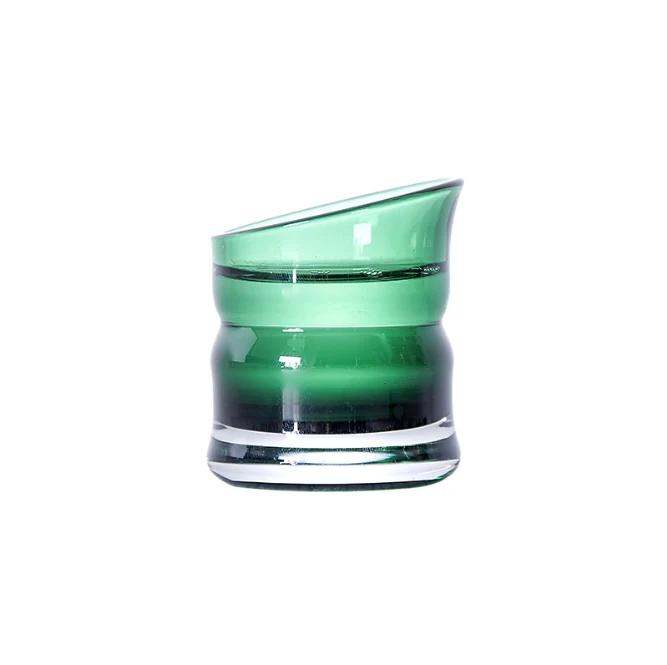
As the demand for glass cups continues to rise, manufacturers are focusing on improving quality and production capabilities. The domestic market for glass cups is driven by demand from restaurants, hotels, and households, while international markets offer lucrative opportunities, especially in regions like Europe, the Middle East, and Southeast Asia. These manufacturers also benefit from a combination of affordable labor and growing export potential, which makes them competitive in the global market.
Bangladesh's supportive policies and investment in infrastructure are creating an environment conducive to growth. The government’s efforts to develop industrial clusters in key regions, combined with favorable trade agreements, have enhanced the country’s competitiveness in the global glassware industry. This has paved the way for manufacturers to expand their reach to a broader market and adapt to ever-changing customer preferences.
Part 2: Leading Companies
Bengal Glass Ltd.
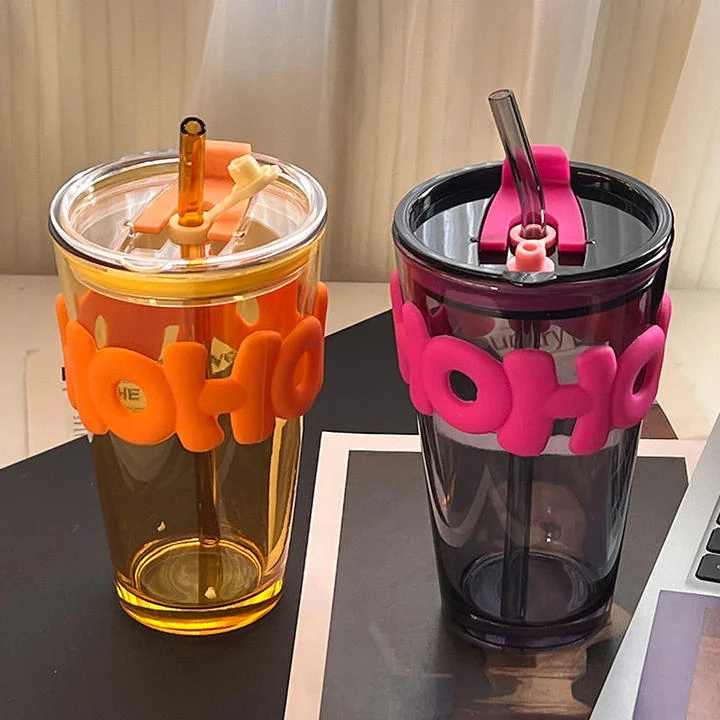
Bengal Glass Ltd. was founded in 1990 and is located in Dhaka, Bangladesh. The company has built a reputation for producing high-quality glassware, including drinking glasses, tumblers, and decorative items. With a focus on precision manufacturing, Bengal Glass caters to both the domestic and international markets.
Their range of products includes glass cups, plates, and jars, all made with a commitment to durability and aesthetic appeal. They specialize in producing glassware for household use, as well as for hotels and restaurants. Bengal Glass’s innovations in design have made them a top choice for clients looking for unique yet functional glass products.
The company serves industries such as hospitality, retail, and food service. Bengal Glass’s competitive advantage lies in its ability to deliver large-scale orders while maintaining product quality. They have received multiple certifications for quality control and environmental standards, ensuring they meet international demands.
Ahsan Glass & Crockery
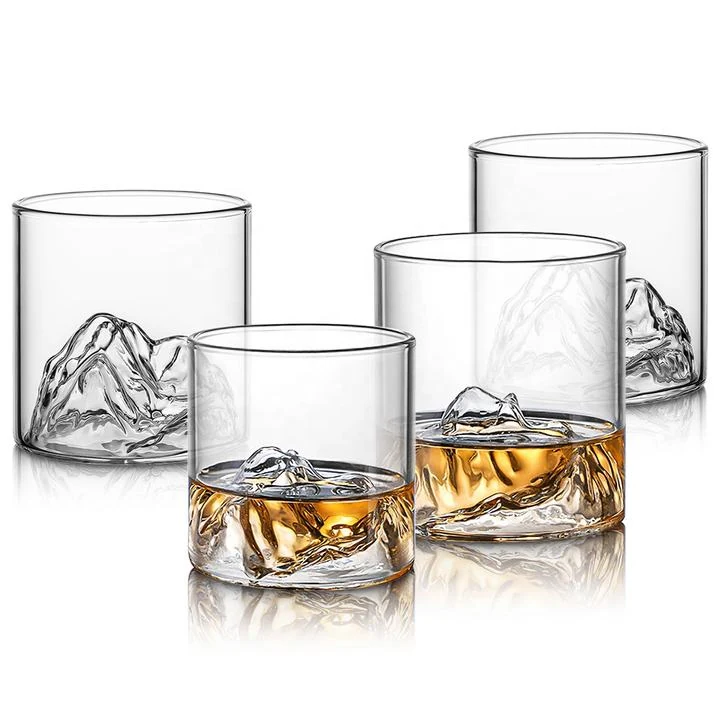
Founded in 1985, Ahsan Glass & Crockery is another prominent name in Bangladesh's glassware industry. Located in Chittagong, the company has a strong presence in both the local and export markets. Known for their diverse range of glass products, Ahsan Glass focuses on providing both everyday glassware and high-end decorative items.
Ahsan Glass produces everything from basic drinking cups to premium glassware for special occasions. Their products are widely used in households, restaurants, and cafes. The company also offers a range of customized glass products, catering to businesses that want unique branding solutions for their glassware.
Their primary customers include restaurants, hotels, and retail outlets. Their focus on creating high-quality, affordable glass products has helped them maintain a competitive edge. Ahsan Glass’s commitment to quality craftsmanship and continuous innovation has garnered them industry recognition, and they’ve earned several awards for excellence.
Glassware & Tableware Industries Ltd.
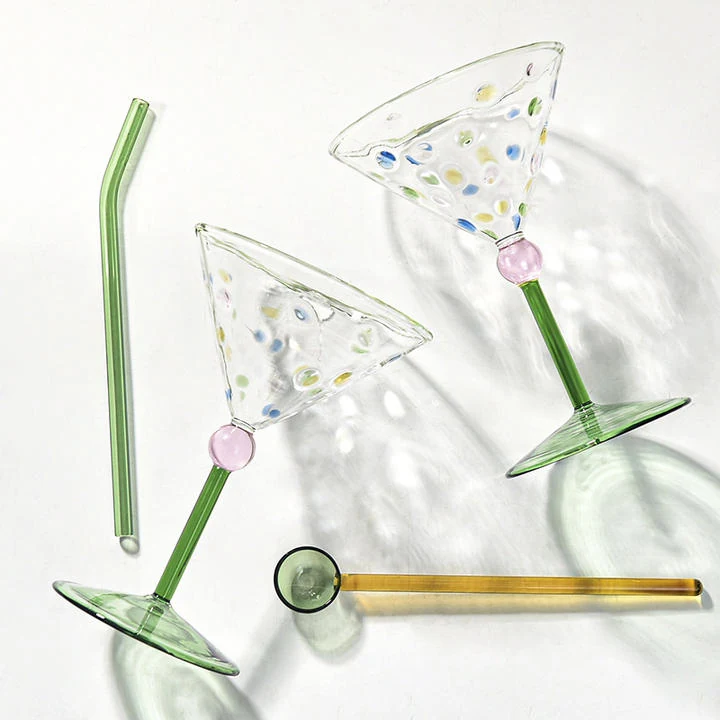
Glassware & Tableware Industries Ltd. was established in 1998 and is based in the heart of Bangladesh’s glass production hub, Dhaka. This company specializes in manufacturing high-end glassware and tableware, focusing on products that combine elegance with functionality. Their glass cups are a key product, popular among high-end restaurants and hospitality businesses.
The company produces a wide range of glass items, from functional cups and tumblers to intricate decorative glass pieces. Glassware & Tableware Industries stands out for its innovative designs and exceptional craftsmanship, ensuring that each piece is both visually appealing and durable.
Their products cater to industries such as hospitality, luxury retail, and event planning. Glassware & Tableware Industries is committed to sustainability and quality. Their use of eco-friendly production methods and high-quality raw materials has made them a reliable partner for international clients. The company is ISO certified, highlighting its commitment to meeting global quality standards.
| Company | Founded | Core Products | Industries | Certifications |
|---|---|---|---|---|
| Bengal Glass Ltd. | 1990 | Glass cups, tumblers, decorative glass | Hospitality, Retail, Food service | ISO certified |
| Ahsan Glass & Crockery | 1985 | Drinking cups, plates, jars | Hospitality, Retail, Cafes | Eco-friendly certifications |
| Glassware & Tableware Industries Ltd. | 1998 | Glass cups, tableware, decorative items | Hospitality, Luxury retail, Events | ISO certified |
Part 3: Trade Shows and Industry Events
Dhaka International Trade Fair
The Dhaka International Trade Fair (DITF) is one of the biggest events in Bangladesh, attracting global suppliers, buyers, and industry experts. Held annually in January at the Bangabandhu International Conference Center, it serves as a platform for businesses to showcase their products, including glassware.

The DITF is a major event for those in the glassware industry, offering opportunities for networking, partnerships, and exploring new market trends. Manufacturers like Bengal Glass and Ahsan Glass use this platform to introduce their latest designs and innovations to a wider audience. The event highlights the potential for growth in Bangladesh’s glassware sector and its increasing competitiveness in international markets.
Bangladesh Glassware Expo
The Bangladesh Glassware Expo is an industry-specific event focusing on the glass manufacturing and decoration sector. Held in Dhaka every two years, the event brings together glassware manufacturers, designers, and industry professionals. It’s an excellent opportunity for networking and learning about the latest developments in glass technology and design.
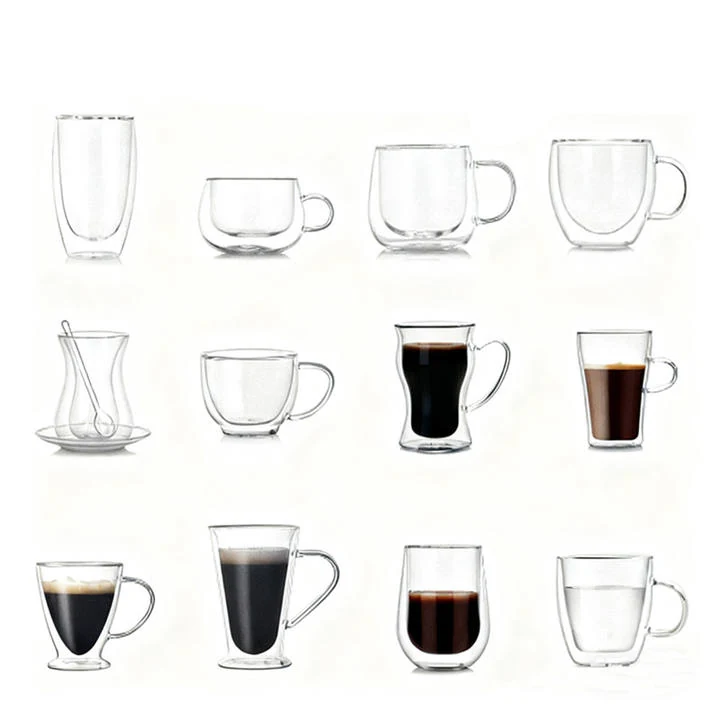
The expo features various glass products, including cups, tableware, and decorative items. Key highlights of the event include new product launches, workshops on sustainable manufacturing practices, and presentations on design innovations. It serves as a key meeting point for businesses looking to expand their presence in the global market.
| Event | Date | Location | Highlights |
|---|---|---|---|
| Dhaka International Trade Fair | January | Dhaka, Bangladesh | Networking, global exposure, new designs |
| Bangladesh Glassware Expo | Every two years | Dhaka, Bangladesh | Product launches, sustainable practices, design innovations |
Part 4: Impact of Global Trade Policies
The glassware industry in Bangladesh has been significantly influenced by global trade policies. International trade agreements have made it easier for local manufacturers to export their products to markets around the world. However, challenges such as trade tariffs and fluctuations in international demand can pose risks to the industry’s stability.
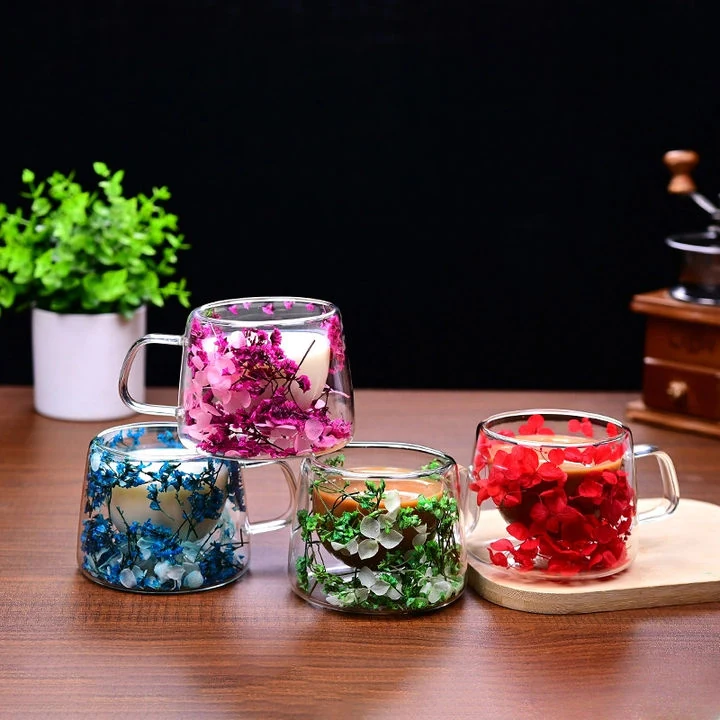
Global trade agreements and policies play a major role in determining which markets are most accessible to Bangladesh’s glass manufacturers. Free trade agreements with the European Union and the Middle East have opened new avenues for exports. On the flip side, changing trade policies and tariff adjustments can disrupt the smooth flow of goods, particularly when dealing with more volatile markets.
The rise of local substitutes in global markets is another challenge for Bangladeshi manufacturers. With many countries developing their glassware industries, local competition has increased, which could affect the pricing and demand for Bangladeshi glass products. However, the sector's flexibility in adapting to global shifts presents a competitive advantage. Moreover, supply chain risks and local manufacturing advancements are pushing companies to innovate and streamline operations.
Part 5: Conclusion
The glassware industry in Bangladesh is filled with opportunities. As demand for high-quality glass cups grows, manufacturers are positioning themselves for expansion in both domestic and international markets. Companies that can deliver quality, innovation, and customization will continue to thrive as the sector evolves.
However, the industry also faces challenges, such as fluctuating international demand, trade policy changes, and growing competition from local substitutes. By continuing to innovate and focusing on sustainable practices, Bangladesh's glass manufacturers can overcome these challenges and ensure long-term success in the global market.