Skip to content
Part 1: Market Size and Growth
Bosnia and Herzegovina's glass manufacturing industry has seen steady growth in recent years, with the production of glass cups being one of the most significant segments. The country's strategic location in the heart of the Balkans allows it to serve as an important player in regional trade, catering to both local markets and international demand. With the rise in tourism and local consumption, the glassware sector is thriving.
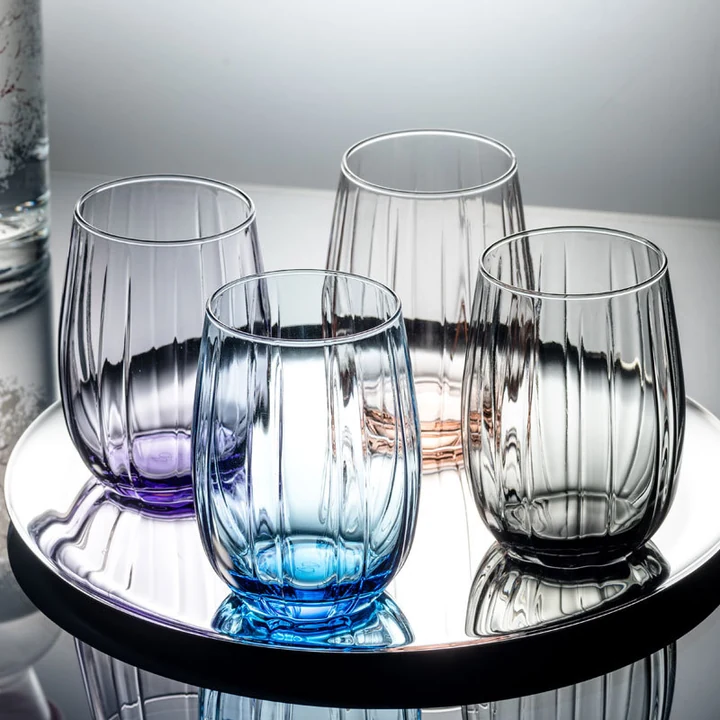
The demand for high-quality glass cups has been increasing in Bosnia and Herzegovina, particularly due to the country’s growing hospitality industry. As cafes, restaurants, and hotels expand, so does the need for stylish and durable glassware. Bosnia’s glass manufacturers are focusing on producing not only practical glass cups but also innovative designs that appeal to modern consumers.
The government's push for economic development and industrial growth has positively impacted the glass industry. Investments in local production facilities and modern technologies are helping the sector expand its capacity, increase efficiency, and meet rising market demand both domestically and abroad.
Part 2: Leading Companies
Company 1: Vitro Glass
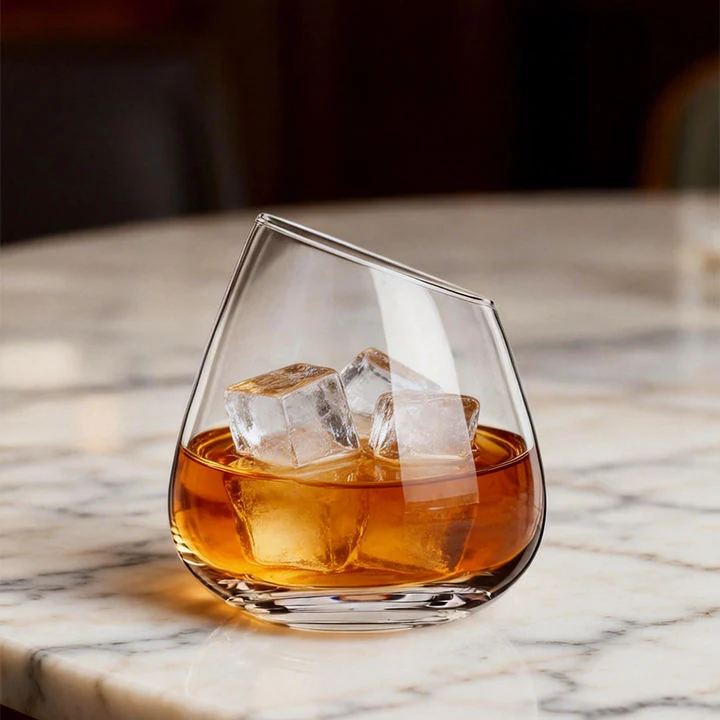
Founded in 1992, Vitro Glass is a prominent glass manufacturer in Bosnia and Herzegovina, specializing in the production of a wide range of glass products, including glass cups. Located in Sarajevo, the company combines traditional glassblowing techniques with modern manufacturing processes to produce high-quality products.
Vitro Glass offers a diverse product line, catering to both the retail and hospitality sectors. Their glass cups are known for their durability, design, and eco-friendly production methods. The company also focuses on custom orders, offering tailored glassware solutions for various industries.
The company serves a wide array of industries, including hospitality, retail, and promotional products. It stands out for its commitment to sustainability, using recycled glass and ensuring that its products meet environmental standards.
Key certifications: ISO 9001, Eco-Friendly Production Certification.
Company 2: Sarajevo Glassworks

Sarajevo Glassworks, established in 1985, is one of the oldest and most established glass manufacturers in Bosnia and Herzegovina. Specializing in the production of glass cups, glass bottles, and decorative glass items, the company has built a strong reputation for quality and craftsmanship. Based in the capital, Sarajevo, the company focuses on both domestic and international markets.
Sarajevo Glassworks prides itself on producing durable and aesthetically pleasing glass cups, with a wide range of designs and finishes. The company is known for its attention to detail and commitment to producing high-quality glassware that meets international standards.
The company’s products are widely used in hospitality, retail, and corporate gifting. It continues to innovate with new designs and improved manufacturing techniques, keeping up with market trends and customer demands.
Key certifications: CE Certification, ISO 9001, Environmental Management Certification.
Company 3: BH Glass
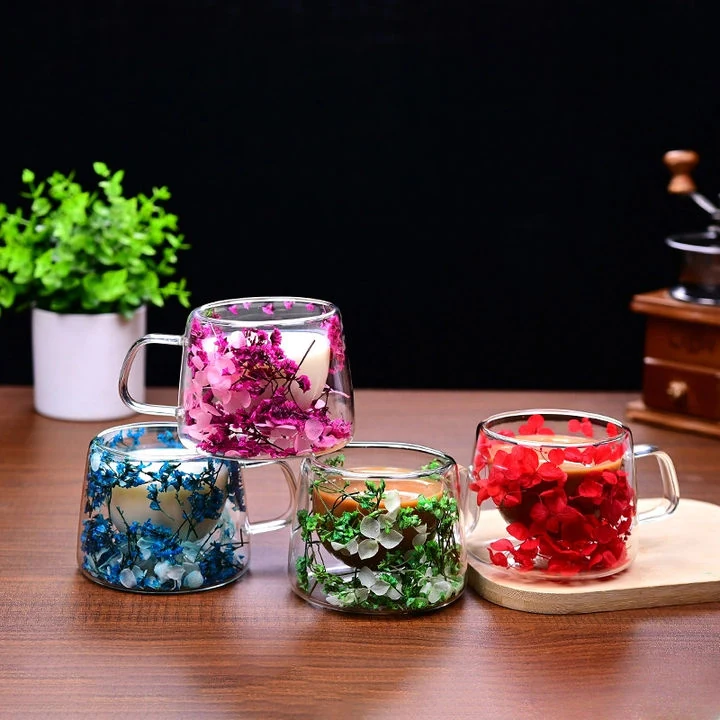
Founded in 2000, BH Glass is a leading manufacturer of glass cups, vases, and various decorative glass items. Located in Zenica, the company has rapidly expanded its production capabilities and offers a broad selection of glass products for both local and international customers.
BH Glass is known for producing stylish glass cups, including those for the hospitality industry and retail markets. Their production processes are highly efficient, ensuring quick turnaround times and consistent product quality. The company also focuses on sustainability, using advanced technologies to reduce environmental impact.
The company serves the hospitality, retail, and industrial sectors, offering customized glassware solutions to meet the unique needs of its customers. Their commitment to quality and eco-friendly practices has helped them establish a strong presence in the global glass market.
Key certifications: ISO 14001, Eco-Design Certification, Green Production Award.
| Company | Founded | Core Products | Industries | Certifications |
|---|---|---|---|---|
| Vitro Glass | 1992 | Glass cups, decorative glassware | Hospitality, Retail | ISO 9001, Eco-Friendly Production Certification |
| Sarajevo Glassworks | 1985 | Glass cups, bottles, decorative glass items | Hospitality, Retail | CE Certification, ISO 9001, Environmental Management Certification |
| BH Glass | 2000 | Glass cups, vases, decorative glass items | Hospitality, Retail, Industrial | ISO 14001, Eco-Design Certification, Green Production Award |
Part 3: Trade Shows and Industry Events
Balkan Glass Expo
The Balkan Glass Expo is an annual event held in Sarajevo, Bosnia and Herzegovina, that showcases the latest advancements in glass manufacturing. This event brings together key players in the glass industry, including manufacturers, suppliers, and designers. It serves as a platform to display new products, exchange ideas, and foster business relationships.
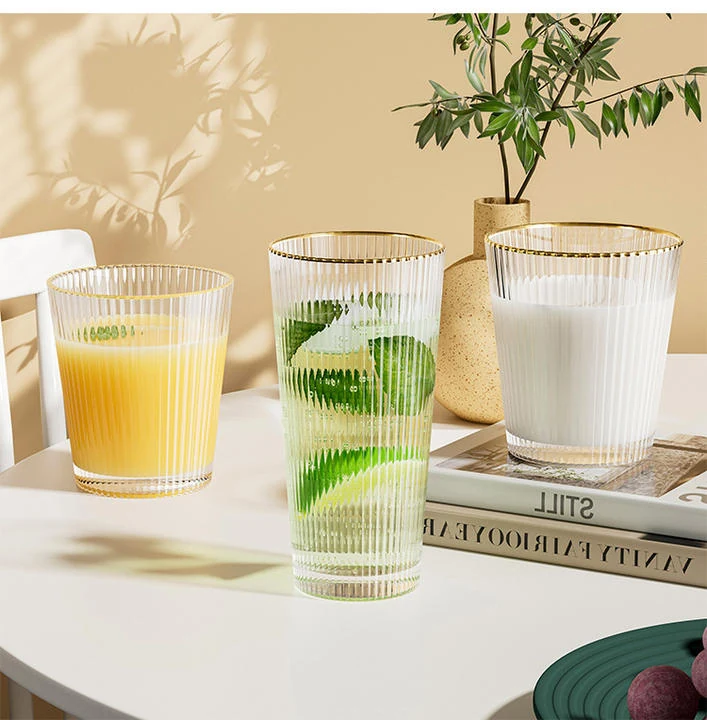
Held every November, the expo attracts both local and international participants. It features a variety of glass products, including glass cups, and provides an opportunity for manufacturers to network with potential clients and partners. The expo is an essential event for anyone involved in the glass industry in the region.
Sarajevo International Trade Fair
The Sarajevo International Trade Fair is a major event in Bosnia and Herzegovina, covering various industries, including glass manufacturing. This trade fair offers manufacturers the opportunity to present their products to a global audience. It also serves as a forum for discussing new trends, innovations, and technological advancements in the glass industry.
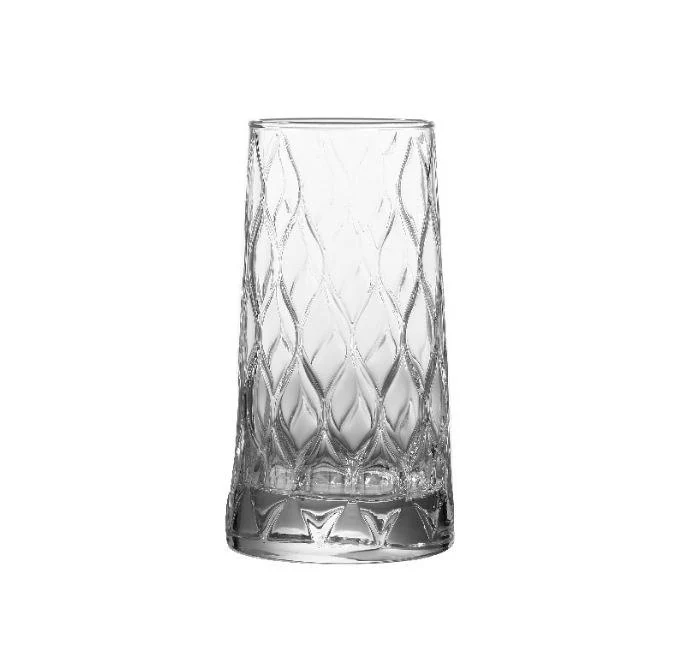
Typically held in May, the Sarajevo International Trade Fair attracts exhibitors and visitors from various sectors. The event highlights cutting-edge technologies in glass production and provides a platform for manufacturers to showcase their most recent innovations in glassware.
| Event | Date | Location | Highlights |
|---|---|---|---|
| Balkan Glass Expo | November | Sarajevo | Glass manufacturing innovations, networking, product displays |
| Sarajevo International Trade Fair | May | Sarajevo | Global trade, technological advancements, product showcases |
Part 4: Impact of Global Trade Policies
The global glass manufacturing industry, including Bosnia and Herzegovina, is heavily influenced by international trade policies. Changes in tariffs, export regulations, and free trade agreements can directly affect the cost of raw materials and the ability to export finished products. Local manufacturers in Bosnia must adapt to these changes to remain competitive in global markets.
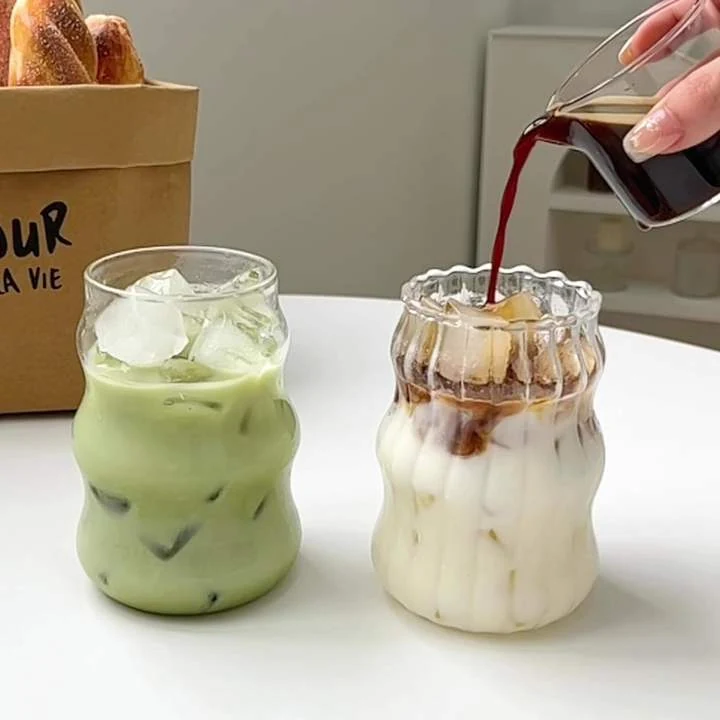
Bosnia and Herzegovina benefits from its participation in several trade agreements, which facilitate smoother exports to the European Union and other international markets. However, the industry also faces challenges due to global competition, with low-cost manufacturers in other regions offering products at cheaper prices. To stay ahead, Bosnian glass manufacturers focus on quality, innovation, and sustainable production practices.
In addition, local manufacturers are paying closer attention to supply chain risks. With the impact of international sanctions, Bosnia's glass industry is more aware of the need for local sourcing and diversification of suppliers to reduce vulnerability to disruptions in the global market.
Part 5: Conclusion
The glass manufacturing industry in Bosnia and Herzegovina is poised for continued growth, especially in the production of glass cups and other related products. With an increasing demand from the hospitality and retail industries, manufacturers are focusing on innovation, sustainability, and high-quality production to meet consumer needs. The country’s strategic position and the support of trade agreements offer a solid foundation for further expansion.
However, the industry faces challenges from global competition and fluctuating trade policies. By embracing technological advancements, focusing on high-quality production, and adapting to market demands, manufacturers in Bosnia and Herzegovina can overcome these obstacles and thrive in the global glass market.