Skip to content

Part 1: Market Size and Growth
Brazil’s glass manufacturing industry, especially for glass cups, has been evolving steadily over the past few years. As the demand for both everyday glassware and high-end decorative cups grows, more local manufacturers are stepping up to meet the needs of Brazilian consumers. The glassware sector in Brazil is integral to the country's broader manufacturing landscape, catering to both domestic and export markets.

The market for glass cups in Brazil is expected to continue growing, driven by a rise in consumer spending on household products, particularly in the home décor and dining sectors. Glass cups are widely used for various beverages, including coffee, tea, and water, and this demand is further supported by the growth of the hospitality and restaurant industries. Local manufacturers are increasingly focusing on higher quality and innovative designs to meet the needs of both domestic consumers and international buyers.
The Brazilian government has taken steps to support the manufacturing sector, including offering tax incentives and grants to encourage innovation and sustainability. Additionally, investment in local infrastructure and logistics has allowed manufacturers to expand their reach both locally and to export markets.
Part 2: Leading Companies
Vidros do Brasil

Vidros do Brasil is one of the leading manufacturers of glass cups in the country. Based in São Paulo, the company has been operating for over 40 years and is known for its high-quality glass products, including cups, mugs, and other beverage-related glassware. Vidros do Brasil serves both domestic and international markets with a focus on sustainable manufacturing practices.
The company produces a variety of glass cups for different industries, including hospitality, retail, and e-commerce. They specialize in both traditional designs and modern, creative concepts. Vidros do Brasil also offers customization options for clients looking for personalized branding or design features. Their products are known for their clarity, durability, and elegant designs.
Vidros do Brasil has invested heavily in research and development to enhance its manufacturing processes and introduce new products to the market. The company is committed to sustainability, utilizing recycled materials in production, and ensuring its operations have a minimal environmental impact.
Copos & Cia

Copos & Cia is another key player in the Brazilian glass cup manufacturing sector. Located in Rio de Janeiro, the company has established itself as a major supplier of glass cups to the local market, as well as international clients. Copos & Cia specializes in glass cups for various beverage types, including wine, whiskey, and cocktails.
The company’s product line includes a wide variety of glass cups designed for both casual and formal use. From simple glass cups to more elaborate designs for luxury products, Copos & Cia serves customers in the hospitality, retail, and gifting sectors. Their glassware is known for its excellent craftsmanship and attention to detail.
As part of their commitment to innovation, Copos & Cia focuses on introducing new designs regularly to stay ahead of trends in the market. The company also emphasizes customer service and offers custom designs for businesses, ensuring that their products align with their clients’ branding needs.
Cristaleria Brasileira

Cristaleria Brasileira is a well-established glass cup manufacturer that has been serving the Brazilian market for over 50 years. The company is located in Curitiba and is known for producing a wide range of glass products, including cups, bowls, and decorative items. Cristaleria Brasileira is one of the largest producers of glass cups in the region and has earned a reputation for high-quality products at competitive prices.
The company offers an extensive catalog of glass cups, with styles ranging from simple everyday items to premium, handcrafted glassware. They cater to various industries, including hospitality, retail, and foodservice. Cristaleria Brasileira also provides custom glass cup designs and offers personalized solutions for both small and large-scale orders.
In terms of innovation, Cristaleria Brasileira is constantly exploring new designs, shapes, and glass treatments. The company’s strong focus on quality control ensures that all their products meet the highest standards of durability and finish.
| Company | Founded | Core Products | Industries | Certifications |
|---|---|---|---|---|
| Vidros do Brasil | 1980 | Glass cups, Mugs | Hospitality, Retail, E-commerce | ISO 9001, SGS |
| Copos & Cia | 1995 | Glass cups, Wine glasses | Hospitality, Retail, Gifting | ISO 14001, CE |
| Cristaleria Brasileira | 1970 | Glass cups, Bowls, Mugs | Foodservice, Retail, Hospitality | ISO 9001, CE |
Part 3: Trade Shows and Industry Events
FENAGRA Expo
FENAGRA Expo is one of the most important events for the glassware industry in Brazil. Held annually in São Paulo, this trade show gathers manufacturers, suppliers, and customers from the glass manufacturing sector. FENAGRA Expo serves as a great platform for companies to showcase their latest products, including glass cups, and connect with potential clients.

The event focuses on the entire glass manufacturing process, from raw materials to finished products. Exhibitors at FENAGRA Expo showcase innovations in glass design, sustainable manufacturing practices, and new technologies. The trade show is also an excellent networking opportunity for companies looking to expand their customer base and collaborate on future projects.
Expo Brasil
Expo Brasil is a major exhibition that features various sectors of the Brazilian economy, including the glassware industry. Held annually in Rio de Janeiro, the event attracts businesses from across Brazil and internationally. The expo highlights the latest trends in glass cup design, manufacturing technologies, and packaging solutions.
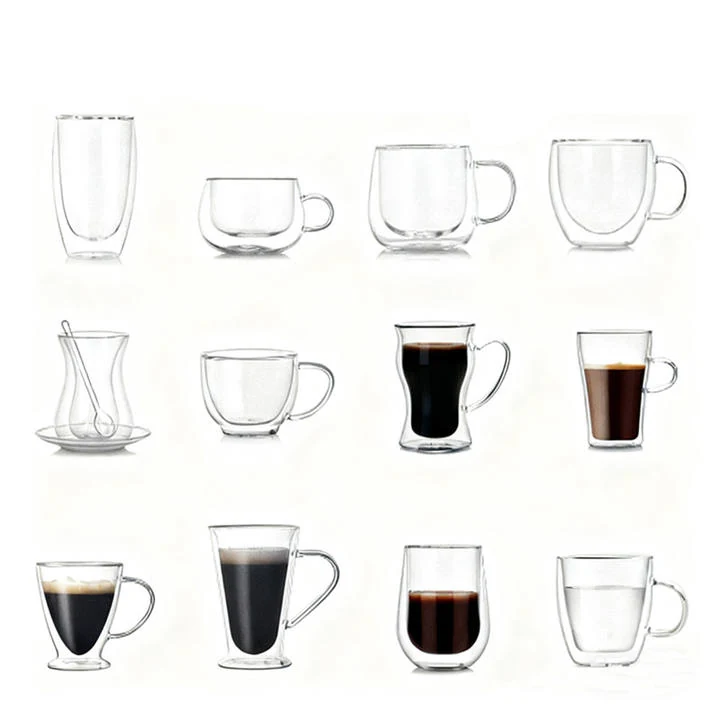
The event offers a platform for manufacturers to exhibit their glass cups, while also providing attendees with insights into emerging market trends. Expo Brasil is an excellent opportunity for companies to increase their brand visibility and meet potential buyers. Key topics at the event include eco-friendly production methods, innovation in glass design, and the future of the glassware industry.
| Event | Date | Location | Highlights |
|---|---|---|---|
| FENAGRA Expo | May | São Paulo | Latest glass innovations, Networking |
| Expo Brasil | November | Rio de Janeiro | Eco-friendly production, Industry insights |
Part 4: Impact of Global Trade Policies
Global trade policies play a crucial role in shaping the Brazilian glassware industry. With Brazil being a major exporter of glass products, international trade agreements and tariffs have a significant impact on manufacturers. Trade agreements allow Brazilian manufacturers to access new markets, while tariffs on imports and exports can affect the cost of raw materials and finished goods.
Brazil’s local production of glassware has become more competitive over the years, particularly as manufacturers invest in more efficient production methods and sustainable practices. While local manufacturers benefit from tariff protections on domestic products, they still face intense competition from international companies offering low-cost alternatives.

Global competition is growing as countries such as China and India continue to increase their manufacturing capacities. Brazil’s glass manufacturers need to focus on product differentiation and quality to stay ahead in the competitive landscape. Trade policies that promote sustainability and innovation will likely benefit Brazilian glassware companies as they position themselves as leaders in environmentally friendly and high-quality glass products.
Part 5: Conclusion
The glass cup manufacturing industry in Brazil offers significant opportunities for growth. With increasing demand for both everyday glassware and high-end decorative items, companies are well-positioned to expand both locally and internationally. The sector will continue to thrive as long as manufacturers stay innovative and focused on quality.
However, challenges such as international competition, raw material costs, and fluctuating trade policies must be managed carefully. The key to success will be to focus on customer needs, embrace new technologies, and build strong relationships with both domestic and international partners.