Skip to content

Part 1: Market Size and Growth
Eswatini’s glass manufacturing industry has been developing steadily, with a growing demand for glassware products across various sectors. The market for glass cups has expanded in Eswatini, driven by increased consumer spending, a growing hospitality industry, and the demand for durable, aesthetic drinkware products. As the country modernizes, local manufacturers are increasingly catering to both domestic markets and export opportunities in the Southern African region.

The market for glass cups and drinkware is expected to continue its growth, as Eswatini’s economy becomes more integrated with regional markets. Increasing disposable income, coupled with a rise in dining out and hospitality services, has created an environment where local manufacturers can thrive. Eswatini’s glass manufacturers are tapping into the emerging needs of high-quality products that meet both practical and aesthetic demands.
Eswatini has also benefited from regional trade agreements such as the Southern African Development Community (SADC), which has made it easier for manufacturers to access markets in neighboring countries. With more efficient logistics and policies supporting local manufacturing, Eswatini’s glass industry is becoming increasingly competitive in the regional market.
Part 2: Leading Companies
Eswatini Glassworks Ltd.
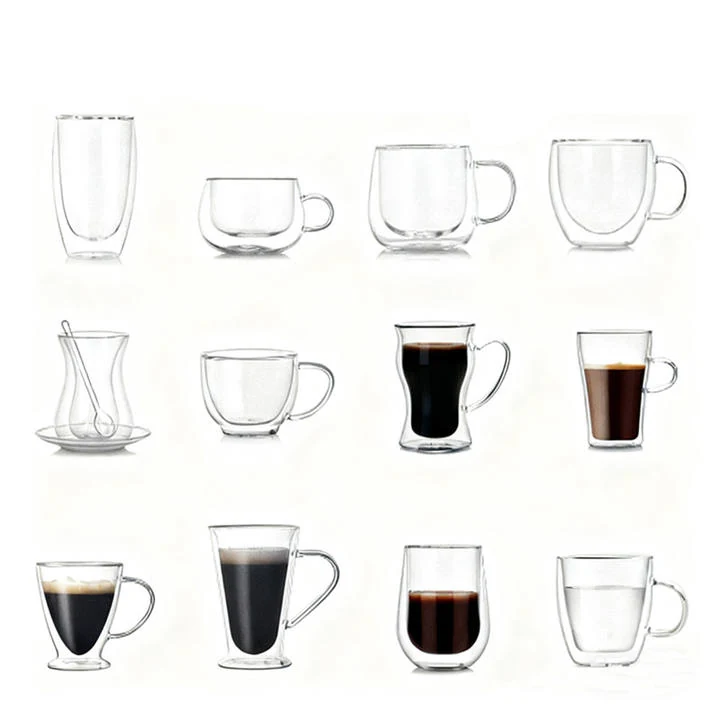
Eswatini Glassworks Ltd., established in 1998, is one of the leading glass manufacturers in Eswatini. Located in the capital city of Mbabane, the company specializes in producing a wide range of glass products, including glass cups, bottles, and jars. With over two decades of experience, Eswatini Glassworks has earned a solid reputation for producing high-quality glassware tailored to both local and regional markets.
Eswatini Glassworks Ltd. offers various glass products, with a strong focus on glass cups designed for use in hospitality, retail, and homes. Their products are recognized for their durability, clarity, and aesthetic appeal, making them popular among local consumers and businesses. The company has invested in modernizing its production processes to meet international quality standards.
The company serves industries such as hospitality, retail, and packaging. Eswatini Glassworks Ltd. is committed to sustainability, using eco-friendly manufacturing practices to reduce environmental impact. They hold ISO certifications, ensuring that their glass products adhere to international standards for quality and sustainability.
Swazi Glass Ltd.
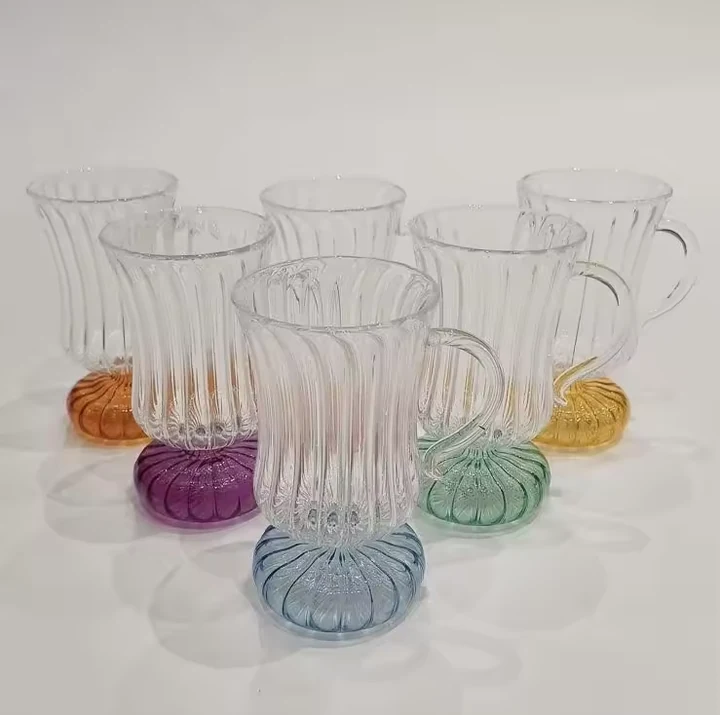
Founded in 2005, Swazi Glass Ltd. is another significant player in Eswatini’s glass manufacturing sector. Based in Matsapha, the company is known for producing glass cups, vases, and decorative glassware. Swazi Glass has built a reputation for offering premium glass products, particularly targeting the upscale hospitality and retail markets.
The company produces a wide range of glass products, with an emphasis on creating glass cups for hotels, restaurants, and cafes. Swazi Glass is renowned for its intricate designs and high-quality glassware, which appeals to customers seeking sophisticated, decorative items. Their products are highly sought after in the local market and beyond.
Swazi Glass Ltd. serves industries including hospitality, retail, and home decor. The company has a strong focus on innovation, constantly developing new designs and improving its production techniques. Swazi Glass also emphasizes customer satisfaction and offers personalized designs for bulk orders. They hold certifications for quality and environmental management, ensuring their products meet international standards.
Southern Africa Glass Co.
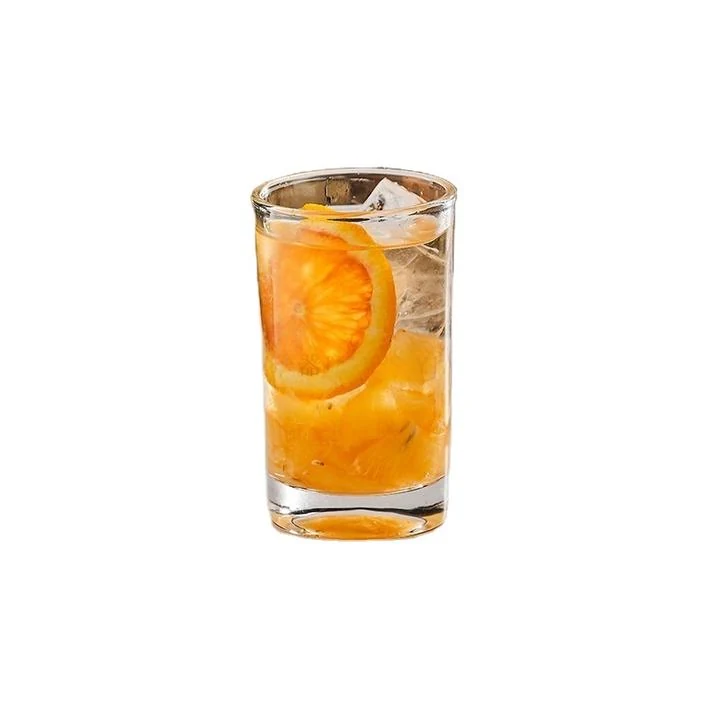
Southern Africa Glass Co., founded in 2012, is a newer but rapidly growing manufacturer based in Eswatini. The company specializes in producing glass cups, containers, and decorative glassware for both local and regional markets. Southern Africa Glass Co. has quickly become a major player in the region, known for its innovative designs and high-quality craftsmanship.
The company produces a variety of glass products, with a particular focus on glass cups. Southern Africa Glass Co. is recognized for blending functionality with modern design, making their products popular in the hospitality sector. Their glass cups are durable, stylish, and come in a range of sizes and designs, suitable for both casual and formal settings.
Southern Africa Glass Co. serves industries such as hospitality, retail, and packaging. The company is committed to adopting sustainable production practices and uses recycled glass to minimize its environmental footprint. Southern Africa Glass Co. has received certifications for quality management, reinforcing its commitment to producing high-quality, eco-friendly glass products.
| Company | Founded | Core Products | Industries | Certifications |
|---|---|---|---|---|
| Eswatini Glassworks Ltd. | 1998 | Glass Cups, Bottles, Jars | Hospitality, Retail, Packaging | ISO 9001, Environmental Certifications |
| Swazi Glass Ltd. | 2005 | Glass Cups, Vases, Decorative Glassware | Hospitality, Retail, Home Decor | ISO 9001, Quality Certifications |
| Southern Africa Glass Co. | 2012 | Glass Cups, Containers, Decorative Glassware | Hospitality, Retail, Packaging | ISO 9001, Environmental Certifications |
Part 3: Trade Shows and Industry Events
Eswatini’s glass manufacturers actively participate in trade shows and industry events that provide opportunities for networking, product promotion, and staying up-to-date with the latest industry trends. These events are essential for growing Eswatini’s glass manufacturing sector and expanding its presence in regional and international markets.
One prominent event is the Southern Africa Glass Expo, which takes place annually in Johannesburg, South Africa. This expo attracts glass manufacturers from across Southern Africa and serves as a major platform for showcasing new products and technologies. Eswatini manufacturers actively participate in this event, using it to expand their network and attract new business opportunities.
Another significant event is the Africa International Trade Fair, which is held in various locations across Africa. This fair is a key platform for businesses to showcase their products and connect with customers from around the continent. Eswatini glass manufacturers use this event to increase their exposure and strengthen relationships with regional clients.
| Event | Date | Location | Highlights |
|---|---|---|---|
| Southern Africa Glass Expo | Annually | Johannesburg, South Africa | Networking, Product Innovation, Regional Trade |
| Africa International Trade Fair | Annually | Various Locations | Pan-African Trade, Business Expansion |
Part 4: Impact of Global Trade Policies
Global trade policies have a significant effect on Eswatini’s glass manufacturing industry. Trade agreements, tariffs, and regulations influence the cost and competitiveness of Eswatini’s glass products in the global market. As a member of the Southern African Customs Union (SACU), Eswatini benefits from free trade agreements with neighboring countries, which helps reduce barriers for local manufacturers.

However, Eswatini’s glass manufacturers face stiff competition from countries with lower production costs. To remain competitive, Eswatini’s manufacturers are focusing on quality and innovation, offering products that meet international standards. Sustainability has also become a key focus, with many manufacturers adopting green practices, such as using recycled glass materials, to appeal to eco-conscious consumers.
Eswatini’s glass manufacturers are also exploring regional trade opportunities. By focusing on local and regional markets, manufacturers can reduce their reliance on imports and mitigate the risks of global supply chain disruptions. The country’s glass industry is looking to expand beyond its borders, tapping into markets in Southern Africa and beyond.
Part 5: Conclusion
The glass manufacturing industry in Eswatini has strong growth potential, driven by increasing demand for high-quality glass products. With a focus on innovation, sustainability, and product quality, local manufacturers are well-positioned to meet the needs of the hospitality, retail, and packaging sectors.
Despite challenges such as rising production costs and competition from international manufacturers, Eswatini’s glass industry remains competitive. As local manufacturers continue to invest in modern production techniques and sustainable practices, the future looks bright for Eswatini’s glass industry, with opportunities for expansion both within Southern Africa and globally.