Skip to content

Part 1: Market Size and Growth
Germany, known for its robust industrial infrastructure and commitment to quality, is home to a well-established glassware industry, particularly in the production of glass cups. Over the years, the demand for glass cups, especially for beverages like coffee, tea, and cocktails, has grown significantly. The country’s rich tradition in glassmaking, combined with modern manufacturing techniques, has positioned Germany as a leader in both the European and global glassware markets.

The glass cup market in Germany is diverse, with products catering to both functional and decorative needs. From everyday drinking glasses to high-end, designer glass cups, manufacturers are catering to a wide range of consumers, including home users, hospitality businesses, and collectors. The demand for high-quality, durable, and aesthetically pleasing glass cups is particularly strong in the hospitality sector, where premium glassware is crucial for creating the right ambiance and customer experience.
With the rise of eco-conscious consumers, there is also a growing demand for sustainable glass products. This trend is encouraging manufacturers to explore new materials, designs, and processes to reduce their environmental footprint while maintaining product quality.
Part 2: Leading Companies
Spiegelau & Nachtmann

Spiegelau & Nachtmann, founded in 1834, is a prestigious glass manufacturer based in Germany, renowned for producing high-quality glassware, including glass cups. The company has a rich history in glass production and is recognized for its craftsmanship, attention to detail, and innovative designs. Spiegelau & Nachtmann is part of the Riedel Group, which further solidifies its reputation in the premium glassware market.
The company produces a wide range of glass cups, including those for wine, beer, and spirits, with a focus on both functionality and elegance. Known for their clarity and durability, Spiegelau & Nachtmann’s products are widely used in the hospitality industry, including high-end hotels, restaurants, and bars. Their glass cups are designed to enhance the drinking experience, offering both aesthetic appeal and excellent performance.
With cutting-edge technology and a commitment to sustainable practices, Spiegelau & Nachtmann has earned numerous certifications for quality and environmental standards. The company continues to innovate in glass design, introducing new products that cater to changing consumer preferences and trends.
Bormioli Rocco
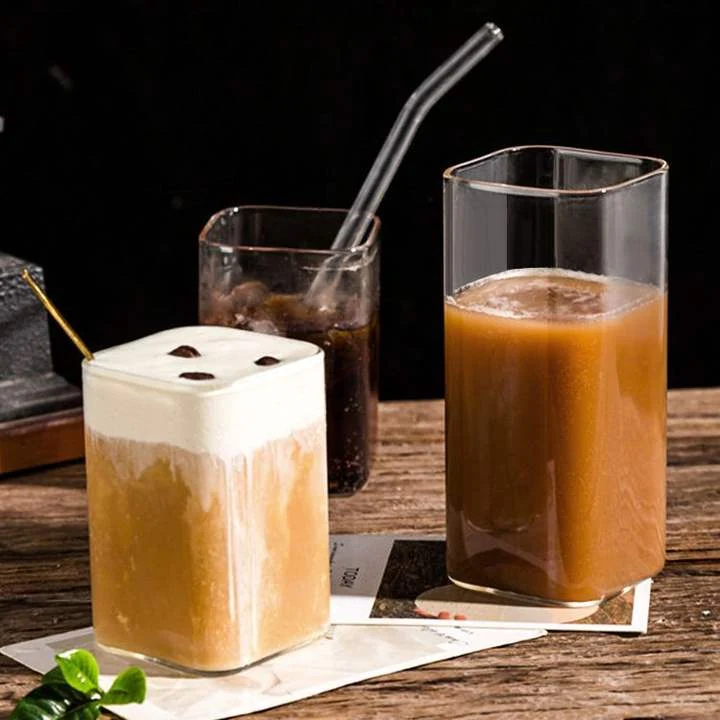
Founded in 1825, Bormioli Rocco is one of Italy’s leading glass manufacturers, with a strong presence in the German market. The company produces a wide variety of glass products, including glass cups for everyday use, catering, and high-end collections. Bormioli Rocco is known for its commitment to quality, design, and innovation, which has earned the brand a reputation for excellence.
Bormioli Rocco offers an extensive range of glass cups, from simple and functional designs to more decorative and luxurious options. The company’s glass cups are used in both the home and professional settings, with a particular focus on glassware for beverages like wine, tea, and coffee. Known for their durability, these products are resistant to scratching and breakage, making them popular in commercial establishments.
The company prioritizes sustainability, using eco-friendly materials and processes in their manufacturing. Bormioli Rocco’s products are certified under international quality and environmental standards, ensuring that their glassware meets the highest expectations in terms of performance and eco-conscious production.
Schott Zwiesel
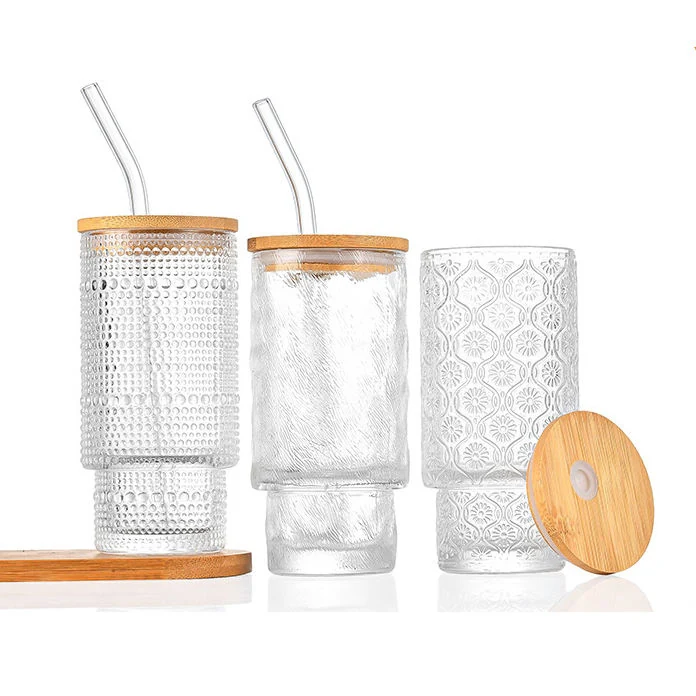
Schott Zwiesel, established in 1872, is another leading German manufacturer of premium glassware, with a focus on high-quality glass cups. Based in the Bavarian region, Schott Zwiesel is renowned for its innovative approach to glassmaking, creating products that are both durable and aesthetically pleasing. The brand is particularly known for its use of Tritan® crystal glass, which enhances the clarity, strength, and resistance of their glassware.
Schott Zwiesel offers an extensive collection of glass cups for both commercial and domestic use, including wine glasses, coffee cups, and cocktail glasses. Their products are highly sought after in the hospitality industry, where durability and design are equally important. Schott Zwiesel's glass cups are made to withstand the rigors of commercial use while maintaining a sophisticated, elegant appearance.
The company has a strong commitment to sustainability and environmental responsibility, focusing on energy-efficient production and the use of recycled materials. Schott Zwiesel’s glassware is certified for quality and safety, and their products are regularly featured in global design competitions for their innovative designs.
| Company | Founded | Core Products | Industries | Certifications |
|---|---|---|---|---|
| Spiegelau & Nachtmann | 1834 | Glass cups, wine glasses, beer glasses | Hospitality, retail, catering | ISO, Environmental Certifications |
| Bormioli Rocco | 1825 | Glass cups, beverage glasses, home glassware | Home use, hospitality, catering | ISO, Environmental Certifications |
| Schott Zwiesel | 1872 | Glass cups, wine glasses, coffee cups | Hospitality, retail, catering | ISO, Environmental Certifications |
Part 3: Trade Shows and Industry Events
Ambiente Frankfurt
Ambiente Frankfurt is one of the most important trade fairs for consumer goods and glassware in the world. Held annually in Frankfurt, Germany, this event brings together manufacturers, designers, and suppliers from around the globe. It’s a key platform for showcasing innovations in glassware, including glass cups, and serves as an opportunity for businesses to network and explore new market trends.
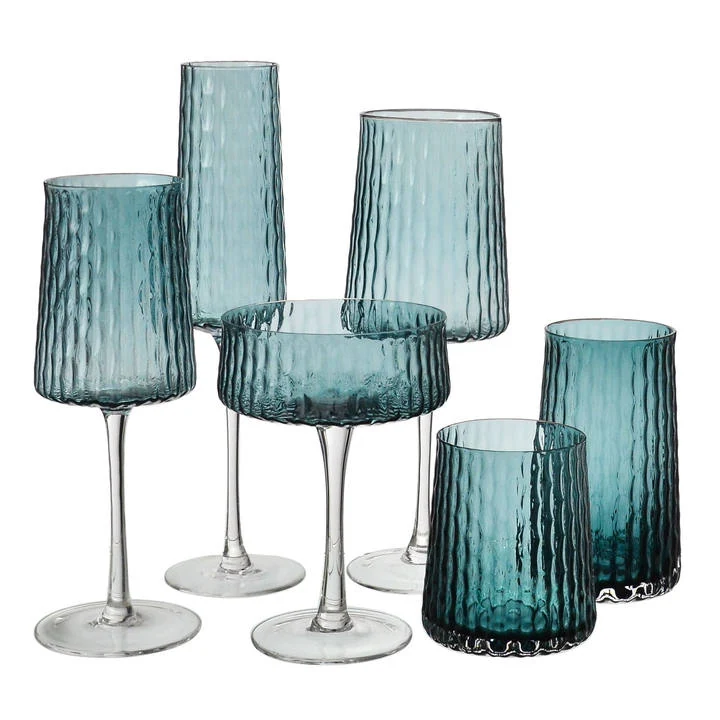
Ambiente Frankfurt features thousands of exhibitors across various industries, including glassware, home goods, and kitchenware. It’s an ideal event for manufacturers to showcase their latest products and designs, meet with retailers, and secure new business partnerships. The fair also includes conferences and workshops, providing valuable insights into market trends, sustainability, and design innovation.
For companies involved in glass cup production, Ambiente Frankfurt is an essential event to connect with global buyers and stay ahead of industry developments. The focus on innovation and sustainability has made it a must-attend event for anyone in the glassware manufacturing sector.
Glasstec Düsseldorf
Glasstec Düsseldorf is one of the world’s leading trade fairs for the glass industry, held biennially in Düsseldorf, Germany. The event covers a wide range of glass-related products, from industrial glass to consumer glassware, including glass cups. Glasstec serves as a comprehensive platform for manufacturers, suppliers, and professionals in the glass industry to showcase their latest products, technologies, and innovations.
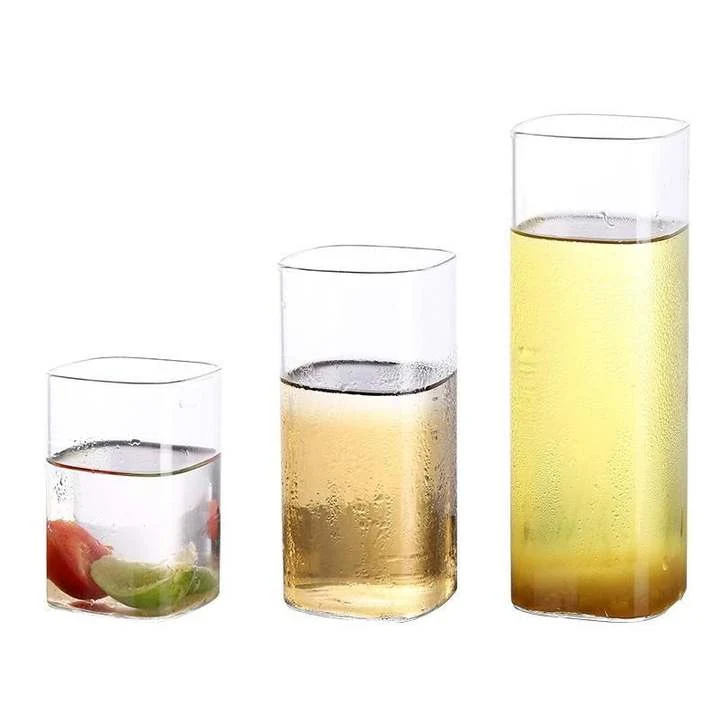
At Glasstec, glass manufacturers can explore the latest developments in glass production, such as new materials, manufacturing technologies, and design trends. The event is an excellent opportunity for networking, business development, and staying up-to-date with global trends in the glass industry. For companies producing glass cups, Glasstec provides a unique opportunity to meet potential clients and showcase their products to an international audience.
| Event | Date | Location | Highlights |
|---|---|---|---|
| Ambiente Frankfurt | February 2026 | Frankfurt, Germany | Global glassware trends, sustainable designs |
| Glasstec Düsseldorf | October 2026 | Düsseldorf, Germany | Glass innovations, technology, business networking |
Part 4: Impact of Global Trade Policies
The glassware industry in Germany, including the production of glass cups, is influenced by various global trade policies. As Germany is part of the European Union, the country benefits from trade agreements that allow manufacturers to export glass products with reduced tariffs and easier access to other European markets. However, trade disputes, tariffs, and changes in international regulations can pose challenges to the global supply chain and affect the cost of raw materials.

With the increasing importance of sustainability in global trade policies, German glass cup manufacturers are adapting by focusing on eco-friendly production methods. Many companies are investing in energy-efficient technologies and utilizing recycled materials to meet the growing demand for sustainable products. These efforts align with global shifts toward reducing the environmental impact of manufacturing and increasing the use of circular economy practices.
Despite the challenges posed by trade policies, Germany’s strong reputation for high-quality manufacturing and innovation continues to position its glassware industry as a leader in the global market. The ability to adapt to changing regulations and consumer preferences will be key for German manufacturers to maintain their competitive edge.
Part 5: Conclusion
Germany’s glassware industry, particularly the production of glass cups, is poised for continued growth, driven by demand from both domestic and international markets. As the market for glass cups continues to diversify, manufacturers are responding with innovative designs, sustainable practices, and high-quality production processes.
The future of the industry will depend on manufacturers’ ability to adapt to global trade changes, maintain their commitment to sustainability, and continue to innovate in response to consumer trends. By focusing on quality, design, and environmental responsibility, German glass cup manufacturers are well-positioned to remain at the forefront of the global glassware market.