Skip to content
Part 1: Market Size and Growth
The glass cup manufacturing sector in Hungary has a long and proud history. Today, the industry blends traditional craftsmanship with modern industrial automation. European demand for sustainable packaging and high-quality table glass keeps the factories busy. Local producers are focusing more on export markets to stay competitive.
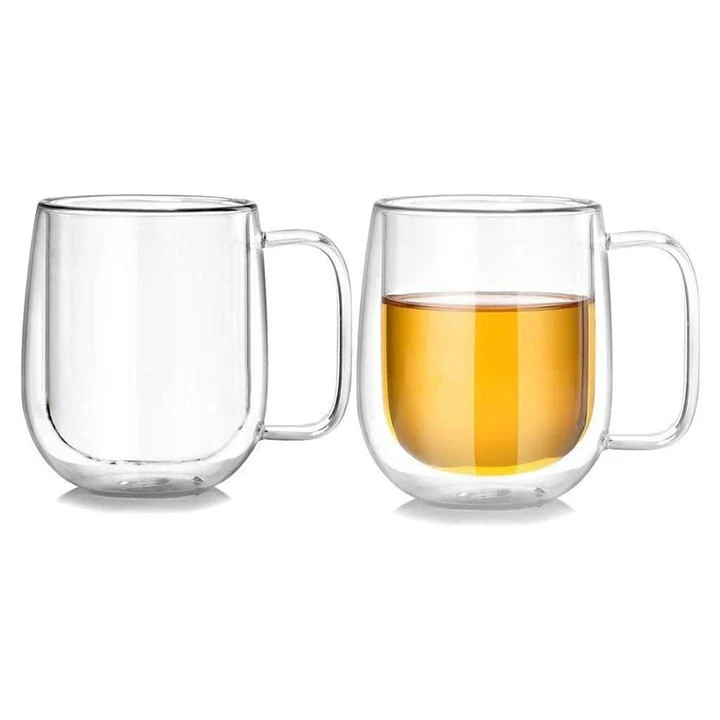
The market size for glass products in Hungary has shown steady growth over the last decade. This growth is driven by the hospitality sector and the increasing popularity of premium drinkware. Many factories now produce specialized items like wine glasses and coffee cups for international brands. The shift away from plastic has created a massive opportunity for glass manufacturers here.
The Hungarian government provides support for industrial upgrades and energy-efficient manufacturing. Many factories are located in specific industrial clusters which makes logistics and material sourcing much easier. Foreign investment in the automotive and chemical sectors also helps the glass industry by improving overall infrastructure. These factors create a very stable environment for long-term business partnerships.
Part 2: Leading Companies
Ajka Crystal
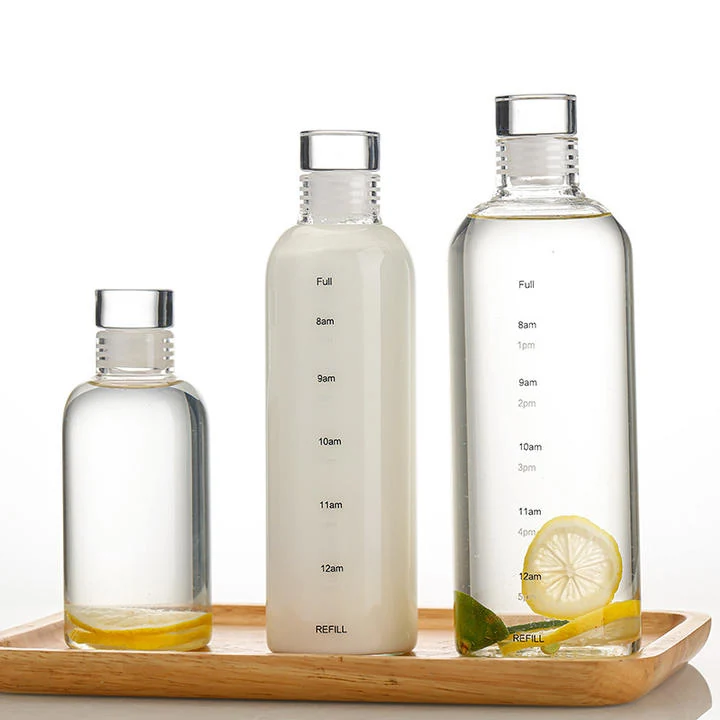
Ajka Crystal is one of the most famous names in the Hungarian glass world. The company started its journey in 1878 in the town of Ajka. It is well-known for producing high-end, hand-cut crystal products that are sold all over the world. They focus on keeping traditional glass-blowing techniques alive while meeting modern design standards.
Their product range includes exquisite wine glasses, tumblers, and decorative bowls. They also offer unique gift sets and trophies for corporate clients. Every piece is treated as a work of art with incredible attention to detail. This makes them a top choice for luxury brands and high-end retailers.
The company serves the luxury hospitality market and the high-end retail sector. Many famous hotels and royal families use their glassware for special events. They have a strong reputation for quality in North America and Western Europe. Their ability to customize products for niche markets is a major strength.
Innovation at Ajka involves combining old-world aesthetics with new chemical formulas for lead-free crystal. They are working hard to make their production more environmentally friendly. The company holds several ISO certifications and has won numerous design awards. Their commitment to excellence has kept them at the top of the industry for over a century.
Guardian Glass Orosháza
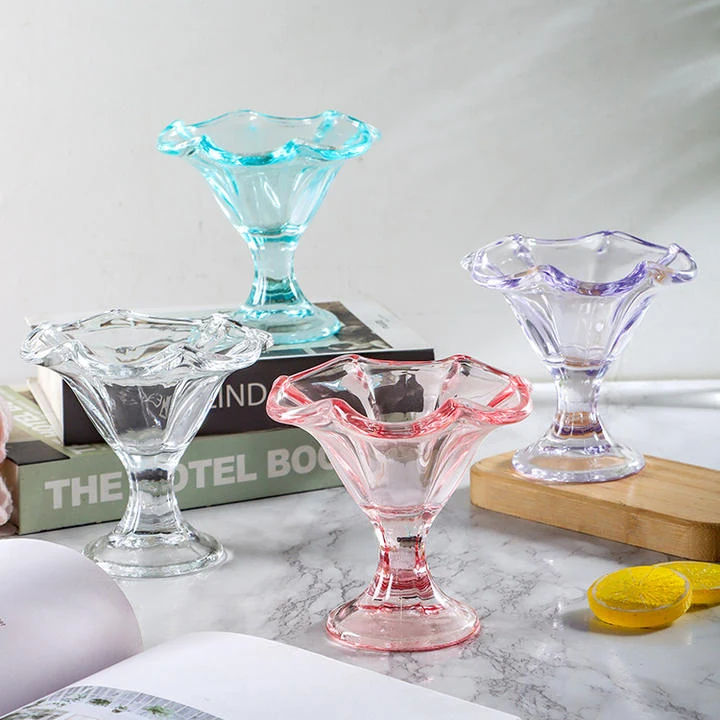
Guardian Glass operates a major facility in Orosháza, Hungary. While they are a global giant, their Hungarian plant is a key hub for European distribution. The facility uses advanced float glass technology to create various glass products. They have been a significant part of the local economy for many years.
They produce a wide variety of glass types, including coated glass and tempered glass. While they are famous for architectural glass, they also supply raw materials for processed glassware. Their technology allows for high-speed production with very few defects. This reliability makes them a preferred supplier for large-scale industrial projects.
This company primarily serves the construction, automotive, and appliance industries. However, their glass components often find their way into consumer products like oven doors and shelving. They work closely with global supply chains to ensure timely delivery. Their scale allows them to offer very competitive pricing on bulk orders.
The Orosháza plant is a leader in energy-efficient glass coating technology. They invest heavily in R&D to reduce the carbon footprint of their manufacturing process. The site is certified under international quality and environmental management standards. They continue to set the benchmark for technical performance in the glass industry.
Halaspack
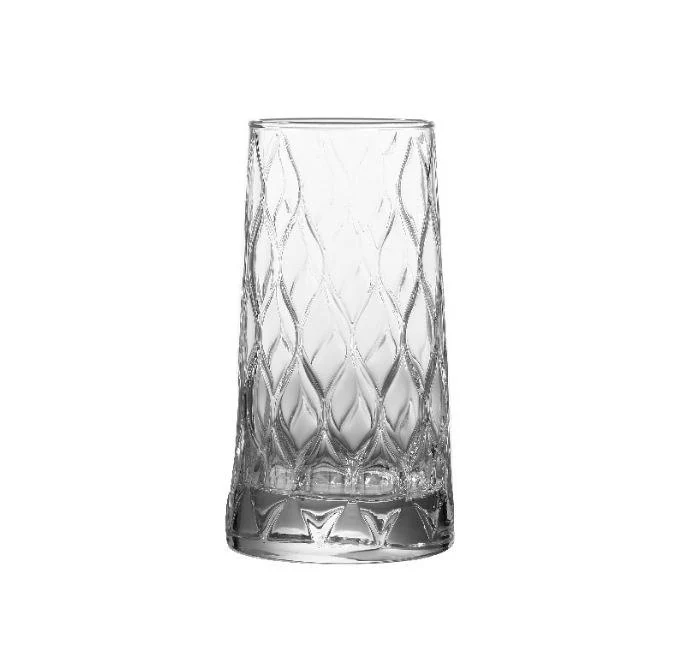
Halaspack has built a strong reputation in the specialty glass and packaging sector. Based in Kiskunhalas, the company focuses on functional glass solutions for various markets. They have a history of adapting to market changes and adopting new technologies quickly. Their focus is on providing practical and durable glass items for everyday use.
Their product line features a mix of glass containers, jars, and drinking vessels. They are particularly good at producing glass for the food and beverage industry. They offer various closure systems and customization options for their glass jars. This flexibility is great for small and medium-sized businesses.
They mainly serve the food processing and beverage industries across Central Europe. Many local honey, jam, and spirit producers rely on their packaging. They also export to neighboring countries like Austria and Romania. Their customer service is known for being direct and very helpful.
Technically, Halaspack focuses on improving the durability and weight of their glass products. They use modern inspection systems to ensure every item meets safety standards. They hold all necessary food-grade certifications required for the European market. Their focus on reliability makes them a solid partner for long-term supply needs.
Company Comparison Table
| Company | Founded | Core Products | Industries | Certifications |
|---|---|---|---|---|
| Ajka Crystal | 1878 | Luxury Crystal Glass | Luxury Retail/Hotels | ISO 9001, Design Awards |
| Guardian Glass | 1991 (HU) | Float/Coated Glass | Construction/Appliance | ISO 14001, CE Mark |
| Halaspack | 1960s | Glass Jars/Drinking Glass | Food & Beverage | Food Grade Safety, ISO |
Part 3: Trade Shows and Industry Events
Sirha Budapest
Sirha Budapest is the most important trade show for the hotel, restaurant, and catering industry in Hungary. It brings together professionals from all over Central Europe to see the latest trends. Glassware manufacturers often use this event to showcase their new designs to chefs and hotel managers. It is a great place to see how glass cups and plates look in a real dining setting.
The event usually takes place every two years at the HUNGEXPO Budapest Congress and Exhibition Center. Thousands of visitors attend to meet suppliers and discover new products. It is a very busy event with many live demonstrations and competitions. For a buyer, it is the best time to compare different glassware brands in one place.
The highlights of the show include the Bocuse d'Or Hungarian final and various pastry competitions. These events show how high-quality glass can enhance the presentation of fine food and drinks. There are also many seminars about the future of the hospitality industry. Networking here often leads to long-term contracts between manufacturers and large hotel chains.
Construma
Construma is the largest construction and interior design trade fair in Hungary. While it covers many topics, the design section is perfect for finding home glassware and decorative glass. Many local glass artists and industrial manufacturers show their latest collections here. It attracts both professional buyers and individual homeowners looking for quality items.
The fair happens annually in the spring at the Budapest fairgrounds. It features hundreds of exhibitors from many different countries. The atmosphere is professional but also very creative. You can find everything from industrial glass blocks to delicate hand-blown drinking glasses.
The main highlight is the focus on sustainable and eco-friendly home products. Many glass manufacturers show how their products are better for the environment than plastic alternatives. There are also sections dedicated to smart home technology and modern interior styles. It is a perfect place to spot new trends in glass cup shapes and colors.

Event Summary Table
| Event | Date | Location | Highlights |
|---|---|---|---|
| Sirha Budapest | Biennial (Feb) | Budapest | HORECA trends, live culinary shows |
| Construma | Annual (April) | Budapest | Interior design, sustainable glass |
Part 4: Impact of Global Trade Policies
Global trade policies have a direct impact on how Hungarian glass factories operate. New regulations regarding carbon emissions are forcing many companies to update their furnaces. This requires a lot of capital but makes the industry more sustainable in the long run. Trade agreements within the European Union allow Hungarian glass to move easily across borders without extra taxes.
The push for local sourcing is also changing the supply chain. Many European buyers now prefer to buy from Hungary instead of Asia to avoid high shipping costs and delays. This "near-shoring" trend is a huge benefit for Hungarian manufacturers. However, they must still compete with lower prices from other regions by offering better quality and faster delivery.
International competition is tough, but it also brings opportunities for innovation. Hungarian companies are specializing in high-value products to differentiate themselves. There is a growing demand for "Made in Europe" products in markets like the USA and Japan. By focusing on quality and unique designs, Hungarian glass cup manufacturers can continue to grow their global market share.
Part 5: Conclusion
The future of the glass cup industry in Hungary looks very bright. The combination of historical expertise and modern technology provides a strong foundation for growth. As more consumers choose glass over plastic, the demand for drinking vessels will only increase. Companies that invest in design and green manufacturing will lead the market.
However, there are still challenges like rising energy costs and labor shortages. Glass production requires a lot of heat, so fluctuating gas prices can affect the final cost of products. Manufacturers need to keep finding ways to be more efficient to stay competitive. Despite these risks, the high quality and central location of Hungary make it a key player in the global glass market.