Skip to content
Part 1: Market Size and Growth
The glassware industry in Ireland, particularly glass cups, has seen steady growth in recent years. With the increasing demand for high-quality and custom-made glass products, manufacturers have been catering to both domestic and international markets. This trend has been driven by consumer preferences for elegance, practicality, and sustainability.
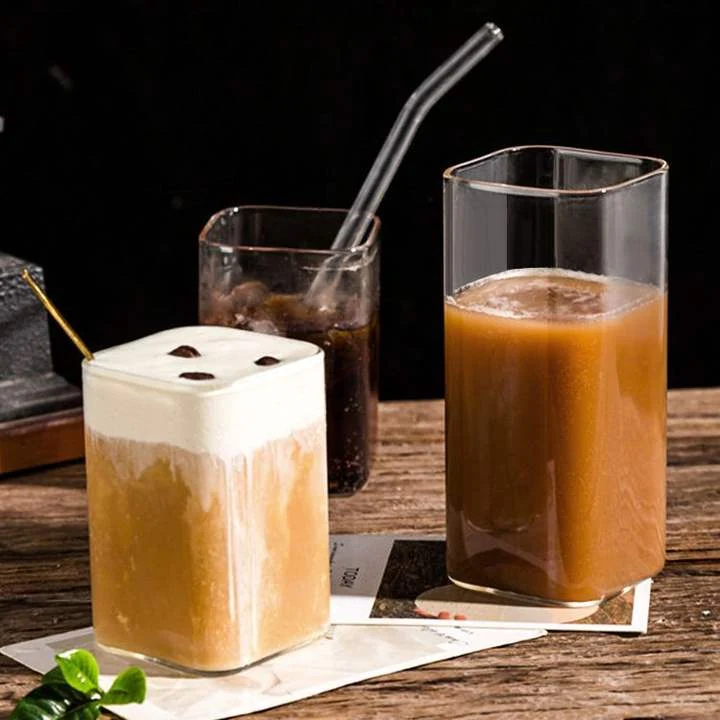
The market for glass cups in Ireland has expanded significantly. The popularity of glass in the beverage industry, along with its aesthetic appeal, makes it a preferred material. From high-end luxury products to everyday glassware, there is a wide range of applications that span hospitality, home use, and industrial sectors. The rise in café culture, along with a growing trend for personalized and eco-friendly products, has further fueled this market's growth.
The glassware sector is not just about meeting current consumer demand but also about positioning itself within a competitive global market. Government policies promoting sustainable production, as well as the rise in international trade agreements, are further shaping the dynamics of the industry. Ireland's focus on high-quality production and innovative designs is becoming an asset in global trade.
Part 2: Leading Companies
Waterford Crystal
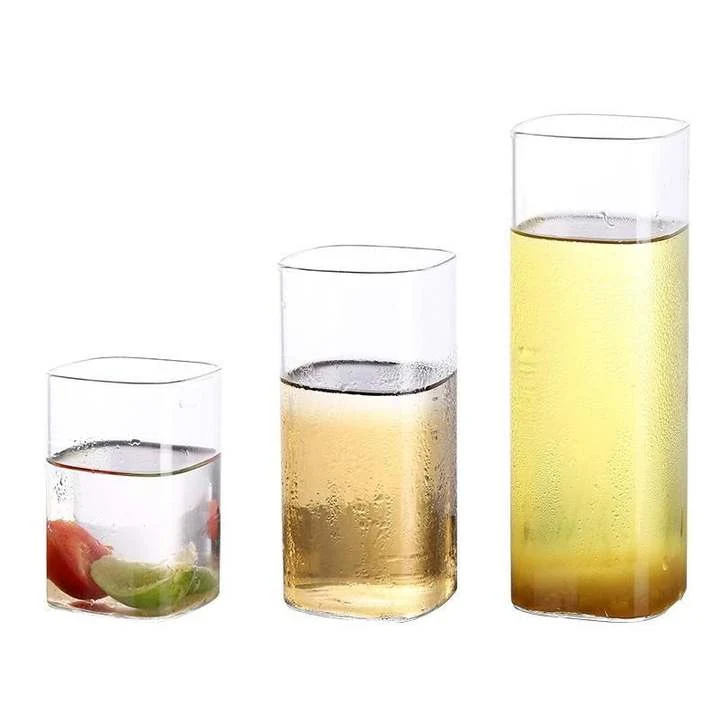
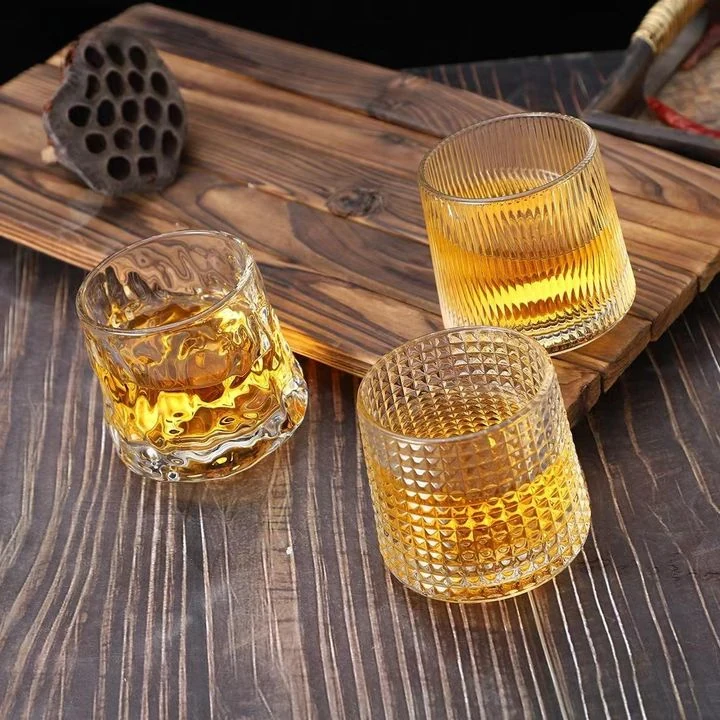
Waterford Crystal is one of the most iconic names in the glass industry, renowned for its exquisite craftsmanship. Founded in 1783 in Waterford, Ireland, the company has a rich history in producing luxury crystal products. Over the years, they have become synonymous with high-end glassware.
Waterford Crystal specializes in producing crystal glass cups, goblets, and other luxury glassware products. Their designs often blend tradition with contemporary aesthetics, making them a favorite among collectors and high-end hospitality brands. The company’s range includes both ready-made collections and custom-designed pieces.
Main industries served: luxury hospitality, retail, and collectibles. Waterford is also a major player in the global market, exporting to countries across the world.
Innovation: The company is known for using advanced techniques in crystal cutting and glass formation, ensuring each piece is a work of art.
Certifications: Waterford products are recognized for their premium quality and are frequently featured in prestigious global events.
Tullamore Glass

Founded in 1960, Tullamore Glass is a key manufacturer based in Tullamore, County Offaly. The company has steadily grown to become a respected name in the glassware industry, known for both its aesthetic appeal and functionality.
Tullamore Glass specializes in the production of a wide range of glass products, including glass cups for both the domestic and commercial sectors. Their focus is on creating high-quality glassware that is both durable and elegantly designed. They also offer custom glassware solutions for businesses looking to incorporate unique designs into their product lines.
Main industries served: hospitality, retail, custom giftware, and corporate gifts.
Innovation: Tullamore Glass uses a combination of traditional and modern glassmaking techniques to ensure that each product meets high standards of both durability and design.
Certifications: The company holds multiple certifications ensuring that its products meet global safety and quality standards.
Galway Crystal
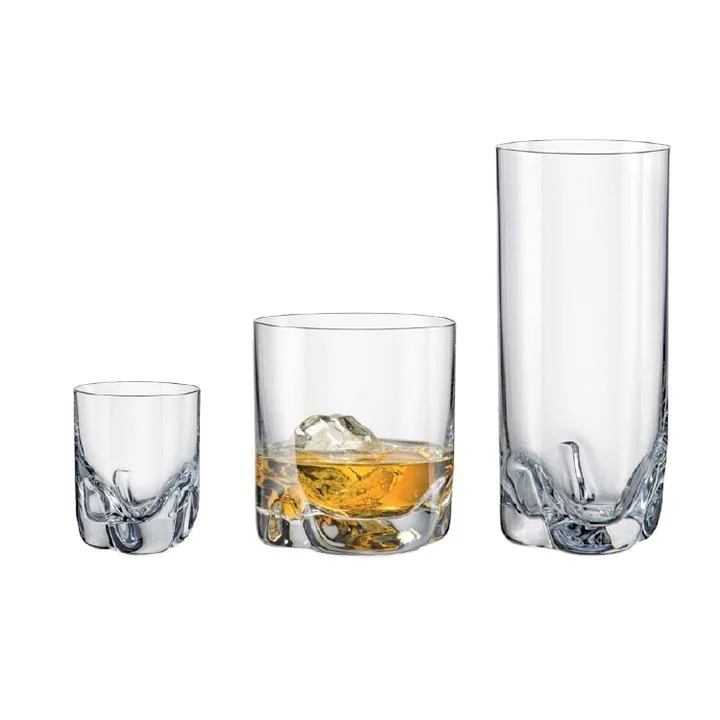
Galway Crystal is a well-established company with a long history, founded in 1956 in Galway, Ireland. The company is renowned for its luxury glassware and crystal products, making it one of the top players in the glassware industry.
Galway Crystal is famous for producing premium crystal glass cups, including tea cups and wine glasses. The brand combines traditional craftsmanship with modern techniques, delivering both practical and decorative products. Their products are often used in high-end dining settings and are favored for gifts and special occasions.
Main industries served: luxury retail, hospitality, and gifting.
Innovation: Galway Crystal is known for its distinctive crystal cutting techniques, ensuring that every product is both a piece of functional art and a timeless collectible.
Certifications: The company maintains a reputation for quality and holds certifications that affirm the premium nature of its glass products.
| Company | Founded | Core Products | Industries | Certifications |
|---|---|---|---|---|
| Waterford Crystal | 1783 | Crystal cups, goblets, and more | Luxury hospitality, retail | Premium quality, global recognition |
| Tullamore Glass | 1960 | Glass cups, custom glassware | Hospitality, custom gifts | Global safety standards |
| Galway Crystal | 1956 | Crystal glass cups, tea sets | Luxury retail, gifting | High-quality craftsmanship |
Part 3: Trade Shows and Industry Events
One key event that plays a significant role in the glass industry is the London Design Festival. This event gathers creative minds from all over the world, providing a platform for companies like Waterford Crystal and Galway Crystal to showcase their latest designs. The festival offers designers and manufacturers an opportunity to present new trends and innovation in glassware.
Date & Location: September, London, UK
Highlights: The festival includes exhibitions, panel discussions, and live demonstrations, offering valuable insights into the evolving world of design, including in glassware. Major brands often unveil new product lines or collaborate with designers to bring fresh ideas into the market.
Another major event is the Ambiente Trade Fair in Frankfurt, Germany. Known for its broad scope of consumer goods, this event showcases the best of European glassware manufacturing, including brands like Tullamore Glass. Ambiente serves as a meeting point for suppliers, manufacturers, and retailers looking to strike business deals or learn about market trends.
Date & Location: February, Frankfurt, Germany
Highlights: With thousands of exhibitors, Ambiente covers a wide array of consumer goods, including tableware, glassware, and home decor. Companies take this opportunity to network and highlight new innovations to a global audience.
| Event | Date | Location | Highlights |
|---|---|---|---|
| London Design Festival | September | London, UK | Exhibitions, panel talks, live demos |
| Ambiente Trade Fair | February | Frankfurt, Germany | Global networking, new products unveiled |
Part 4: Impact of Global Trade Policies
Global trade policies and agreements have had a significant impact on the glassware industry. Tariffs, import/export regulations, and trade wars can influence the cost of production and the availability of raw materials. For example, the ongoing US-China trade tensions have created uncertainty in the supply chains for glass products, especially those manufactured in China and exported globally.

Local substitutes and alternative suppliers have become increasingly important. With global supply chains disrupted, many businesses are now considering sourcing their glass products from regions outside traditional suppliers. This shift has increased the focus on local production in regions like Europe, including Ireland, which benefits from its proximity to both UK and EU markets.
Furthermore, international competition continues to shape the future of the industry. While global competitors push for lower prices and faster production times, Irish companies like Waterford and Galway continue to stand out with high-quality craftsmanship and innovative designs. Trade policies play a crucial role in shaping this dynamic, as they dictate how Irish manufacturers can access international markets and manage costs.
Part 5: Conclusion
The future of the glass cup manufacturing industry in Ireland is full of opportunity. With global trade becoming more interconnected and demand for high-quality products rising, Ireland is well-positioned to meet the needs of both local and international customers. Companies focusing on sustainable and innovative glassware will have the chance to grow, reaching consumers across the globe.
However, challenges remain. Trade policies, fluctuating raw material costs, and international competition pose risks to growth. Irish manufacturers will need to continue innovating and diversifying their offerings to stay competitive. Companies that can adapt to changing market demands while maintaining high-quality production standards will have the best chances of long-term success.