Skip to content
Part 1: Market Size and Growth
Italy has one of the richest traditions in glassmaking in the world, rooted in centuries‑old craftsmanship and vibrant local industry. The country’s reputation for high‑quality glassware began in medieval times and continues today, with glass cups and drinkware representing both daily table essentials and luxury design objects. The Italian glass cup market blends artisanal production with modern manufacturing, drawing demand from domestic buyers, hospitality brands and international exports.
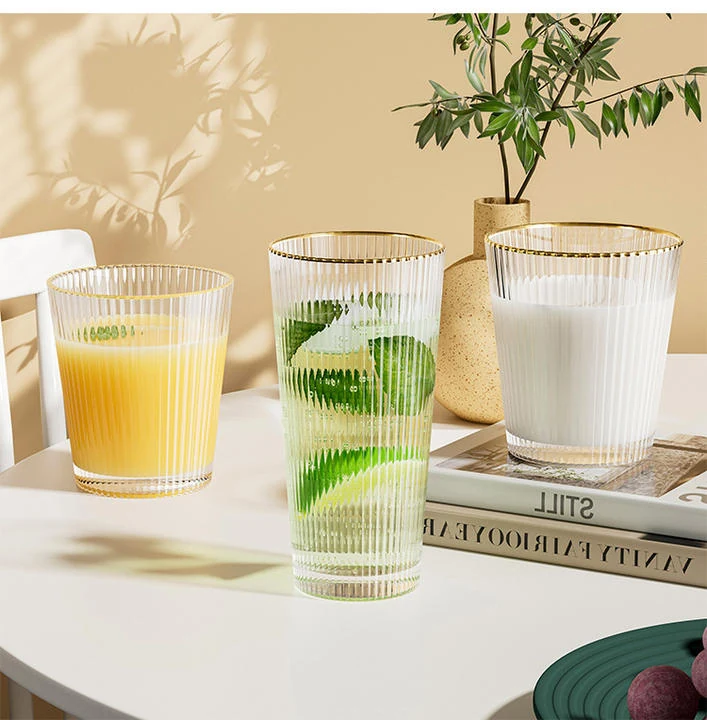
The market for glass cups in Italy spans multiple segments, from everyday drinking glasses to premium artisanal creations that command global attention. Everyday drinkware is produced by industrial manufacturers who focus on functionality and volume, while artists and boutique makers produce hand‑blown cups prized for aesthetics. Italian glass cups are used in homes, bars, restaurants, hotels and corporate gifting, showing a broad range of applications. The presence of iconic Italian design also boosts sales internationally, as Italian glass pieces are often seen as stylish and collectible.
Government support for artisanal crafts and export incentives have helped Italy maintain its glass industry even as global competition rises. Policies that promote “Made in Italy” craftsmanship, along with investment in regional clusters such as Murano and Tuscany, strengthen the sector’s visibility. At the same time, competition from cheaper mass‑produced glassware and rising raw material costs present ongoing challenges for Italian manufacturers. Modern design trends and sustainability initiatives are increasingly shaping how companies innovate and position products both at home and abroad. These trends help Italian glass cup makers differentiate themselves in a crowded global market.
Part 2: Leading Companies
Bormioli Rocco
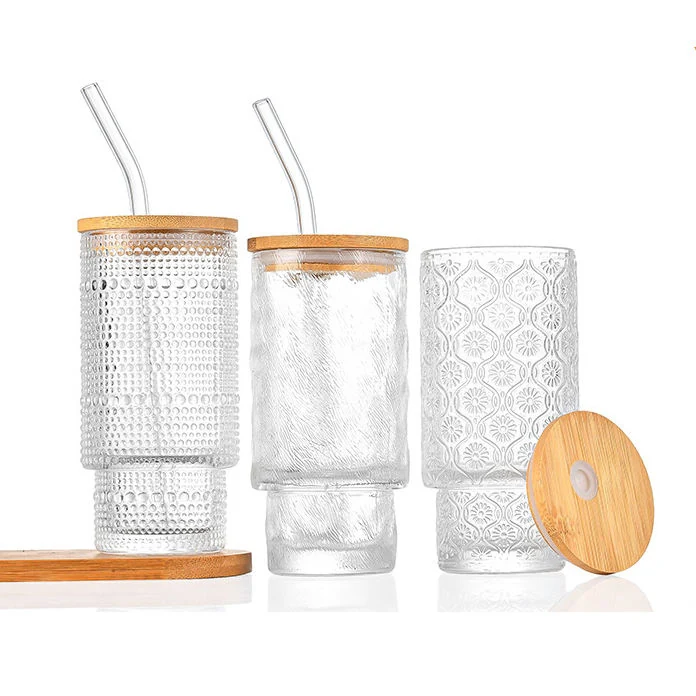
Bormioli Rocco is one of Italy’s oldest and most established glass producers, with roots going back to 1825 in Fidenza, in the Emilia‑Romagna region. The company has grown to become a global leader in drinkware, offering a wide portfolio that includes everyday glass cups, tumblers, wine glasses and specialty pieces. Bormioli Rocco blends centuries‑old tradition with modern manufacturing techniques, supporting both high‑volume industrial production and design‑focused offerings.
The company’s products are known for reliability and quality, making them a common choice for household use, cafes and restaurants worldwide. Their range of glass cups covers basic water glasses, cocktail tumblers, and professional drinkware for hospitality clients. Bormioli Rocco also collaborates with designers to introduce stylish collections, balancing aesthetics with durability.
Bormioli Rocco serves sectors including food service, retail and hospitality, with distribution throughout Europe, North America and Asia. The brand holds certifications for quality and environmental compliance, and it invests in sustainable production practices. Its long heritage and broad market reach make it a cornerstone of the Italian glass cup industry.
RCR Cristalleria Italiana
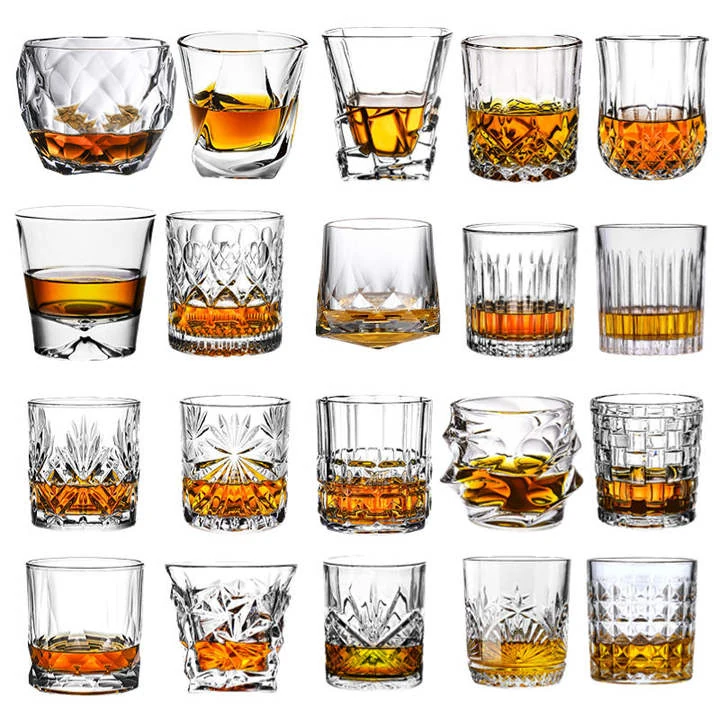
RCR Cristalleria Italiana was founded in 1967 in the heart of Tuscany, where glass production has deep historical roots. The company is renowned for its luxury glassware, including crystal glass cups that combine technical precision with artistic design. RCR’s patented Luxion glass is 100% recyclable and offers superior sound and brilliance, positioning the brand as both an aesthetic and sustainable choice in premium drinkware.
RCR’s craftsmanship extends to a broad range of glass cups, from finely detailed water glasses to elegant glasses suited for wine and cocktails. The brand is recognized for innovative production techniques that emphasize clarity, strength and polished finishes. Their products are popular with upscale restaurants, boutique hotels and design‑conscious consumers worldwide.
The company’s reputation is built on quality certifications and international design awards, reflecting its commitment to excellence. RCR’s glass cups serve both commercial and luxury markets, and their export footprint continues to grow as demand for Italian crystal drinkware rises. The firm also incorporates eco‑friendly practices in its manufacturing processes.
IVV Glassware
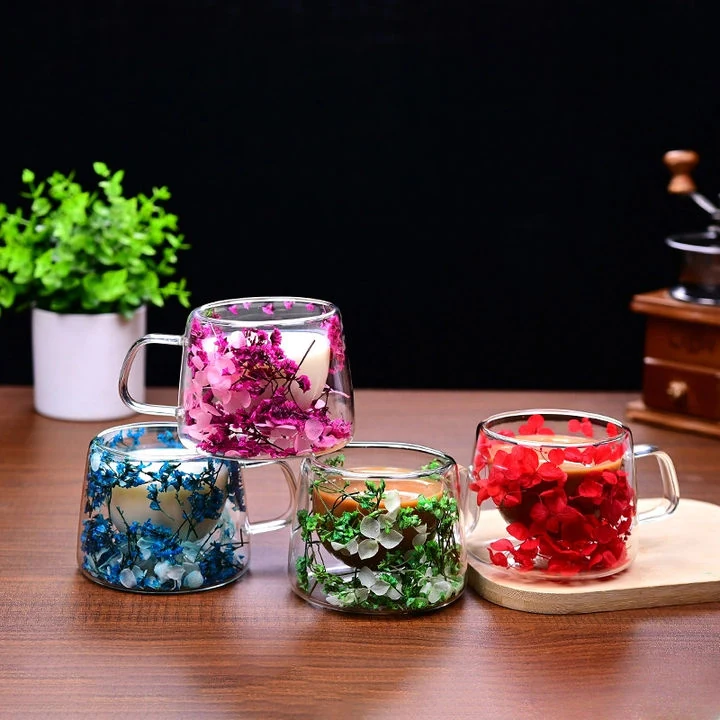
IVV Glassware is an internationally recognized Italian brand known for glass products that combine timeless design with everyday functionality. Originating in Italy’s storied drinkware tradition, IVV produces a range of drinkware including glass cups, carafes, and tumblers that appeal to both residential and commercial customers. The brand focuses on elegant shapes, subtle colors and durable forms suitable for hospitality and home use.
IVV’s glass cups are appreciated by chefs, restaurateurs and interior designers for their ability to elevate table presentations. The company maintains a commitment to sustainability, and many of its products are recyclable and produced with environmentally conscious methods. Their glass cups are used in mid‑tier to premium foodservice environments, as well as in modern households where design matters.
The firm’s emphasis on form and function has earned IVV a loyal following, particularly among global buyers seeking Italian design and quality. Its products bridge the gap between daily utility and refined aesthetics, serving both the hospitality industry and design markets.
| Company | Founded | Core Products | Industries | Certifications / Highlights |
|---|---|---|---|---|
| Bormioli Rocco | 1825 | Drinking glasses, tumblers | Hospitality, retail, home | Quality & sustainability programs |
| RCR Cristalleria Italiana | 1967 | Crystal glassware, cups | Luxury hospitality & retail | Luxion glass, recyclable, design awards |
| IVV Glassware | N/A | Glass cups, carafes, tumblers | Home & hospitality | Elegant design, eco‑friendly focus |
Part 3: Trade Shows and Industry Events
Host Milano
Host Milano is one of the largest hospitality and food service trade shows in Italy, held every two years in Milan. This global event brings together manufacturers, designers and buyers from all over the world to explore trends in hospitality products, including glassware and drinkware. At Host Milano, glass cup makers showcase new designs, manufacturing technologies and business collaborations. Participation attracts hospitality professionals, restaurant owners and international buyers looking for premium Italian drinkware.
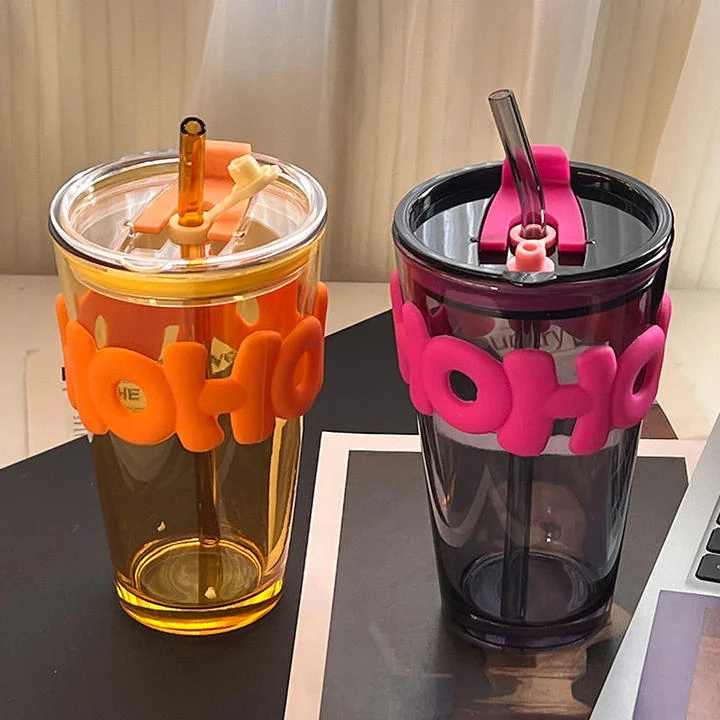
The event features hundreds of exhibitors and draws thousands of attendees seeking the latest in food service innovation. For glass cup manufacturers, it’s a chance to present products to global decision‑makers and form strategic partnerships. It also highlights sustainability and design trends that influence the future of drinkware production. The show promotes knowledge exchange via seminars and industry discussions.
Salone del Mobile – Glassware Section
Salone del Mobile in Milan is the world’s premier furniture and design fair, and its glassware and tableware sections attract attention from the international design community. This event brings glass drinkware into the spotlight as part of lifestyle and home trends. Glass cup manufacturers use the platform to display crafted pieces that blend design innovation with functional excellence.
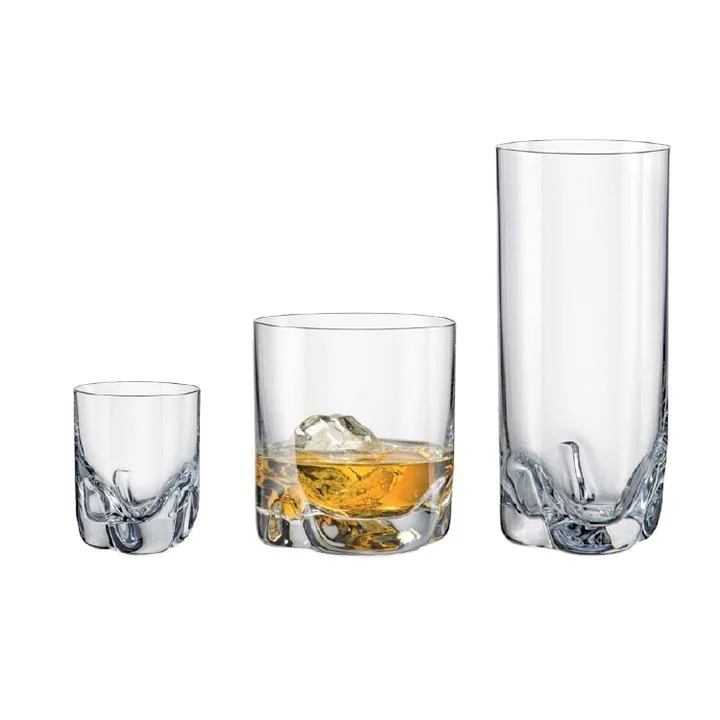
Design firms, artists and traditional glassmakers alike participate, uniting craft with contemporary design. Attendees include interior designers, manufacturers and global buyers looking for high‑end glass products. Salone del Mobile stimulates dialogue between heritage producers and modern design sensibilities. It also often features keynote presentations on material innovation, sustainability and market evolution in home goods.
| Event | Date | Location | Highlights |
|---|---|---|---|
| Host Milano | October 2026 | Milan, Italy | Hospitality drinkware showcases, global buyers |
| Salone del Mobile | April 2026 | Milan, Italy | Design‑led glassware exhibits, trend insights |
Part 4: Impact of Global Trade Policies
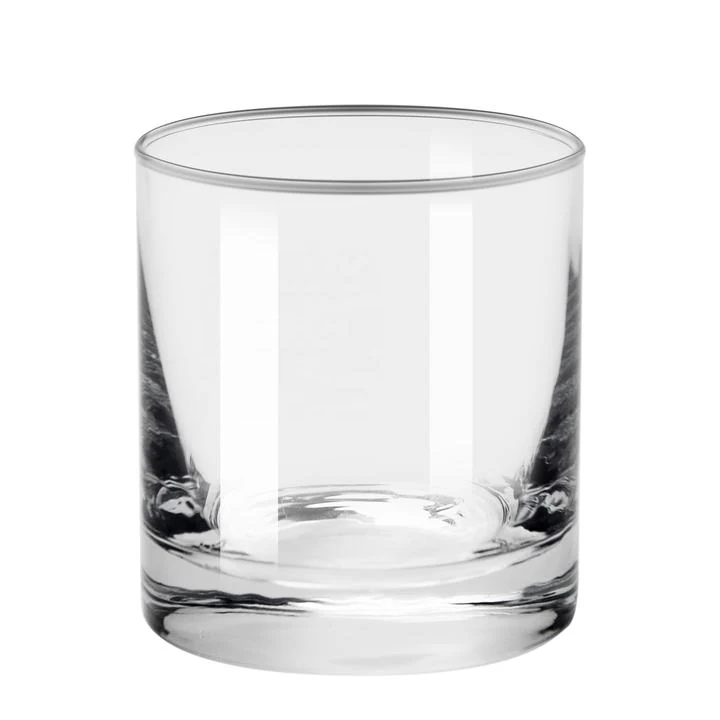
Global trade policies shape the environment in which Italian glass cup manufacturers operate. Italy’s membership in the European Union allows tariff‑free access to EU markets, benefiting exporters of glassware. Trade agreements give Italian producers the ability to reach consumers across Europe and beyond without prohibitive tariffs. At the same time, competition from lower‑cost producers in Asia pressures prices and margins, driving Italian firms to emphasize design and quality as their competitive edge.
Environmental regulations in the EU are increasingly affecting manufacturing, incentivizing producers to adopt greener processes. Italian glassmakers are adapting to stricter sustainability standards, which influence energy use, recycling initiatives and raw material sourcing. While these regulations sometimes raise production costs, they also position Italian glass cups as environmentally responsible products in global markets.
Italy’s strong intellectual property protections help safeguard design innovations, encouraging creative excellence among glass cup manufacturers. Export promotion programs and trade missions help brands build international networks and attract foreign buyers. Despite geopolitical uncertainties and fluctuating trade dynamics, Italian glass cup producers often benefit from robust bilateral agreements that ease export pathways to North America, Asia and the Middle East.
Part 5: Conclusion
The Italian glass cup manufacturing industry blends rich traditions with modern design sensibilities. Strong artisanal craftsmanship and global appreciation for Italian aesthetics create ongoing demand for glass drinkware across homes, hospitality venues and international markets. Events like Host Milano and Salone del Mobile highlight Italy’s leadership in combining function and design.
At the same time, Italian manufacturers face competition from low‑cost regions and must navigate complex trade and sustainability requirements. Adapting to global market shifts and embracing innovation will be key for Italy’s glass cup makers to maintain their edge and grow into the future. The industry’s dedication to craftsmanship and quality offers promise, but continued evolution in production and design is crucial.