Skip to content
Part 1: Market Size and Growth
The glass cup manufacturing sector in Jamaica sits at a crossroads of tradition and opportunity. For decades, small workshops and family businesses have shaped glass drinkware products here, mostly serving local needs for household goods and small-scale retail. The landscape has grown slowly due to limited industrial infrastructure, yet there is clear demand from the hospitality market, gift shops, and tourism-driven retailers.

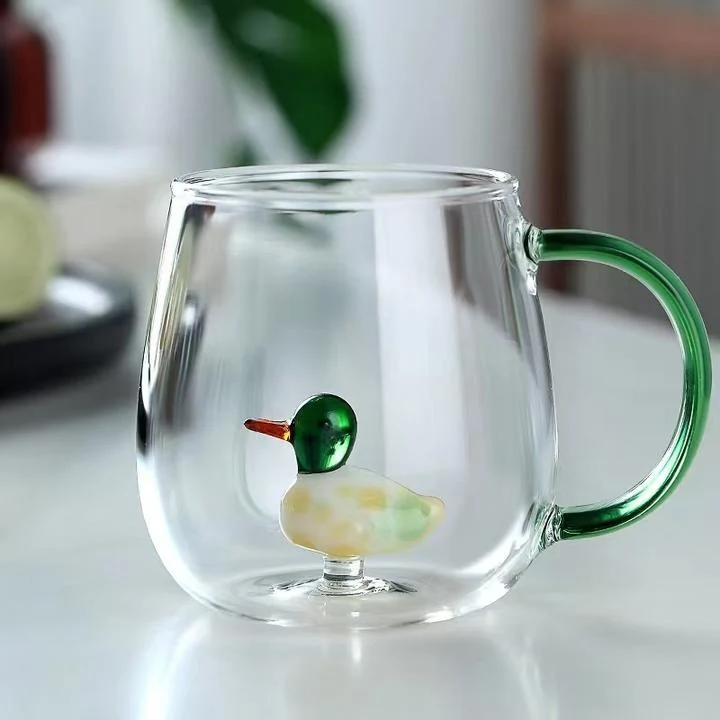
The total market size for glassware in Jamaica is modest compared to major manufacturing hubs, but it plays an important role in the local economy. Glass cups, tumblers, and specialty drinkware products are sold across supermarkets, craft markets, and duty‑free stores, with both local brands and imported products competing on shelves. The applications span from everyday use in homes to premium gift items for tourists.
Government policies, investment initiatives, and industry clusters influence how the glass manufacturing industry evolves in Jamaica. Encouragement of small business growth through microfinance and trade support programs has helped artisans and small factories start or expand their operations. Investment in technology and training can improve efficiency, while collaboration among designers and producers introduces new styles and product lines.
Part 2: Leading Companies
Island Glass Creations

Island Glass Creations is one of the most recognized glass cup producers rooted in Jamaica’s craft sector. Founded by a group of artisans who wanted to preserve local glasswork techniques, the company blends traditional methods with modern design sensibilities. Their journey began in the capital, where they began shaping glass items that reflect Caribbean culture and color.
The product range from Island Glass Creations stretches across drinking glasses, cocktail tumblers, and hand‑painted pieces made for display or use. Their services include custom designs for weddings, businesses, and special events, making each item a personal artifact. The company places emphasis on artistry, ensuring each piece carries a unique touch.
Primarily serving the tourism sector and retail markets, Island Glass Creations supplies boutique hotels, resort gift shops, and online customers. They place importance on quality and visual appeal, which helps their products stand out among imported alternatives. Their focus is not only on glass cup performance but also on storytelling through shapes and color.
Innovation at Island Glass Creations centers on local motifs and sustainable methods. They have experimented with recycled glass and eco‑friendly dyes to reduce waste, even as they maintain the durability required of everyday drinkware. Recognition has followed their efforts, with local design awards celebrating their work in elevating Jamaican glass craft.
Caribbean Glassworks Ltd.
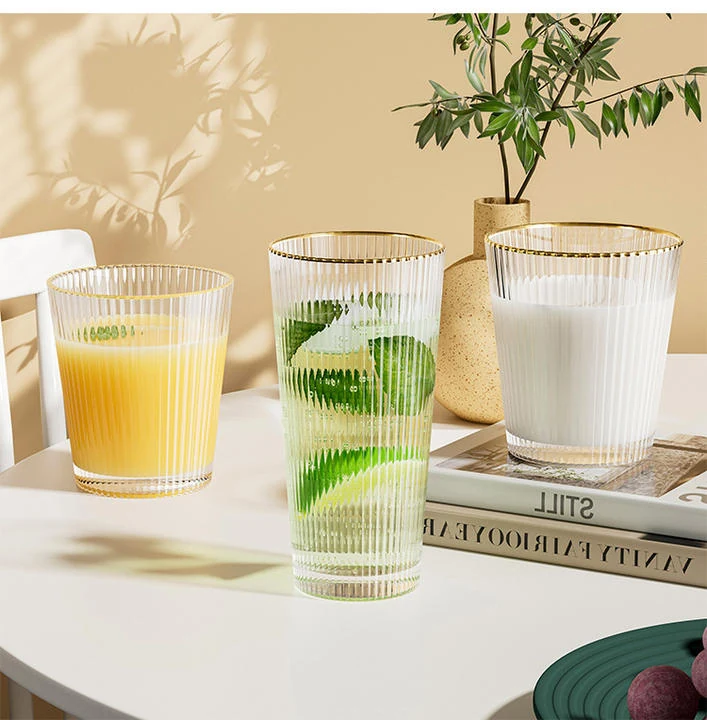
Caribbean Glassworks Ltd. operates as a more industrial manufacturer of glass cups and related products in Jamaica. Established with a vision to scale up glass production, the company combines imported production equipment with Jamaican design insights. Their factory produces a wide range of items that cater to cafés, hotels, and retail chains.
Their product lines include standard drinking glasses, colored tumblers, and branded glass cups made for corporate promotions. The company works closely with clients to tailor products that align with brand values and customer preferences, especially for businesses in Kingston and Montego Bay. Their approach balances practicality with visual appeal.
Caribbean Glassworks serves multiple industries, from hospitality to event planners. They have grown their capacity by focusing on quality control and supply reliability, which many clients see as crucial to their own business success. Their delivery timelines and consistency have helped them earn repeat contracts.
Technical improvements at Caribbean Glassworks include adoption of automated cutting and polishing systems. This has increased precision and reduced production times, allowing them to compete more effectively with imports. Their accolades include industry acknowledgments for manufacturing excellence and export readiness.
Kingston Craft & Glass Co.
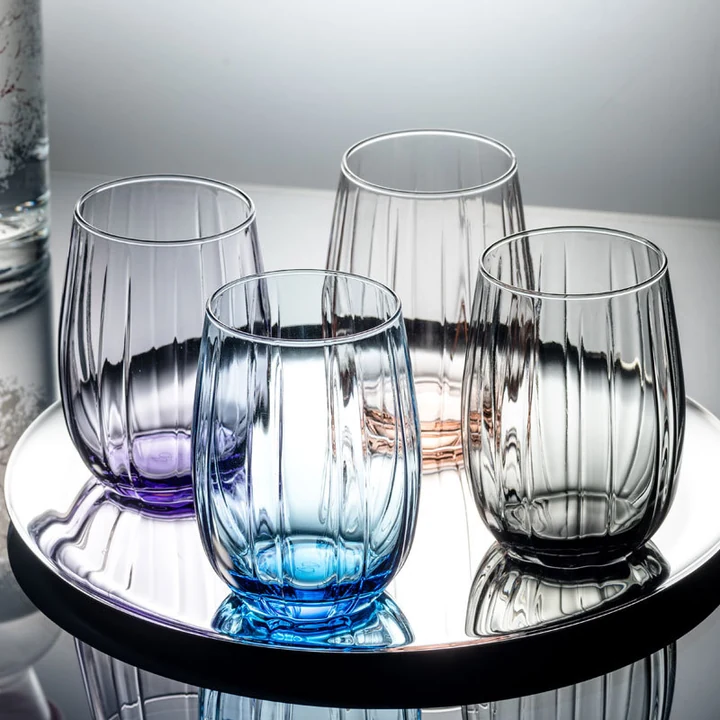
Kingston Craft & Glass Co. started as a small studio and has since become a well‑known name in Jamaica’s glass cup niche. The founders began with a focus on handcrafted drinkware that showcased Jamaican culture through each design. Their ethos has always been about blending craft tradition with functional, everyday products.
The company produces a selection of glass cups, including etched designs, colored rims, and limited‑edition sets. They take pride in telling Caribbean stories through patterns, themes, and collaborative art pieces, making their products appealing to both locals and tourists alike. Their range also includes themed gift collections.
Kingston Craft & Glass Co. supplies boutique shops, museum stores, and cultural centers. Their deep involvement in the local arts community gives them insight into trends and ideas that resonate with customers. They also partner with local artists to create seasonal collections.
Innovation in their business lies in artistic collaborations and hands‑on techniques. They regularly host workshops where customers can watch glass shaping and engraving take place, thereby building a connection between craftsmanship and consumer appreciation. The company has received praise for its role in cultural preservation and craft promotion.
Glass Manufacturers Comparison Table
| Company | Founded | Core Products | Industries | Certifications |
|---|---|---|---|---|
| Island Glass Creations | Early 2000s | Custom glass cups, tumblers | Tourism, retail, events | Local craft awards |
| Caribbean Glassworks Ltd. | Mid 2010s | Standard & branded glassware | Hospitality, corporate clients | Manufacturing excellence |
| Kingston Craft & Glass Co. | Late 2000s | Artistic drinkware sets | Boutiques, cultural centers | Art & cultural recognition |
Part 3: Trade Shows and Industry Events
Glassware producers in Jamaica participate in several trade shows and industry events that highlight local manufacturing and design. These events create networking opportunities and expose manufacturers to new clients. Participants range from small artisan stalls to larger manufacturing exhibits.
One key event is the Jamaica Manufacturers and Exporters Association (JMEA) Expo.
This annual showcase brings together producers from across sectors, including glass cup makers. It takes place in Kingston and attracts business owners, buyers, and export partners from around the Caribbean and beyond. Companies display their latest products and discuss distribution opportunities.
At the JMEA Expo, exhibitors can connect with importers and wholesalers looking for authentic Jamaican products. The event features seminars and workshops on export readiness, marketing, and supply chain challenges. A highlight is the design showcase, where unique handcrafted glassware often wins attention and awards.
Another significant event is the Caribbean Craft & Trade Fair.
Held in Montego Bay, this fair gathers artisans, small producers, and cultural vendors. Glass cup manufacturers set up booths alongside woodworkers, textile creators, and jewelry designers. The focus is on craft, creativity, and locally made products.
The fair draws both local shoppers and international buyers, especially during peak tourism seasons. Workshops on craft techniques help educate visitors about production processes behind items like hand‑painted glasses and etched drinkware. For manufacturers, the event provides a mix of direct sales and brand exposure.
| Event | Date | Location | Highlights |
|---|---|---|---|
| JMEA Expo | Annual | Kingston | Exhibits, business networking, export workshops |
| Caribbean Craft & Trade Fair | Annual | Montego Bay | Artisan booths, craft demonstrations, buyer access |
Part 4: Impact of Global Trade Policies
Global trade policies shape how Jamaican glass manufacturers operate. Import tariffs on raw materials and finished goods influence cost structures. When tariffs on imported glass or chemicals used in production rise, local makers may face higher input prices, which can squeeze margins.
Trade agreements with countries in North America and the Caribbean can affect export potential. Preferential access under agreements like CARICOM trading terms can help Jamaican producers sell products regionally at competitive prices. Yet, complex regulatory requirements or non‑tariff barriers sometimes make exports harder.
International competition stands as both challenge and opportunity. Mass‑produced glassware from large economies often arrives at lower cost, pressuring local prices, yet unique Jamaican designs carry cultural value that imported goods cannot replicate. Small manufacturers may lean into niche markets that favor authenticity and craftsmanship.
Supply chain risks have become more visible in recent years. Disruptions in shipping, changes in currency values, and global energy price fluctuations affect how glass manufacturers plan production and manage inventory. Local producers adjust by diversifying suppliers or seeking bulk purchase agreements to mitigate volatility.
Part 5: Conclusion
The glass cup manufacturing industry in Jamaica shows both promise and complexity. There are clear opportunities in niche markets, hospitality partnerships, and cultural product lines that attract both local and tourist customers. Embracing design innovation and tapping into export networks can help companies grow beyond domestic demand.
Challenges remain, including competition from imports and sensitivity to trade policies and input costs. Sustained growth will depend on strategic investment, technology adoption, and stronger connections with global buyers. With focused efforts, Jamaican glass cup manufacturers can strengthen their place in both local and regional markets.