Skip to content

Part 1: Market Size and Growth
Glass cup manufacturing in Liberia is a young industry with room to grow. Liberia has long depended on imports for glassware, but local demand has slowly risen as hotels, restaurants, and households seek more affordable products. There is also rising interest in sustainable glass alternatives compared to plastics.

The market for glass packaging and drinkware in Liberia is still small compared to neighboring countries, but growth is visible in urban centers like Monrovia and Paynesville. Applications include bars, eateries, event venues, office spaces, and home use, and demand peaks during ceremonial seasons and tourism growth periods.
Government policies and investment trends have begun influencing the industry. Liberia’s trade policies aim to support local manufacturing, yet limitations in infrastructure and high energy costs constrain large-scale production. Investors and regional trade partners are watching Liberia as a possible base for broader West African distribution.
Part 2: Leading Companies
Liberia Glass Works
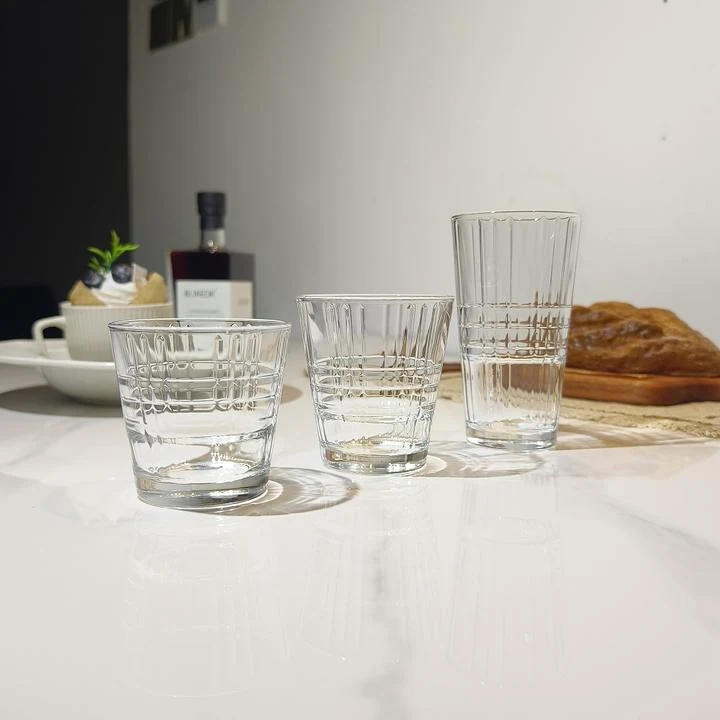
Liberia Glass Works is one of the earliest glassware producers in the country, starting operations with small-scale bottle recycling and glass forming. It began as a family-owned business and expanded into cups and tumblers when local demand rose. The company focuses on meeting basic drinkware needs for Liberian restaurants and markets.
The range of products at Liberia Glass Works includes drinking glasses, tumblers, and simple stemware. The company uses both recycled glass and imported raw materials to balance cost and quality. Cup designs tend to emphasize durability over ornate shapes.
Most of Liberia Glass Works’ clients are local bars, small hotels, and informal markets. It plays a key role in supplying everyday glassware where imports can be cost-prohibitive. The product styles suit casual use with an emphasis on strength and longevity.
In terms of innovation, the company works on improving recycling processes and reducing waste. They have introduced thicker-walled glass cups that resist impact, which helps in settings like bars or public events. Liberia Glass Works has received regional recognition for its contribution to local manufacturing.
Monrovia Drinkware Co.

Monrovia Drinkware Co. started as a small cooperative of artisans blending traditional sand melting with modern shaping techniques. Founded by a group of craftspeople interested in sustainable local production, it has carved a niche in decorative and functional glass cups.
The product line at Monrovia Drinkware Co. includes highball glasses, juice tumblers, and custom-etched glassware. They combine local designs with modern usability, which attracts clients interested in cultural flair. The company also offers custom orders for businesses wanting branded drinkware.
Monrovia Drinkware Co. serves boutique hotels, craft markets, and export-focused traders. Their products often appeal to buyers who want something distinct from generic imports. Cup materials are sourced from locally collected recycled glass combined with minimal external inputs.
Their innovation lies in design and surface finishing. They have developed patterns inspired by Liberian art and culture, adding value to each piece. Monrovia Drinkware Co. has been featured in local craft fairs and won awards for design excellence in regional artisan circles.
Grand Bassa Glass Industries

Grand Bassa Glass Industries focuses on industrial-scale glass forming for cups and containers. The company began as a beverage bottle producer and expanded into drinkware to diversify. It brought more automated production methods into Liberia’s glass sector.
The facility produces a broad range of glasses, including water cups, beer glasses, and event drinkware. Their workflow emphasizes consistency and meeting larger orders. They integrate quality control systems to ensure products meet basic strength standards.
Grand Bassa Glass Industries supplies hospitality chains, event organizers, and wholesalers. They aim to fill gaps where imported glassware is too expensive or delayed by logistics. The company also works with NGOs and government agencies for community-based supply contracts.
A key innovation at Grand Bassa Glass Industries is production scaling. By investing in semi-automated forming machines, they can handle bigger volumes than many local competitors. They have also implemented basic training programs for workers to raise skill levels in glass forming and finishing.
| Company | Founded | Core Products | Industries | Certifications |
|---|---|---|---|---|
| Liberia Glass Works | 2012 | Basic glass cups | Local hospitality, retail | Regional craft awards |
| Monrovia Drinkware Co. | 2015 | Decorative glassware | Boutique hotels, exports | Design excellence |
| Grand Bassa Glass Industries | 2018 | Industrial drinkware | Wholesale, events | Quality control standards |
Part 3: Trade Shows and Industry Events
Liberia Manufacturing Expo
The Liberia Manufacturing Expo is a yearly event that brings together various producers across sectors. Glass cup manufacturers take part to showcase new designs, production techniques, and sustainability practices. Manufacturers present their work to buyers, government officials, and trade delegations.

Held in Monrovia, this expo draws business representatives from around the region. Exhibitors include emerging glass producers, packaging engineers, and suppliers of raw materials. The event also features discussions on manufacturing competitiveness and local industry policy.
The highlight of the expo is its business-matching sessions. Visitors can meet manufacturers one-on-one, negotiate orders, and discuss custom production. The expo also highlights the role of small-scale manufacturers in broader economic growth.
West Africa Trade Fair
The West Africa Trade Fair is a multi-industry event where regional manufacturers display goods across food, textiles, and household items. Glass cup producers from Liberia attend to connect with buyers from Nigeria, Ghana, and Sierra Leone. This event is vital for export-oriented manufacturers.
Held in a rotating host city in West Africa, it attracts international participants. Glassware exhibitors often share booths to reduce cost while gaining exposure. The fair includes seminars on export requirements, customs, and quality standards.
One highlight at the fair is the product innovation showcase. Competing manufacturers present new designs and packaging solutions that appeal to regional retailers and distributors. It also allows Liberian makers to observe trends in competing products.
| Event | Date | Location | Highlights |
|---|---|---|---|
| Liberia Manufacturing Expo | Annually, Q3 | Monrovia | Business matches, local manufacturing focus |
| West Africa Trade Fair | Annually, varies | Rotates in West Africa | Export networking, innovation showcase |
Part 4: Impact of Global Trade Policies
The glass cup industry in Liberia is shaped by global trade policies that influence raw material costs and competition. Liberia is part of the Economic Community of West African States (ECOWAS), which affects tariffs on imports and exports. This grouping can lower barriers for regional trade but still leaves challenges for importing specialized glass materials.

Tariffs and trade agreements determine how competitive local glass cups can be against imported products from Europe and Asia. When duties on imported glassware are low, local producers struggle to match prices. On the other hand, high duties make imports costly but push consumers toward domestic products.
Sanctions or supply chain disruptions in other parts of the world can affect glass manufacturers in Liberia by limiting access to certain chemicals and equipment. Disruptions in global shipping routes have led to delays and price spikes for furnace parts and raw materials. Local producers sometimes adapt by sourcing alternative materials or recycling more glass waste.
Trade agreements with neighboring countries can also open opportunities. Regional trade pacts allow Liberian glass products to enter markets like Ghana and Sierra Leone with fewer barriers. This can increase orders and encourage investment, but it also demands higher quality and consistency to compete abroad.
Global policies on environmental standards shape demand for sustainable glass production. As more markets demand eco-friendly products, Liberian manufacturers consider cleaner production methods. However, investments for cleaner furnaces or recycling systems are often expensive without external finance or incentives.
International competition presents both risk and opportunity. Imported glass cups often arrive with advanced finishes and low price tags, making competition tough. On the other hand, exposure to global trends motivates local firms to innovate and improve designs, which can help access niche markets.
Part 5: Conclusion
The glass cup manufacturing industry in Liberia holds promise as a growing segment of local manufacturing. There is visible demand from hospitality, retail, and export-oriented buyers. Local producers are steadily expanding production, adopting new designs, and participating in regional trade events to gain visibility.
Challenges remain, including competition from imports, high costs for materials and energy, and limited access to advanced production technology. Policy support, investment, and skills development are key to future growth. With the right partnerships and innovation, Liberian glass cup manufacturers can carve out a stronger place in regional markets.