Skip to content

Part 1: Market Size and Growth
The glass manufacturing industry in Libya has seen moderate growth over recent years, driven by the country's construction and hospitality sectors. Glassware, including drinking cups, is experiencing higher demand, particularly in hotels, restaurants, and households. With the country's economy improving, more Libyan consumers are choosing high-quality, durable glass products.

The glassware market is expanding due to the rise in local demand for everyday glass items and the construction of new hotels and restaurants. With increasing urbanization and a growing middle class, there is more focus on lifestyle products, including glassware. This is opening up new opportunities for manufacturers in the region.
In addition to local demand, Libya's glass manufacturing sector is also looking at export potential, particularly to neighboring countries in North Africa. Investments in modern production facilities, driven by both government policies and private sector initiatives, are likely to continue fostering growth in this sector.
Part 2: Leading Companies
Libyan Glass Company
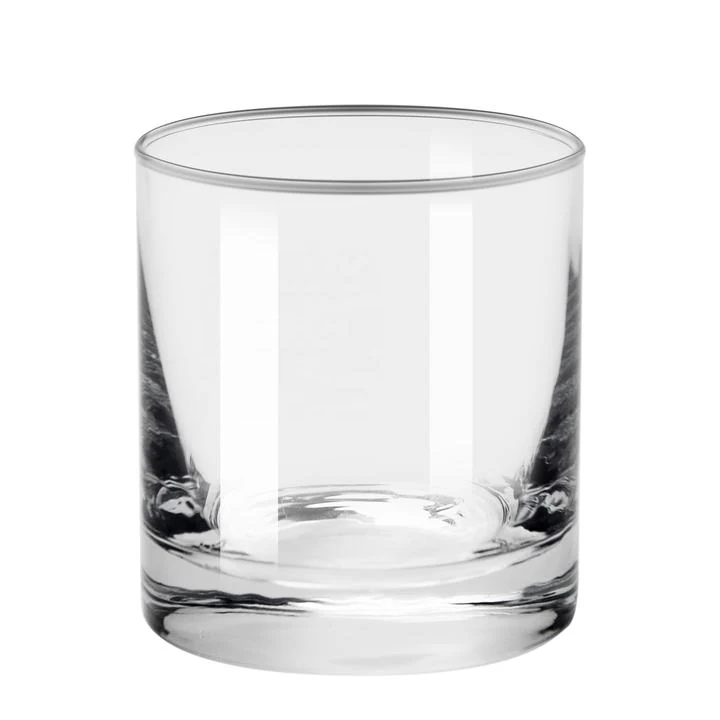
Libyan Glass Company, founded in 1996, is one of the major producers of glass products in Libya. Located in Tripoli, the company specializes in manufacturing glass containers and other glassware products, including drinking cups. It is the leading glass manufacturer in the country, providing products to both domestic and regional markets.
The company produces glass bottles, drinking cups, and decorative glassware for a variety of industries. It also caters to specific needs such as custom glass designs for businesses and individual clients. Libyan Glass Company focuses on both mass production and customized glassware to meet diverse customer requirements.
Libyan Glass Company serves a wide range of industries including food and beverage, hospitality, and construction. Their products are often used in hotels, restaurants, and packaging solutions. The company has a strong commitment to producing durable glass products that meet international quality standards.
With a focus on advanced glass manufacturing technologies, the company is leading in producing energy-efficient glassware. Its goal is to enhance the sustainability of glass production while ensuring high-quality standards are maintained.
Al Fateh Glass Factory
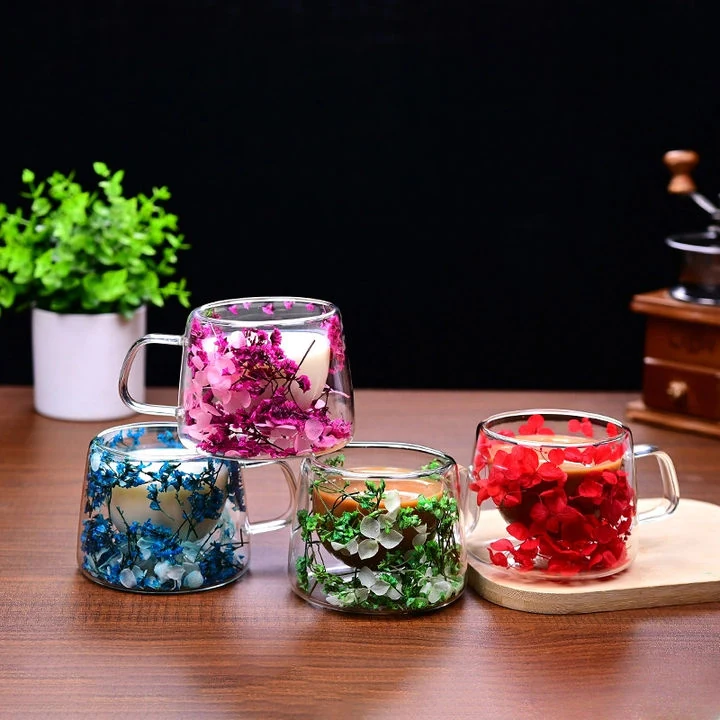
Established in 1984, Al Fateh Glass Factory is located in the outskirts of Tripoli. Specializing in both flat and container glass production, this company is a key player in Libya's glass industry, offering a variety of glass products for different applications, including drinking glasses.
Al Fateh Glass Factory manufactures glass cups, bottles, and jars for food and beverage packaging. The company has diversified its portfolio to include decorative glassware and customized glass designs for clients. It is known for high-quality craftsmanship and its ability to produce glassware in bulk.
The company’s core industries are food and beverage, hospitality, and construction. Its glassware is commonly used in the food and beverage industry for packaging drinks, and also in the hospitality industry, where restaurants and hotels require high-quality glass products.
Al Fateh Glass Factory has made significant advancements in glass production automation. It continues to focus on sustainability, producing eco-friendly glass items that are increasingly in demand in both local and regional markets.
Al Jazeera Glass Manufacturing
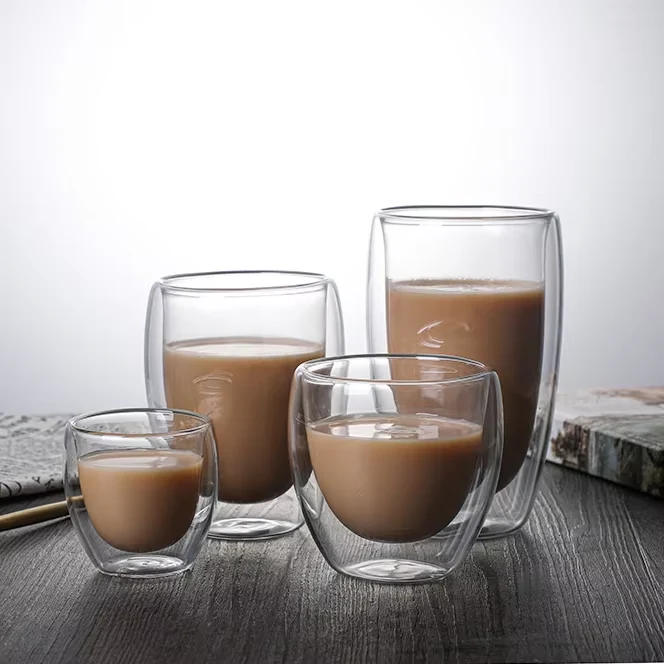
Al Jazeera Glass Manufacturing, founded in 2000, is a prominent glass manufacturer based in Zliten, Libya. It specializes in the production of glass containers, including drinking cups, bottles, and custom glass designs. The company is well-known for its focus on innovation and high standards of craftsmanship.
Al Jazeera manufactures a wide range of glass products, from decorative pieces to functional glassware like drinking cups and vases. Its glass production is recognized for its aesthetic value as well as its functionality, making it a favorite among both domestic consumers and international buyers.
The company serves industries such as food and beverage, hospitality, and consumer goods. Their glassware is widely used in restaurants, hotels, and for retail packaging. Al Jazeera Glass Manufacturing is recognized for producing durable glass products suitable for both everyday use and premium settings.
In addition to a focus on quality, innovative glass designs and energy-efficient production techniques are key to the company’s strategy. They are known for integrating new technologies in their manufacturing process, which has enabled them to remain competitive.
| Company | Founded | Core Products | Industries | Certifications |
|---|---|---|---|---|
| Libyan Glass Company | 1996 | Glass containers, cups, glassware | Food & Beverage, Hospitality | ISO 9001:2015 |
| Al Fateh Glass Factory | 1984 | Glass cups, bottles, jars | Food & Beverage, Hospitality | ISO 14001 |
| Al Jazeera Glass Manufacturing | 2000 | Drinking cups, glass containers | Food & Beverage, Consumer Goods | ISO 22000 |
Part 3: Trade Shows and Industry Events
Libyan International Trade Fair
The Libyan International Trade Fair is an important event for the manufacturing sector in Libya, including glass manufacturers. Held annually in Tripoli, this event showcases a variety of products, including glassware, and offers manufacturers an opportunity to network with potential buyers and partners.
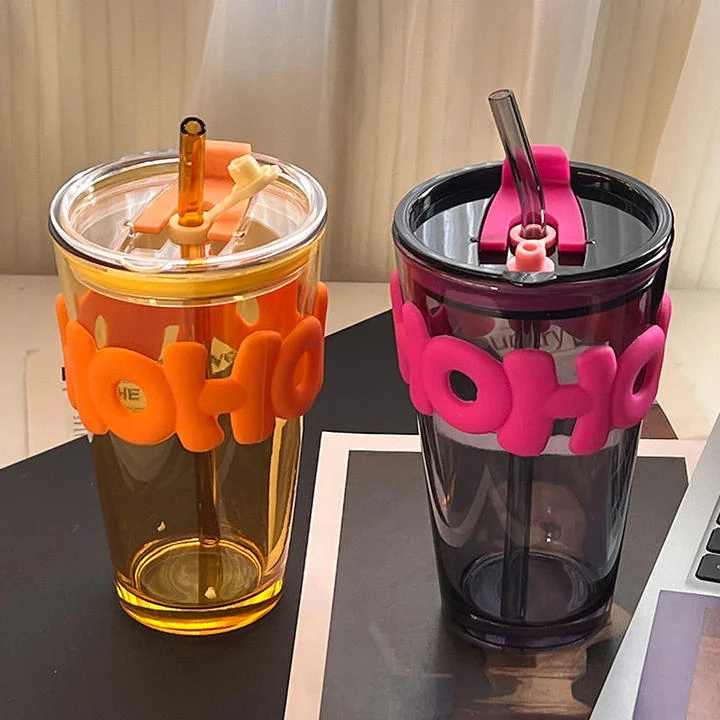
The fair provides a platform for businesses to display their latest products and services to a wide audience. With an emphasis on export and import opportunities, the event attracts manufacturers and distributors from various sectors, including glass production. For Libyan companies like Libyan Glass Company, this is an essential venue to promote their products regionally.
This trade show is also an opportunity for industry experts to discuss emerging trends in glass production and other related sectors. The fair continues to gain importance as Libya looks to strengthen its manufacturing sector.
North Africa Glass & Aluminium Expo
This event is focused on the glass and aluminum sectors across North Africa, and it brings together key manufacturers from countries like Libya, Egypt, and Tunisia. Held in Cairo, the North Africa Glass & Aluminium Expo is an excellent opportunity for glass manufacturers to showcase their products to a larger regional audience.
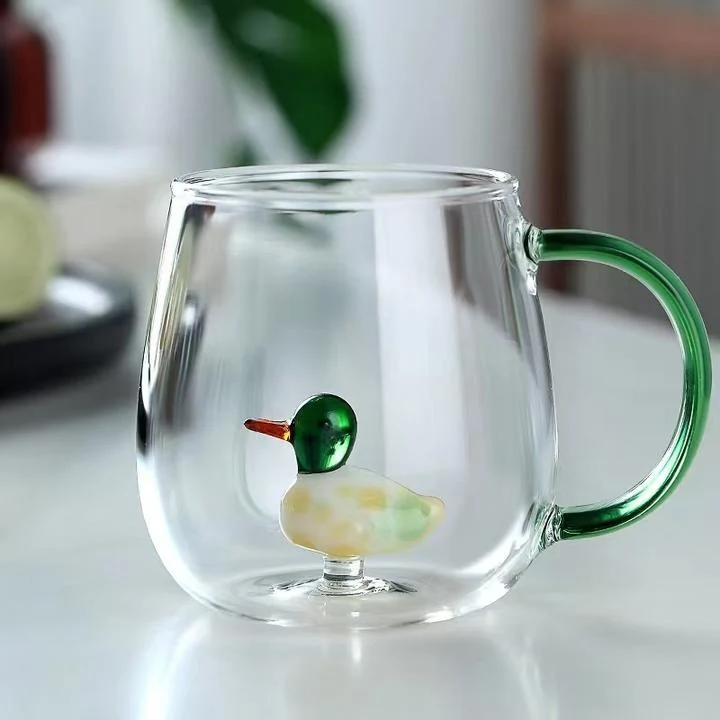
The event highlights new technologies in glass production, including energy-efficient solutions and eco-friendly practices. It is also a great platform for Libyan glass manufacturers to connect with regional players in the construction, hospitality, and beverage industries.
The expo is known for its technical seminars and networking opportunities, offering businesses like Al Fateh Glass Factory a chance to meet potential clients and distributors across North Africa.
| Event | Date | Location | Highlights |
|---|---|---|---|
| Libyan International Trade Fair | May | Tripoli, Libya | Product Display, Networking |
| North Africa Glass & Aluminium Expo | September | Cairo, Egypt | Glass Innovations, Networking |
Part 4: Impact of Global Trade Policies
Global trade policies have had a significant impact on Libya's glass manufacturing sector. Trade agreements and tariffs play a crucial role in determining how easily Libyan companies can access raw materials and markets abroad. Regional agreements with North African countries help Libyan manufacturers expand their reach.

The Libyan glass industry has faced challenges due to economic sanctions and trade restrictions. These factors have made it harder to source certain materials and expanded production capabilities. However, there is a growing trend of local sourcing to mitigate supply chain issues, as companies look to reduce reliance on imported materials.
International competition in the glass sector is increasing, with countries like Egypt and Tunisia offering similar products. However, Libya's competitive advantage lies in its strategic location and relatively lower manufacturing costs, making it a potential export hub in the region.
Part 5: Conclusion
Libya's glass manufacturing industry presents several growth opportunities for both domestic and international companies. As the country continues to develop its manufacturing sector, there is potential for increased local production and export growth. The construction and hospitality industries are key drivers of this growth.
However, the industry also faces significant challenges, including global trade issues and competition from neighboring countries. By focusing on innovation, sustainability, and energy-efficient production, Libyan manufacturers can enhance their competitive edge and continue to grow in both local and regional markets.