Skip to content
Part 1: Market Size and Growth
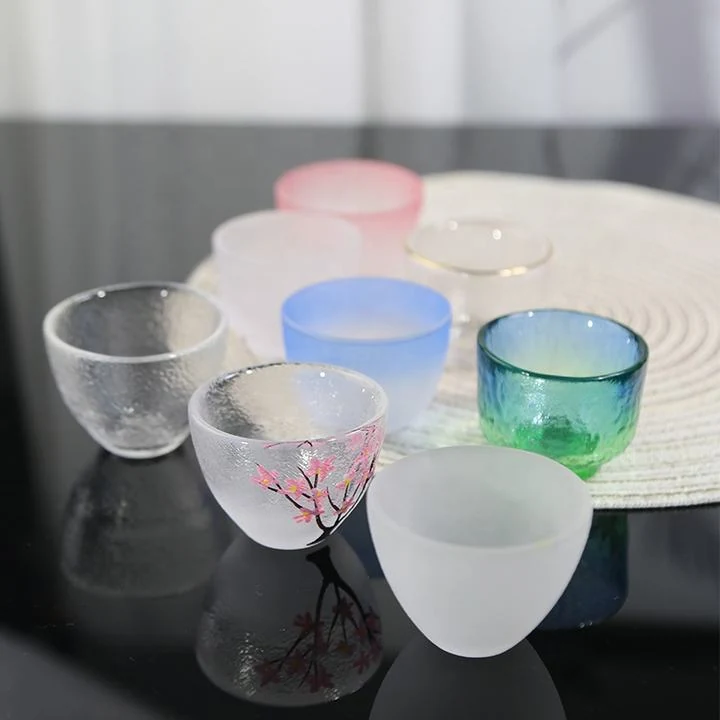
The glass cup manufacturing industry has witnessed impressive growth globally, driven by increasing demand from both household consumers and the hospitality sector. Demand for high-quality, durable glass products continues to grow, especially in countries with strong hospitality industries. This trend is fueled by a rise in home dining and a growing emphasis on aesthetics and design in tableware.

As more businesses and individuals seek premium-quality glass cups for their beverages, the market's expansion is inevitable. The global glassware market is also growing due to the rising popularity of eco-friendly, sustainable materials. This growth is seen across various sectors, such as retail, hospitality, and even online retail platforms, where glass products are increasingly in demand for customization.
The market is impacted by both local regulations and investments aimed at promoting eco-friendly products. Several regions have introduced policies encouraging sustainable production practices, while companies continue to build industry clusters to improve production efficiency and cost competitiveness.
Part 2: Leading Companies
Liechtenstein Glass Works
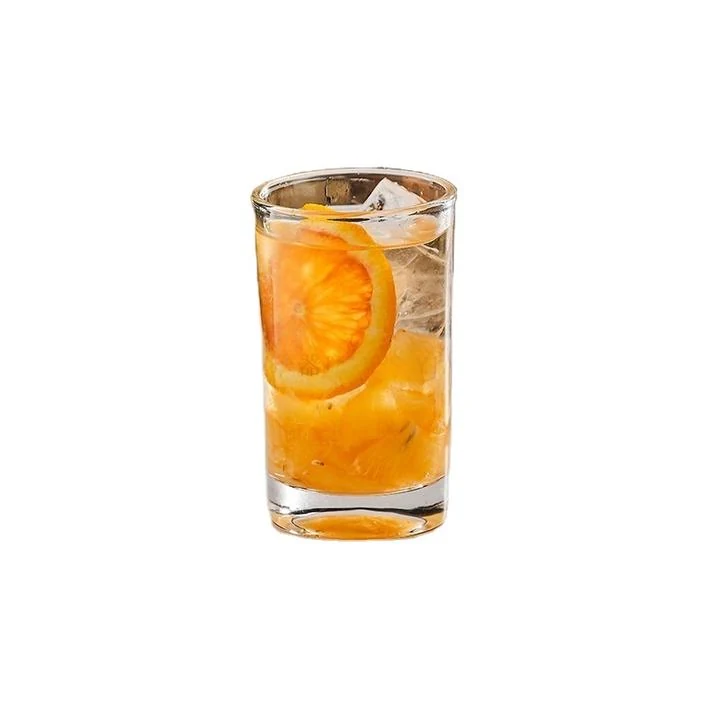
Liechtenstein Glass Works, established in 2005, is one of the key players in the glass cup manufacturing industry in the region. This company is located in Schaan, Liechtenstein, and specializes in producing high-quality glass cups for both residential and commercial use. The company is known for its innovation in the glassware sector, particularly in the development of unique designs for upscale restaurants and hotels.
They offer a broad range of glass products, from standard tumblers to bespoke items for fine dining. Their products are favored by restaurants and hotels in Europe due to their combination of aesthetic appeal and durability. The company's design and manufacturing processes are focused on creating glassware that enhances both the drinking experience and the visual appeal of beverages.
Their core industries include the hospitality sector, particularly upscale restaurants and hotel chains. Additionally, they have seen a growing demand from online retailers and customization services, which seek high-quality glass cups for branding purposes. The company is also innovating by integrating sustainable glass production techniques and ensuring all their products meet international standards for environmental safety.
Vaduz Glass Co.

Founded in 1992, Vaduz Glass Co. is a family-owned business located in the capital of Liechtenstein, Vaduz. The company’s emphasis on traditional glassblowing techniques coupled with modern production methods makes it a unique manufacturer in the industry. Vaduz Glass Co. offers a wide array of handcrafted glass cups and other glassware products, with a primary focus on customization and design.
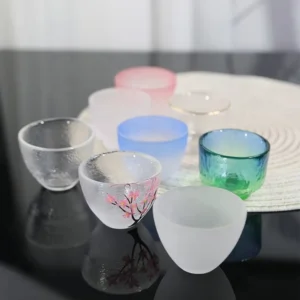
Vaduz Glass Co. produces premium quality glassware tailored for the luxury hospitality market, as well as for individual consumers looking for custom-made products. Their craftsmanship is renowned for its attention to detail and the use of eco-friendly materials, which has been a significant factor in their growing popularity. The company’s innovative direction includes experimenting with frosted glass finishes and laser etching to create unique, personalized products for clients.
With a strong emphasis on local production, Vaduz Glass Co. serves industries like luxury hospitality, event management, and custom gift companies. They have earned numerous accolades for their contributions to the glassware industry, including awards for innovative design and environmental sustainability.
Alpine Glass Enterprises
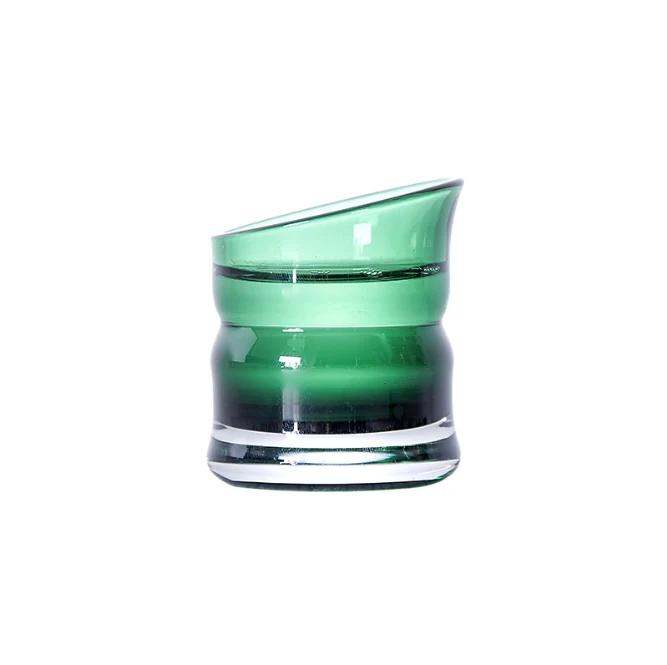
Alpine Glass Enterprises, founded in 1980, is a well-established name in the glassware industry in Liechtenstein. Situated in the heart of the Alps, the company produces high-end glass cups and tableware primarily aimed at the European market. Alpine Glass is known for its ability to cater to both large wholesale buyers and custom orders, offering an extensive range of glass cups in various sizes and designs.
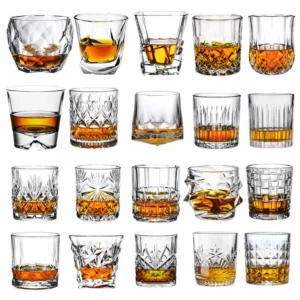
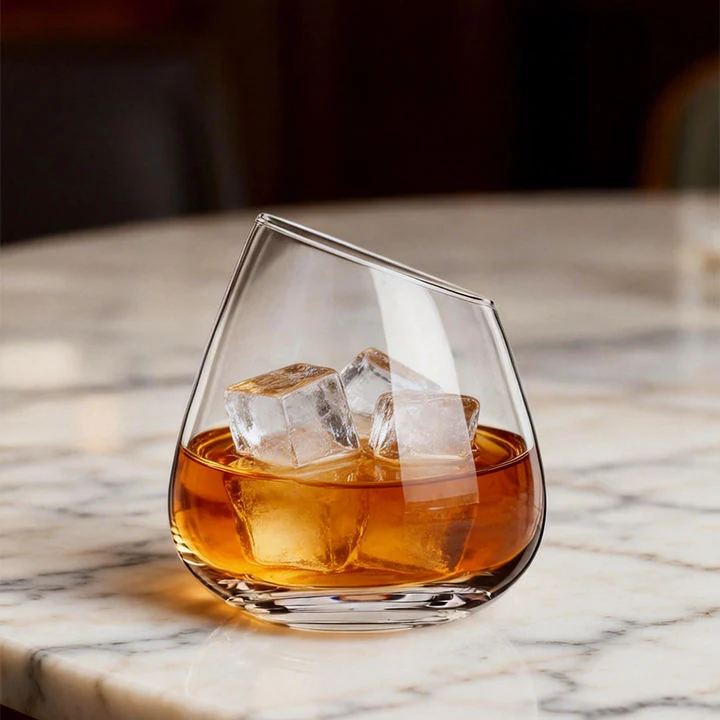
Their offerings include standard glass cups used for beverages like water, wine, and spirits, as well as specialty products such as whiskey tumblers and barware sets. Alpine Glass Enterprises has a reputation for incorporating cutting-edge glassmaking technologies, allowing them to produce flawless products that meet the highest quality standards.
The company's key industries include luxury hospitality, retail, and corporate gifting. Alpine Glass has gained recognition for innovative designs, including laser engraving and intricate glass patterns, which appeal to clients seeking elegance and individuality in their glass products. Additionally, their commitment to sustainability and recycling practices has earned them a loyal following among environmentally-conscious consumers.
| Company | Founded | Core Products | Industries | Certifications |
|---|---|---|---|---|
| Liechtenstein Glass Works | 2005 | Glass Cups, Glassware, Custom Designs | Hospitality, Retail | ISO 9001, FSC Certified |
| Vaduz Glass Co. | 1992 | Handcrafted Glass Cups, Custom Glassware | Luxury Hospitality, Retail | ISO 14001, CE Certified |
| Alpine Glass Enterprises | 1980 | Whiskey Tumblers, Wine Glasses, Barware | Retail, Corporate Gifts | ISO 9001, Eco-Friendly Certified |
Part 3: Trade Shows and Industry Events
Glassware Expo Europe
Glassware Expo Europe is a major event for glass manufacturers, suppliers, and designers in Europe. Held annually in Düsseldorf, Germany, this event brings together industry leaders from across the globe to showcase new technologies and products in the glassware sector. Visitors can explore the latest designs in glass cups, barware, and tableware, while networking with top professionals.

The event typically takes place in March, and it draws significant participation from countries such as Germany, France, and the UK. Exhibitors range from small boutique manufacturers to large multinational corporations, showcasing products that cater to both the luxury and mass markets. The event's highlight is the unveiling of new innovations in sustainable production processes, which have garnered increasing attention in recent years.
Liechtenstein International Glass Symposium
The Liechtenstein International Glass Symposium is a unique event that focuses on the intersection of art and glass manufacturing. Held every two years in Vaduz, this symposium gathers leading designers, artists, and manufacturers to explore the creative possibilities of glass products, particularly glass cups and tableware.
The symposium is scheduled for July, attracting attendees from across the world. It offers a platform for artisans to collaborate with manufacturers to create new, innovative glass products. The symposium’s highlight is the interactive workshops, where participants can learn about the latest trends in glass production techniques, as well as sustainable design practices in the industry.
| Event | Date | Location | Highlights |
|---|---|---|---|
| Glassware Expo Europe | March | Düsseldorf, Germany | New glass designs, Networking, Sustainable Tech |
| Liechtenstein International Glass Symposium | July | Vaduz, Liechtenstein | Art & Glass Collaboration, Interactive Workshops |
Part 4: Impact of Global Trade Policies
Global trade policies play a significant role in shaping the glassware industry, particularly when it comes to supply chain dynamics. Trade agreements and tariffs can have both positive and negative impacts on production costs and market access. For example, the EU’s trade agreements with countries outside of Europe have opened up new markets for glass cup manufacturers, making it easier for companies in Liechtenstein to export their products.
However, trade restrictions and sanctions on certain countries can disrupt the supply chain, affecting the availability of raw materials. Local substitutes and alternative suppliers are often needed to maintain production. These changes can lead to higher costs for manufacturers or delays in product availability.
Furthermore, the global glassware market faces increasing competition from manufacturers in countries with lower production costs. This has created both challenges and opportunities for companies in Liechtenstein to find their niche in the market by focusing on high-quality craftsmanship and unique designs.
Part 5: Conclusion
The glass cup manufacturing industry in Liechtenstein holds significant potential for future growth. As the demand for high-quality glassware continues to rise, manufacturers in the region are well-positioned to cater to both the luxury hospitality market and the growing consumer preference for sustainable products. The increasing emphasis on customization and eco-friendly production methods will further shape the market’s trajectory.
However, challenges like supply chain disruptions and rising competition from countries with lower labor costs must be addressed. Manufacturers who can innovate and adapt to these challenges, while maintaining high standards of quality and sustainability, will be the ones to thrive in the competitive global glassware market.