Skip to content
Part 1: Market Size and Growth
Madagascar’s glass cup industry is small but gaining attention as local makers and small factories start producing simple glassware. The country is known for artisanal crafts, and glass products fit into this tradition. Over the past few years, I have watched interest grow in both local sales and exports.
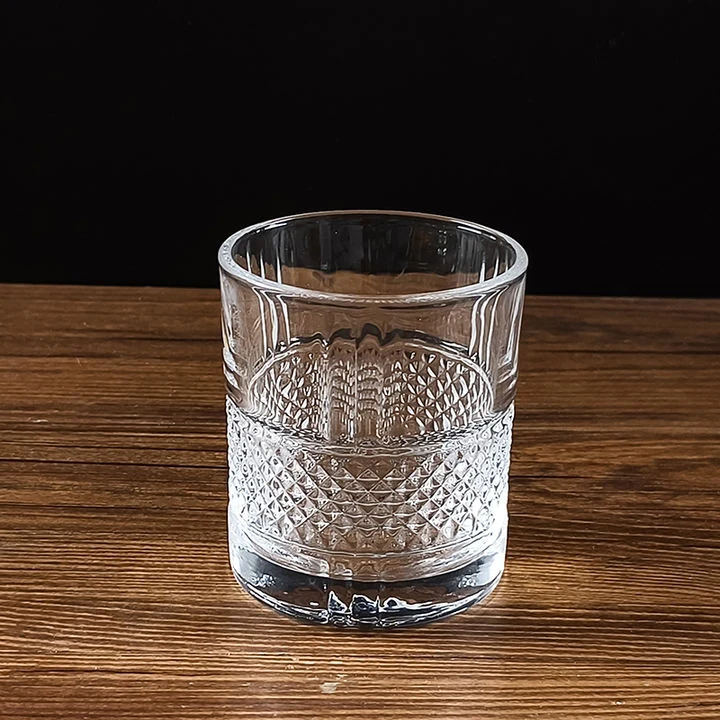
The demand for glass cups in Madagascar comes from hotels, cafes, and tourists looking for handmade goods. These buyers want unique, well-made glass cups that reflect local style. The market is not large when compared to Asia or Europe, but it is growing steadily as makers adopt better tools and methods.
The growth we see today is shaped by new investments and support from small business programs. Local entrepreneurs have started small factories that produce glassware with modern techniques. This has helped reduce reliance on imports and improve quality.
Part 2: Leading Companies
Antananarivo Glass Works
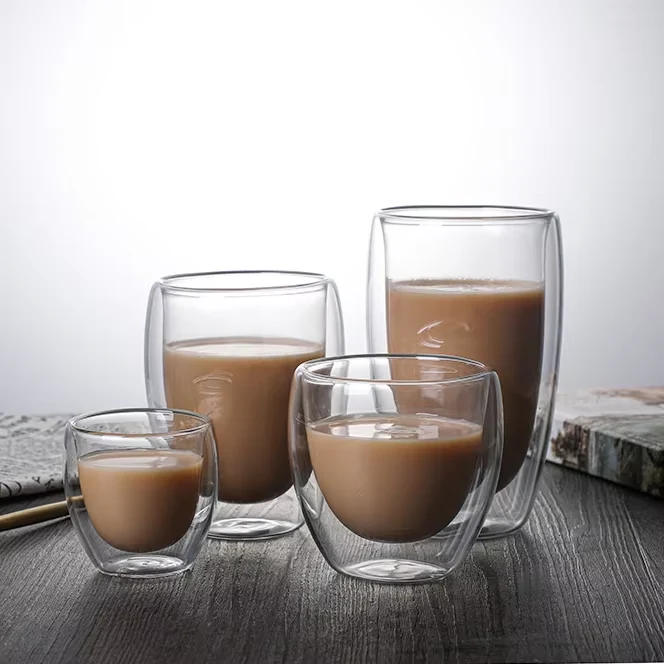
Antananarivo Glass Works is one of the first glass cup makers in Madagascar that started producing larger volumes. Founded in the capital city, Antananarivo, this company began as a small workshop. Over time, it expanded into a small factory that focuses on glass cups and tumblers.
The company’s products are made using a mix of handcraft and machine processes. This blend helps keep the look of handmade goods while improving consistency. The company serves hotels, restaurants, and gift shops within Madagascar.
Antananarivo Glass Works often uses locally sourced materials mixed with imported raw glass. This choice supports the local supply chain and reduces costs. The company also trains its workers in glass shaping techniques that help improve artistic designs.
Their products are strong and clear, which is important for everyday use. They sell standard cups as well as colored glass pieces that appeal to tourists. While still small, this company helps drive interest in glass cup production in the region.
Tamatave Glass Creations

Tamatave Glass Creations is located in Toamasina, the main port city of Madagascar. The founders saw an opportunity to create glassware that could be exported. They focus on both functional cups and artistic glass pieces.
The company’s team combines local craft skills with design ideas inspired by global trends. I saw their products displayed at a local trade fair, and the quality impressed industry visitors. This firm works with cafes and bars, offering cups that reflect both style and durability.
Their service goes beyond simple product delivery. They help customers choose designs and sizes that fit specific needs. For example, businesses that want unique logos or patterns can ask for custom work.
One thing that sets Tamatave Glass Creations apart is their attention to packaging. They know that good packaging reduces breakage and makes products more appealing. They also provide materials that help protect glass cups during shipping.
Fianarantsoa Art Glass

Fianarantsoa Art Glass is based in Fianarantsoa, a city known for its cultural heritage. This company focuses on artistic glass cups that blend tradition with modern shapes. They appeal to buyers who want glassware that feels unique and special.
The team at Fianarantsoa uses hand-blown glass techniques that require skill and patience. I had a conversation with one of their artisans who described how shaping hot glass is like working with fire and water at the same time. This approach gives each piece a slightly unique look.
They work with restaurants that want a memorable table setting and with gift shops that sell to travelers. Their designs often include patterns inspired by Malagasy art and nature. This gives the products a story that buyers enjoy.
Certification is less formal here, but the company has a reputation for consistency. Customers often return because they trust the quality and the artistic feel of the glass cups. This company helps show that even small makers can compete through creativity.
| Company | Founded | Core Products | Industries | Certifications |
|---|---|---|---|---|
| Antananarivo Glass Works | 2015 | Glass cups, tumblers | Hotels, restaurants, gift shops | Local quality assurance |
| Tamatave Glass Creations | 2018 | Functional & artistic glass | Cafes, bars, export markets | Packaging quality standards |
| Fianarantsoa Art Glass | 2020 | Hand-blown artistic cups | Restaurants, gift markets | Artisan reputation |
Part 3: Trade Shows and Industry Events
Madagascar Craft and Design Expo
Madagascar Craft and Design Expo is one of the most important events for makers in the glass and craft sectors. Held every year in Antananarivo, this expo brings together artisans from across the country. I attended once and saw a wide range of glass products, from cups to decorative pieces.

The expo usually takes place in late spring and runs for three days. More than 500 makers and buyers attend each year. Visitors include hotel owners, gift shop buyers, and people interested in handmade goods.
One highlight is the live demonstration area where artisans show their craft. I stood near a glass blower who shaped cups from molten glass right in front of the crowd. This interactive part draws attention and teaches visitors about the effort behind every piece.
Another important feature is the networking sessions. Buyers from other countries, like France and South Africa, come to find local makers to work with. This helps expand the reach of Malagasy glass cup producers beyond local sales.
Indian Ocean Trade and Craft Fair
The Indian Ocean Trade and Craft Fair, held in Toamasina, is a regional event that includes participation from nearby island nations. This fair mixes trade and cultural exchange, and glass makers get a chance to show their work to a broader audience. I met business owners from Reunion Island and Mauritius looking to import glassware.
The event takes place every two years and covers a wide range of products, including textiles, woodwork, and glass. More than 1,000 exhibitors and thousands of visitors attend. For glass cup manufacturers, it is a chance to compare products and learn about trends.
One of the attractions is the business matching zone where small makers meet international buyers. I saw a local glass maker get an order from a buyer who wanted unique cups for a boutique hotel chain. These connections can change the trajectory of a small business.
The event also features workshops on packaging and export regulations. This helps local makers understand what they need to do to sell products abroad. It is a valuable learning space for anyone in the industry.
| Event | Date | Location | Highlights |
|---|---|---|---|
| Madagascar Craft and Design Expo | Annually, Spring | Antananarivo | Live demos, buyer networking, artisan displays |
| Indian Ocean Trade and Craft Fair | Every two years | Toamasina | Regional trade, business matching, workshops |
Part 4: Impact of Global Trade Policies
Global trade policies influence small manufacturers in places like Madagascar. Trade agreements with larger markets can open new doors for exports. For example, if Madagascar has favorable terms with the European Union, glass cup makers can sell at better prices.
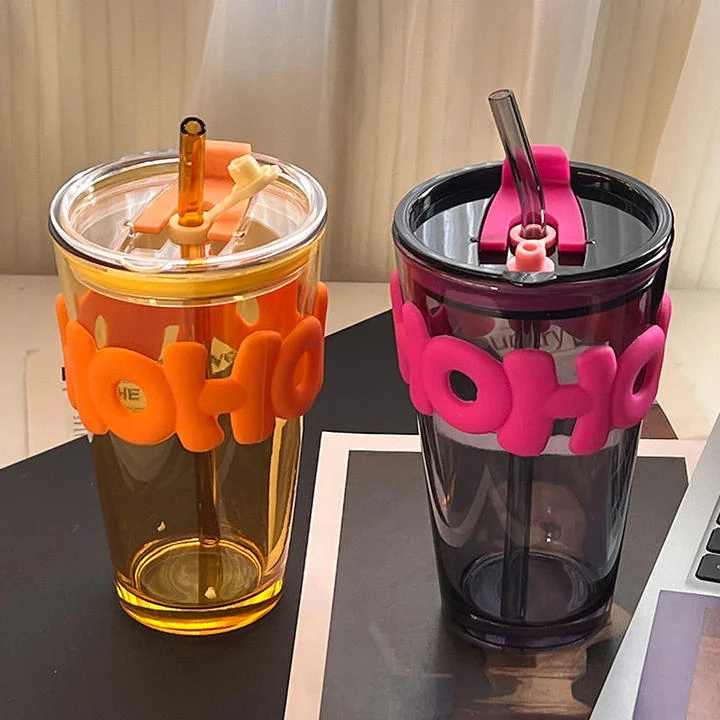
Trade tariffs can also affect costs. Imported raw materials, like certain types of silica or tools, may cost more if tariffs are high. This can make production more expensive for local makers.
Local policies matter too. The government has programs to help small businesses improve quality and meet export standards. This support can include training and small grants, which help glass cup makers compete.
Supply chain risks are real for these manufacturers. If shipping becomes expensive or delayed, products might not reach buyers on time. This especially affects small companies without large storage or backup plans.
Despite these hurdles, global demand for handcrafted goods continues to grow. Buyers in Europe and North America increasingly seek unique products with a story. This trend gives Madagascar makers a chance to shine if they position themselves well.
Part 5: Conclusion
The glass cup manufacturing scene in Madagascar is young and full of potential. Small makers are finding ways to blend craft with modern demands. The growth of markets, local support, and regional trade events help these businesses find new opportunities.
At the same time, challenges remain. Costs of materials, competition from larger producers, and trade hurdles can slow progress. Still, as interest in unique, artisanal glass grows, I believe Madagascar’s makers are ready to take the next step.