Skip to content
Part 1: Market Size and Growth
Montenegro is a small country, yet its hospitality and tourism sector keeps growing year by year. The rise of coastal tourism, boutique hotels, and café culture has increased the demand for high-quality glass cups and drinkware. Glass products are no longer simple daily items; they are part of brand image and dining experience. This shift drives steady demand for reliable manufacturers and suppliers.
The local market is not very large compared with bigger European countries, but it is stable and focused on quality. Hotels, restaurants, bars, and souvenir shops form the main buyer groups. Seasonal tourism creates peak demand during summer, which pushes distributors to maintain stock and plan early imports.
Montenegro’s path toward closer integration with the European market also shapes this industry. Import rules follow many EU standards, so product certification and safety compliance matter a lot. Investors show interest in light manufacturing and distribution hubs along the Adriatic coast. Industrial zones near Podgorica and Bar are slowly improving logistics, which helps glass cup suppliers shorten delivery cycles and reduce transport risk.
Market Demand Structure
The demand for glass cups in Montenegro comes from several clear segments:
| Segment | Main Buyers | Key Features | Purchase Frequency |
|---|---|---|---|
| Hospitality | Hotels, resorts, restaurants | Durable, elegant, bulk orders | Seasonal peak |
| Retail | Supermarkets, home stores | Affordable, practical designs | Year-round |
| Gift & Souvenir | Tourist shops | Unique shapes, small MOQ | Seasonal |
| Corporate | Event planners, brands | Logo customization | Project-based |
The hospitality sector remains the strongest force. Coastal cities like Budva and Kotor rely on tourism income. Hotels often update drinkware before high season. They prefer consistent quality and fast restocking. Retail buyers focus more on price balance and stable supply.
Growth Drivers and Constraints
Tourism is the main driver. Every new hotel opening creates a new demand for glass cups, wine glasses, and coffee cups. At the same time, rising living standards encourage local households to choose better kitchenware. Social media also changes taste. Cafés and bars want visually attractive glassware for photos and branding.
Yet, the local manufacturing base is limited. Most glass cups in Montenegro come from imports. Transport cost, customs time, and small order volumes can affect final pricing. Because the country is small, local factories often focus on distribution rather than full-scale production. That situation opens room for international B2B suppliers who can offer flexible MOQ and stable quality.
Part 2: Leading Companies
Uniprom d.o.o.

Uniprom d.o.o. is one of the well-known industrial groups in Montenegro. The company was founded in the early 2000s and is based in Podgorica. It started in metal and raw material trading, and later expanded into various industrial sectors. Its network in logistics and import channels gives it strong distribution power in the local market.
The company handles glassware through trading and distribution partnerships. It supplies hotels and retail chains with glass cups, wine glasses, and beverage containers. Its strength lies in bulk procurement and regional connections across the Balkans. Many hospitality buyers rely on its stable import channels during peak tourist season.
Uniprom focuses on product compliance with European safety standards. It works with suppliers who can provide certification and consistent production batches. Its advantage is supply chain coordination rather than in-house manufacturing. This model fits Montenegro’s current market size and demand structure.
Vezuv – Volcano Glass Studio
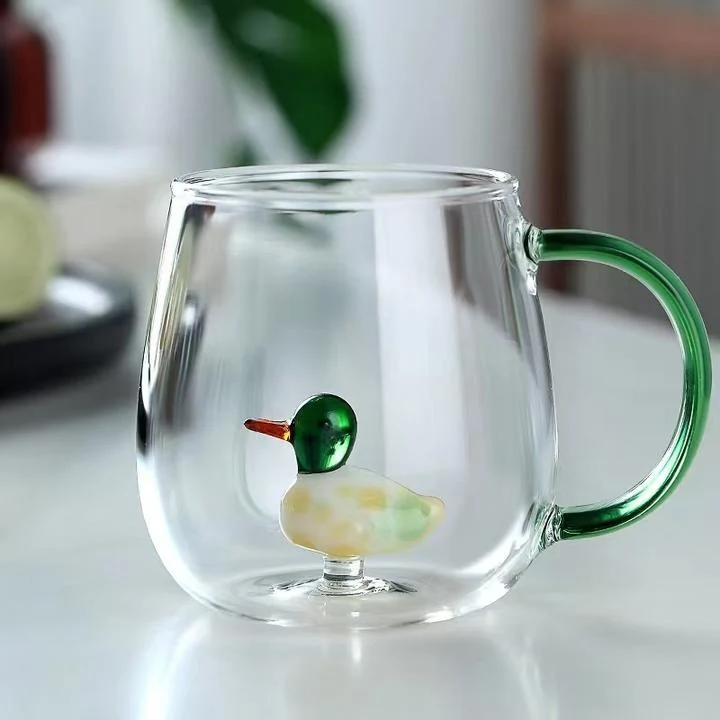
Vezuv – Volcano Glass Studio is a smaller but creative glass workshop located near the coastal region. It was founded by local artisans who specialize in decorative glass and artistic drinkware. The studio combines traditional handcraft techniques with modern design trends.
The company produces handmade glass cups, art glasses, and souvenir items. Many of its products target tourist shops and boutique hotels. Each piece has a unique touch, which increases perceived value. Customers often look for limited designs rather than mass production.
Vezuv focuses on craftsmanship and visual impact. Its products are not mainly for large-scale distribution. Instead, they serve niche markets that value originality. The studio has participated in local craft exhibitions and cultural fairs. These events help it build brand awareness within Montenegro’s tourism circle.
Montenglass Distribution
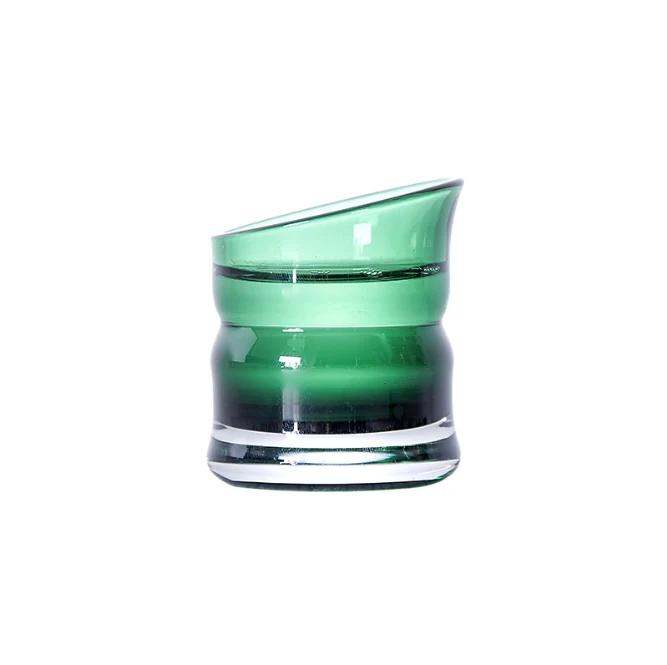
Montenglass Distribution operates as a regional glassware supplier. The company was established to bridge international manufacturers with Montenegrin retailers and hospitality businesses. It is based near the Port of Bar, which allows efficient container handling.
The company imports a wide range of glass cups, from simple water glasses to high-end wine goblets. It works closely with supermarkets, restaurant chains, and event organizers. Its business model centers on warehousing and quick delivery. Stock availability during tourist season is its main selling point.
Montenglass invests in storage facilities and packaging protection systems. It understands that breakage rate directly affects profit. The company also supports custom logo printing for corporate events and hospitality branding. Its certifications usually depend on upstream manufacturers, but it ensures documentation is complete before distribution.
Comparative Overview
| Company | Founded | Core Products | Industries | Certifications |
|---|---|---|---|---|
| Uniprom d.o.o. | Early 2000s | Imported glassware, bulk supply | Hospitality, retail | EU compliance via partners |
| Vezuv – Volcano Glass Studio | 2010s | Handmade glass cups, art glass | Tourism, gift shops | Local craft recognition |
| Montenglass Distribution | 2010s | Glass cups, wine glasses | Retail, events, hotels | Supplier-based certifications |
The Montenegrin glass cup landscape shows a mix of distribution-driven firms and small creative workshops. Large-scale automated glass production is limited locally. That gap creates space for international OEM and ODM manufacturers who can meet volume needs while respecting EU standards.
Part 3: Trade Shows and Industry Events
Tourism and hospitality exhibitions play an important role in Montenegro’s glassware trade. Many buyers discover suppliers during regional fairs rather than through factory visits. Events create a meeting point between distributors, hotel managers, and foreign manufacturers.
Montenegro Tourism Fair
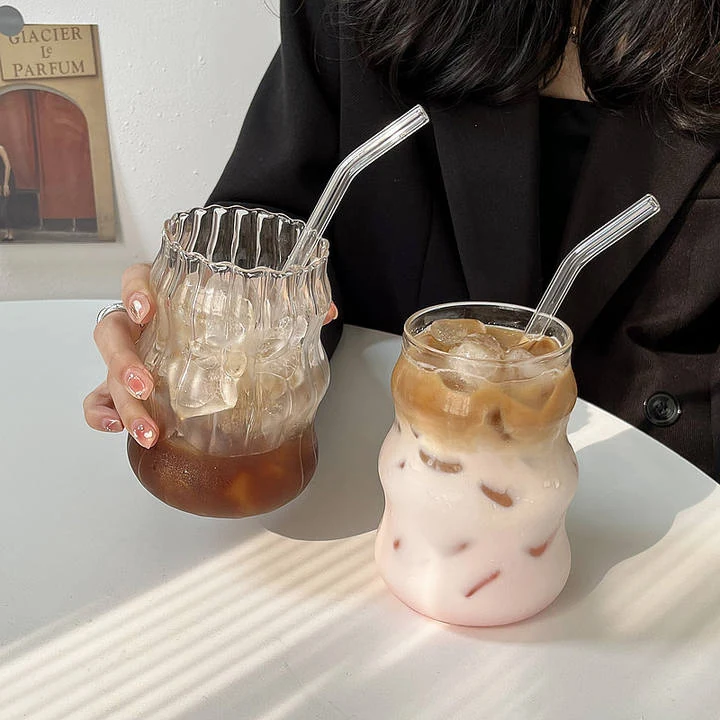
The Montenegro Tourism Fair takes place in Podgorica, usually in spring before the summer season. It gathers hotels, restaurants, equipment suppliers, and service providers. Glass cups and drinkware suppliers often display new collections designed for the coming tourist season.
The event attracts both domestic buyers and regional visitors from Serbia, Croatia, and Bosnia. Exhibitors focus on practical hospitality solutions. Glassware brands show durability tests, stackable designs, and bulk pricing models. For B2B suppliers, this fair offers direct access to hotel procurement managers.
Adriatic Gastro Show
The Adriatic Gastro Show is another key event in the region. It highlights food service equipment, kitchenware, and beverage accessories. Glass cups and wine glasses form an important display category because presentation matters in fine dining.
The show usually takes place along the Adriatic coast. It gathers chefs, café owners, and hospitality investors. Demonstrations often include table setting displays where glassware plays a central role. This environment helps suppliers present products in real-life usage scenarios instead of simple shelf display.
Event Summary
| Event | Date | Location | Highlights |
|---|---|---|---|
| Montenegro Tourism Fair | Spring (annual) | Podgorica | Hospitality buyers, seasonal sourcing |
| Adriatic Gastro Show | Annual | Adriatic coastal city | Food service focus, live demos |
Trade shows in Montenegro are not extremely large in scale. Yet, they provide focused access to decision-makers. Many contracts are negotiated during these events. For foreign manufacturers, partnering with local distributors before attending such fairs can improve results.
Part 4: Impact of Global Trade Policies
Global trade policy strongly affects Montenegro’s glass cup supply chain. The country depends heavily on imports for mass-produced glassware. Tariff changes, shipping costs, and EU trade regulations shape final retail prices. Even small policy shifts can influence seasonal procurement planning.
Montenegro aligns many of its standards with the European Union. That alignment means suppliers must provide food safety testing and compliance documentation. Products that fail to meet EU requirements cannot easily enter the market. As a result, reliable certification becomes a key selection factor for distributors.
Global shipping disruptions also create risk. When container freight costs rise, small markets feel stronger pressure because they order smaller volumes. Delays during peak tourist season can lead to stock shortages. Distributors now prefer partners who can ensure stable delivery schedules and flexible production planning.
Local Substitution and Supply Risk
Montenegro does not yet have large-scale automated glass factories for daily drinkware. Local workshops focus more on craft products. Because of this, full local substitution is limited. The country remains dependent on imports from Europe and Asia.
This dependence increases exposure to currency fluctuations and transport risk. Buyers now consider keeping larger warehouse stock before summer. Some distributors explore regional partnerships within the Balkans to reduce lead time. Diversifying supplier base becomes a common strategy.
International Competition and Opportunity
Competition mainly comes from European brands and Asian OEM manufacturers. European products often carry higher prices but strong brand value. Asian suppliers usually offer better cost performance and wider design variety. Montenegrin buyers balance between price and perceived quality.
For international B2B manufacturers, Montenegro offers a stable niche market. The volume may not be huge, yet margins can be reasonable when positioning focuses on hospitality quality. Long-term partnerships and consistent packaging standards are critical. Trust and communication often matter more than aggressive pricing.
Part 5: Conclusion
The glass cup market in Montenegro is small but steady. Tourism growth and hospitality upgrades support long-term demand. Quality, certification, and delivery reliability define success in this market. Distributors play a central role because local manufacturing capacity is limited.
At the same time, challenges remain. Import dependence increases exposure to policy and shipping risk. Seasonal demand requires accurate planning. Suppliers who understand these realities and provide flexible solutions will gain stronger positions in Montenegro’s evolving glassware industry.