Skip to content
Part 1: Market Size and Growth
Namibia has a small population, yet its demand for glass cups remains steady because tourism and hospitality play a major role in the national economy. Safari lodges, desert camps, coastal hotels, and city restaurants all rely on durable and safe drinkware for daily service. The hospitality sector forms the core demand base for glass cup consumption in Namibia. Growth in tourism directly leads to higher purchasing volume for hotels and catering suppliers.
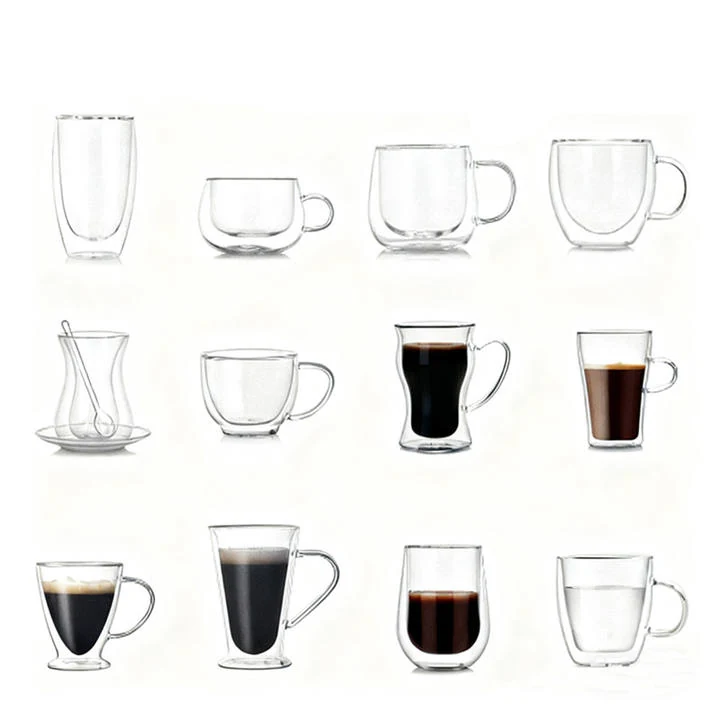
The total market size is modest when compared with larger African economies, but it shows stable replacement demand. Most glass cups are imported from regional partners and overseas manufacturers. Local production focuses on decorative and small-batch functional glass. Glass cups are widely used in restaurants, hotels, bars, supermarkets, and home kitchens across urban centers such as Windhoek and Swakopmund.
Government efforts to promote tourism and small industry indirectly support the glassware sector. Namibia’s participation in regional customs agreements simplifies trade flows. Foreign investment in mining and hospitality also increases corporate and event-related demand. Stable policy conditions and open trade channels create a predictable business environment for glass cup suppliers.
Market Demand Structure
The glass cup market in Namibia can be divided into hospitality, retail distribution, and promotional segments. Hospitality includes hotels, safari lodges, guesthouses, bars, and restaurants. Retail includes supermarkets and homeware stores that sell glass cups to households. Promotional demand comes from beverage brands and corporate events that require logo-printed drinkware.
Hospitality buyers focus strongly on durability and breakage resistance. Remote lodges cannot easily replace damaged items, so strength and stackability matter. Retail buyers pay attention to price and modern design trends. Promotional buyers require printing quality and customization flexibility.
Seasonal tourism also shapes purchasing cycles. Peak travel periods increase glass usage in hotels and bars. Distributors often prepare higher inventory before the tourism season begins.
Growth Drivers and Industry Development
Tourism is the strongest growth driver for this sector. Namibia attracts international visitors who travel for wildlife, desert landscapes, and coastal experiences. Each new lodge opening creates demand for thousands of glass cups for rooms and restaurants. Even existing hotels replace glassware regularly due to wear and breakage.
Urban lifestyle changes also support growth. The café and casual dining culture in Windhoek continues to expand. Young consumers prefer social dining and coffee shops. These businesses demand stylish tumblers and coffee glasses that support branding and presentation.
Regional supply networks reduce logistics risk. Many Namibian distributors source from nearby countries in Southern Africa. Shorter transport routes reduce delivery time and shipping costs. This regional structure helps stabilize pricing and supply continuity.
Part 2: Leading Companies
Namibia Glass & Decor CC
Namibia Glass & Decor CC was established in 2008 in Windhoek. The company began as a decorative glass workshop serving interior design projects. Over time, it expanded into functional glass cups for hospitality and corporate clients. The business combines craftsmanship with small-scale production flexibility.
The company produces engraved glass cups, customized tumblers, and limited-batch wine glasses. It provides sandblasting and logo printing services for hotels and events. Production remains semi-manual, which allows short production runs and personalized design. This model suits boutique lodges and premium gift buyers.
Namibia Glass & Decor mainly serves hotels, safari camps, and corporate event organizers. Its strength lies in customization and responsive service. The company has received local recognition for supporting small manufacturing and creative design.
Kalahari Glass Supplies
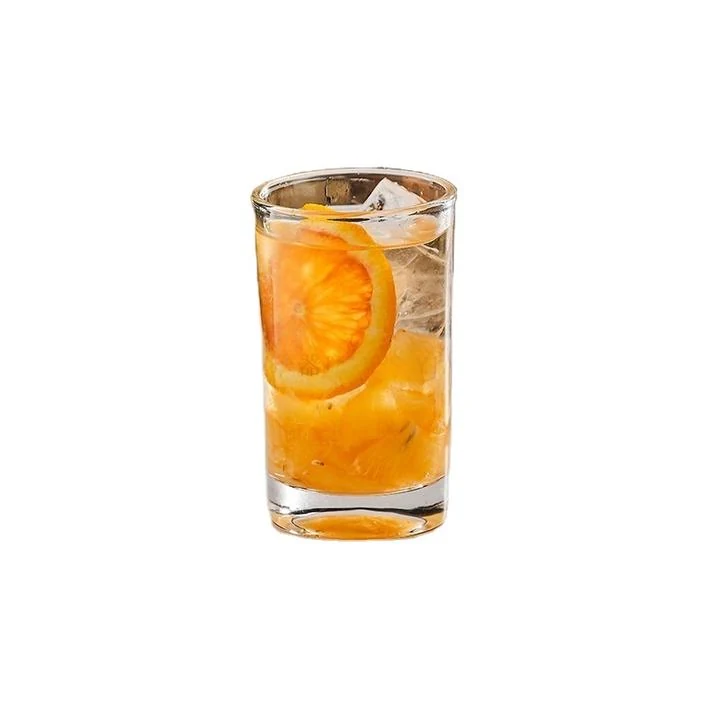
Kalahari Glass Supplies was founded in 2013 and operates as a distributor with light processing capability. The company is located in an industrial area of Windhoek. It sources bulk glass cups from regional manufacturers and completes branding or packaging locally.
Its product portfolio includes water glasses, beer mugs, cocktail cups, and catering tumblers. The company maintains warehouse inventory to ensure fast delivery. Quality inspection is conducted before distribution to hospitality clients. This approach reduces waiting time compared with direct overseas import orders.
Kalahari Glass Supplies mainly serves restaurants, catering companies, and beverage distributors. Its competitive advantage is inventory stability and efficient logistics coordination. The company follows food-contact product safety standards and maintains compliance documentation.
Desert Crystal Creations

Desert Crystal Creations started in 1999 near Swakopmund as a small artisan glass studio. The business initially focused on handcrafted decorative pieces inspired by desert landscapes. As tourism expanded, the company introduced functional glass cups for souvenir and hospitality markets.
The company produces artistic tumblers, souvenir cups, and specialty wine glasses. Designs often reflect desert tones and minimalist aesthetics. Production is craft-oriented, with attention to surface finishing and engraving detail. Custom engraving services are popular among tourists and gift buyers.
Desert Crystal Creations mainly serves souvenir shops, boutique hotels, and tourism centers. Its strength lies in storytelling through design and local identity. The company has received recognition within tourism and craft communities.
Company Comparison
| Company | Founded | Core Products | Industries | Certifications |
|---|---|---|---|---|
| Namibia Glass & Decor CC | 2008 | Engraved cups, custom tumblers | Hotels, corporate gifts | Local business awards |
| Kalahari Glass Supplies | 2013 | Water glasses, beer mugs | Restaurants, catering | Safety compliance documentation |
| Desert Crystal Creations | 1999 | Artistic tumblers, souvenir cups | Tourism retail | Craft recognition |
Part 3: Trade Shows and Industry Events
Namibia Tourism Expo
Namibia Tourism Expo is one of the most important annual business gatherings for the hospitality sector. It connects lodge owners, hotel managers, suppliers, and service providers. Glass cup suppliers attend to present durable and customized drinkware solutions for tourism businesses.
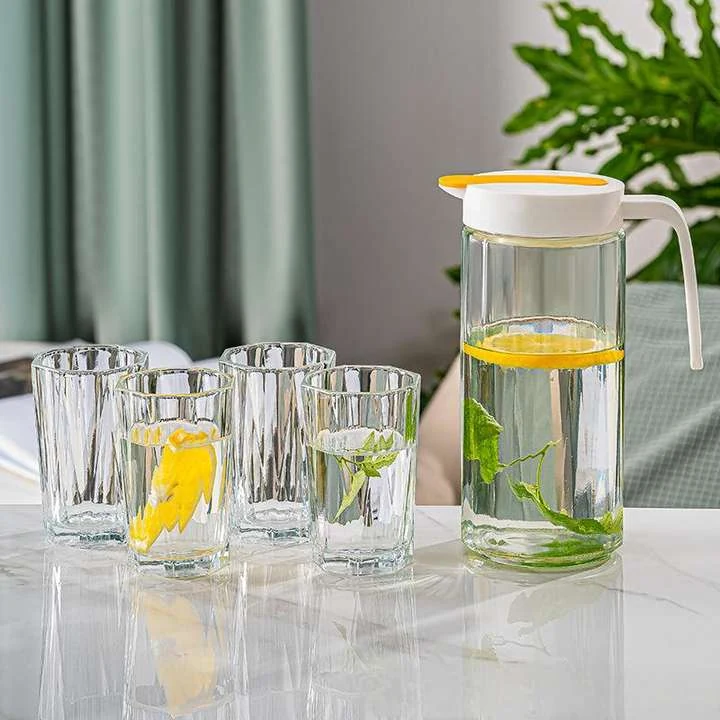
The event takes place annually in Windhoek. It attracts both domestic and regional exhibitors. Procurement managers from lodges and hotels attend to evaluate suppliers. Many supply discussions begin with face-to-face meetings during the exhibition.
The highlight of the expo is direct networking. Suppliers demonstrate product durability and design quality on site. Personal interaction builds trust, which is important in a relatively small and relationship-driven market.
Windhoek Industrial & Trade Fair
Windhoek Industrial & Trade Fair covers a wide range of manufacturing and service industries. Glass cup suppliers and distributors join to expand retail and wholesale connections.
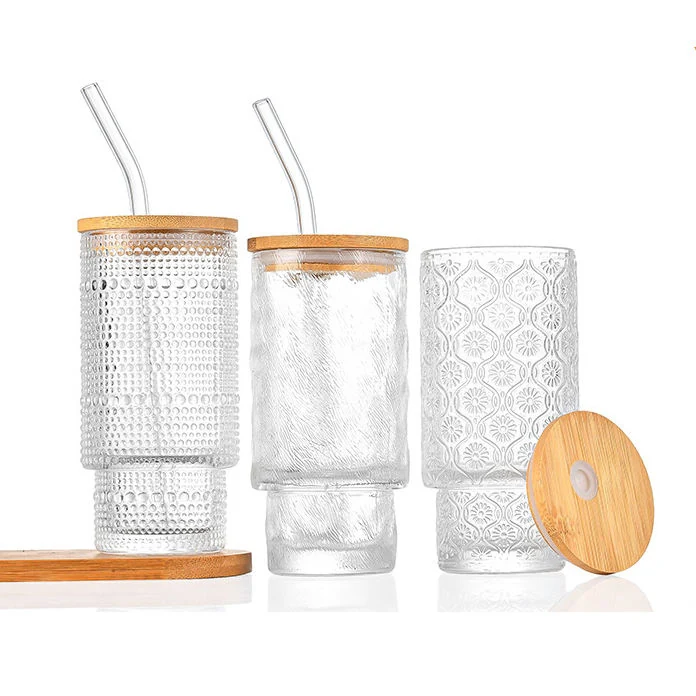
The fair is held annually in Windhoek and attracts companies from different sectors. Retail chains, wholesalers, and small business owners attend to explore new products and partnerships.
The key advantage of this event is cross-industry exposure. Glass cup suppliers meet not only hospitality buyers but also promotional companies and supermarket representatives. This wider audience supports distribution channel expansion.
Event Summary
| Event | Date | Location | Highlights |
|---|---|---|---|
| Namibia Tourism Expo | Annual | Windhoek | Hospitality networking and supplier meetings |
| Windhoek Industrial & Trade Fair | Annual | Windhoek | Cross-industry business exposure |
Part 4: Impact of Global Trade Policies
Namibia depends heavily on imported glass cups. This means global trade policies have a direct influence on cost and availability. Regional trade agreements reduce tariffs within Southern Africa. Open trade policies allow distributors to source products from multiple countries.
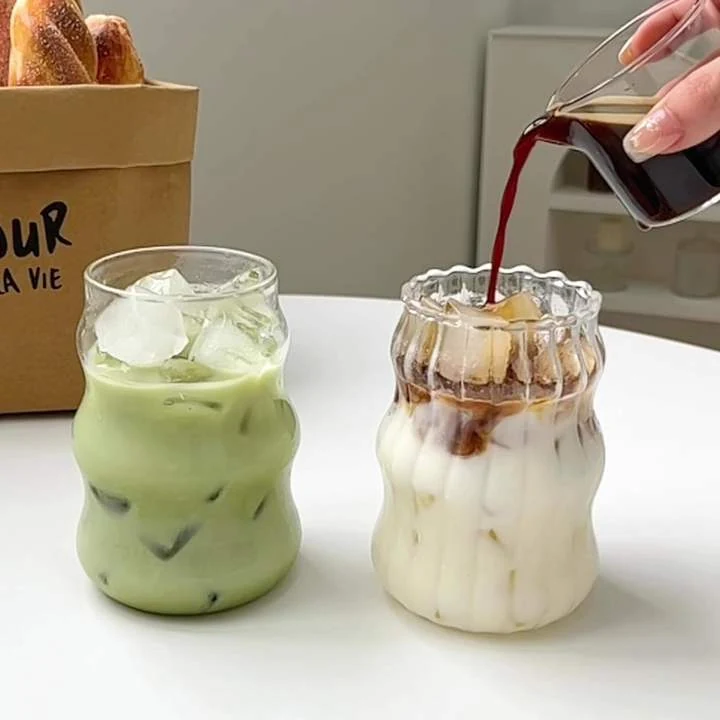
Global shipping costs and energy prices affect final product pricing. Glass manufacturing requires high energy consumption. When energy costs rise in producing countries, export prices increase. These changes pass through importers and finally reach hospitality buyers.
Currency exchange rates also affect import cost. When the local currency weakens, glass cup prices rise. Distributors often manage this risk by adjusting stock levels and negotiating longer-term contracts.
Local Production and Supply Chain Risk
Large-scale industrial glass manufacturing is limited in Namibia. Most local workshops operate on a small scale and focus on decorative or customized items. Industrial production would require significant capital investment and stable energy supply.
Regional sourcing helps reduce risk. Shorter transport routes lower shipping uncertainty. Many distributors maintain stable partnerships within the Southern African region. This structure supports reliable restocking.
However, full local substitution remains difficult for standard mass-market glass cups. Import reliance continues to shape pricing and supply conditions.
International Competition and Opportunities
Premium hotels sometimes prefer imported branded glassware to strengthen their luxury image. These products emphasize design and brand reputation. They usually come from established manufacturing countries.
At the same time, cost-sensitive buyers look for competitive suppliers who can provide bulk pricing and stable quality. Distributors must balance price, durability, and delivery time. Hospitality buyers increasingly value reliable supply more than the lowest price.
Namibia’s tourism development creates opportunities for suppliers who understand hospitality standards. Companies that provide consistent quality, flexible customization, and stable delivery schedules can build long-term partnerships in this market.
Part 5: Conclusion
The glass cup market in Namibia is small but steady and closely linked to tourism performance. Hospitality growth, urban dining culture, and retail expansion continue to drive demand. Suppliers who offer durability, customization, and reliable logistics have strong potential in this environment.
The industry also faces clear challenges. Import dependence exposes businesses to currency fluctuations and shipping risks. Local manufacturing capacity remains limited. Careful sourcing strategy and inventory planning will remain critical for sustainable development in Namibia’s glass cup sector.