Skip to content
Part 1: Market Size and Growth
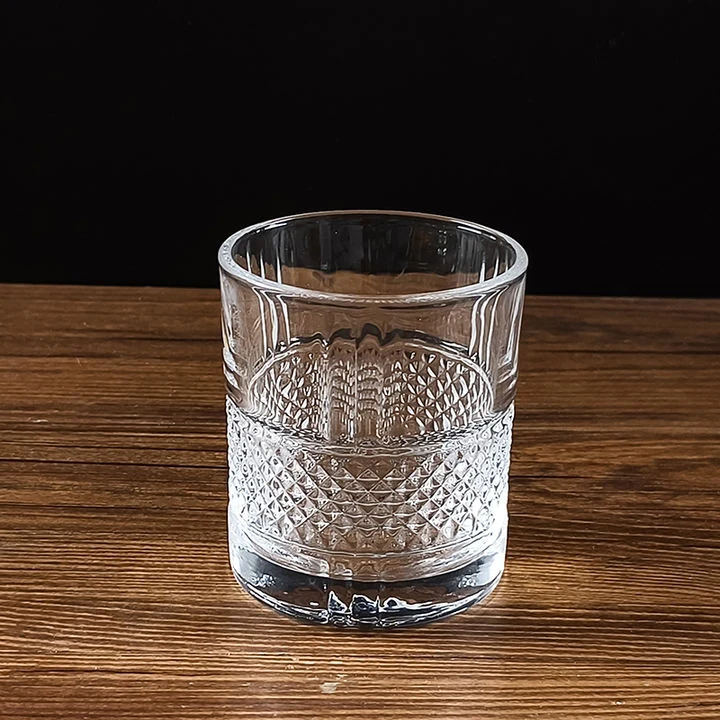
The glass cup manufacturing industry in Palestine is still in its nascent stages compared to global standards. However, the region has witnessed some progress in the last decade. With a rich history in glass production dating back centuries, the industry has slowly transitioned into modern-day manufacturing.
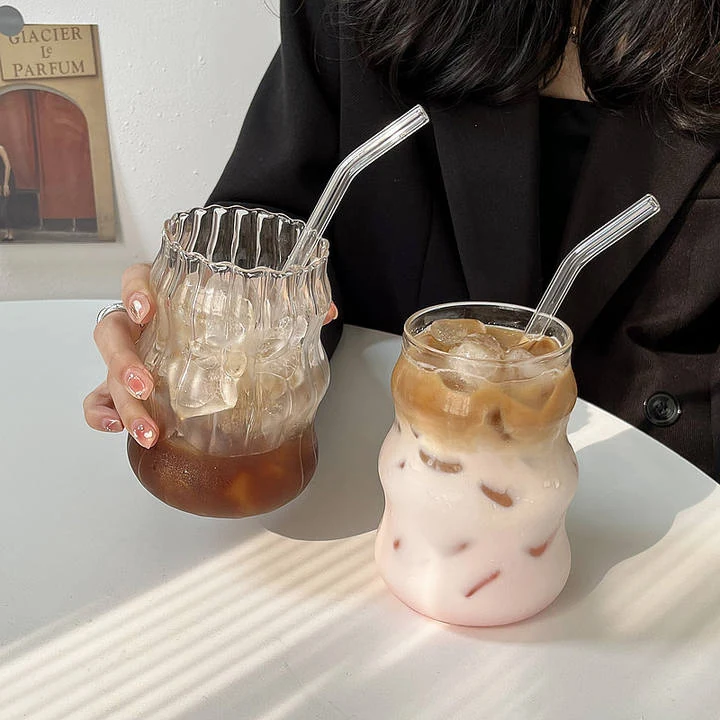
The market size in Palestine remains relatively small due to the region's political and economic challenges. Despite these obstacles, the demand for glass products, particularly cups, has steadily increased, driven by local businesses and export opportunities. Glass cups are primarily used in the hospitality and foodservice sectors, with hotels, restaurants, and cafes being the largest consumers.
Government policies, foreign investments, and regional trade agreements play a significant role in shaping the industry’s growth. Additionally, the existence of small-scale local manufacturers has led to the emergence of regional clusters that help reduce costs and foster innovation.
Part 2: Leading Companies
Company 1: Palestine Glass Works
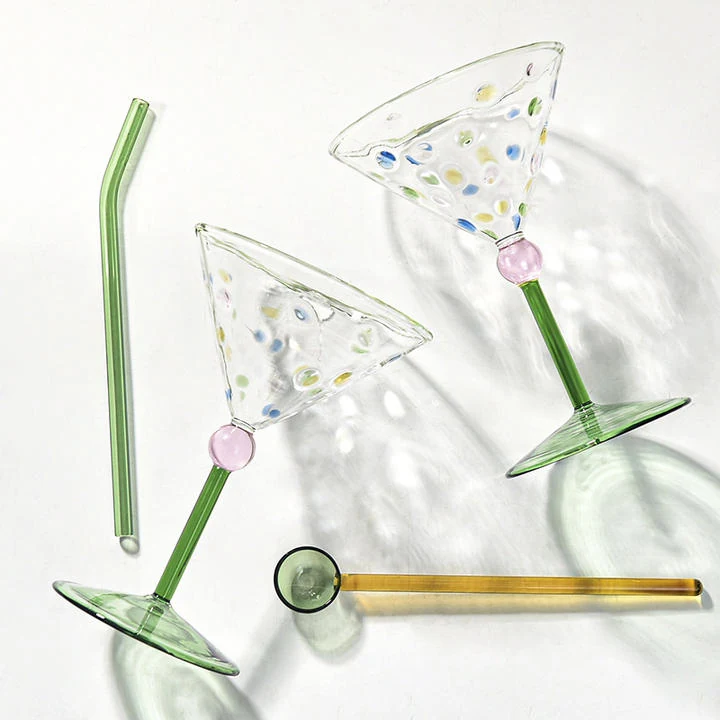
Palestine Glass Works, founded in 1998, is one of the prominent manufacturers in the region. Located in the West Bank, the company specializes in glassware for both local and international markets. They produce high-quality glass cups and other tableware items, catering to hospitality sectors across the Middle East.
Their primary products include glass cups, glassware for beverages, and decorative glass items. They have built a solid reputation for their aesthetic designs and durability. The company serves various industries such as hospitality, retail, and custom gift solutions.
In terms of technology, Palestine Glass Works has invested in modern production lines to improve efficiency and product quality. They have also received numerous certifications, including ISO 9001, for their commitment to quality control.
Company 2: Al-Quds Glass Factory
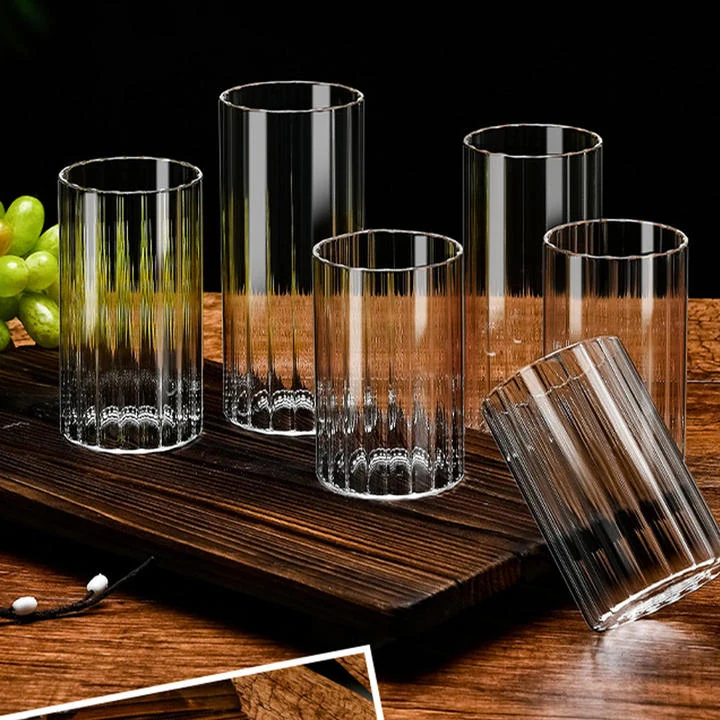
Al-Quds Glass Factory, established in 2005, is another key player in the Palestinian glass manufacturing sector. With its factory located in Ramallah, the company produces an array of glass products, with a focus on glass cups and drinking glasses.
Al-Quds Glass Factory’s products are known for their precision and high-end finish. They provide a wide variety of glass items, from simple drinking glasses to specialized glassware for upscale restaurants and hotels. They cater to markets in the Middle East, Europe, and beyond.
The company is highly committed to sustainability, using eco-friendly materials and production methods. Their technological innovation lies in the automated processes they have incorporated into their production lines, which helps minimize waste. They also boast certifications for environmental management and product quality.
Company 3: Jordanian-Palestinian Glass Co.

Jordanian-Palestinian Glass Co., founded in 2010, is a joint venture company that blends Palestinian craftsmanship with modern techniques. They produce a variety of glass products, including glass cups, vases, and ornamental pieces. With a factory in Nablus, they are recognized as one of the most significant players in the local glass manufacturing scene.
Their products are sought after for their fine craftsmanship, design, and customizability. Glass cups produced by the company are highly regarded by international buyers, particularly those in the hospitality and luxury markets. Their key markets include Europe, the United States, and the Arab world.
The company’s investment in advanced technology and its emphasis on fine-tuned production has allowed them to gain several accolades, such as ISO 14001 and 18001 for quality and environmental management systems.
| Company | Founded | Core Products | Industries | Certifications |
|---|---|---|---|---|
| Palestine Glass Works | 1998 | Glass cups, tableware | Hospitality, retail, gifts | ISO 9001 |
| Al-Quds Glass Factory | 2005 | Drinking glasses, cups | Hospitality, retail, upscale | ISO 14001, ISO 9001 |
| Jordanian-Palestinian Glass Co. | 2010 | Glass cups, ornaments | Hospitality, luxury, retail | ISO 14001, ISO 18001 |
Part 3: Trade Shows and Industry Events
The glass manufacturing industry in Palestine is still in the early stages of its development, but it does participate in several regional trade events. These trade shows are critical for showcasing Palestinian-made glass products to a global audience.
One of the key events for glass manufacturers in the region is the Palestinian Glass Exhibition held annually in Ramallah. This exhibition gathers both local manufacturers and international buyers, providing an excellent opportunity to network, share innovations, and negotiate deals.
Another prominent trade event is the Middle East Glass and Metal Expo, which takes place in Dubai. This event attracts a wide range of participants from the glass manufacturing industry, including raw material suppliers, equipment manufacturers, and glass product producers. Companies from Palestine participate to meet new buyers and discover emerging trends in the glass industry.
| Event | Date | Location | Highlights |
|---|---|---|---|
| Palestinian Glass Exhibition | Annually | Ramallah | Showcase for Palestinian-made glass products |
| Middle East Glass and Metal Expo | October | Dubai | International expo for glass and metal products |
Part 4: Impact of Global Trade Policies
Global trade policies, sanctions, and trade agreements have had a direct impact on the glass cup manufacturing industry in Palestine. As a part of the Palestinian territories, businesses in this sector often face unique challenges, particularly with export regulations and border restrictions.
Despite the difficulties, Palestinian manufacturers have adapted by building strong relationships with regional partners and targeting export markets in Europe and the Middle East. The challenge of international competition remains significant as Palestinian companies must balance competitive pricing with quality to succeed in these markets.
The region’s dependence on external supply chains for raw materials has also exposed it to risks. However, manufacturers have begun exploring alternative local sources for raw materials. Palestinian glass manufacturers continue to look for ways to reduce dependency on international suppliers while enhancing product quality and innovation.
Part 5: Conclusion
Looking forward, the glass cup manufacturing industry in Palestine presents opportunities in both local and international markets. With ongoing technological advancements, Palestinian manufacturers are increasing their capacity to produce high-quality glassware. The potential for growth lies in expanding regional cooperation, fostering innovation, and ensuring that sustainability remains at the core of production methods.
However, challenges persist, especially in terms of access to international markets, political instability, and supply chain issues. These obstacles must be addressed if the industry is to achieve sustainable growth in the coming years.