Part 1: Market Size and Growth
The glassware market in the Solomon Islands is small and still developing. The Solomon Islands do not have a large local glass manufacturing industry, but demand exists for quality glass cups in homes, hotels, and restaurants. Local businesses and consumers have been importing glass products for many years because the island nation does not have large industrial glass factories.
In recent years, global trade and tourism have lifted demand for quality glassware. Tourism growth and expansion of the hospitality sector increase the need for products like wine glasses, beer glasses, water tumblers, and drinking vessels. This demand is driven by hotels, resorts, bars, and cafes that want durable and attractive glass cups.
While the domestic manufacturing base is limited, small workshops and artisan studios have begun experimenting with glass products. Artisans and craftspeople look to serve local markets with handmade or custom glass cups. They often use imported materials and simple kilns to craft pieces, and this trend reflects both cultural expression and small business growth.
Part 2: Leading Companies
Solomon Islands Glass Craft

Solomon Islands Glass Craft is one of the few artisan glass studios in the country. Founded by a local artist with a passion for glasswork, this company grew from a backyard studio into a small workshop. The founders wanted to create unique glass cups that reflect local culture and artistry.
The company focuses on handmade glass cups and small batches of drinkware. They produce water glasses, tumblers, and decorative cups with island-inspired designs. Their pieces often feature color and patterns that appeal to locals and visitors alike.
Their products serve boutique hotels, local gift shops, and private collectors. Solomon Islands Glass Craft is known for combining functional glass cups with artistic detail. They often experiment with colors and shapes not seen in mass-produced glassware, giving them a unique position in the market.
One of the key features of this company is its dedication to craftsmanship. Every piece is shaped by hand, and this creates slight variations that make each cup unique. While output is limited compared to industrial producers, the quality and character of their work attract customers who value art and design.
Pacific Island Artisans Glass
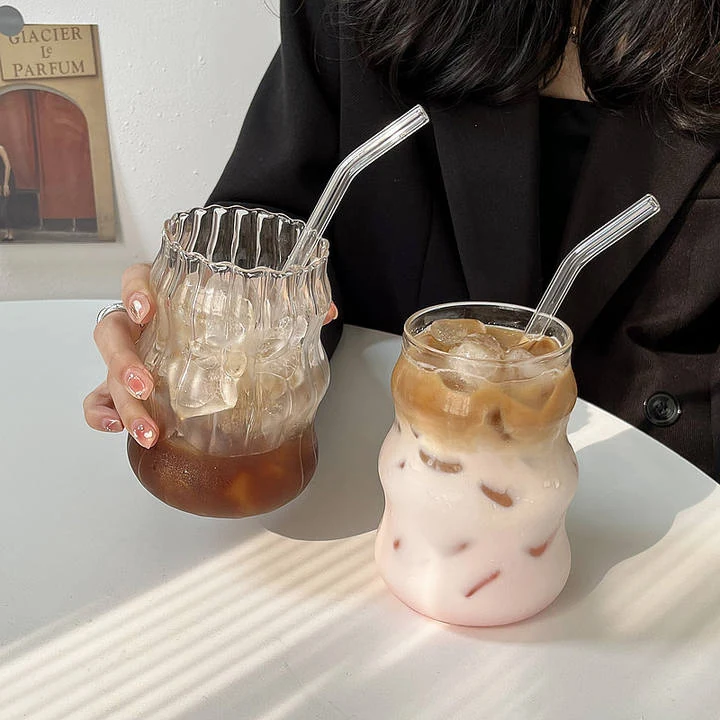
Pacific Island Artisans Glass is a small collective of artisans from several Pacific nations, including the Solomon Islands. The group was formed to support local craftspeople working with glass and to share skills across communities. They work in a cooperative model, pooling resources and skills to make glassware.
Their range includes glass cups, small pitchers, and decorative pieces. The group emphasizes sustainability, using recycled glass where possible and simple kilns that run on local fuels. This reduces the environmental impact and gives second life to glass waste.
Their main clients are local shops and tourism-focused stores. Visitors often buy these glass cups as souvenirs, attracted by the colorful designs and cultural motifs. The collective also sells through online shops that specialize in Pacific Island crafts.
Innovation for this group comes from blending traditional motifs with modern glass techniques. They experiment with textures and colors that reflect island landscapes, sea, and cultural symbols. Though not mass producers, their work shows how local knowledge and art can create value in a small market.
Honiara Handmade Glass
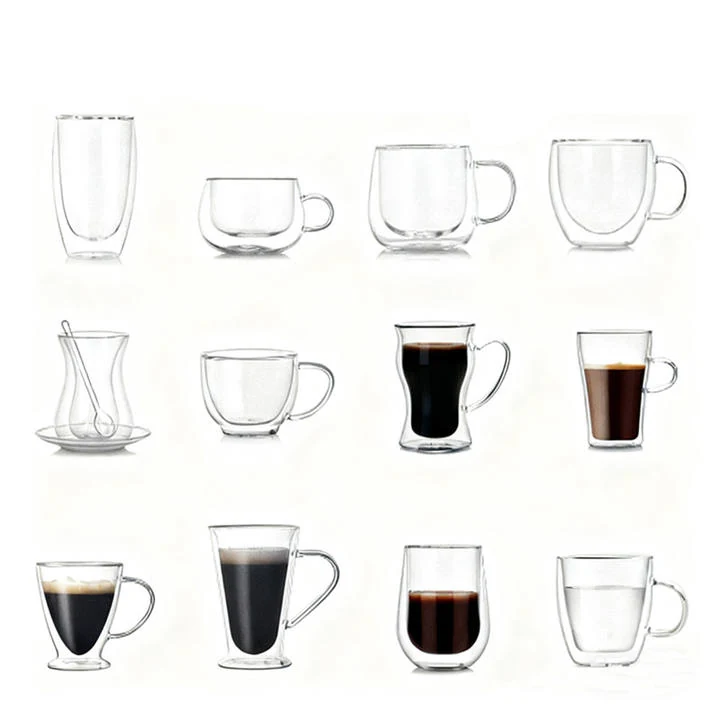
Honiara Handmade Glass is a workshop based in the capital city, Honiara. It started as a small studio focusing on custom glass pieces and private commissions. Over time, they gained attention for their durable and attractive drinking glasses.
The company produces a variety of glass cups, including traditional tumblers and stemware. They work with clients to create custom sizes, thicknesses, and designs. Many local cafes and restaurants order branded glass cups that match their style.
Their services also include repair and reshaping of glassware. This service is important in a place where new imports can be costly and slow to arrive. By repairing broken pieces, they help extend the life of existing glassware.
Honiara Handmade Glass continues to build its reputation through quality and service. They train new artisans and maintain a small display space where customers can see and order pieces. Their focus on both functional and decorative glass cups gives them a steady presence in the local market.
| Company | Founded | Core Products | Industries | Certifications |
|---|---|---|---|---|
| Solomon Islands Glass Craft | Early 2010s | Handmade glass cups | Hospitality, Gifts | Local craft awards |
| Pacific Island Artisans Glass | Mid 2010s | Glass cups and decor | Tourism, Retail | Sustainability recognition |
| Honiara Handmade Glass | Late 2010s | Custom and repair glassware | Restaurants, Custom Orders | Local quality certificates |
Part 3: Trade Shows and Industry Events
Solomon Islands Cultural Fair
The Solomon Islands Cultural Fair is an annual event that brings together artisans and craft producers from across the islands. This fair highlights local culture, food, art, and crafts, including glasswork. Many small glass producers bring samples of their cups and drinkware to show visitors and buyers.
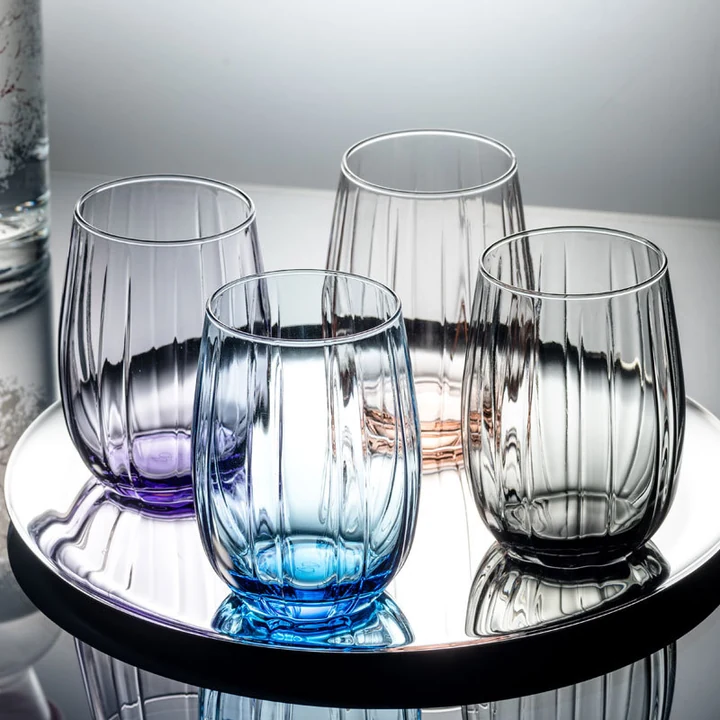
The fair takes place in Honiara and attracts locals and visitors from nearby islands. It runs over several days and includes demonstrations by artists, workshops for visitors, and craft sales. Glass artisans often use this event to sell directly to customers and meet retailers who might want to stock their products.
One highlight is the live glassblowing demonstrations. Visitors can see how raw glass becomes shaped into cups and other items. This part of the event educates people about the craft and encourages interest in handmade glassware.
Pacific Arts and Trade Expo
The Pacific Arts and Trade Expo is a multi-nation event that showcases products from Pacific Island countries. It brings together businesses, artisans, and buyers interested in Pacific-made goods. Glass cup makers from the Solomon Islands attend to display their work and connect with international buyers.
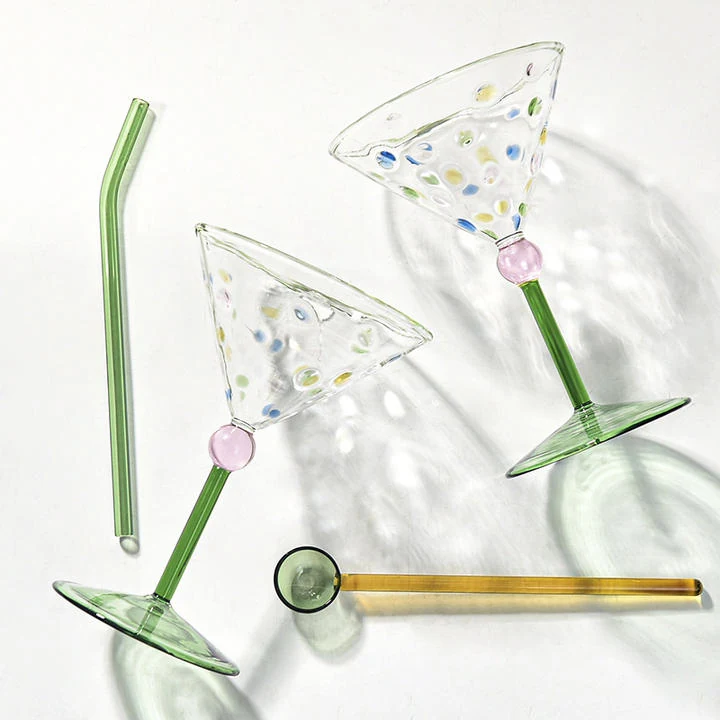
The expo moves between host countries and often includes workshops, discussion forums, and product displays. For glass cup manufacturers, it offers a chance to see trends, learn techniques, and build export contacts. Many visitors come from Australia, New Zealand, and Asia to explore products.
One key highlight is the networking sessions. Local producers can meet distributors and retailers interested in sourcing Pacific-made glassware. The event’s scale makes it one of the most important for small manufacturers seeking growth opportunities.
| Event | Date | Location | Highlights |
|---|---|---|---|
| Solomon Islands Cultural Fair | Annual, mid-year | Honiara | Local crafts, live glass demonstrations |
| Pacific Arts and Trade Expo | Annual rotating | Pacific locations | International buyers, trade connections |
Part 4: Impact of Global Trade Policies
Global trade policies affect the glassware sector in small island nations like the Solomon Islands. Because the country does not produce raw glass materials, it depends on imports for many inputs. Trade tariffs, shipping costs, and trade agreements impact how easily materials arrive and how expensive final products become.
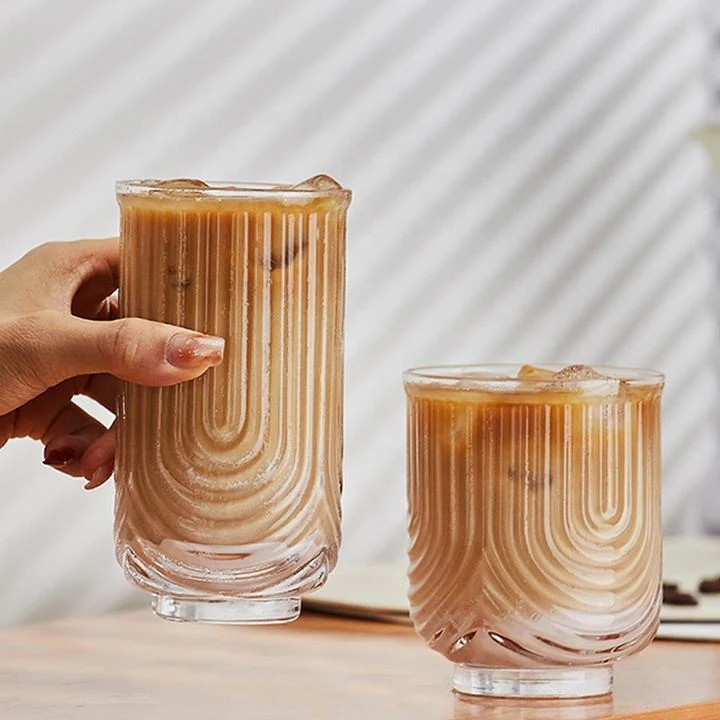
Policies that lower import tariffs can help local glass workshops by making raw materials less costly. At the same time, trade barriers for finished goods influence how imported glass cups compete with locally made products. International agreements, such as those involving Pacific Island nations and larger partners, affect these costs and market access.
Supply chain risks also play a role. The islands are remote, and shipping delays affect inventory and production schedules. Local manufacturers must manage these risks by planning ahead or keeping larger inventories when possible.
Global competition presents both challenges and opportunities. Imported glass cups from large producers in Asia can be cheaper, but local makers can offer unique, handmade designs that attract niche buyers. Trade policies that encourage cultural exports can help artisan groups find new markets.
Part 5: Conclusion
The glass cup market in the Solomon Islands is small but full of potential. Growth in tourism and hospitality drives demand for quality drinkware. Local artisans and small workshops show how creativity and skill can create products that appeal to both locals and visitors. These makers may not compete with large industrial producers, but their work has cultural value and market potential.
Challenges remain, such as reliance on imported materials, shipping costs, and competition with cheaper imports. However, artisans who focus on design, sustainability, and cultural identity can build a unique brand. Continued participation in regional trade events and smart navigation of global trade policies will help this sector grow and reach new customers.