Skip to content

Part 1: Market Size and Growth
The glass manufacturing industry in South Africa plays a vital role in various sectors, from homeware to industrial products. With its well-established infrastructure and growing demand, this sector continues to expand. The rise in disposable income and increasing urbanization has boosted the demand for glassware, including glass cups.
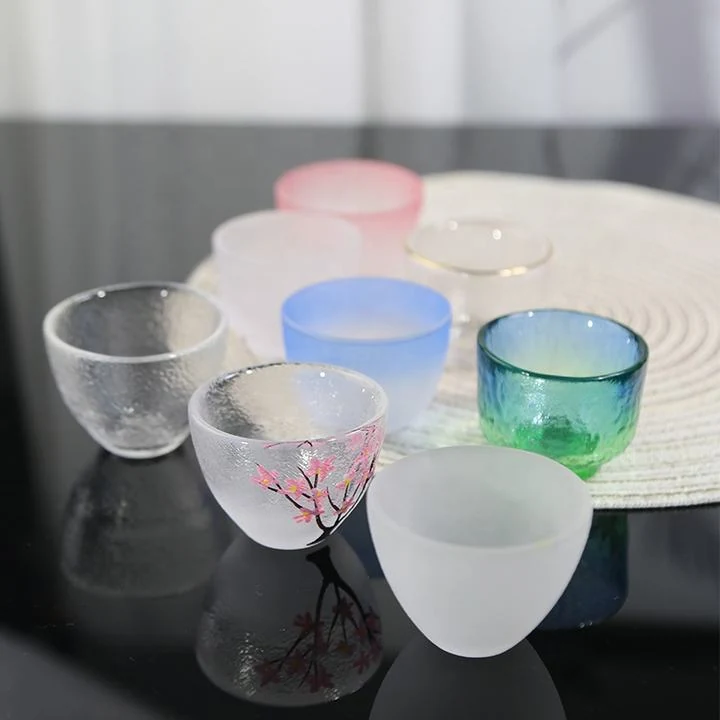
South Africa's glass industry benefits from both domestic consumption and international exports. The key applications range from household glassware to specialized glass products for the hospitality and industrial sectors. As trends in sustainable packaging and eco-friendly products increase, the demand for quality glass products continues to grow.
The industry's growth is further supported by government policies encouraging local manufacturing and investment in advanced technologies. Additionally, industry clusters in major cities like Johannesburg and Cape Town provide a competitive advantage by fostering innovation and reducing production costs.
Part 2: Leading Companies
Nampak Glass
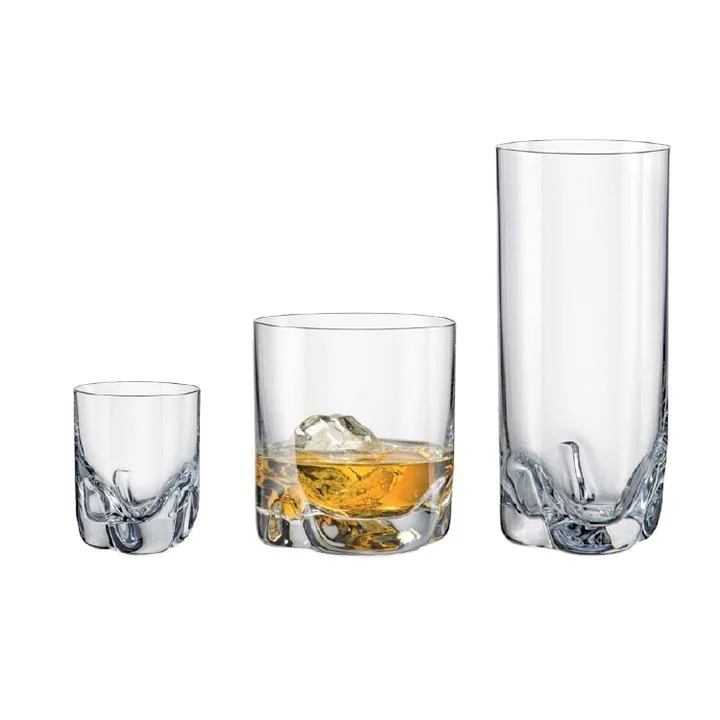
Nampak Glass is one of South Africa's most established manufacturers, founded in 1968 and headquartered in Johannesburg. The company is part of the Nampak Group, which has been a leader in the packaging industry. Nampak Glass specializes in producing glass containers for beverages, including beer, wine, and soft drinks.
Nampak offers a wide range of glass products, primarily for the food and beverage industry. Their glass cups are known for their durability and high-quality standards. Nampak has consistently focused on reducing its environmental impact by implementing energy-efficient manufacturing processes and recycling initiatives.
Their core industries include beverage production, food packaging, and industrial applications. Nampak also places significant emphasis on developing sustainable products, aligning with global environmental standards. The company has received multiple certifications, including ISO 9001 for quality management and ISO 14001 for environmental management.
Crystals Glassware

Founded in 1994, Crystals Glassware is located in Cape Town and specializes in the design and production of luxury glassware. The company serves high-end markets, particularly in the hospitality and gifting sectors, providing bespoke glass cups and decorative glass products.
Crystals Glassware offers beautifully crafted products for both decorative and functional purposes. Their expertise lies in creating custom designs, often for corporate gifts or premium restaurants. Their product line includes high-end wine glasses, tumblers, and decorative glassware that reflect the finest craftsmanship.
The company serves industries like luxury hospitality, corporate gifting, and event planning. They are known for their meticulous attention to detail and ability to offer tailored solutions. Crystals Glassware holds various industry certifications, including those for eco-friendly production methods and fair trade practices.
Gauteng Glass

Gauteng Glass, based in the Gauteng province, is a key player in South Africa’s glass manufacturing industry. Established in 1980, the company produces a wide range of glass products, from everyday glassware to custom-designed items for businesses. Their products cater to both retail and wholesale clients.
Gauteng Glass focuses on providing versatile and cost-effective solutions, including glass cups, mugs, and specialty glass products. They offer high-quality glass that’s suitable for mass production and custom orders. Their production process incorporates advanced technology to meet both efficiency and quality standards.
Gauteng Glass serves multiple industries, including retail, hospitality, and foodservice. Known for their consistent quality and competitive pricing, they hold certifications for product safety and manufacturing processes, including ISO 9001.
| Company | Founded | Core Products | Industries | Certifications |
|---|---|---|---|---|
| Nampak Glass | 1968 | Glass containers, cups | Food & Beverage, Packaging | ISO 9001, ISO 14001 |
| Crystals Glassware | 1994 | Luxury glassware, cups | Hospitality, Gifting | Eco-friendly, Fair Trade |
| Gauteng Glass | 1980 | Glass cups, mugs, tumblers | Retail, Hospitality, Food | ISO 9001 |
Part 3: Trade Shows and Industry Events
South African Glass Industry Expo
South Africa hosts several key events, including the South African Glass Industry Expo, which attracts industry professionals worldwide. This event focuses on glass manufacturing, technology, and innovation. It provides a platform for networking and exploring the latest developments in the glass sector.
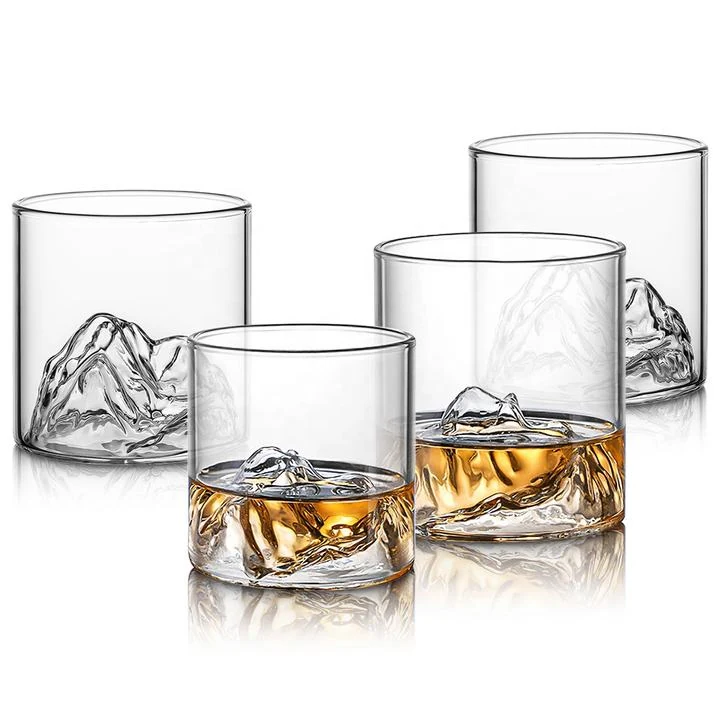
The South African Glass Industry Expo is held annually in Johannesburg, typically during the third quarter of the year. It features exhibits from leading manufacturers and suppliers, showcasing new products, materials, and techniques. The event also includes seminars and workshops on sustainability and technology innovations in glass production.
Cape Town International Convention Centre (CTICC) Expo
The CTICC hosts various industry events, including those for glass manufacturers. This venue is known for bringing together manufacturers, suppliers, and clients from across the globe, offering a space for discussing trends, policies, and new business opportunities.

The CTICC Expo is held annually, typically in spring, and includes global exhibitors in the glassware and manufacturing sectors. Attendees can explore the latest in glass technologies, from production machinery to sustainable materials. It is a key event for business leaders and decision-makers looking to stay competitive in the market.
| Event | Date | Location | Highlights |
|---|---|---|---|
| South African Glass Industry Expo | August | Johannesburg, South Africa | Networking, Product Innovation, Seminars |
| CTICC Expo | Spring | Cape Town, South Africa | Global Exhibitors, Glass Technology |
Part 4: Impact of Global Trade Policies
Global trade policies and agreements significantly influence South Africa's glass manufacturing industry. International trade agreements, such as the African Continental Free Trade Area (AfCFTA), have opened doors for increased exports. However, tariffs and trade sanctions can impact the cost and availability of raw materials for glass production.
With the push towards more sustainable manufacturing, South Africa’s glass industry faces both challenges and opportunities. There are ongoing efforts to reduce emissions and improve energy efficiency, but this requires significant investment. Local suppliers must also navigate trade agreements to stay competitive on the global stage.
The global market also brings competition from countries with lower production costs. As a result, South African manufacturers must focus on innovation and quality to maintain their market share. There are risks related to supply chain disruptions, but these also present opportunities for businesses that can adapt quickly to changing circumstances.
Part 5: Conclusion
The glass cup manufacturing industry in South Africa continues to evolve, driven by innovation, market demand, and global trade dynamics. With increasing interest in eco-friendly and customized glass products, South Africa remains well-positioned to meet international demands. Companies that prioritize sustainability and cutting-edge technology will be at the forefront of the market.
However, the industry must remain mindful of potential challenges, such as fluctuating raw material costs and trade policies. By building resilience in their supply chains and focusing on quality production, glass manufacturers in South Africa can thrive in an ever-competitive global market.