Skip to content
Part 1: Market Size and Growth
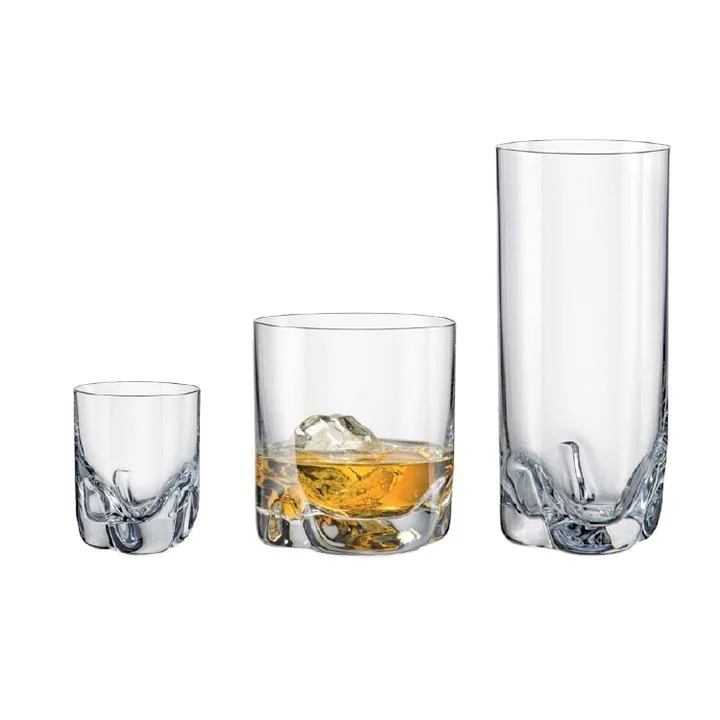
The glass manufacturing industry in Tanzania has experienced steady growth over the past decade. With a focus on quality and increasing demand for diverse glassware products, the industry has expanded its presence in both the local and regional markets. Tanzania's glass manufacturers play a key role in supplying a variety of glass products, from daily-use items to specialty glassware used in the food and beverage industries.
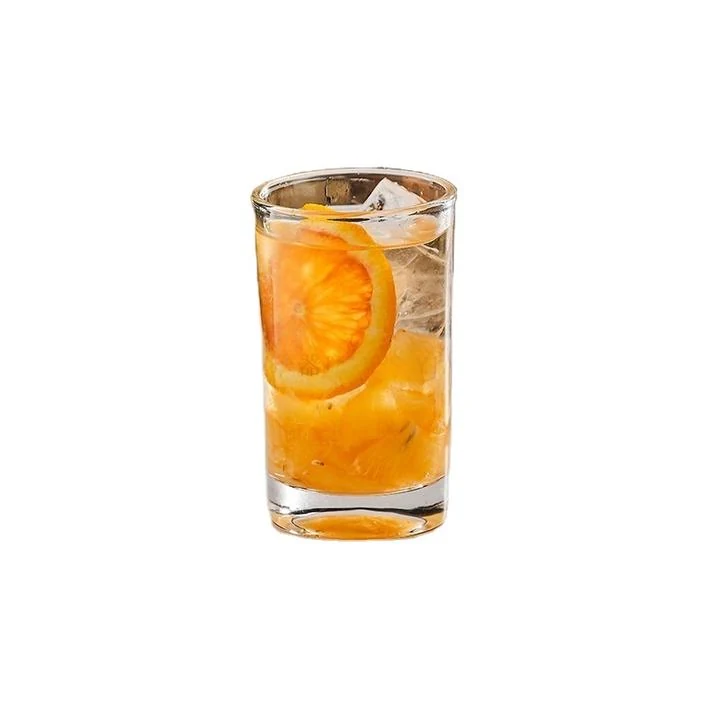
As Tanzania’s economy continues to grow, the market for glass products—especially in hospitality and consumer goods—has seen significant growth. The demand for glass cups and other drinkware products has risen due to increased urbanization and a growing middle class. Many local manufacturers are now also serving regional markets in East Africa, further increasing their market share.
The government has also played an important role by implementing favorable policies that encourage investment in local manufacturing. These policies, along with increasing foreign investment and the development of industrial clusters, have been instrumental in boosting production capacities and market competitiveness.
Part 2: Leading Companies
Tanzania Glass Works Ltd.

Tanzania Glass Works Ltd. is one of the leading manufacturers of glass products in the country. Established in 1961 and headquartered in Dar es Salaam, the company has a long-standing history in the Tanzanian glass industry. With its modern production facilities, Tanzania Glass Works produces a wide range of glass products including drinkware, containers, and bottles.
The company provides a variety of glass products used in consumer goods, hospitality, and food packaging industries. Tanzania Glass Works is known for its durable and high-quality glass products that meet the growing demand for both local and export markets. They focus heavily on sustainability and have implemented energy-efficient production techniques.
Tanzania Glass Works serves a broad range of industries including food and beverage, hospitality, and packaging. Their focus on innovation and environmental sustainability has positioned them as a key player in the region's glass manufacturing market. The company holds certifications for quality control and sustainable production processes, reinforcing their commitment to excellence.
East African Glassware Ltd.
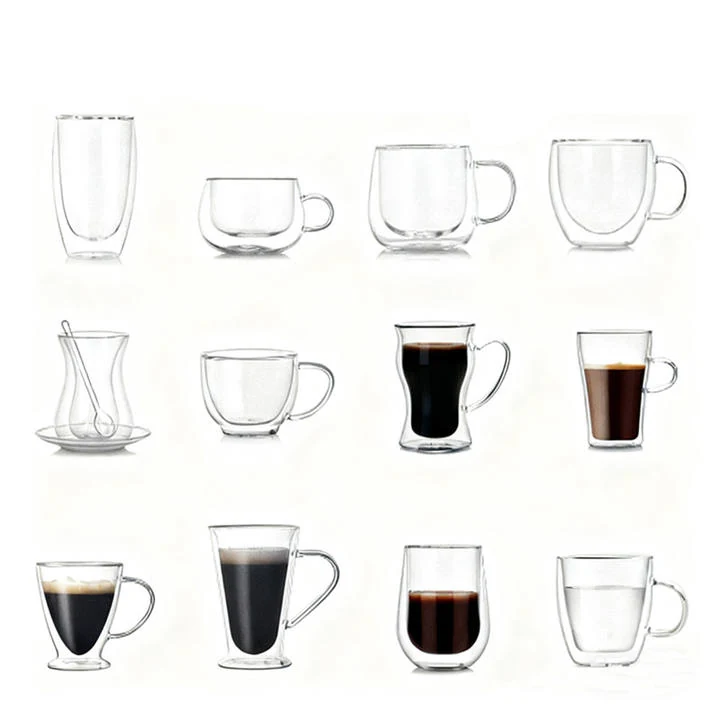
Founded in 1982, East African Glassware Ltd. is another major player in the Tanzanian glass manufacturing sector. Located in Arusha, the company specializes in producing various glass products such as cups, glasses, and containers. Over the years, East African Glassware has established itself as a leader in the regional glass industry.
The company offers a wide range of glassware products tailored to the foodservice, hospitality, and retail markets. They pride themselves on their ability to provide high-quality glassware with intricate designs that appeal to both local consumers and international buyers. East African Glassware places a strong emphasis on product durability and customer satisfaction.
East African Glassware Ltd. serves industries such as hospitality, retail, and catering, with a notable presence in the restaurant and hotel sectors. The company is also known for its innovative designs and superior quality, which has earned it several regional awards and industry certifications.
BIDCO Tanzania Ltd.

BIDCO Tanzania Ltd. is part of the BIDCO Group, a multinational conglomerate that operates across East Africa. Established in the 1990s, BIDCO Tanzania has been at the forefront of glass production, including high-quality glass containers and drinkware. Their manufacturing facility is located in Dar es Salaam, and they serve both the local and regional markets.
The company produces a variety of glass products, including beverage glasses, jars, and bottles. BIDCO focuses on delivering affordable and high-quality glassware solutions to various industries including food and beverage packaging, hospitality, and retail. Their commitment to innovation has driven them to incorporate advanced production techniques into their manufacturing process.
BIDCO Tanzania serves diverse industries, including food and beverage packaging, cosmetics, and personal care products. They also emphasize sustainability and have earned certifications for environmental and quality management systems, which further solidifies their position in the market.
| Company | Founded | Core Products | Industries | Certifications |
|---|---|---|---|---|
| Tanzania Glass Works Ltd. | 1961 | Drinkware, Containers, Bottles | Food & Beverage, Hospitality, Packaging | ISO 9001, Environmental Certifications |
| East African Glassware Ltd. | 1982 | Glasses, Cups, Containers | Hospitality, Retail, Catering | ISO 9001, Quality Awards |
| BIDCO Tanzania Ltd. | 1990s | Jars, Beverage Glasses, Bottles | Food & Beverage, Packaging, Retail | ISO 14001, Quality Certifications |
Part 3: Trade Shows and Industry Events
The glass manufacturing industry in Tanzania is actively represented at various international and regional trade shows. These events provide manufacturers with a platform to showcase their products, connect with potential buyers, and explore new business opportunities. Trade shows are a key avenue for growth, allowing companies to expand their reach and stay updated with industry trends.
One such prominent event is the Tanzania Trade Show, held annually in Dar es Salaam. This event attracts manufacturers from various industries, including glass manufacturing, and showcases a wide range of products. The show serves as a major platform for networking, collaboration, and business expansion. Tanzania Trade Show features numerous exhibitors from both local and international companies.
Another major event is the East Africa Glass and Packaging Expo. Held in Nairobi, Kenya, this expo brings together glass manufacturers, suppliers, and buyers from across the East African region. The event is an opportunity to display new product innovations, establish partnerships, and explore emerging trends in the glass manufacturing sector. This expo is an essential part of the regional glass industry calendar.
| Event | Date | Location | Highlights |
|---|---|---|---|
| Tanzania Trade Show | Annually | Dar es Salaam, Tanzania | Networking, Business Opportunities |
| East Africa Glass & Packaging Expo | Annually | Nairobi, Kenya | Product Innovations, Regional Partnerships |
Part 4: Impact of Global Trade Policies
Global trade policies, sanctions, and agreements have a significant impact on the glass manufacturing industry in Tanzania. Changes in tariffs and trade regulations often affect the cost and competitiveness of Tanzanian glass products in international markets. As the country increasingly participates in international trade agreements, manufacturers are finding it easier to access global markets, which is crucial for expanding their customer base.
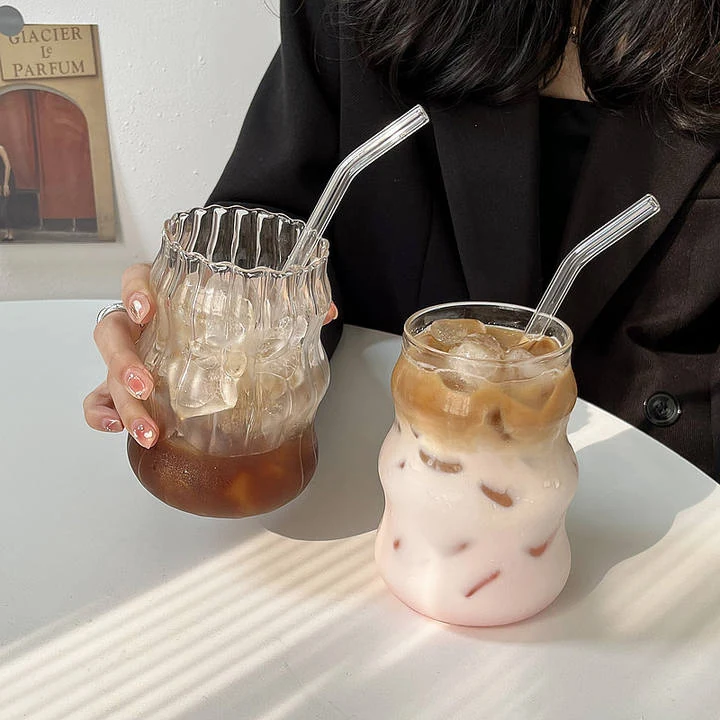
Local manufacturers also face the challenge of competing with imported products, which often come at lower prices. Tanzania's glass industry is working towards minimizing this gap by focusing on high-quality products and sustainable practices. Additionally, local companies are now exploring opportunities to develop domestic alternatives to imported glassware, reducing dependency on foreign suppliers and mitigating supply chain risks.
The global competitiveness of the Tanzanian glass industry has also been influenced by rising international demand for sustainable and eco-friendly products. Manufacturers are increasingly adopting environmentally friendly production methods, such as using recycled glass materials, to meet global sustainability standards and cater to international markets.
Part 5: Conclusion
The glass manufacturing industry in Tanzania is poised for significant growth in the coming years. Opportunities abound for local manufacturers to expand their market share and meet the rising demand for high-quality glass products. The industry’s growth is supported by a favorable business environment, increasing demand for glass products, and strong investment in production capabilities.
However, challenges such as global competition, rising production costs, and the impact of international trade policies remain. Tanzanian manufacturers must remain agile and invest in innovation, sustainability, and quality control to overcome these challenges and continue thriving in the competitive global glass market.