Skip to content
Part 1: Market Size and Growth
The glass manufacturing industry in Thailand has been experiencing steady growth over the years, driven by the demand for high-quality glass products across various sectors. As one of Southeast Asia's leading production hubs, Thailand has become a key player in the glass manufacturing market, especially in the production of glass cups. The market for glass cups has been expanding as consumers increasingly seek durable, stylish, and eco-friendly alternatives to plastic.

Thailand’s glass cup industry benefits from strong domestic demand as well as an increasing export market. The rise in international tourism and hospitality sectors has significantly boosted the demand for premium glassware products, including customized glass cups. Additionally, the growing trend towards sustainability has led many consumers to opt for glass over plastic, contributing to a thriving market.
Government policies and investments in the manufacturing sector have played a crucial role in the growth of the glass industry. Thailand’s central location within Southeast Asia provides easy access to raw materials, which has further enhanced its position as a manufacturing hub. The continued development of industrial clusters in regions such as Chonburi and Rayong supports this growth.
Part 2: Leading Companies
1. Thai Glass Industries Co., Ltd.

Thai Glass Industries, established in 1989 and based in Chonburi, Thailand, is a major player in the glass manufacturing industry. The company produces a wide range of glass products, including glass cups, bottles, and containers. Thai Glass Industries has built a reputation for its high-quality production standards and commitment to sustainability.
Their glass cups are known for their clarity, durability, and ability to maintain high-end design aesthetics. The company supplies glassware to various sectors, including the beverage, hospitality, and food industries. Thai Glass Industries is also recognized for its eco-friendly approach to production, using recyclable materials and reducing waste in its manufacturing processes.
With numerous certifications for quality and environmental management, Thai Glass Industries continues to innovate and improve its manufacturing techniques. The company is committed to providing custom-made solutions to clients, offering flexible production capabilities for businesses across the globe.
2. Thai Obayashi Corporation
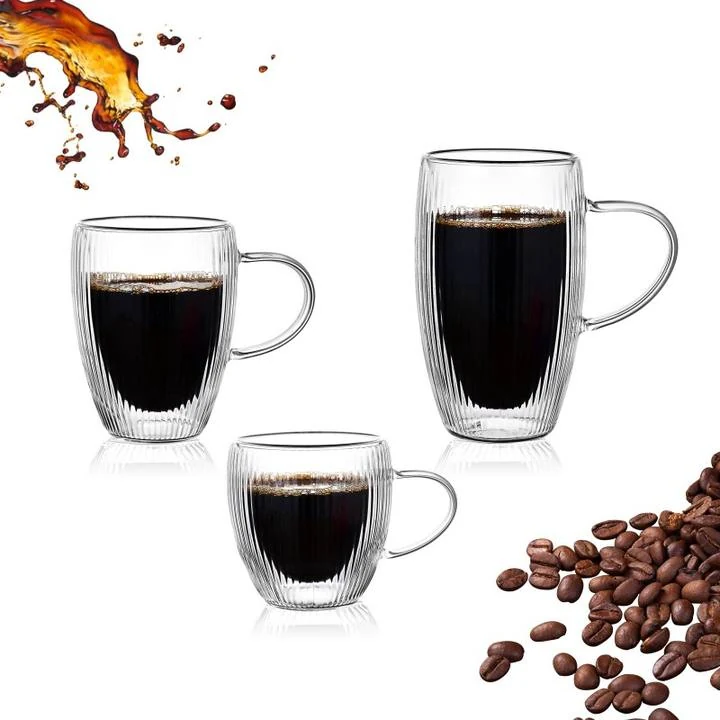
Founded in 1986 and headquartered in Bangkok, Thai Obayashi Corporation specializes in producing high-quality glassware, including glass cups for restaurants, hotels, and retail sectors. The company is a subsidiary of the Obayashi Group, a global construction and manufacturing company.
Thai Obayashi’s glass cups are widely used in hospitality, catering, and retail businesses. Their products are highly praised for their durability, sleek design, and resistance to breakage. The company is known for offering both standard and custom glassware options to meet the needs of diverse markets, with a strong focus on quality and customer satisfaction.
The company’s commitment to using state-of-the-art technology in production has allowed them to remain competitive in the ever-evolving glass manufacturing sector. Thai Obayashi has also made strides in integrating sustainability into its operations, with several initiatives to reduce energy consumption and improve the recyclability of its glass products.
3. P.K. Glassware Co., Ltd.

P.K. Glassware, established in 1997 in Thailand, is another notable manufacturer specializing in glass cups and other glass products. The company has gained recognition for its ability to produce high-quality glassware at affordable prices. P.K. Glassware’s product range includes glass cups for both home and commercial use, with a special focus on innovative designs.
Their glass cups are popular for their unique shapes and designs, which cater to the growing demand for customized glassware. P.K. Glassware offers a variety of designs, from modern minimalist to classic and elegant styles. Their commitment to quality control ensures that every piece of glassware meets stringent industry standards.
P.K. Glassware’s dedication to providing excellent customer service and timely deliveries has helped them secure long-term relationships with international clients. They continue to expand their presence in the global market, serving businesses in Asia, Europe, and the United States.
| Company | Founded | Core Products | Industries | Certifications |
|---|---|---|---|---|
| Thai Glass Industries | 1989 | Glass Cups, Glass Bottles | Beverage, Hospitality, Food | ISO 9001, ISO 14001 |
| Thai Obayashi Corporation | 1986 | Glass Cups, Glassware | Hospitality, Catering, Retail | ISO 9001, Environmental Certifications |
| P.K. Glassware | 1997 | Glass Cups, Glass Containers | Hospitality, Retail, Wholesale | ISO 9001 |
Part 3: Trade Shows and Industry Events
1. Thailand Glass and Glassware Expo
The Thailand Glass and Glassware Expo is an important event in the Southeast Asian glass manufacturing sector, showcasing the latest trends and innovations in glass production. The expo attracts manufacturers, suppliers, and industry professionals from all over the world, highlighting the country’s role as a key player in the glassware market.
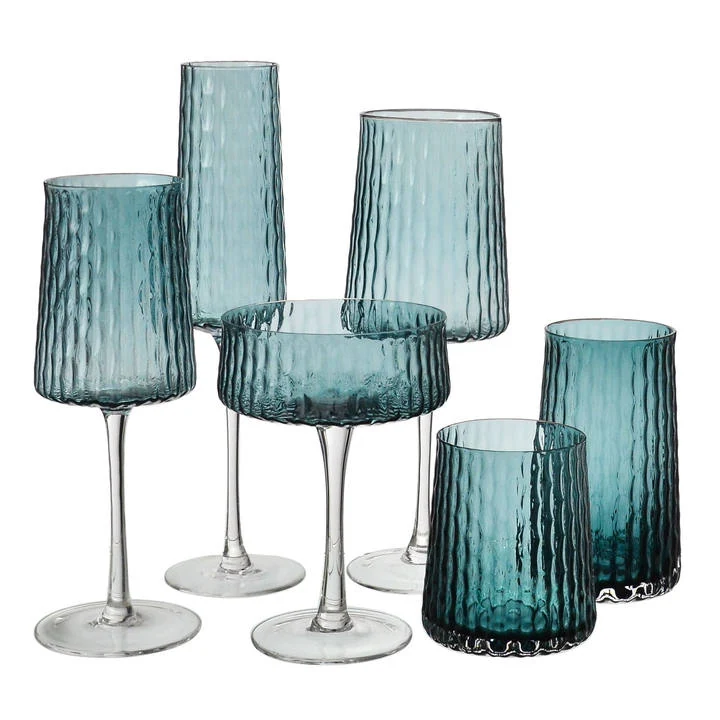
Held annually in Bangkok, the event provides a platform for networking, knowledge sharing, and exploring the latest glass products. Visitors can learn about cutting-edge manufacturing techniques, new materials, and the future of glass technology. The exhibition also focuses on sustainability, highlighting eco-friendly glass solutions that cater to the growing demand for green products.
2. ASEAN Glass Exhibition
The ASEAN Glass Exhibition is another major trade event that gathers industry professionals from across Southeast Asia. The exhibition focuses on glass materials, production technologies, and innovative designs, with a specific emphasis on the growing demand for glass cups and related products in the ASEAN region.
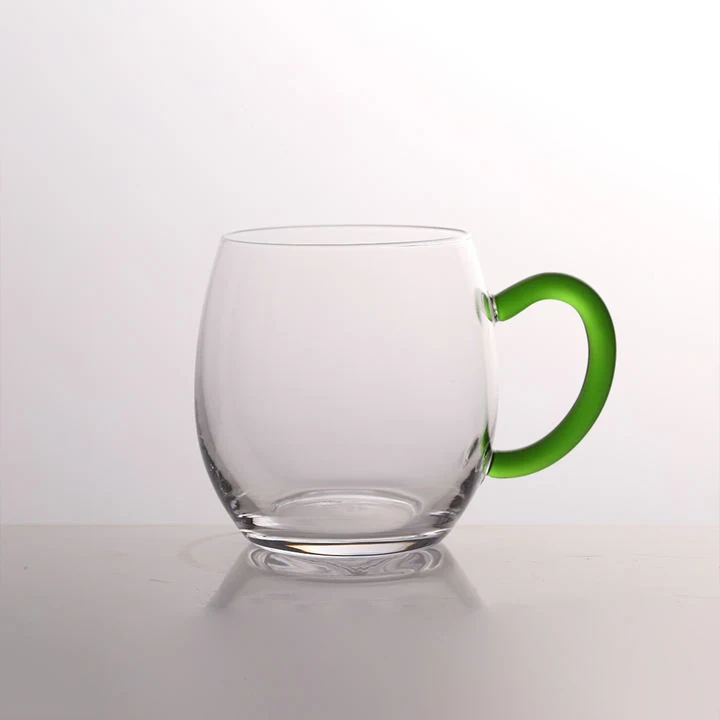
This event offers valuable opportunities for networking and forging business partnerships in the region. It also provides a space for manufacturers to showcase their latest products and services, including customized glass cups, catering to both local and international markets.
| Event | Date | Location | Highlights |
|---|---|---|---|
| Thailand Glass and Glassware Expo | June | Bangkok | Networking, new technologies, sustainability focus |
| ASEAN Glass Exhibition | November | Singapore | Innovations in glass, ASEAN market trends |
Part 4: Impact of Global Trade Policies
The glass manufacturing industry in Thailand is greatly influenced by global trade policies and agreements. Tariffs and trade restrictions can affect the cost of raw materials and the exportability of products. As Thailand continues to increase its presence in the global market, trade agreements within ASEAN and with countries like the U.S. and China can provide opportunities to expand exports, especially for glass products like cups.
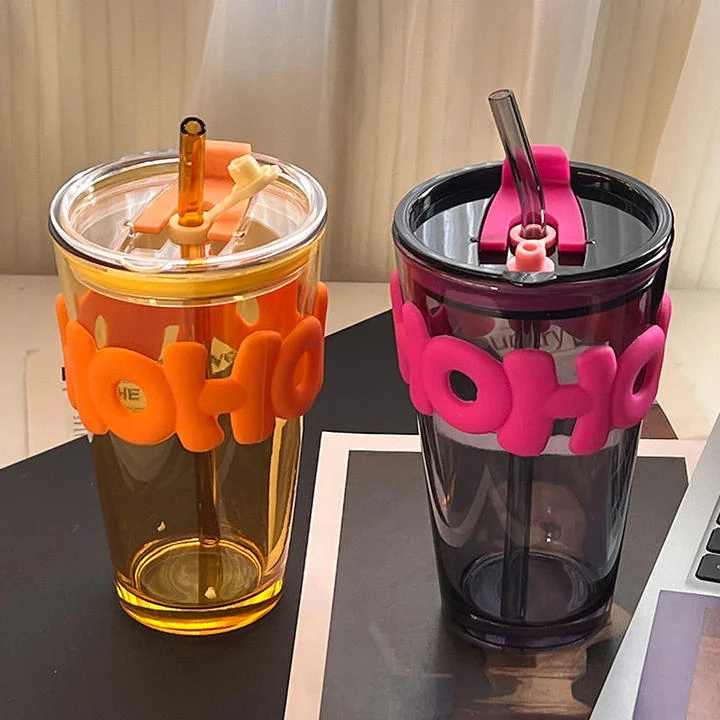
The impact of global trade wars and tariffs also plays a significant role in shaping the competitive landscape. While tariffs may increase the cost of certain materials, they can also encourage local production and stimulate demand for domestic products. For Thailand, the key lies in balancing local production with international competitiveness.
Additionally, the rise of domestic alternatives in countries like India and Vietnam presents both challenges and opportunities. Manufacturers in Thailand must focus on enhancing product quality, embracing automation, and ensuring competitive pricing to remain relevant in the global market.
Part 5: Conclusion
The glass cup manufacturing industry in Thailand is poised for continued growth, supported by an expanding export market and increasing domestic demand. The demand for high-quality glass products, particularly those catering to the hospitality and beverage sectors, is driving innovation and growth in the industry. The rising trend towards sustainability and eco-friendly solutions further strengthens the country’s position in the global market.
However, challenges remain in the form of fluctuating trade policies, raw material costs, and increasing competition from neighboring countries. Manufacturers will need to continuously innovate and adapt to changing market dynamics to maintain their competitive edge. With the right strategies in place, Thailand’s glass cup manufacturing sector has a bright future ahead.