Skip to content
Part 1: Market Size and Growth
The glass manufacturing industry in Uzbekistan is seeing steady growth. With a growing demand for glass products in both local and international markets, this sector is becoming an increasingly important part of the country’s industrial landscape. The increasing popularity of glass in household products, beverages, and packaging has also contributed to the expansion of glass production in Uzbekistan.

The demand for glass cups and other products has increased in recent years due to a rising middle class and a shift towards premium products. Uzbekistan’s position as a key player in Central Asia makes it an attractive market for both local and international businesses. In addition, various government initiatives have bolstered the growth of the industry, offering incentives to manufacturers for scaling up their production capabilities.
The glass manufacturing industry benefits from several key factors, such as favorable investment policies, availability of raw materials, and strategic location for international trade. These advantages are helping to foster industry clusters and attract foreign investments, which in turn boost production capacity and innovation.
Part 2: Leading Companies
Uzglass
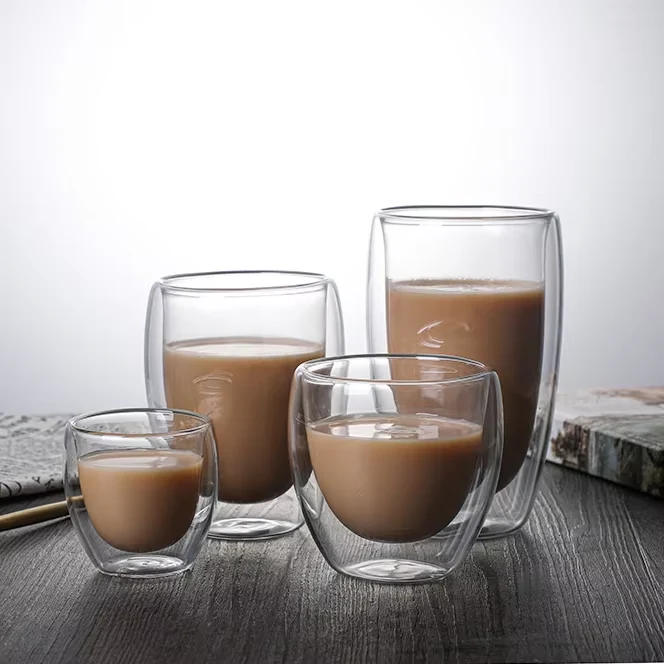
Uzglass, established in the capital city of Tashkent, is one of the leading glass manufacturers in Uzbekistan. This company specializes in producing high-quality glass products such as cups, bottles, and other containers. With a strong reputation for quality and innovation, Uzglass has become a major player in the local glass manufacturing market.
The company focuses on both mass production and custom orders, serving various sectors such as food and beverage, pharmaceuticals, and hospitality. Uzglass is known for its high-tech production lines and use of eco-friendly materials. The company's commitment to sustainability and product excellence has allowed it to maintain strong partnerships with international clients.
Uzglass serves industries like food and beverage, hospitality, and cosmetics, offering specialized glass containers that meet international standards. The company has obtained several certifications, including ISO 9001 for quality management and ISO 14001 for environmental management.
Samarkand Glass Plant
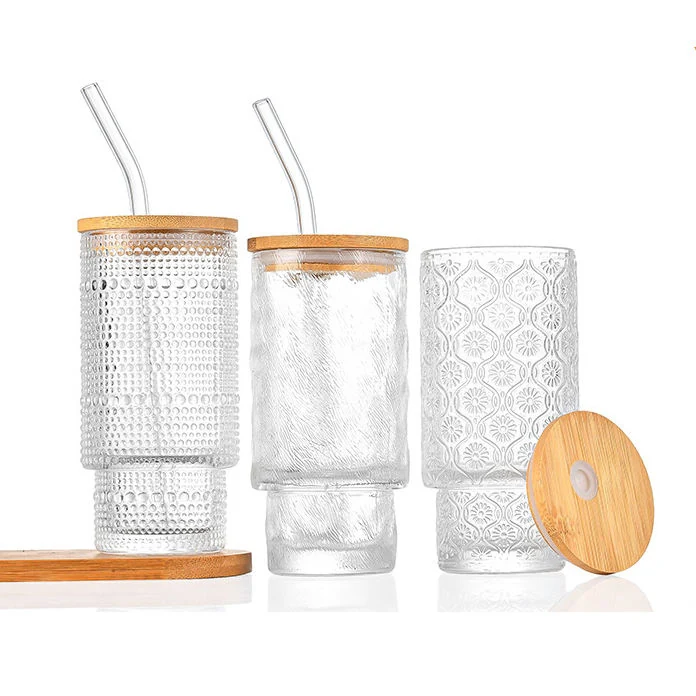
Located in the historic city of Samarkand, the Samarkand Glass Plant has been a prominent manufacturer in the glass industry of Uzbekistan for many years. This plant produces a wide range of glass products, including glass cups, bottles, and packaging materials. Established in the early 2000s, the company has grown to become a trusted name in the glassware market.
The plant is well-known for its innovative designs and custom glassware options, tailored to meet the specific needs of clients. Samarkand Glass Plant combines traditional glass-making techniques with modern technologies to produce durable and aesthetically pleasing glass products. Their product range includes everything from glass cups for daily use to more specialized glassware used in the hospitality industry.
This plant mainly serves industries such as food and beverage, hospitality, and pharmaceuticals. Its focus on eco-friendly production processes has earned it several industry certifications, including ISO 22000 for food safety management.
Tashkent Glass Factory
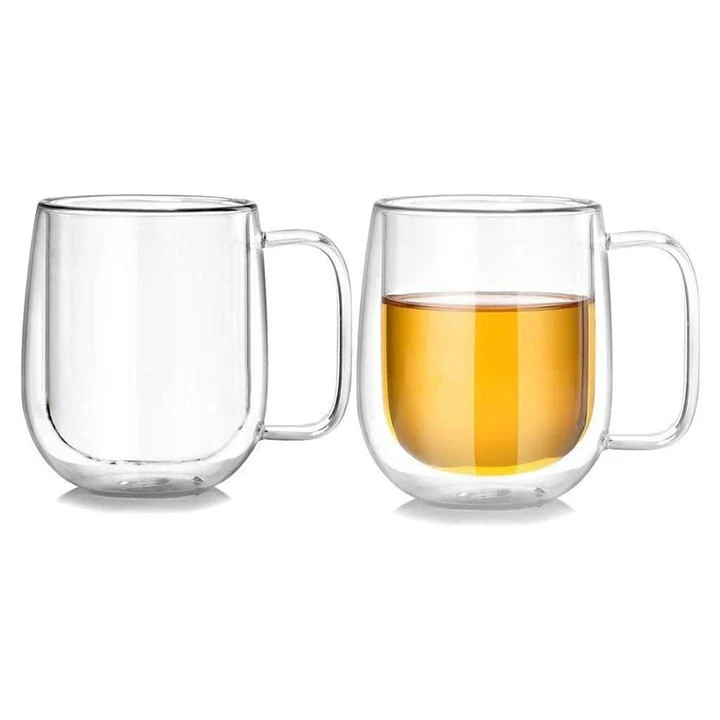
The Tashkent Glass Factory is another major manufacturer based in Uzbekistan’s capital city. This company has been in the business of producing glass cups, containers, and bottles for decades. Known for its high production capacity, Tashkent Glass Factory has a diverse range of clients in both the domestic and international markets.
This factory focuses on mass production, offering cost-effective solutions for clients in need of large quantities of glass products. Tashkent Glass Factory prides itself on its advanced production technology, which ensures consistency and quality across all of its products. The company also offers custom design services for clients looking for unique glassware.
Tashkent Glass Factory serves several industries, including food and beverage, cosmetics, and pharmaceuticals. The company has earned several certifications, including ISO 9001, which reflects its commitment to producing high-quality glass products that meet international standards.
| Company | Founded | Core Products | Industries | Certifications |
|---|---|---|---|---|
| Uzglass | 2000s | Glass cups, bottles, containers | Food & beverage, pharmaceuticals | ISO 9001, ISO 14001 |
| Samarkand Glass Plant | 2000s | Glass cups, bottles, packaging | Food & beverage, hospitality | ISO 22000 |
| Tashkent Glass Factory | 1990s | Glass cups, bottles | Food & beverage, cosmetics | ISO 9001 |
Part 3: Trade Shows and Industry Events
Uzbekistan International Glass Expo
The Uzbekistan International Glass Expo is one of the key events for the glass industry in Central Asia. Held annually in Tashkent, this expo showcases the latest innovations in glass production, including glass cups and other household items. The event attracts a wide range of international exhibitors, making it a great opportunity for businesses to network and explore new technologies.

The event typically takes place in the fall and provides a platform for manufacturers, suppliers, and buyers from all over the world to discuss industry trends, new products, and emerging market opportunities. Visitors can expect to see cutting-edge machinery, glass production techniques, and sustainable glass solutions at the expo.
Central Asia Glass Summit
Another significant event is the Central Asia Glass Summit, a conference dedicated to the glass industry in the region. This summit brings together key stakeholders, including manufacturers, designers, and industry experts. It serves as a platform for discussing the latest trends, challenges, and opportunities in the glass manufacturing sector.

The summit typically takes place in the spring and rotates between countries in Central Asia. It offers a great opportunity for networking, as well as insights into the latest market dynamics. Discussions often focus on technology, sustainability, and future industry developments.
| Event | Date | Location | Highlights |
|---|---|---|---|
| Uzbekistan International Glass Expo | October | Tashkent | Networking, innovation, industry insights |
| Central Asia Glass Summit | May | Varies | Trends, technology, sustainability discussions |
Part 4: Impact of Global Trade Policies
Global trade policies and agreements play a crucial role in shaping the glass manufacturing industry in Uzbekistan. Tariffs, import/export regulations, and international trade agreements influence the cost of raw materials and the availability of finished glass products. Uzbekistan’s membership in various international trade organizations has opened doors for businesses to expand into global markets.
Trade sanctions, as well as fluctuating tariffs on raw materials, can pose significant challenges for manufacturers in Uzbekistan. However, the country’s strategic location and growing trade ties with countries like China, Russia, and Turkey offer opportunities for growth. Local businesses are also investing in research and development to mitigate risks related to supply chain disruptions.
The rise of local alternatives and supply chain risks has encouraged glass manufacturers to look for more sustainable and reliable sources of raw materials. As global trade dynamics evolve, Uzbekistan’s glass industry must continue to innovate and adapt to meet international standards and maintain competitiveness.
Part 5: Conclusion
The glass manufacturing industry in Uzbekistan presents significant opportunities for growth, particularly in the areas of product innovation and international trade. The expansion of local and international markets for glass products such as cups, bottles, and containers has driven a steady increase in production capacity. With favorable government policies, the industry is poised for continued success.

However, the industry must also navigate challenges such as fluctuating raw material prices, global trade uncertainties, and supply chain risks. Manufacturers must stay adaptable and invest in sustainable practices and cutting-edge technology to remain competitive. The future of Uzbekistan’s glass industry looks promising, but businesses must be mindful of the risks and work towards building a resilient supply chain.