Skip to content
Part 1: Market Size and Growth
The glass manufacturing industry in Zambia has been witnessing steady growth over the years. As a developing economy, Zambia is experiencing an increasing demand for glassware products across various sectors, including hospitality, retail, and food services. The country has a strong base for manufacturing, with the potential to expand its glass production capabilities due to increasing urbanization and infrastructure development.

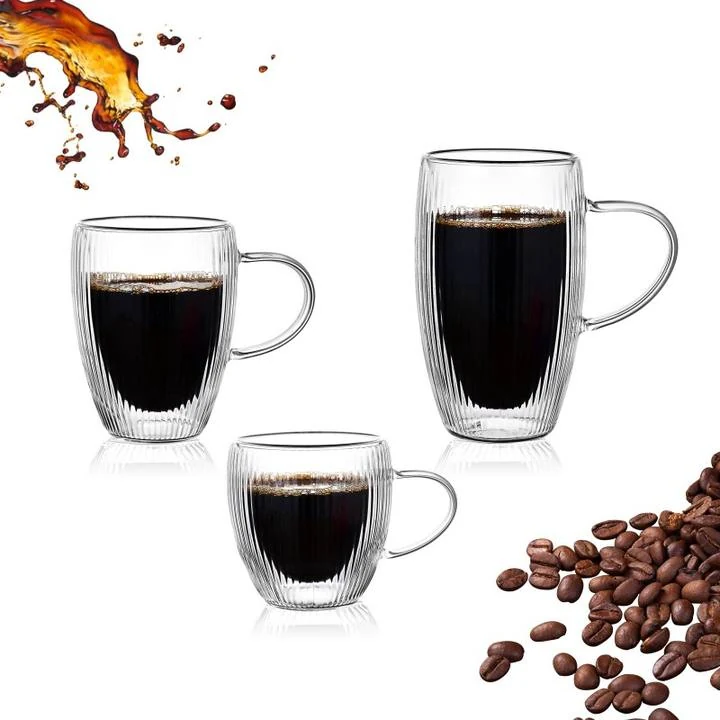
The market for glass products in Zambia is growing as more businesses, including hotels and restaurants, demand high-quality glassware. The demand for glass cups is expanding in both the domestic and regional markets, with more people looking for durable and attractive products. As a result, glass manufacturers are adapting their production lines to meet this growing demand.
Zambia's government has been actively supporting local manufacturing, providing incentives for companies investing in the country. Policies aimed at reducing import dependency and improving the local supply chain have influenced the market. With the growing interest in Zambia's manufacturing sector, the local glass industry is well-positioned to capture a larger portion of the regional market.
Part 2: Leading Companies
Zambezi Glass

Zambezi Glass is one of the leading glass manufacturers in Zambia. Founded in 2006 and based in Lusaka, Zambezi Glass has become an integral player in the local market. The company is known for producing a wide variety of glass products, including glass cups, containers, and decorative items.
Their product range is extensive, serving both the consumer and industrial sectors. Zambezi Glass has managed to maintain high-quality standards, with products that cater to the hospitality industry, retailers, and even exporters. Their cups are particularly well-regarded for their durability and clarity, making them a popular choice for customers seeking reliable drinkware.
Their focus on using modern technologies for manufacturing has set them apart in terms of product quality and consistency. Zambezi Glass is also committed to sustainability, with a focus on reducing their carbon footprint and incorporating recycled glass into their production processes.
| Company | Founded | Core Products | Industries | Certifications |
|---|---|---|---|---|
| Zambezi Glass | 2006 | Glass cups, containers, decorative items | Hospitality, Retail, Export | ISO 9001 |
Lusaka Glass Works
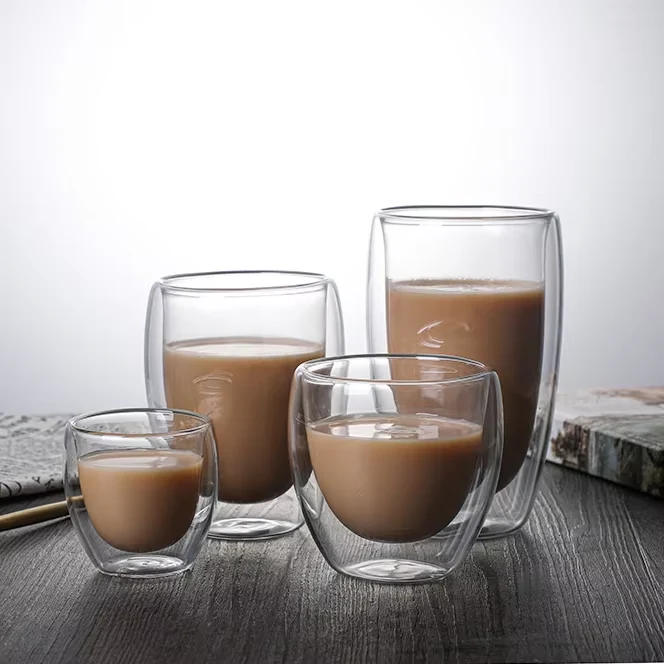
Lusaka Glass Works, established in 2010, is another major player in Zambia’s glass industry. Located in Lusaka, the company has grown to become one of the primary suppliers of glass products, including glass cups. Known for their wide array of drinkware, Lusaka Glass Works caters to both domestic and international markets.
Their glass cups are known for their craftsmanship and stylish designs. The company has a strong focus on quality, ensuring that every product meets international standards. Lusaka Glass Works offers customized glassware solutions, enabling their clients to create unique products that stand out in the market.
In addition to standard products, they also manufacture specialty glassware for specific industries, including corporate gifts and promotional items. Lusaka Glass Works is heavily involved in export activities, reaching markets in neighboring countries and beyond.
| Company | Founded | Core Products | Industries | Certifications |
|---|---|---|---|---|
| Lusaka Glass Works | 2010 | Glass cups, promotional items, specialty glassware | Hospitality, Gifts, Retail | ISO 9001 |
Kabwe Glass Factory

The Kabwe Glass Factory, located in Kabwe, Central Province, was founded in 2015. Although newer compared to the other two, Kabwe Glass Factory has made a mark in Zambia’s glass manufacturing sector. Specializing in glass containers and drinkware, the company focuses on both local and export markets.
Their product line includes high-quality glass cups that are produced using advanced machinery. The factory prides itself on its ability to offer affordable yet durable products to businesses in Zambia and the surrounding region. Kabwe Glass Factory's commitment to excellence and innovation is reflected in its growing customer base, which spans the retail, hospitality, and export sectors.
Despite being a smaller player in the market, Kabwe Glass Factory has made significant strides in terms of efficiency and production output. The company’s focus on meeting customer needs has made it a trusted supplier in the region.
| Company | Founded | Core Products | Industries | Certifications |
|---|---|---|---|---|
| Kabwe Glass Factory | 2015 | Glass cups, containers, drinkware | Retail, Hospitality, Export | ISO 9001 |
Part 3: Trade Shows and Industry Events
Trade shows and industry events play an important role in expanding market reach and promoting new products. In Zambia, several key events highlight the glass manufacturing sector and provide opportunities for companies to connect with potential clients and suppliers.
Zambia International Trade Fair
The Zambia International Trade Fair (ZITF) is one of the country’s biggest and most prominent events. Held annually in Ndola, it gathers companies from various sectors, including glass manufacturing. The trade fair serves as a platform for businesses to showcase their products, network with industry leaders, and explore new business opportunities.
ZITF is usually held in July, attracting local and international exhibitors and visitors. It is a key event for the glass industry, as companies can meet potential clients, explore new technologies, and assess market trends. For manufacturers like Zambezi Glass and Lusaka Glass Works, ZITF is a vital opportunity for promoting their latest products and expanding their presence in the region.
Africa Glass and Packaging Expo
The Africa Glass and Packaging Expo is a leading trade event focusing on the glass, packaging, and beverage industries. It is usually held in Johannesburg, South Africa, but draws exhibitors and visitors from across Africa, including Zambia. The event is an essential platform for manufacturers to exhibit their innovations and network with potential buyers in the glass sector.
Typically held in October, the Africa Glass and Packaging Expo features the latest advancements in glass manufacturing, packaging solutions, and machinery. For Zambezi Glass and Lusaka Glass Works, attending this expo allows them to explore technological innovations and form strategic partnerships with suppliers and distributors.
| Event | Date | Location | Highlights |
|---|---|---|---|
| Zambia International Trade Fair | July | Ndola, Zambia | Product showcase, Networking |
| Africa Glass and Packaging Expo | October | Johannesburg, South Africa | Technological advancements, Networking |
Part 4: Impact of Global Trade Policies
The global glass manufacturing industry is significantly influenced by trade policies, sanctions, and international agreements. These factors can directly affect Zambia’s glass manufacturing companies, especially those that rely on export markets.
Zambia’s glass industry has felt the impact of global trade policies, particularly those concerning tariffs and trade agreements. The government has worked to support local manufacturers by implementing favorable policies for businesses looking to import raw materials. However, challenges remain as international trade dynamics continue to shift. For example, some manufacturers in Zambia rely on imported raw materials, which can be costly due to global price fluctuations and trade restrictions.
The rise of local substitution and the demand for home-grown products has also been an emerging trend. Manufacturers are increasingly looking at the possibility of sourcing materials locally to reduce reliance on imports. This trend, combined with the adoption of more sustainable practices, has led to improvements in both the cost-effectiveness and environmental impact of Zambia's glass production.
Part 5: Conclusion
The glass manufacturing industry in Zambia has seen notable growth in recent years, driven by both local demand and regional export opportunities. The market for glass cups and other products continues to expand, with key players like Zambezi Glass and Lusaka Glass Works leading the charge. The combination of supportive government policies, technological innovation, and an ever-growing hospitality sector positions Zambia's glass industry for future success.
However, challenges remain, particularly regarding international trade fluctuations and the need for local raw material sourcing. The road ahead for Zambia’s glass industry will require adaptability, with manufacturers focusing on both quality and cost-efficiency. At the same time, companies must continue to explore new opportunities in the global market to maintain their competitive edge.