Skip to content
Part 1: Market Size and Growth
Azerbaijan’s glassware manufacturing sector spans from industrial glass production to container and artisan glass products. The industry has grown slowly as part of broader manufacturing diversification beyond oil and gas, and local capacity expansion is increasingly prioritized. Historically most glass products were imported, but recent investments in domestic manufacturing have begun to change this. The development of new plants and expansion of existing ones shows that Azerbaijan is trying to build its own glass production ecosystem rather than rely entirely on foreign imports.

Glass products in Azerbaijan are used in construction, packaging, and domestic applications, with different manufacturers focusing on these segments. Float glass, container glass, and specialty glass items reflect the industry’s varied orientation. The entry of new facilities in float and container glass production signals market growth that has potential beyond local demand. Still, given the country’s smaller population and industrial base compared with larger economies, the overall market size remains modest but with clear room for strategic expansion.
Government support and industrial planning play a role in shaping how glass manufacturing evolves in Azerbaijan. There have been notable projects in specialized facilities that aim to reduce import reliance and stimulate export potential. Policies that support technology adoption and foreign partnerships help local producers adopt international standards. In this context, glassware manufacturing is gradually becoming more competitive and integrated into broader economic goals, especially as infrastructure, housing, and packaging demand continues to expand.
Part 2: Leading Companies
Below are some of the notable glass producers and manufacturing operations in Azerbaijan. These companies vary in size and specialization, from large-scale container production to smaller processing and craft-oriented facilities.
Inter Glass ASC

Inter Glass ASC is one of the major glass producers in Azerbaijan, particularly focused on container glass manufacturing. Founded in Baku in 2008, the company has built significant capacity in producing glass bottles and related products for the Caucasus region and beyond. Inter Glass has positioned itself as a core player in Azerbaijan’s glass sector, with production lines capable of producing tens of millions of units annually. Its products serve both domestic and international markets, reflecting a strong operational footprint.
The company’s product portfolio includes a wide range of glass bottles used in food, beverage, and industrial applications. Inter Glass remains closely tied to regional supply chains and buys raw materials that meet modern production standards. This focus on volume and reliability makes it a go‑to supplier for packaging needs in Azerbaijan and neighboring countries. Clients appreciate its broad assortment and consistent delivery.
Inter Glass’s capacity to produce over 70 types of bottles shows its adaptability and scale in container glass production. It has leveraged modern machinery to sustain large output levels while meeting quality expectations. Such capacity is essential for supporting both local markets and exports. While primarily focused on functional glass, its scale and output make it a key industry reference in Azerbaijan.
Eva Glass

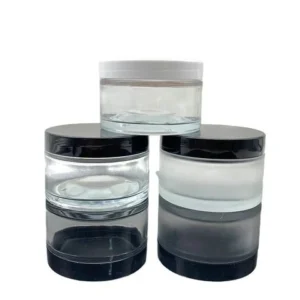
Eva Glass is another established glass manufacturer in Azerbaijan that focuses on producing a variety of glass products, including jars, bottles, lids, and molds. Operating since 2010, the company emphasizes quality, reliability, and customer customization. Its production covers both standard designs and bespoke orders tailored to specific customer requirements. Eva Glass balances traditional manufacturing with modern quality control to ensure that its products meet national and international norms.
Eva Glass’s product lines cater mainly to packaging applications such as food and beverage storage. The company’s investment in modern production and technology aims to ensure a high level of quality that aligns with regulatory expectations. This makes Eva Glass competitive within the domestic market and potentially attractive to export markets in nearby regions. Customer demand for durable and compliant glass containers supports the company’s stable output.
The firm’s focus on mold production also allows it to work with clients who require specific shapes and designs. This technical flexibility enhances its position among Azerbaijan’s glass manufacturers. Customers who need customized solutions often choose Eva Glass for its responsiveness and product quality. The company’s work contributes to the wider availability of locally made glass packaging in Azerbaijan.
Glasstech Azerbaijan

Glasstech Azerbaijan is a glass processing and manufacturing company with over a decade of experience in the local industry. Founded in 2007, Glasstech is known for producing processed glass products that serve commercial, residential, and interior glazing needs. The company distinguishes itself with innovation in decorative laminate glass and colored glass, adding aesthetic options to traditional glass products. It supports projects of varying complexity and scale, making it a versatile producer.
The company’s offerings include decorative and functional glass suitable for buildings, installations, and interior design applications. Clients often seek Glasstech’s capability to tailor glass elements for specific design contexts. Its approach allows both large construction projects and smaller interior design orders to be fulfilled with quality processing techniques.
Technical strength in decorative and specialty glass positions Glasstech well in segments where appearance and customization are as important as strength. Its focus on color and laminates enhances its relevance in architectural glass products. Such specialization differentiates it from companies focused solely on container or industrial glass. The firm’s decorative offerings help meet a range of aesthetic and functional client needs.
Azerfloat Glass Plant

Azerfloat CJSC operates Azerbaijan’s first float glass production facility, using modern float methods to produce sheet glass for construction and industrial applications. The plant’s output serves uses such as building facades, automobile glass, and industrial technologies. This initiative marked a major step in reducing reliance on imported float glass products and building local industrial capacity. Located in the Sumgait Chemical Industrial Park, Azerfloat leverages international technologies and machinery.
Products from this plant include high-quality float glass panels that meet modern standards and are used across construction and industrial applications. The involvement of foreign equipment and expertise highlights the project’s ambition to compete with global production quality. It also reflects Azerbaijan’s broader industrialization strategy.
With significant production capacity, Azerfloat supports construction demands within Azerbaijan and neighboring markets. Its establishment has been a catalyst for strengthening local glass supply chains. The facility’s growth reflects investment interest in glass production beyond basic container and processing segments. The plant’s role in the national economy aligns with diversification goals and longer‑term industrial development.
| Company | Founded | Core Products | Industries Served | Specialization |
|---|---|---|---|---|
| Inter Glass ASC | 2008 | Glass bottles | Packaging, beverage industry | High‑volume container production |
| Eva Glass | 2010 | Glass jars, bottles, lids | Packaging, custom orders | Customized glass solutions |
| Glasstech Azerbaijan | 2007 | Decorative, processed glass | Construction, interior design | Colored and laminate glass processing |
| Azerfloat Glass Plant | Late 2010s | Float glass panels | Construction, industrial applications | Large‑scale float glass production |
Part 3: Trade Shows and Industry Events
Glass manufacturers in Azerbaijan and the Caucasus region benefit from industry gatherings that promote networking, design exchange, and business development.
Caspian Construction and Design Expo
The Caspian Construction and Design Expo is a major annual event held in Baku that brings together businesses in building materials, architectural solutions, and design innovations. Exhibitors often include glass producers who showcase products for facades, interiors, and structural applications. This expo attracts construction firms, designers, and suppliers interested in the latest materials and technologies.

At this event, glassware manufacturers present float glass, laminated panels, and decorative solutions that serve both commercial and residential projects. It’s an opportunity for local producers to connect with architects and contractors seeking quality materials. Seminars and panel discussions often highlight trends in sustainable building practices and material performance, helping firms stay at the forefront of industry demands.
Baku International Packaging and Label Show
The Baku International Packaging and Label Show is another key event where glassware companies that supply bottles and containers meet packaging professionals, brand owners, and distributors. This show highlights packaging trends, labeling innovations, and material choices relevant to consumer products. Glass container manufacturers use this platform to reach beverage producers, food brands, and packaging buyers.

Buyers at the packaging show include domestic and regional companies looking for reliable glass containers and innovative packaging options. Exhibitors demonstrate bottle designs, material quality, and production capacities. Networking at this event often leads to long‑term supply agreements and collaborative product development. The show’s focus on branding and material sustainability aligns with broader market trends.
| Event | Date/Season | Location | Highlights |
|---|---|---|---|
| Caspian Construction and Design Expo | Annual | Baku | Glass materials, facade solutions, industry innovation |
| Baku Int’l Packaging & Label Show | Annual | Baku | Packaging trends, container showcase, supplier‑buyer networking |
Part 4: Impact of Global Trade Policies
Global trade policies influence how Azerbaijani glassware manufacturers operate, especially when engaging in exports. Free trade agreements and customs regulations affect costs and competitiveness abroad. Companies that export glass bottles or sheet glass must comply with tariff and quality standards set by partner countries. Accessing international markets requires navigation of these rules to avoid barriers and optimize logistics.

Tariffs on imported raw materials can impact production costs for local manufacturers, such as those dependent on specialized inputs. Firms often balance sourcing decisions to manage cost while maintaining production quality. Trade policies that encourage foreign investment or technology transfer can help modernize production facilities, improving competitiveness.
Sustainability and environmental standards in global markets also affect Azerbaijani glass exporters. Glassmakers that align with eco‑friendly practices and certifications find it easier to enter markets with strict regulations. Meeting such standards becomes both a challenge and a differentiator for exporters. Robust quality systems and compliance help build trust with international buyers.
Exchange rate fluctuations tied to trade policy and economic shifts also affect export pricing and margins. Companies must manage these risks when planning long‑term supply agreements. In this way, global trade policies remain a key factor in glassware manufacturing growth and international expansion.
Part 5: Conclusion
Azerbaijan’s glassware manufacturing sector is evolving through a mix of traditional glass processing, container production, and industrial glass initiatives. The emergence of domestic capacity for float glass and container products reflects a broader shift toward self‑sufficiency and export readiness. While the market is smaller compared with larger industrial economies, local manufacturers are building capabilities that support both domestic needs and regional demand.
Challenges remain around scaling production, meeting international standards, and navigating global trade dynamics. However, as technology adoption and quality control improve, Azerbaijani glassware makers can expand their footprint beyond local borders. Engagement in industry events, strategic partnerships, and compliance with global market standards will be key for future growth in this sector.