Skip to content
Part 1: Market Size and Growth
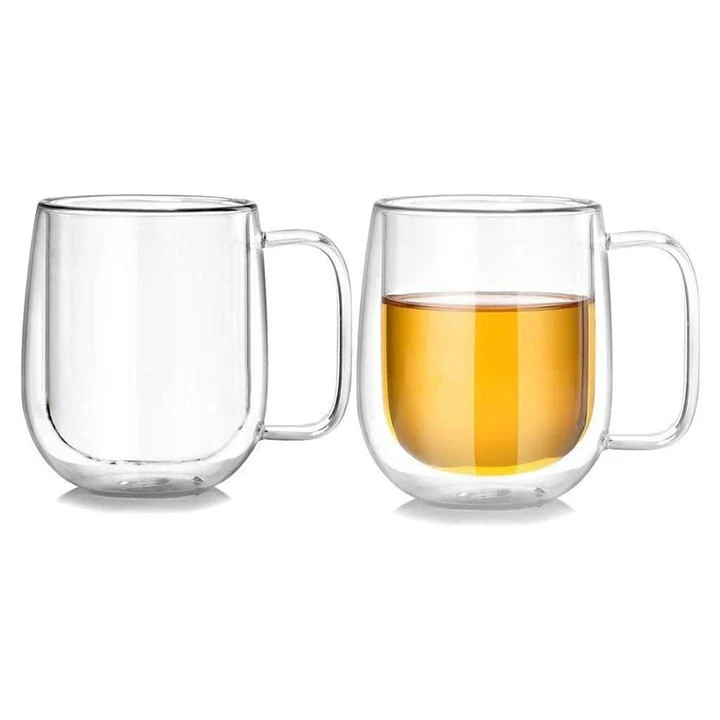
The glassware industry in Bahrain has seen gradual development over the years. The Kingdom, known for its industrial growth, has a growing demand for various glass products, particularly in the construction, hospitality, and retail sectors. The market for glassware is diverse, with several industries relying on high-quality glass for different uses—from architectural glass to customized consumer items.
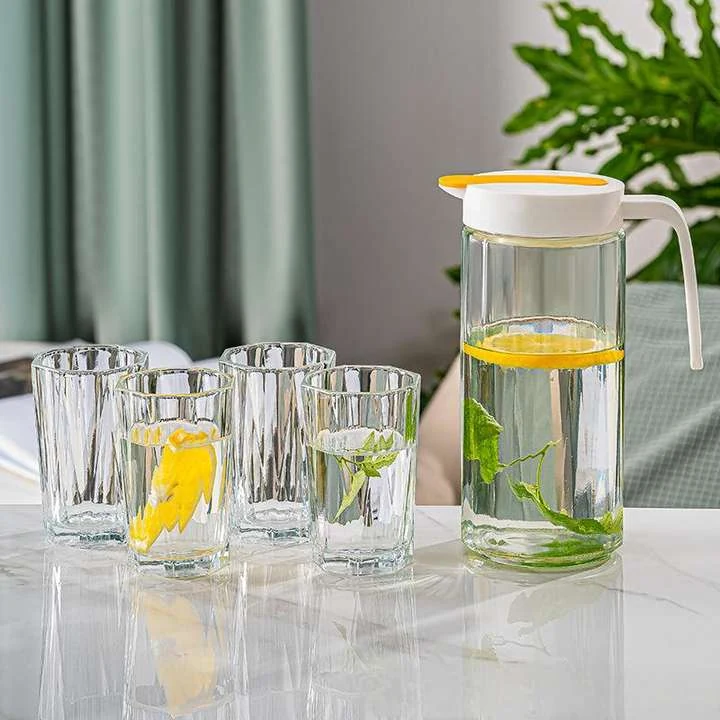
As the global demand for glass products increases, Bahrain’s glassware manufacturers have benefited from a strategic location within the Gulf Cooperation Council (GCC) region. The demand for both decorative and functional glass products continues to rise, particularly due to ongoing urbanization and the rise in hospitality businesses. Many manufacturers in Bahrain focus on delivering top-quality glass for both residential and commercial applications, including highly specialized glass for architectural purposes.
The government’s support for industrialization and infrastructure projects has contributed to the growth of the glassware sector. Investments in local manufacturing facilities and the development of new technologies have also enhanced the competitiveness of Bahrain’s glass manufacturers. These companies are increasingly looking towards sustainable and innovative glass solutions to meet market needs, making them more attractive to international buyers.
Part 2: Leading Companies
Gulf Scientific Glass Industry WLL (GSGI)

Founded in Bahrain, Gulf Scientific Glass Industry WLL (GSGI) has been at the forefront of laboratory glassware production. Established in 1990, GSGI specializes in creating high-quality glass products for scientific, medical, and industrial applications. Over the years, it has built a reputation for its precision and attention to detail in manufacturing glassware.
GSGI's product line includes a wide variety of laboratory glassware such as flasks, vials, beakers, and pipettes. Their commitment to innovation has allowed them to create custom solutions for various scientific research applications. With cutting-edge technology and skilled craftsmanship, GSGI has carved a niche for itself within the scientific community.
GSGI serves industries such as healthcare, pharmaceuticals, education, and research. Their continued focus on precision and reliability has earned them several certifications, including ISO 9001, ensuring that their products meet the highest quality standards.
Bahrain Prism Glass Factory
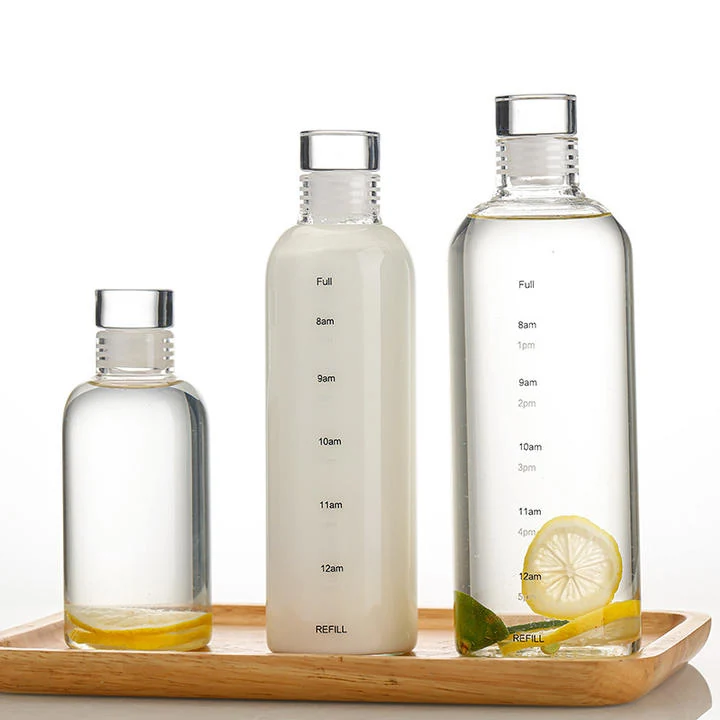
Bahrain Prism Glass Factory is one of the leading manufacturers of processed glass products in Bahrain. Established in 2004, the factory specializes in producing architectural glass, including tempered, laminated, and double-glazed glass. It has established itself as a key supplier to construction projects across Bahrain and the GCC region.
Prism Glass's primary products cater to the construction industry, where high-performance glass is required for windows, facades, and partition systems. The company is known for its innovation in creating decorative glass solutions, such as frosted and etched glass, which adds aesthetic value to both residential and commercial spaces.
The company's focus on quality control and its state-of-the-art processing facilities have enabled it to deliver superior glass products. With its commitment to sustainability, Bahrain Prism Glass has adopted environmentally friendly practices and earned ISO certifications for quality and environmental management.
Shafiq Glass & Aluminum

Shafiq Glass & Aluminum, founded in 1995, is a major player in Bahrain’s glass manufacturing industry. Located in the Kingdom’s industrial hub, the company provides a range of services, including glass fabrication and aluminum glazing systems. Shafiq Glass is known for its expertise in customized glass products for commercial and residential construction.
The company manufactures tempered glass, laminated glass, and energy-efficient insulated glass, catering to the construction and architecture industries. Their products are widely used for high-rise buildings, offices, and private homes. Shafiq Glass’s technological capabilities ensure they offer high-quality products that meet international standards.
Shafiq Glass & Aluminum has consistently invested in modern equipment and has obtained ISO 9001:2008 certification, reinforcing its reputation as a high-quality manufacturer in the region.
| Company | Founded | Core Products | Industries | Certifications |
|---|---|---|---|---|
| Gulf Scientific Glass Industry WLL (GSGI) | 1990 | Laboratory glassware | Healthcare, Pharmaceuticals, Education | ISO 9001 |
| Bahrain Prism Glass Factory | 2004 | Tempered, laminated, and decorative glass | Construction, Architecture | ISO 9001, ISO 14001 |
| Shafiq Glass & Aluminum | 1995 | Tempered glass, laminated glass | Construction, Architecture | ISO 9001 |
Part 3: Trade Shows and Industry Events
Gulf Glass Expo
The Gulf Glass Expo is one of the most important industry events for the glass sector in the GCC region. Held annually in Bahrain, this event gathers manufacturers, suppliers, and industry professionals from around the world to showcase the latest advancements in glass technology. It provides a platform for networking, collaboration, and discovering new trends in glass production.
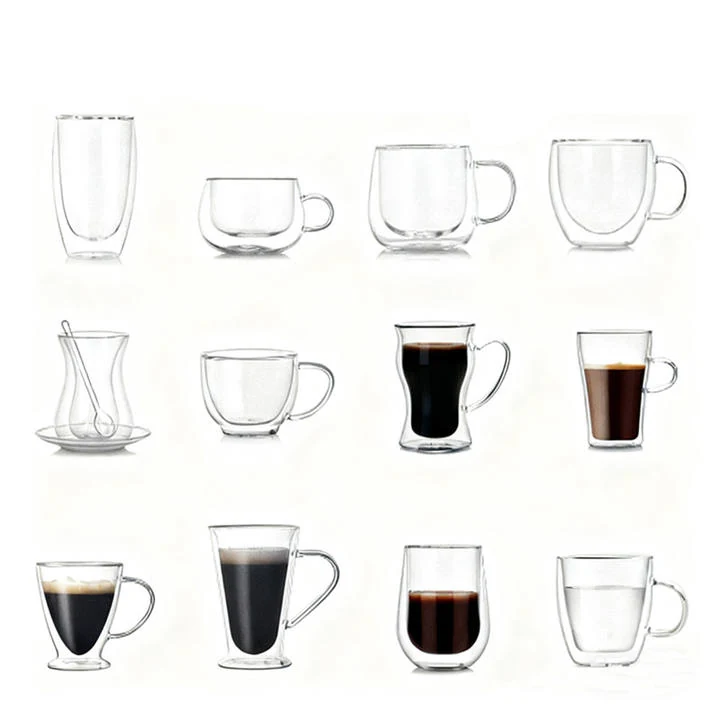
Held every year in Bahrain, the Gulf Glass Expo features exhibitors from all sectors of the glass industry, including manufacturers, equipment suppliers, and technology innovators. Visitors can expect to see cutting-edge products in glass processing, machinery, and design. For businesses in the region, attending this event is an excellent way to connect with suppliers and explore opportunities for growth in the glassware market.
Arab International Glass Conference
The Arab International Glass Conference is another significant event for glass industry professionals. The event is held biennially and focuses on both the technical and commercial aspects of the glass industry. It includes sessions on glass innovation, sustainability, and market trends. Industry experts from around the world share insights into the latest technologies and the future of the glass industry.
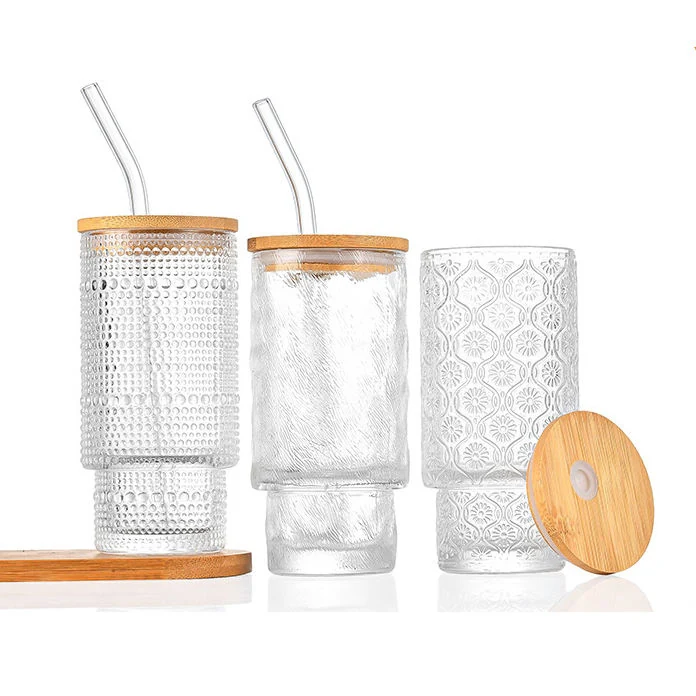
This conference provides an excellent opportunity for networking, learning, and gaining a deeper understanding of industry developments. The Arab International Glass Conference also serves as a showcase for new products and services in glass production, making it a vital platform for both manufacturers and buyers in the Middle East and beyond.
| Event | Date | Location | Highlights |
|---|---|---|---|
| Gulf Glass Expo | Annually | Bahrain | Networking, new technology, glass innovations |
| Arab International Glass Conference | Biennially | Varies (Middle East) | Industry trends, sustainability, technology focus |
Part 4: Impact of Global Trade Policies
Global trade policies have a significant impact on the glassware industry. As international demand grows, trade agreements and tariffs can affect costs and supply chains. Bahrain's location within the GCC gives local manufacturers access to preferential trade terms, boosting exports to key markets in Asia, Europe, and the Americas.
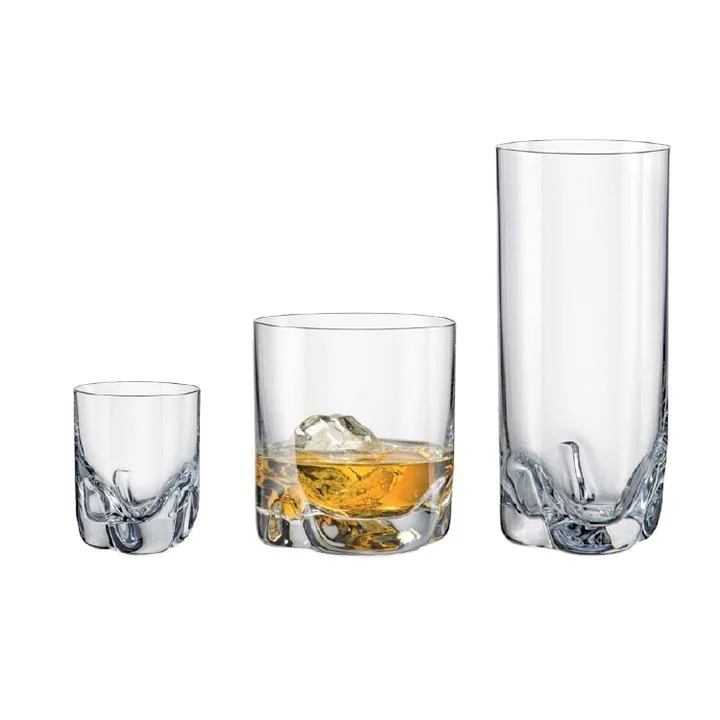
The rise in global competition is driving local manufacturers to adapt by adopting more efficient production methods and focusing on sustainability. Bahrain’s trade agreements with various nations enable glassware manufacturers to reduce the financial burden of importing raw materials, which benefits the overall pricing structure for glass products.
However, the trade sanctions and regulations in certain regions also affect the flow of materials. Local manufacturers must also contend with risks such as fluctuating material costs and the rising cost of energy, both of which can limit production capacity. The glassware sector’s future will depend on how well it can adapt to these challenges and maintain competitive pricing.
Part 5: Conclusion
The glassware manufacturing sector in Bahrain has significant potential for growth. With increasing demand from the construction, hospitality, and retail industries, manufacturers have the opportunity to expand their offerings and explore new markets. The ongoing investment in technology and sustainability initiatives presents a promising future for the sector.
However, the industry also faces challenges. Rising raw material costs and trade uncertainties can impact profitability. Manufacturers must remain agile and innovative to navigate these hurdles and continue growing in the competitive global marketplace.