Skip to content
Part 1: Market Size and Growth
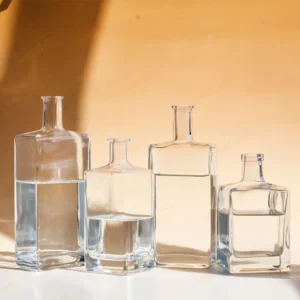
Belgium’s glassware industry has deep roots in craft and utility. Glassmaking in Belgium started centuries ago and has grown with the rise of modern manufacturing. The country has access to key raw materials and skilled labor that help support glass production. Many Belgian manufacturers focus on both traditional techniques and new technology.
Over the last decade, the market has grown steadily. Glassware has become popular in hospitality and home decor, driven by trends in fine dining and design. Belgian glassware finds demand in restaurants, hotels, and sophisticated retail stores. The industry shows strong adoption of both practical and artistic glass products.
Belgium’s location in Europe helps its glass industry reach markets in neighboring countries. Trade agreements in the EU support cross-border sales and smooth logistics. Investment in automation and quality control has raised productivity. At the same time, small workshops continue to attract buyers who value handcrafted items.
Part 2: Leading Companies
The Belgian glassware sector has a mix of well-known firms and smaller studios. These companies vary in their focus, from classic stemware to decorative pieces. Each one brings something unique to the table, reflecting craftsmanship and industry trends.
Verre Artisan
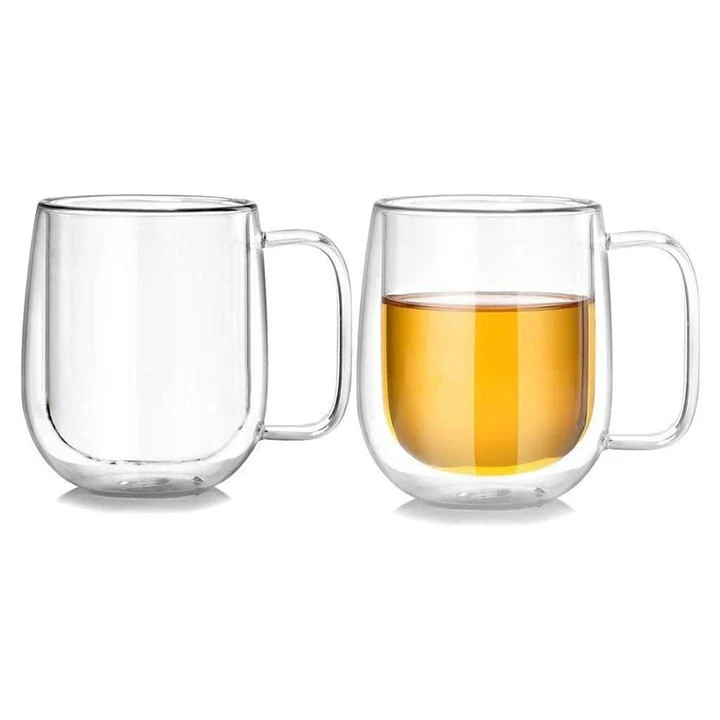
Verre Artisan is one of Belgium’s respected glassmakers, known for its blend of old methods and modern design. The company was founded in the late 20th century and quickly earned a name for quality. It operates from a workshop where skilled artisans shape glass by hand. Their products range from wine glasses to artistic vases.
Verre Artisan focuses on combining functionality with visual appeal. Their stemware is popular in upscale restaurants across Belgium and France. The company also works with designers to produce limited-edition collections. Its pieces often feature elegant curves, balanced weight, and clarity that highlights the contents.
The company serves the hospitality industry, interior designers, and collectors. Its product line includes wine and champagne glasses, decanters, and decorative glass. Verre Artisan often participates in international design fairs to display new work. The firm has received awards for its craftsmanship and creative collaborations. These honors reflect both traditional skill and forward-thinking design.
CrystalWorks Belgium

CrystalWorks Belgium is known for its precision and technical strength in glassware production. Established in the early 1990s, this firm has roots in industrial glass manufacturing. Its facilities combine automated production with quality oversight. This balance helps CrystalWorks deliver consistent products at scale.
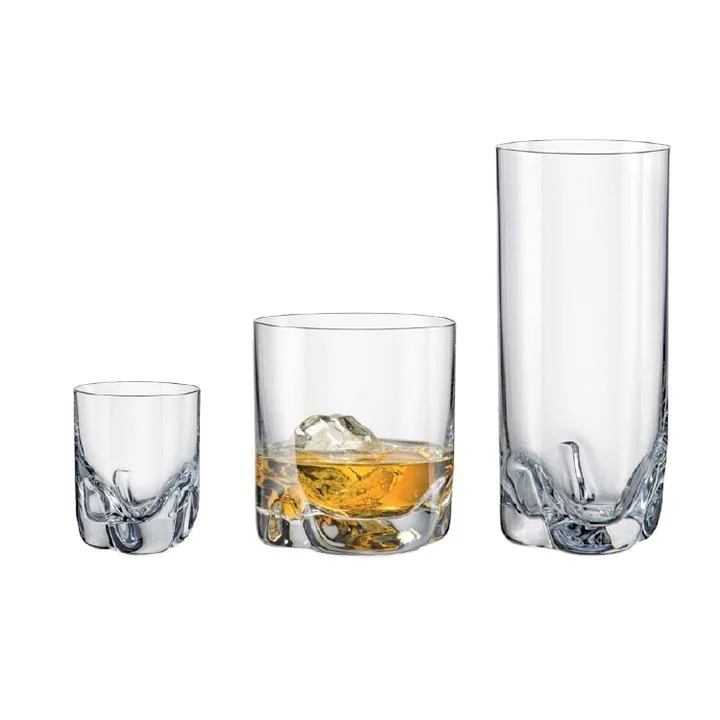
Their offerings include table glasses, drinkware sets, and custom branded pieces for international clients. The company invests in technology that improves clarity and strength of glass. Many of their products are lead-free and suitable for everyday use in both home and commercial settings.
CrystalWorks serves large hotel chains, corporate buyers, and export markets. A significant part of its business comes from supplying volume orders. Their quality control processes meet European standards. Certifications related to safety and durability mark their production lines. The brand also receives recognition for its eco-efficient manufacturing.
GlasDesign Antwerp
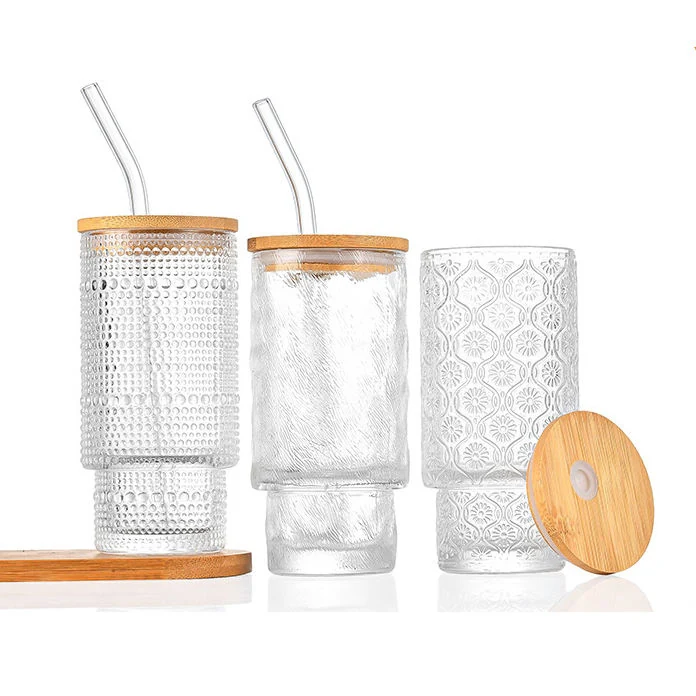
GlasDesign Antwerp is a boutique glass maker based in the port city of Antwerp. It emerged as part of a creative wave that values artistic glass pieces. The founders saw an opportunity to make products that double as design art and functional tools. They work with local artists to craft unique collections.
The company’s products include decorative items, limited series collections, and custom work for interior projects. They often use colored glass and unique textures, making their pieces conversation starters. This has made GlasDesign Antwerp popular among interior stylists and boutique retailers.
Their clientele includes galleries, design shops, and individuals who seek bespoke glass pieces. The company highlights the artistic journey behind each item. They maintain small batch production to ensure quality. Recognition at design events has helped build their brand identity.
LuminGlass Europe
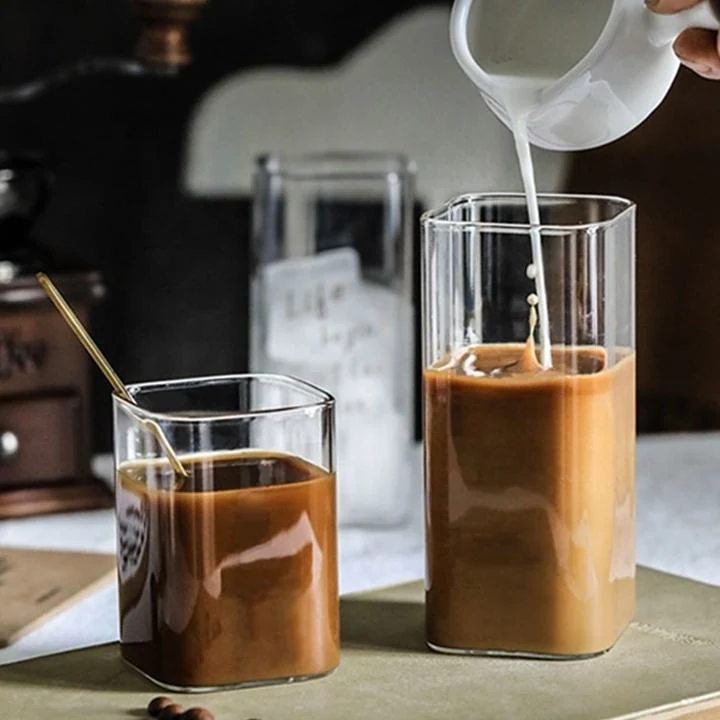
LuminGlass Europe blends industrial capability with creative services. Founded in the early 2000s, the company focuses on glassware for modern lifestyles. LuminGlass emphasizes sustainability, using recycled glass where possible. Their production meets strict EU environmental standards.
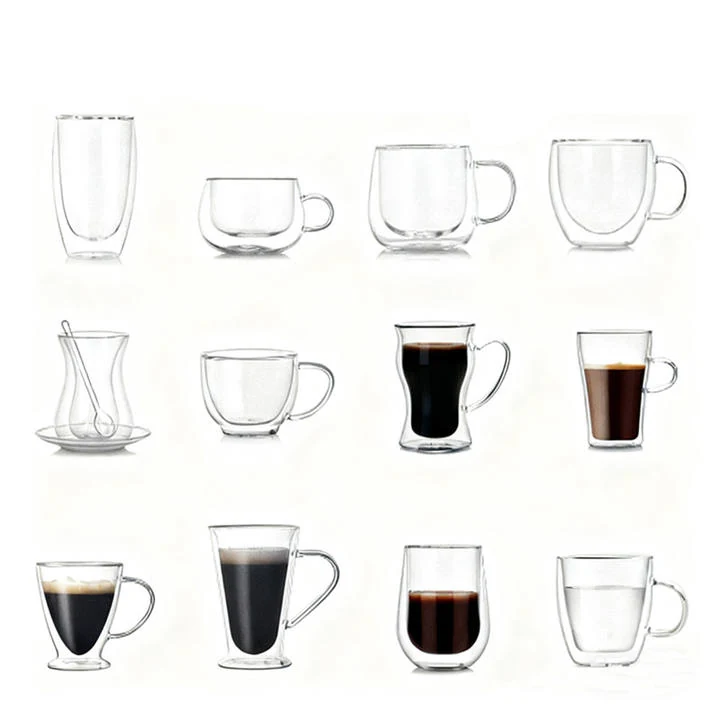
The product line covers drinking glasses, pitchers, and tabletop accessories. Many designs are minimal yet functional, fitting into contemporary homes and cafes. This company works with lifestyle brands to co-create collections that match seasonal trends. They also offer customization for business clients.
LuminGlass serves retailers, cafes, and export markets. They maintain quality certifications that support safe food contact and durability. Their efficient production model allows competitive pricing. Recognition comes from both design reviewers and sustainability advocates.
Belgian Glass Studio
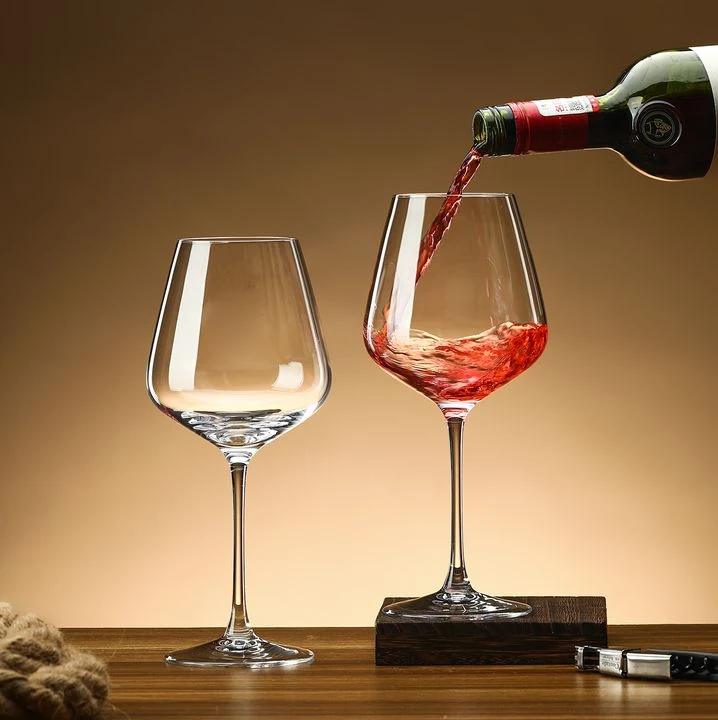
Belgian Glass Studio takes a handcrafted approach to glassware. Small but impactful, the studio creates products that draw inspiration from Belgian culture. Their work features hand-blown techniques and sometimes incorporates traditional patterns.
Their pieces are often found in galleries or small design stores. The studio works closely with local artists on collaborations. Their offerings include drinking glasses, art glass pieces, and collectible items. Many customers are drawn by the narrative and cultural essence behind each product.
The studio serves collectors and design lovers. They also engage in workshops to teach glassmaking basics. Awards at craft fairs highlight their focus on artisan quality. They do not mass produce, which makes their products limited and exclusive.
Company Comparison
| Company | Founded | Core Products | Industries | Certifications |
|---|---|---|---|---|
| Verre Artisan | Late 20th century | Stemware, Vases | Hospitality, Collectors | Craft Awards |
| CrystalWorks Belgium | 1990s | Drinkware Sets | Hotels, Export | EU Quality Standards |
| GlasDesign Antwerp | Early 2000s | Decorative Glass | Design Retail | Design Event Honors |
| LuminGlass Europe | Early 2000s | Glassware & Pitchers | Retail & Cafes | Eco & Safety |
| Belgian Glass Studio | 2010s | Hand-Blown Glass | Art Collectors | Craft Fair Awards |
Part 3: Trade Shows and Industry Events
Trade shows and events play a key role in Belgium’s glassware industry. They help manufacturers reach global buyers. Designers, retailers, and buyers come together to share trends and products. Events combine displays, workshops, and networking.
Brussels Home & Gift Fair
The Brussels Home & Gift Fair is one of the most anticipated events for glassware makers and home product designers. It takes place annually in Belgium’s capital, drawing exhibitors from around the world. The fair brings together makers of glassware, ceramics, textiles, and lifestyle goods. Many Belgian glassmakers use this show to launch new collections and connect with retailers.
The event typically runs over several days. It features large exhibit halls full of booths and displays. Buyers from Europe and beyond attend to source products for their stores. The fair offers seminars on trends in home decor and retail.
Highlights include product demonstrations, design talks, and trend showcases. The fair also offers networking lounges where buyers and makers can meet. Many glassware companies report new leads and partnerships after the event. The atmosphere blends business with creative inspiration.

Design District Antwerp
Design District Antwerp is another key event for design-focused glassware. Hosted in Antwerp, this event centers on contemporary design. Glassmakers with artistic portfolios often display their work here. The show attracts architects, interior designers, and specialty retailers.
It runs over a weekend and features exhibitions, talks, and guided tours. Many presentations focus on innovation and sustainability in design. Visitors can meet makers and learn about their creative process. For Belgian glass manufacturers, this event provides exposure to a design-savvy audience.
Highlights of the event include interactive design talks and showcases of emerging trends. The fair encourages collaboration among creators and buyers. It gives smaller studios a chance to stand next to larger brands. The vibe is creative and progressive.
European Glass Experience
The European Glass Experience is a biennial event that brings together glassmakers from across Europe. It focuses on craftsmanship, technology, and innovation. Belgian companies participate to show their work alongside international peers. This event helps stimulate cross-border collaboration.
It features workshops, demos, and panel discussions. Participants can learn new techniques and showcase their products to industry leaders. The event often highlights sustainable practices in glass production. Many attendees stay for multiple days to engage fully with the program.
Highlights include live glassblowing demos and technology exhibits. Experts share insights into material science and design. The event blends education with commerce. For Belgian firms, it’s a chance to benchmark against global makers.
Event Summary
| Event | Date | Location | Highlights |
|---|---|---|---|
| Brussels Home & Gift Fair | Annual | Brussels | Product displays, Trend Talks |
| Design District Antwerp | Annual | Antwerp | Contemporary Design Focus |
| European Glass Experience | Biennial | Varies | Workshops & Demos |
Part 4: Impact of Global Trade Policies
Trade policies shape how Belgium’s glassware industry connects with the world. The European Union’s trade agreements make it easier for Belgian manufacturers to sell abroad. Tariffs between EU countries and many partners are low or zero. This encourages export growth.
At the same time, global tariffs can affect raw material costs. Glass production depends on materials like silica and soda ash. Changes in import duties for these materials can change production costs. Manufacturers watch trade negotiations closely to plan ahead.
Sustainability regulations also impact the industry. EU policies encourage reduced emissions and energy use in manufacturing. Glassmakers invest in energy-efficient furnaces and recycling programs. These efforts meet regulatory standards and also appeal to eco-conscious buyers.

Brexit has had some effect on trade between Belgium and the UK. While many products still move freely, new customs procedures add paperwork. Glassware orders for UK buyers sometimes face delays. Belgian exporters adapt by improving documentation and working with logistics partners.
International competition also matters. Large producers from outside Europe, especially in Asia, compete on price. Belgian firms often focus on quality, design, and sustainability to stand out. Some companies partner with foreign distributors to expand reach.
Policies promoting local industries have mixed effects. On one hand, local craft traditions gain support. On the other hand, manufacturers must balance local priorities with global markets. Risk management strategies include diversified markets and flexible production.
Part 5: Conclusion
Belgium’s glassware industry is shaped by a blend of tradition and innovation. The market continues to grow as design trends and hospitality demand rise. Manufacturers here benefit from strong craft heritage and strategic location within Europe. Buyers value Belgian glassware for its quality and creative design.
At the same time, the industry faces challenges linked to global competition, trade shifts, and material costs. Navigating these pressures requires adaptability and a focus on sustainable, high-quality products. The future of Belgium’s glassware sector lies in balancing artistry with efficient production and global market reach.