Skip to content

Part 1: Market Size and Growth
The glassware industry in Bhutan is a small yet growing market. Traditionally, glassware products were largely imported, but with increased demand for local craftsmanship, Bhutan is seeing a shift toward local production. The country’s glassware industry, while still in its early stages, is expanding due to increasing urbanization, a burgeoning tourism sector, and an expanding local manufacturing base.
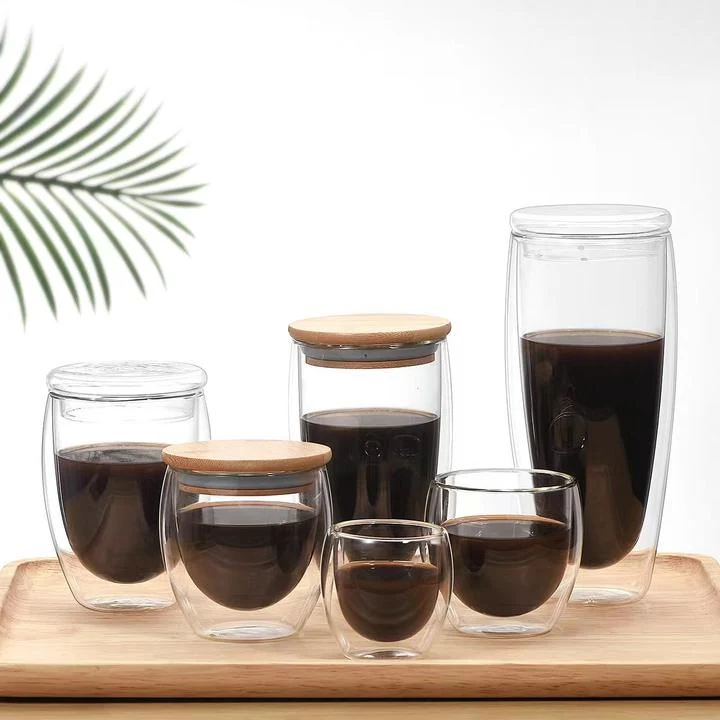
Bhutan is seeing a growing demand for both decorative and functional glass products. As the construction sector and hospitality industry grow, the demand for window glass, tableware, and specialty glass items has risen. Many of these glass products are used in homes, offices, hotels, and restaurants, as well as for export to nearby countries. As the market expands, Bhutan’s small glassware manufacturers are starting to respond to this demand, offering customized solutions for businesses and consumers alike.
The government of Bhutan has made efforts to support local industries, including glass manufacturing, through policies aimed at diversification and growth beyond traditional sectors like agriculture and hydropower. Although challenges remain, the industry’s growth potential is promising, especially in the niche markets of artisanal and bespoke glass products, which could attract international customers and tourists alike.
Part 2: Leading Companies
Essar Sons

Essar Sons is a key player in Bhutan’s glass industry, having established itself as a trusted manufacturer of both architectural and specialty glass products. The company focuses on delivering quality glass products that meet the needs of the construction industry as well as interior design projects. With decades of experience, Essar Sons has built a reputation for producing durable and high-quality products.
Essar Sons offers a variety of glass products, including float glass, specialty glass, and architectural glass used in both residential and commercial applications. The company’s manufacturing processes ensure that all products meet rigorous standards for durability and transparency, making them suitable for both modern architecture and traditional designs. They also offer custom finishes, providing tailored solutions for their clients.
The company serves a wide range of industries, including construction, interior design, and commercial architecture. Essar Sons uses advanced manufacturing techniques, including toughened and patterned glass, which are essential for producing robust and high-performance glass products. Their ability to supply customized glass solutions is one of their key differentiators, making them a preferred supplier in the local market.
Bhutan Glass House Enterprise

Bhutan Glass House Enterprise is a newer company that has quickly made a name for itself in the local market. Unlike larger manufacturers, this enterprise specializes in offering locally sourced and processed glass products for small businesses, artisans, and consumers. Bhutan Glass House Enterprise focuses on supplying custom glass products tailored to the specific needs of the local market, which helps to bridge the gap between high-quality imports and the growing demand for locally made goods.
The company offers a broad range of glass products, including basic window glass, tableware, and artisanal items. One of its key selling points is its flexibility in customization, allowing customers to request specific shapes, sizes, and finishes. Bhutan Glass House Enterprise serves the growing tourism sector by providing bespoke items such as locally themed glassware and decorative pieces.
Serving industries such as hospitality, retail, and craft sectors, Bhutan Glass House Enterprise stands out for its quick turnaround times and commitment to quality. As Bhutanese consumers increasingly seek locally produced glassware, the company’s ability to meet these demands is driving its success. It may not yet compete with larger manufacturers in terms of scale, but its focus on service and customization gives it a competitive edge in niche markets.
Druk Aluminium & Glass Center

Druk Aluminium & Glass Center plays a crucial role in Bhutan’s glass supply chain by importing and processing glass from neighboring India. While the company is not primarily a manufacturer, it is instrumental in supplying raw materials and semi-finished glass products to local manufacturers. This allows smaller glassware businesses in Bhutan to access high-quality materials needed for production, especially in the construction and architecture sectors.
Druk Aluminium & Glass Center specializes in providing float glass, laminated glass, and toughened glass. These products are essential for construction projects, including residential buildings, commercial spaces, and interior designs. The company’s role as an importer and distributor allows it to meet the growing demand for architectural glass in Bhutan while ensuring that the materials meet safety and performance standards.
While Druk Aluminium & Glass Center does not produce finished glassware products, its role in supplying essential raw materials has made it a vital partner for Bhutanese manufacturers. By maintaining strong relationships with Indian suppliers, the company helps ensure that local glass producers have access to reliable, high-quality materials at competitive prices.
| Company | Founded | Core Products | Industries | Certifications |
|---|---|---|---|---|
| Essar Sons | Decades in operation | Architectural glass, specialty glass | Construction, design | Quality control, customization |
| Bhutan Glass House Enterprise | Emerging | Custom glass products | Craft, hospitality | Local certification |
| Druk Aluminium & Glass Center | Established importer | Float glass, laminated glass | Construction | Import/Processing certifications |
Part 3: Trade Shows and Industry Events
Bhutan Trade Expo
The Bhutan Trade Expo is a prominent event that brings together local manufacturers, including glassware producers, to showcase their products and connect with potential buyers. Held annually in Thimphu, the event highlights the best of Bhutanese craftsmanship and serves as an important platform for local businesses to explore export opportunities and expand their market reach.
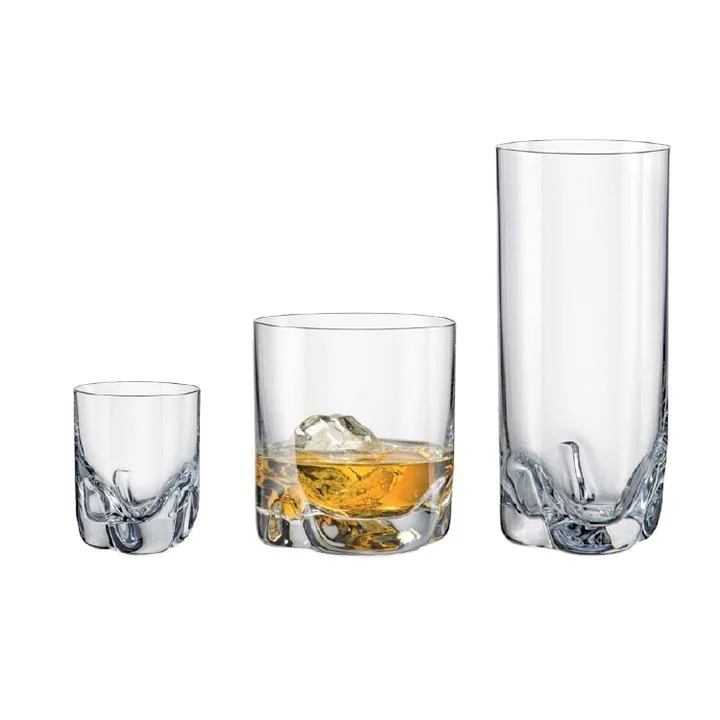
This event attracts a wide range of exhibitors from different sectors, providing a chance for small businesses in Bhutan’s glass industry to display their products and connect with international buyers. The Bhutan Trade Expo features networking opportunities, business matchmaking sessions, and panel discussions on the growth of local industries. It serves as an essential platform for companies to discuss trends, market needs, and potential collaborations.
Himalayan Craft & Design Fair
The Himalayan Craft & Design Fair is another key event for Bhutanese glass artisans, focusing on handmade and custom glass products. The fair, held in Paro, is a celebration of traditional craftsmanship combined with modern design trends. It attracts buyers from across the region, particularly those interested in unique, artisanal glassware.
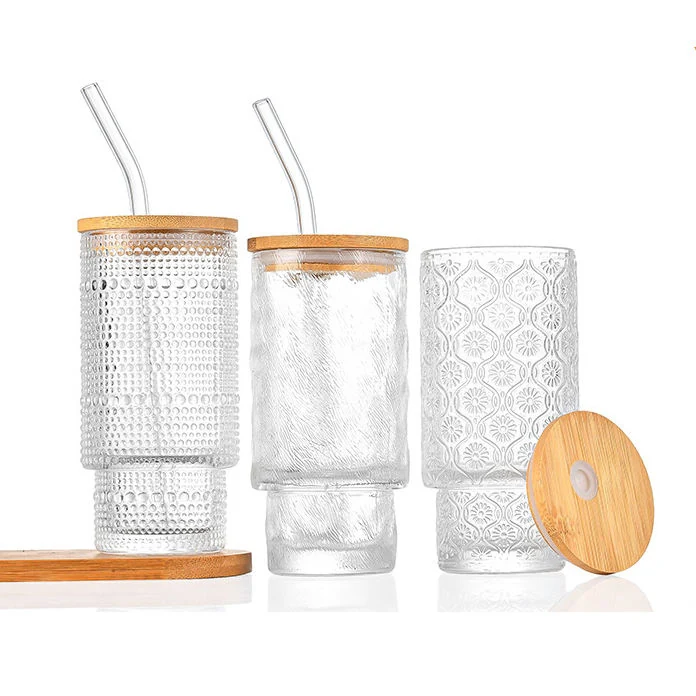
Exhibitors at the Himalayan Craft & Design Fair showcase a wide range of glass products, from decorative pieces to functional items like glassware and home accessories. The fair also hosts interactive workshops where visitors can learn about the techniques used in crafting glass items. It is an excellent opportunity for glassware producers to receive feedback from customers and showcase their creativity and expertise.
| Event | Date | Location | Highlights |
|---|---|---|---|
| Bhutan Trade Expo | Annual | Thimphu | Showcases local manufacturing, business networking |
| Himalayan Craft & Design Fair | Annual | Paro | Artisan glass displays, workshops, design trends |
Part 4: Impact of Global Trade Policies
Global trade policies significantly affect the glassware industry in Bhutan, particularly in terms of imports and exports. Bhutan’s reliance on neighboring India for raw materials means that any changes in India’s export policies or tariffs can directly impact the cost of production for local manufacturers. This dependency highlights the need for Bhutan to diversify its supply chain and strengthen its domestic production capabilities.

At the same time, Bhutan’s trade relationships with other countries present opportunities for local glass producers to expand their market reach. Free trade agreements between Bhutan and its neighbors or international trade partners could potentially lower barriers for export, making it easier for Bhutanese glassware manufacturers to tap into new markets. However, global competition also means that Bhutanese manufacturers must invest in technology and quality control to remain competitive.
International trade policies also influence the cost and availability of raw materials. Any disruptions in the global supply chain—such as changes in shipping regulations or tariffs—can affect the price and lead times for glass products. For small-scale manufacturers, this volatility can pose significant challenges, especially when competing against larger, more established players.
Part 5: Conclusion
The glassware manufacturing industry in Bhutan is still in its infancy, but it holds significant potential. The country’s unique cultural and artistic heritage, combined with increasing demand for locally made products, offers opportunities for growth, particularly in the artisanal and bespoke glass sectors. With strong government support and a growing interest from international markets, the glassware industry in Bhutan has the potential to expand its reach and strengthen its position as a regional leader in glass production.
However, there are challenges to overcome. The small scale of operations, dependence on imported raw materials, and vulnerability to global market shifts are some of the risks that could hinder growth. To succeed, Bhutanese glassware manufacturers must focus on innovation, quality control, and establishing strong relationships with international buyers. As the market continues to evolve, the opportunities for success in Bhutan’s glassware sector are vast—but the industry must remain adaptable and responsive to global trends and challenges.