Skip to content

Part 1: Market Size and Growth
Burundi, a small East African nation, has been slowly emerging as a potential player in various manufacturing sectors, including glassware. The glass industry in Burundi is still in its nascent stages but has seen considerable interest due to growing demand for consumer products and industrial applications. The rise in urbanization, alongside a burgeoning middle class, presents an attractive market for manufacturers looking to set up operations.

The market for glass products in Burundi is projected to grow at a steady pace, driven by several factors such as the increase in construction activities, rising demand for consumer goods, and an expanding hospitality industry. From glassware used in everyday life to specialized industrial glass, the applications are diverse. The manufacturing capacity in Burundi is still developing, but the demand for high-quality, affordable glass products is on the rise.
While Burundi's glass manufacturing sector is small, the government has been taking steps to encourage industrial growth, including offering incentives to foreign investors. However, challenges such as access to raw materials and skilled labor persist. The impact of regional integration agreements, such as the East African Community (EAC), could potentially offer a growth avenue for the industry, as it opens up access to larger markets and better trade conditions.
Part 2: Leading Companies
Company 1: Burundi Glassworks Ltd

Burundi Glassworks Ltd, established in 2010, is one of the first glass manufacturing companies in the country. Located in the capital city of Bujumbura, the company has quickly grown into a significant player in the local glass market. Known for its range of everyday glass products such as cups, bottles, and glassware for both residential and commercial use, the company focuses on providing durable and affordable solutions.
The company offers various types of glassware, including drinking glasses, plates, and containers. They cater to local businesses, restaurants, and individual consumers. The company has made strides in employing eco-friendly practices, recycling waste glass and reducing the environmental impact of production.
Their primary service industry includes hospitality, retail, and packaging. The company is particularly proud of its innovation in using locally sourced materials for production, which helps keep costs low and supports the local economy.
Company 2: East African Glass Co. Ltd

East African Glass Co. Ltd, founded in 2015, is another notable company in the Burundian glass industry. Headquartered in Gitega, the company produces high-quality glassware for both domestic use and export. East African Glass Co. aims to meet the rising demand for glass products across East Africa and beyond, positioning itself as a regional leader in glass manufacturing.
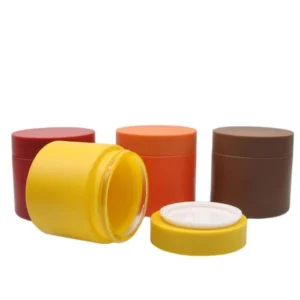
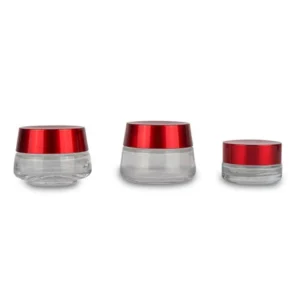
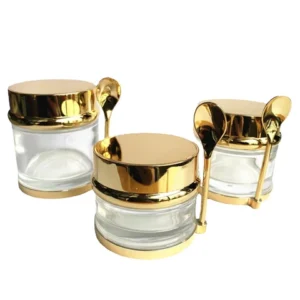
This company specializes in the production of glass bottles, jars, and custom-made glassware. It serves industries such as food and beverage, pharmaceuticals, and cosmetics. East African Glass Co. emphasizes innovation, offering customized solutions for clients in various sectors, with a particular focus on sustainable production methods.
East African Glass Co. has garnered recognition for its commitment to quality and environmental sustainability. They are certified by regional standards and have recently gained a reputation for their dedication to minimizing waste and energy use.
Company 3: Bujumbura Glass Manufacturing
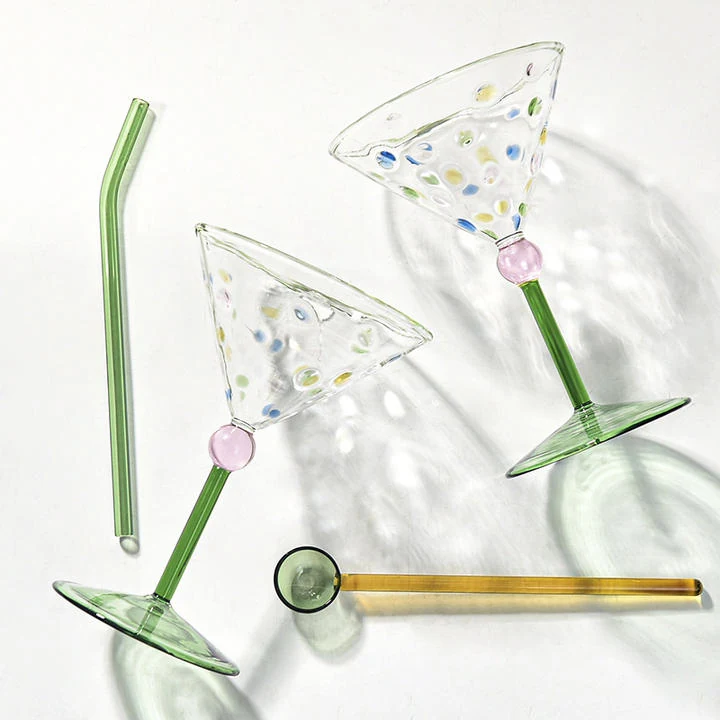
Bujumbura Glass Manufacturing, established in 2018, focuses on producing glassware for the local hospitality industry. This company’s main products include wine glasses, beer mugs, and glass containers used in the food service industry. Situated in the commercial hub of Bujumbura, the company provides products to local hotels, restaurants, and catering services, with plans to expand into regional markets.
In addition to glassware, Bujumbura Glass Manufacturing also offers a variety of other glass products, including decorative glass, mirrors, and specialty glass for interior design. The company is notable for its attention to detail and aesthetic design, making its products highly sought after in the local hospitality sector.
Bujumbura Glass Manufacturing is keen on improving its technological capabilities. They are working toward automating certain production processes to improve efficiency and reduce costs. The company is certified under both local and international standards, ensuring that their products are of top-notch quality.
| Company | Founded | Core Products | Industries | Certifications |
|---|---|---|---|---|
| Burundi Glassworks Ltd | 2010 | Glass cups, bottles, plates | Hospitality, Retail, Packaging | ISO 9001, Eco-Friendly Certification |
| East African Glass Co. Ltd | 2015 | Glass bottles, jars, custom glassware | Food & Beverage, Cosmetics, Pharma | ISO 14001, Regional Quality Standard |
| Bujumbura Glass Manufacturing | 2018 | Wine glasses, beer mugs, mirrors | Hospitality, Interior Design | Local Manufacturing Standards, Eco-Friendly Practices |
Part 3: Trade Shows and Industry Events
East African Glass Exhibition 2026
The East African Glass Exhibition is one of the major trade events in the region. Held annually in Nairobi, this exhibition brings together key players in the glass manufacturing industry, including suppliers, manufacturers, and buyers. It offers an opportunity to showcase the latest innovations and technological advancements in glass production.
Scheduled for March 2026, this event will feature product demonstrations, networking sessions, and industry talks. Exhibitors will have the chance to discuss the latest trends in glass manufacturing, including sustainability and technological advancements. Visitors will also be able to connect with potential suppliers and business partners from across the East African region.
Burundi National Manufacturing Expo 2026
Another important event is the Burundi National Manufacturing Expo, which takes place every two years in Bujumbura. This event focuses on various manufacturing sectors, including glassware. Local and international companies will showcase their products and services, making it a key event for manufacturers looking to enter or expand in the Burundian market.
This year’s edition, set for July 2026, will highlight innovations in glass production, with a special focus on eco-friendly and cost-effective manufacturing practices. It also provides a platform for industry discussions on improving manufacturing processes and sustainability in Burundi’s growing manufacturing sector.
| Event | Date | Location | Highlights |
|---|---|---|---|
| East African Glass Exhibition | March 2026 | Nairobi, Kenya | New glass technologies, networking |
| Burundi National Manufacturing Expo | July 2026 | Bujumbura, Burundi | Eco-friendly glass production, industry talks |
Part 4: Impact of Global Trade Policies
The glass manufacturing industry in Burundi is influenced by both local and international trade policies. Burundi’s membership in the East African Community (EAC) has opened doors to trade within the region, offering local manufacturers better access to raw materials and markets. However, the global trade environment poses challenges, including fluctuating material costs and import/export tariffs.
In addition, Burundi’s reliance on foreign materials means that global supply chain disruptions can significantly impact production. The imposition of tariffs and sanctions on certain countries also complicates trade and increases production costs. Nevertheless, local manufacturers are adapting by exploring regional partnerships to reduce their dependency on global supply chains.
On the upside, global trade agreements offer new opportunities for Burundi's glass industry. Access to international markets, such as the European Union and the United States, presents an opportunity for manufacturers to scale up and diversify their product offerings.
Part 5: Conclusion
The glass manufacturing industry in Burundi is at a pivotal stage, with both opportunities and challenges. The growing demand for glass products, especially in the hospitality sector, coupled with the country’s favorable trade agreements, positions Burundi as an emerging player in the East African manufacturing landscape.
However, the industry still faces challenges such as limited access to raw materials, a shortage of skilled labor, and the need to improve technological infrastructure. Companies must navigate these obstacles while capitalizing on the country’s expanding market and regional trade agreements. As Burundi continues to develop its manufacturing capabilities, there is significant potential for growth in the glassware sector.