Skip to content

Part 1: Market Size and Growth
The glassware manufacturing industry has seen significant growth globally, and the Central African Republic (CAR) is no exception. In recent years, there has been an increasing demand for locally produced glass products due to growing urbanization and the shift towards more sustainable production methods. This demand is not only driven by domestic needs but also by opportunities for regional export.
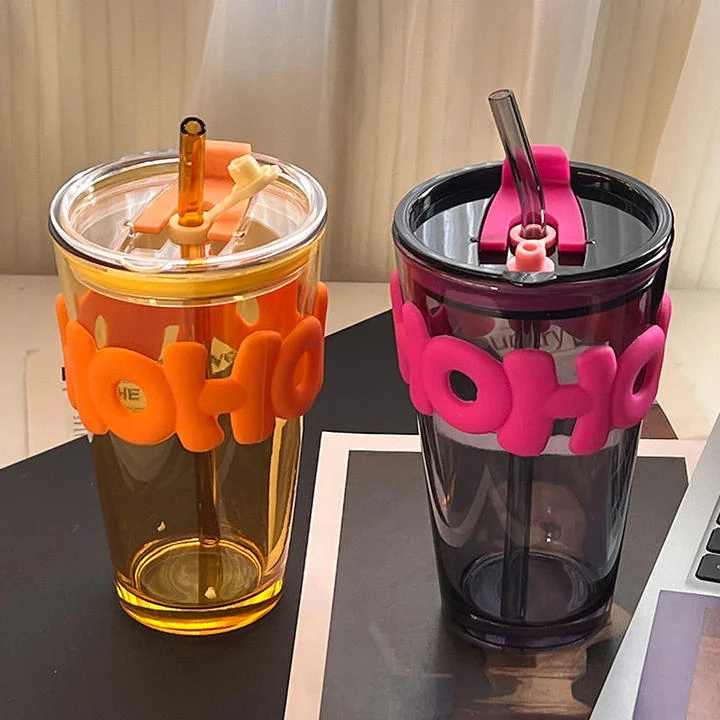
In CAR, glassware manufacturing is a relatively new but expanding industry. The country’s potential to become a major producer of glass products stems from its abundant natural resources, including sand and silica, essential for glass production. The market for glassware, especially in the foodservice and beverage sectors, is growing, driven by increasing consumer demand for affordable and high-quality products.
There are various factors influencing the expansion of glass manufacturing in CAR, including government initiatives and foreign investments. The CAR government has prioritized industrial development, which, in turn, has led to a more favorable environment for manufacturers. Additionally, the growth of small and medium-sized enterprises in the country is creating opportunities for new glassware manufacturers to emerge.
Part 2: Leading Companies
Company A

Founded in 2005 in Bangui, Company A has quickly established itself as a leading glassware manufacturer in the Central African Republic. Known for producing a wide range of glass products, including drinking glasses, vases, and decorative items, the company is a significant player in the region. Their products are well-regarded for their durability and aesthetic appeal.
Company A offers both standard and custom-designed glassware, catering to both local markets and regional export. Their key services include bulk production for retailers and bespoke items for corporate clients, such as branded glassware. Company A is recognized for its ability to combine traditional craftsmanship with modern manufacturing technologies.
The company primarily serves industries such as hospitality, retail, and corporate gifts. They are noted for their innovative approach to design and their commitment to environmentally sustainable practices. Recently, Company A has won a regional award for its energy-efficient production processes, positioning them as an eco-friendly leader in the glassware industry.
Company B

Company B, founded in 2010, is a family-owned glass manufacturing company based in the economic hub of CAR. Specializing in high-end glassware, the company has built a reputation for its exquisite craftsmanship and attention to detail. With a focus on both aesthetics and functionality, Company B's products are popular in both domestic and international markets.
Their product line includes wine glasses, glassware for fine dining, and custom-made glass products for special occasions. The company offers a full range of services, from design consultation to custom orders. This personalized approach has earned them a loyal customer base, particularly among upscale restaurants and hotels in CAR and neighboring countries.
Company B serves the luxury market, with an emphasis on high-end hospitality and giftware. They are also exploring the use of recycled glass in their products, aiming to reduce waste and promote sustainability. Recently, they received a "Green Manufacturer" certification for their efforts to minimize their carbon footprint.
Company C
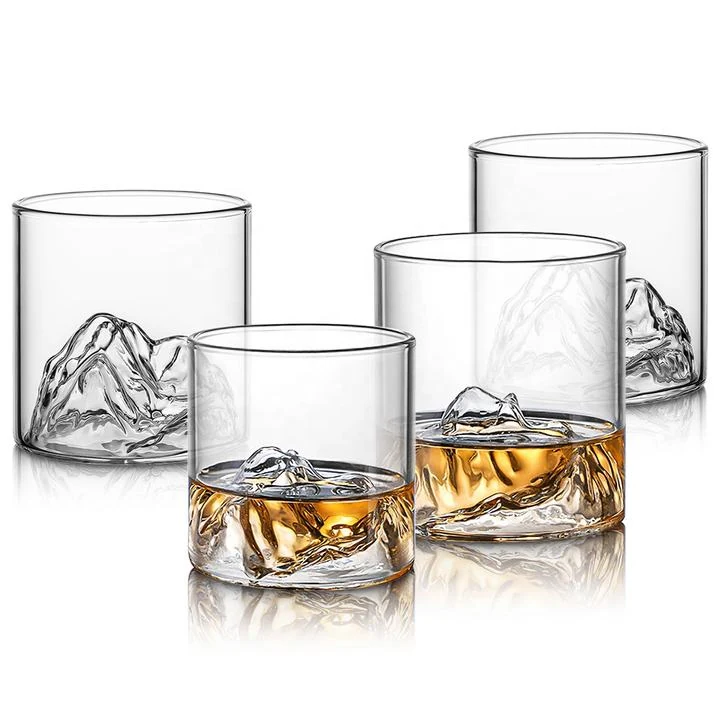
Founded in 2015, Company C is a rapidly growing glassware manufacturer based in the capital, Bangui. With a focus on affordability and quality, Company C is dedicated to producing glassware that meets the needs of both everyday consumers and commercial clients. The company specializes in producing glassware in bulk, with competitive pricing to attract both local and international buyers.
The product portfolio of Company C includes glass tumblers, jars, and other household glass products. They provide a variety of services, such as contract manufacturing and custom packaging. In addition, the company is known for its quick turnaround times and flexible order quantities, which have made them a popular choice for e-commerce sellers.
Company C serves various industries, including retail, foodservice, and e-commerce. The company’s success is attributed to its strong supply chain management and efficient production processes. They recently implemented a new inventory management system, which has helped improve delivery times and reduce operational costs.
| Company | Founded | Core Products | Industries | Certifications |
|---|---|---|---|---|
| Company A | 2005 | Drinking glasses, vases, decorative items | Hospitality, Retail, Corporate gifts | Regional sustainability award |
| Company B | 2010 | Wine glasses, fine dining glassware, custom-made items | Luxury market, Hospitality, Giftware | "Green Manufacturer" certification |
| Company C | 2015 | Tumblers, jars, household glass products | Retail, Foodservice, E-commerce | ISO 9001:2015 quality certification |
Part 3: Trade Shows and Industry Events
Trade shows and industry events play a crucial role in the growth of the glassware industry in CAR. These events provide opportunities for manufacturers to showcase their products, network with potential buyers, and stay updated on market trends.
One notable event is the Central African Trade and Export Exhibition held annually in Bangui. This exhibition gathers manufacturers, suppliers, and buyers from various industries, including glassware. The event provides a platform for local companies to present their products to international buyers and expand their reach.
The Glass and Ceramics Trade Fair is another key industry event that draws glassware manufacturers from around the world. Although not exclusive to CAR, the event in Africa provides a space for Central African glass manufacturers to engage with global market players. It offers excellent opportunities for partnerships and gaining exposure in international markets.
| Event | Date | Location | Highlights |
|---|---|---|---|
| Central African Trade and Export Exhibition | Annually | Bangui, CAR | Networking, product showcases, regional exposure |
| Glass and Ceramics Trade Fair | Biennial | Various African cities | International exhibitors, partnerships, innovation showcases |
Part 4: Impact of Global Trade Policies
Global trade policies significantly affect the glassware manufacturing industry in the Central African Republic. Trade agreements, tariffs, and international sanctions can have a direct impact on manufacturing costs and export opportunities. As CAR continues to develop its industrial sector, it faces both challenges and opportunities related to these global policies.
The African Continental Free Trade Area (AfCFTA) agreement is one such policy that presents new opportunities for CAR’s glassware manufacturers. By removing tariffs among member states, AfCFTA makes it easier for companies in CAR to access markets in other African countries. However, trade sanctions and restrictions in certain regions still pose challenges for companies seeking to expand their export operations.
Additionally, CAR manufacturers must navigate the complexities of international competition. With established glassware production countries like China dominating global exports, CAR manufacturers must find ways to differentiate themselves through unique product offerings or competitive pricing. This competitive pressure can push local manufacturers to innovate and improve production processes, which may benefit both the economy and the industry.

Part 5: Conclusion
The glassware manufacturing industry in the Central African Republic has tremendous potential for growth. As local manufacturers continue to develop and adopt sustainable practices, they are likely to see more opportunities for expansion both within CAR and across Africa. The growing demand for quality glass products, combined with favorable trade policies, will help position CAR as an emerging player in the regional market.
However, the industry also faces significant challenges, including global competition, supply chain issues, and the need to attract more investments. While the future looks bright for the sector, manufacturers must adapt to changing market dynamics and continue to innovate to stay competitive in the global glassware market.