Skip to content
Part 1: Market Size and Growth
The glassware industry in Denmark has seen remarkable growth over the years, with its rich tradition of craftsmanship driving innovation and design. Denmark has established itself as a significant player in the global market, especially in the production of high-quality tableware, home décor, and artistic glass. The country’s manufacturers focus on combining traditional techniques with modern aesthetics, ensuring that Danish glassware is both functional and decorative.
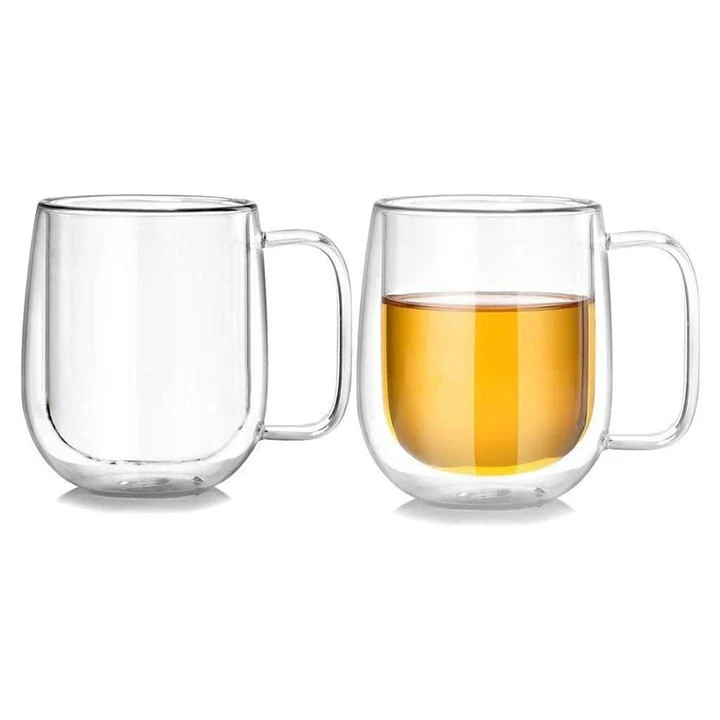
The market for Danish glassware spans various sectors, including retail, hospitality, and industrial applications. In particular, the demand for premium glassware in restaurants, hotels, and catering services has boosted production. Consumers worldwide appreciate Danish craftsmanship, especially in glassware designed for serving wine, water, and spirits. Additionally, there is growing interest in eco-friendly and sustainable materials, which has become a key focus for manufacturers.
Transitioning into the future, Denmark’s glassware market continues to thrive thanks to the government's support for design innovation and sustainability in manufacturing processes. Policy incentives and investments in research and development play a crucial role in shaping the industry’s growth. Many companies are also forming clusters in major industrial regions, allowing them to collaborate on new technologies and improve production efficiency.
Part 2: Leading Companies
Holmegaard

Founded in 1825, Holmegaard is Denmark's oldest and most prestigious glassware manufacturer. Located in Fensmark, Denmark, Holmegaard has a long history of crafting fine glass products for both everyday use and artistic expression. The brand has built a reputation for producing high-quality glassware, including vases, drinking glasses, and decanters, often working with renowned designers to create timeless collections.
Holmegaard's product range includes a wide variety of glassware, from basic table settings to intricately designed pieces for collectors. They are particularly well-known for their wine glasses, which are designed to enhance the drinking experience. Their vases and bowls have become popular in home décor markets as well. The company emphasizes sustainability, using eco-friendly practices and materials in production, aligning with modern consumers' growing interest in environmentally conscious brands.
Holmegaard serves a broad range of industries, from hospitality to home décor and giftware. With certifications for product quality and design, the brand has built a strong international presence. The company is well-regarded for its constant innovation, blending traditional craftsmanship with contemporary designs.
Lyngby Glas
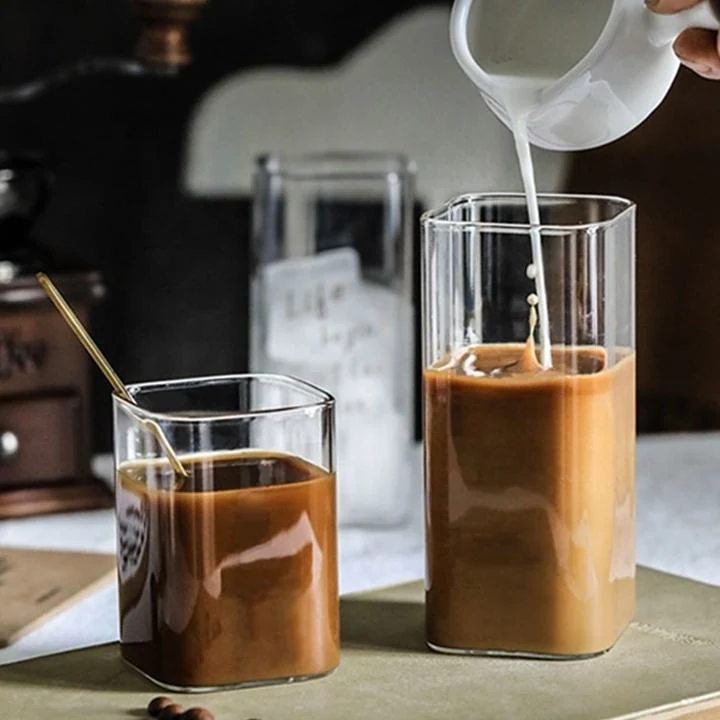
Lyngby Glas was founded in 1940 and is known for its elegant, minimalistic glassware. Headquartered in Lyngby, Denmark, the company has become a staple in Danish homes and hospitality venues. Lyngby Glas is particularly renowned for its sleek, simple designs that focus on functionality and style. They specialize in creating glasses, carafes, bowls, and other tableware that combine timeless elegance with modern sensibilities.
Lyngby Glas offers a comprehensive collection of drinking glasses, wine glasses, and decanters. The company places great emphasis on producing glassware that is both aesthetically pleasing and durable. Many of their products feature clean lines and clear glass, showcasing their commitment to simplicity and Scandinavian design. In addition to standard glassware, Lyngby Glas is also known for its unique, artistic pieces, which are often sought after by collectors.
Serving industries such as hospitality, retail, and home décor, Lyngby Glas is a key player in the Danish glassware market. With its emphasis on sustainability and responsible production, the company continues to attract environmentally-conscious consumers.
Studio Arhoj
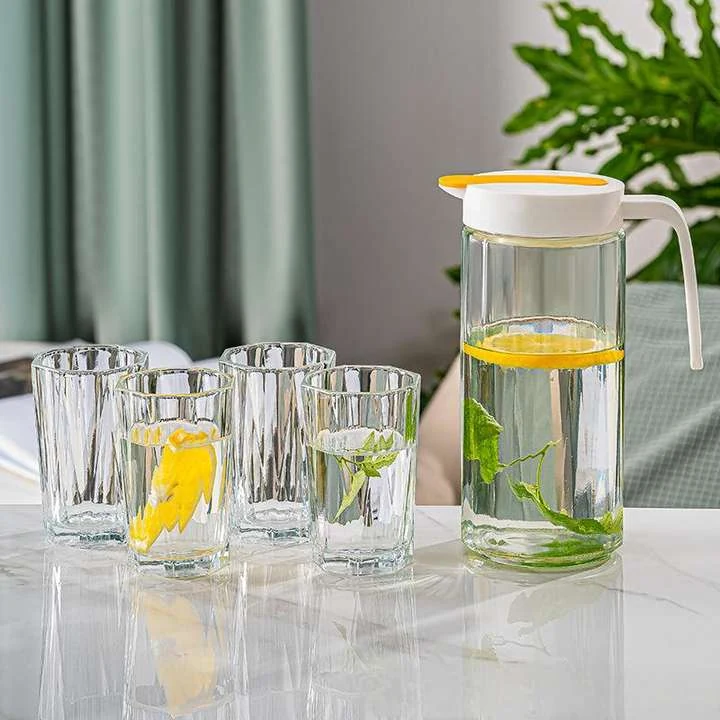
Studio Arhoj, founded in the early 2000s, is a relatively new yet highly innovative glassware studio based in Copenhagen, Denmark. Unlike more traditional manufacturers, Studio Arhoj focuses on handcrafted, artistic glassware. Known for its playful, colorful designs, the studio produces a range of products, including cups, vases, and decorative objects. Each piece is unique, crafted using artisanal techniques that set it apart from mass-produced items.
The studio’s product line emphasizes creativity and individuality. Many of its glass pieces are designed to evoke emotion and engage the viewer through vibrant colors and unusual forms. This makes Studio Arhoj’s offerings highly sought after by collectors and design enthusiasts. The brand also uses sustainable materials and production methods, reflecting its commitment to reducing environmental impact.
Studio Arhoj serves a niche market in the art and design community, with a focus on consumers who appreciate handcrafted, one-of-a-kind items. The company has gained recognition internationally and is increasingly being featured in exhibitions and galleries dedicated to contemporary glass art.
| Company | Founded | Core Products | Industries | Certifications |
|---|---|---|---|---|
| Holmegaard | 1825 | Wine glasses, vases, bowls, decanters | Home décor, hospitality | ISO 9001 |
| Lyngby Glas | 1940 | Drinking glasses, wine glasses, decanters | Hospitality, retail | FSC Certified |
| Studio Arhoj | 2000s | Artistic glass objects, vases, cups | Art, design, collectibles | - |
Part 3: Trade Shows and Industry Events
Ambiente
Ambiente is one of the leading global trade shows for consumer goods, held annually in Frankfurt, Germany. The event brings together manufacturers, designers, and buyers from around the world to showcase the latest innovations in glassware, tableware, and home décor. For Danish manufacturers, Ambiente offers a prime opportunity to present their products to a global audience and expand their export networks.
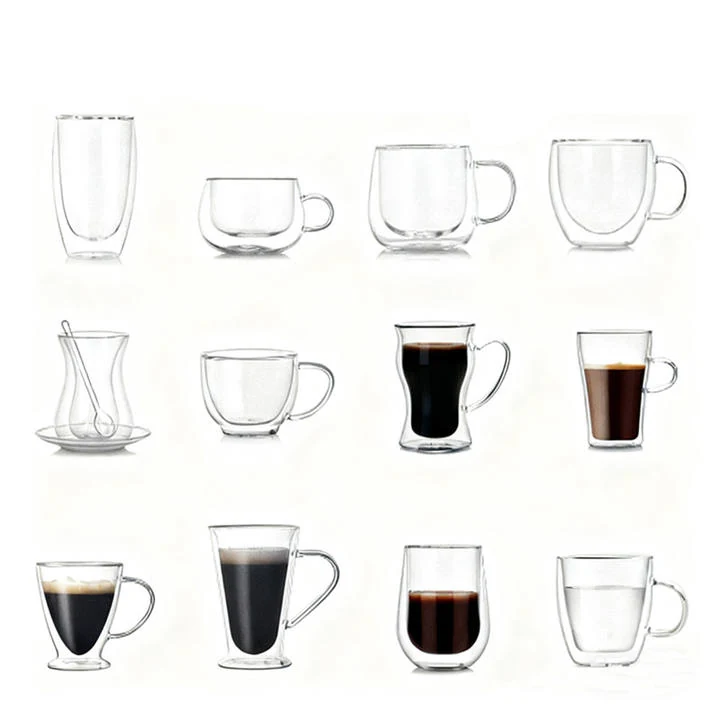
The fair typically takes place in February, attracting thousands of visitors from across the globe. For companies like Holmegaard, Lyngby Glas, and Studio Arhoj, Ambiente serves as an essential platform to connect with new customers and suppliers. The event also highlights sustainability trends in the industry, showcasing products made from eco-friendly materials. Key product highlights often include new collections of glassware, innovative designs, and collaborations with top designers.
Danish Glass Days
Danish Glass Days is a local event celebrating Denmark’s glassmaking heritage and modern innovations. Hosted annually in Denmark, it gathers both professionals and enthusiasts of glass art. This event serves as a platform for manufacturers to showcase their craftsmanship and connect with local and international buyers.
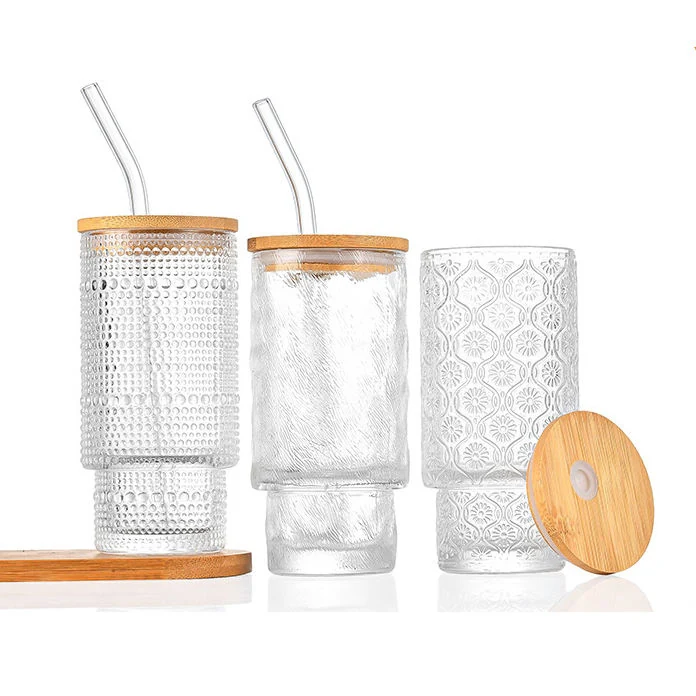
Typically held in late spring, Danish Glass Days features live demonstrations, artist exhibitions, and presentations on new glass technologies. For Danish glassware manufacturers, this event represents an opportunity to demonstrate their design processes and innovative techniques. Visitors often have the chance to purchase limited-edition pieces and engage with the artists behind the designs.
| Event | Date | Location | Highlights |
|---|---|---|---|
| Ambiente | February | Frankfurt | Global trade, sustainability trends, product launches |
| Danish Glass Days | Spring | Denmark | Live demos, artist exhibitions, design showcases |
Part 4: Impact of Global Trade Policies
Global trade policies play a significant role in shaping the Danish glassware industry. Tariffs, trade agreements, and international regulations can have a profound impact on the ability of manufacturers to access raw materials, export products, and compete in international markets. As Denmark is part of the European Union, companies benefit from trade agreements within the bloc, but they also face challenges related to EU regulations on sustainability and environmental impact.
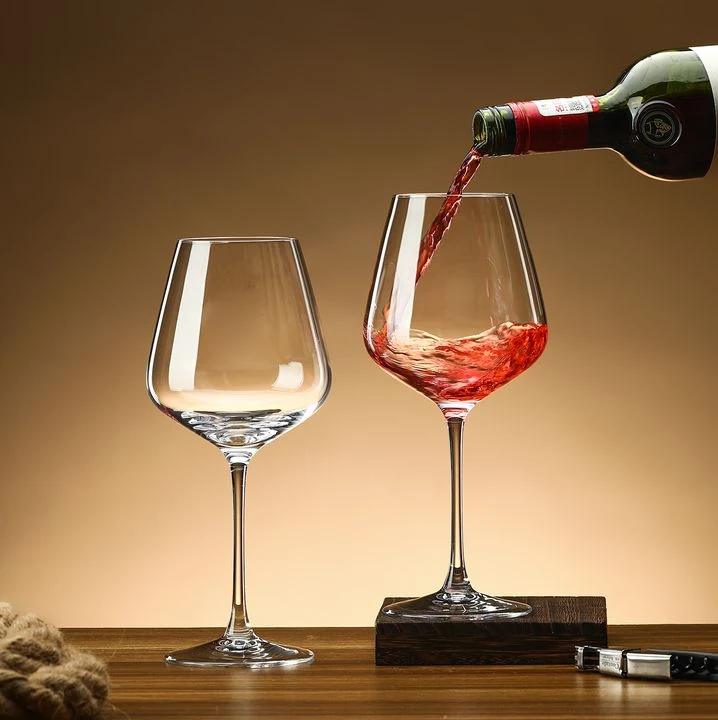
While trade policies can open up new opportunities for Danish companies, they also present risks. For instance, tariffs imposed on products from non-EU countries can affect the profitability of exports. Additionally, environmental regulations aimed at reducing carbon footprints may require Danish manufacturers to invest in cleaner technologies, impacting production costs. Despite these challenges, the demand for high-quality glassware remains steady, and companies are adapting by focusing on sustainability and innovation.
Part 5: Conclusion
The Danish glassware industry holds significant promise for growth, driven by innovation, sustainability, and design excellence. As global demand for quality glassware increases, Danish manufacturers are well-positioned to cater to diverse markets, from hospitality to home décor. With continuous investment in research and development, the industry will likely see even more sophisticated and eco-friendly products in the years to come.
However, challenges persist, particularly in the face of global economic shifts and rising production costs. Danish manufacturers must remain agile, adapting to changing trade policies, consumer preferences, and environmental standards. The future of the Danish glassware industry lies in its ability to balance tradition with innovation, meeting the demands of both local and international consumers.