Skip to content

Part 1: Market Size and Growth
Egypt has a long history of glassmaking that reaches back thousands of years. The glassware industry in Egypt sits between tradition and modern needs. In recent years, local makers have worked to support rising demand at home and abroad. The rise of new factories and technology has helped turn the industry into a more modern manufacturing sector.
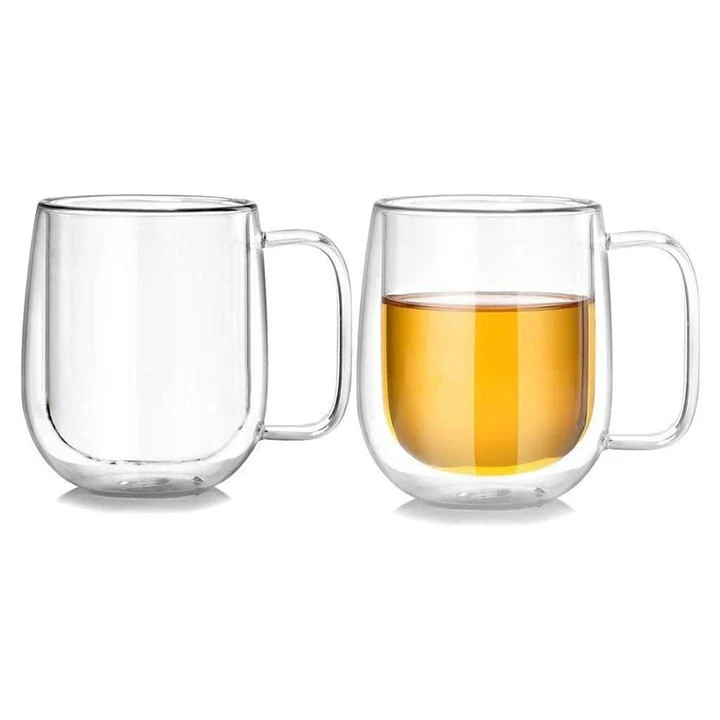
The market for glassware in Egypt now includes household drinkware, decorative glass, and industrial glass solutions. More people are using glassware in homes, hotels, and offices. Egypt’s domestic market shows steady growth and export demand has been rising especially in Africa and the Middle East. Many businesses are choosing Egyptian glass because of its competitive pricing and cultural design influences.
Policies have had a big effect on the glassware industry. Government programs that support light manufacturing have helped new plants open. Investment incentives in industrial zones have drawn foreign and local capital into glass production. Trade clusters around cities such as Cairo, Alexandria, and 10th of Ramadan have made supply chains more efficient.
Part 2: Leading Companies
El Nasr Glass Manufacturing Company
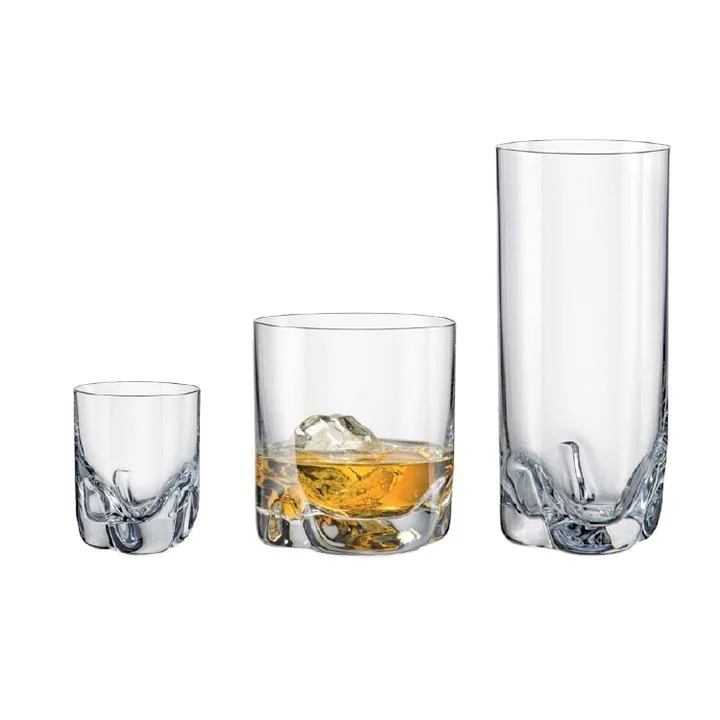
El Nasr Glass Manufacturing Company is a major name in Egyptian glass production. This company began in the 1950s and grew into one of the largest glass makers in North Africa. It has roots in traditional techniques but now uses modern methods to produce diverse glass products. El Nasr’s long history gives it a strong reputation in domestic markets.
The company produces many kinds of glass, including flat glass for construction, containers for the food and beverage sector, and tableware. Its products are used by households and industries alike. The manufacturing processes combine furnace technology with quality control systems that help ensure safe and clear final goods.
El Nasr serves several industries, including construction, automotive, and packaging. The way it blends design with strength makes its products useful in many settings. The company has worked with European partners to gain process know-how and to improve output. This collaboration has helped it meet strict quality standards that some markets require.
Innovation in furnace design and product shaping is one of El Nasr’s strong points. It uses heat management systems that cut energy use and improve glass clarity. The company has also worked to adopt environmental measures, such as recycling heat and reducing emissions. These steps help it meet certifications in product safety and environmental performance.
El Nasr’s honors include recognition from industrial groups in Egypt and trade export awards. Its long track record of quality has earned trust among many domestic and regional buyers. These achievements help maintain its market lead.
Misr Glass Manufacturing Co. (MGMC)

Misr Glass Manufacturing Co. is another major Egyptian glass producer. Founded in the late 20th century, it built a strong profile in container glass and tableware. The company’s facilities adapted quickly to market trends and consumer needs in drinkware and household glass. It focuses on blending quality with cost-effectiveness.
The company’s product range includes bottles for beverages, jars for food products, and sets of table glasses. These offerings appeal to both local buyers and international importers. Production lines are designed to switch between different product sizes to meet varied demand. Packaging systems are aligned with export requirements to ensure goods reach distant markets in good condition.
MGMC serves the food and drink sector, hospitality industry, and retail stores. The versatility of its glass products makes it a common choice for both small businesses and large brands. They also make colored glass lines which tie into decorative and special market uses.
Innovations at MGMC include new forming machines that increase precision and reduce breakage. They also have quality testing labs that check for strength and uniform thickness. This helps ensure customers receive consistent and durable products. The company works toward ISO certifications and meets several regional trade standards.
MGMC has been recognized for export excellence and quality by trade bodies in Egypt. These honors reflect its ability to compete globally. Its investments in equipment and staff training have kept it competitive as markets change.
Alexandria Glass Company
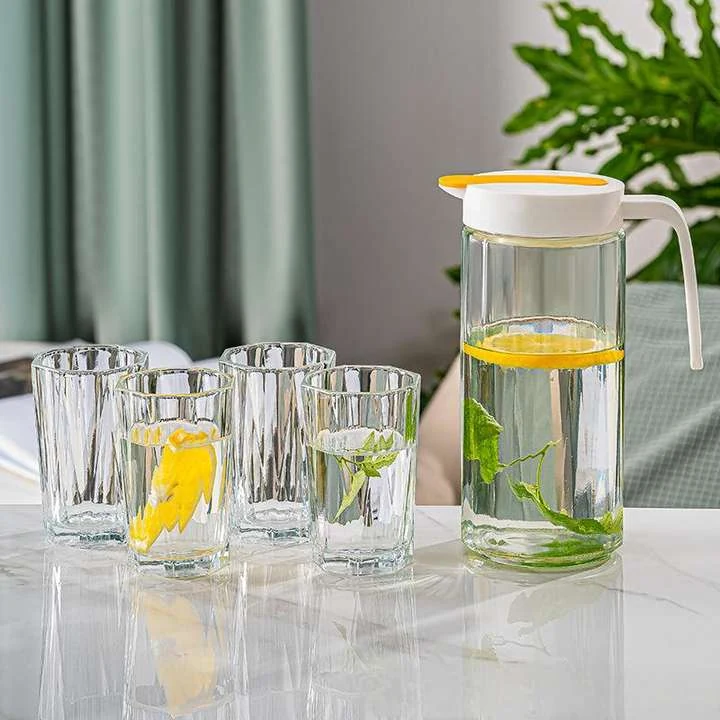
Alexandria Glass Company is a mid-sized producer focused on diverse glass products. It began operations in the 1980s and became known for decorative and custom glassware. Unlike some others, its focus has been on combining local craft style with modern manufacturing.
The product mix includes drinkware sets, candle holders, vases, and bespoke designs for events. These products often carry a design touch that reflects local culture. Production uses both hand-finishing and machine forming to balance quality with unique design traits. The company works with local designers to refresh its offerings.
It serves boutique stores, event planners, and overseas retailers looking for artisanal glassware. Its decorative lines stand out among more utilitarian glass products. Alexandria Glass also makes small batch orders for custom gifts and special market needs.
On the innovation side, they focus on finishing techniques and color application. They have introduced new glazing and etching methods. The company is building a reputation for stylish glassware that is functional and artistic. Local awards have highlighted its design contributions to Egypt’s craft and industrial scene.
Glassware Companies Comparison Table
| Company | Founded | Core Products | Industries | Certifications |
|---|---|---|---|---|
| El Nasr Glass | 1950s | Flat, Container, Tableware | Construction, Packaging | Environmental, Quality Standards |
| Misr Glass (MGMC) | Late 1900s | Bottles, Jars, Table Glass | Food & Beverage, Hospitality | ISO, Export Quality |
| Alexandria Glass Company | 1980s | Decorative Glassware | Retail, Event Design | Local Design Awards |
Part 3: Trade Shows and Industry Events
Cairo International Trade Fair – Glass Section
Cairo International Trade Fair is one of the biggest events for manufacturers in Egypt. The fair hosts companies from across Egypt and other countries. The glass section draws many local and regional buyers interested in glassware products. There is usually a wide range of exhibitors from glassware makers, equipment suppliers, and packaging partners.
This event is held annually in Cairo and attracts thousands of visitors. Buyers from North Africa and the Middle East attend to view new products. Many companies use this event to launch new lines or find new buyers. The show also includes seminars on export strategies and quality management.
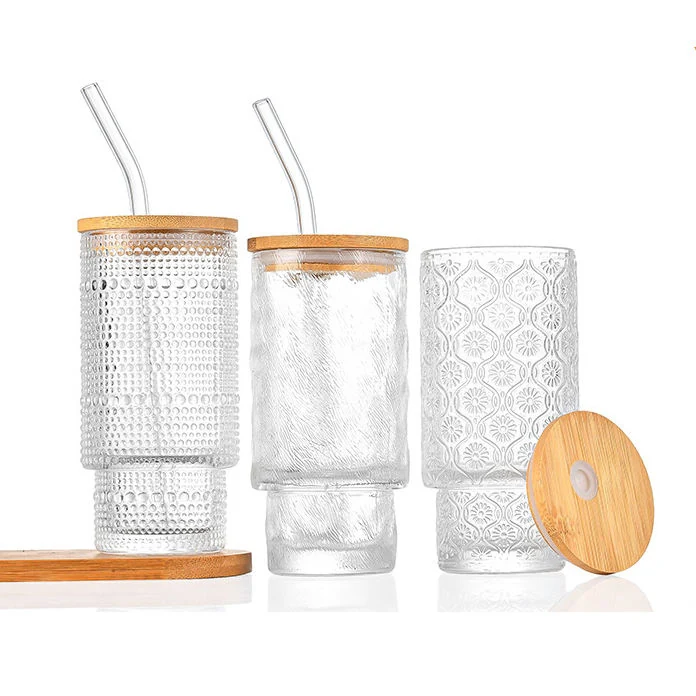
Highlights of this fair include live demonstrations of glass forming techniques and panels on sustainable production. Visitors can meet factory representatives face-to-face. The event also features networking sessions that help smaller makers gain contacts.
Alexandria Industrial Expo – Glass & Ceramics Pavilion
The Alexandria Industrial Expo includes a dedicated pavilion for glass and ceramics. This event brings together producers, designers, and industrial buyers. It is a place to see new decorative glass products and industrial glass solutions. Exhibitors range from handcrafted makers to automated production facilities.
The expo is held in Alexandria once each year, usually in spring. It draws crowds from Egypt’s northern regions and beyond. Many companies show off innovations like energy-efficient furnaces and new glass color processes.
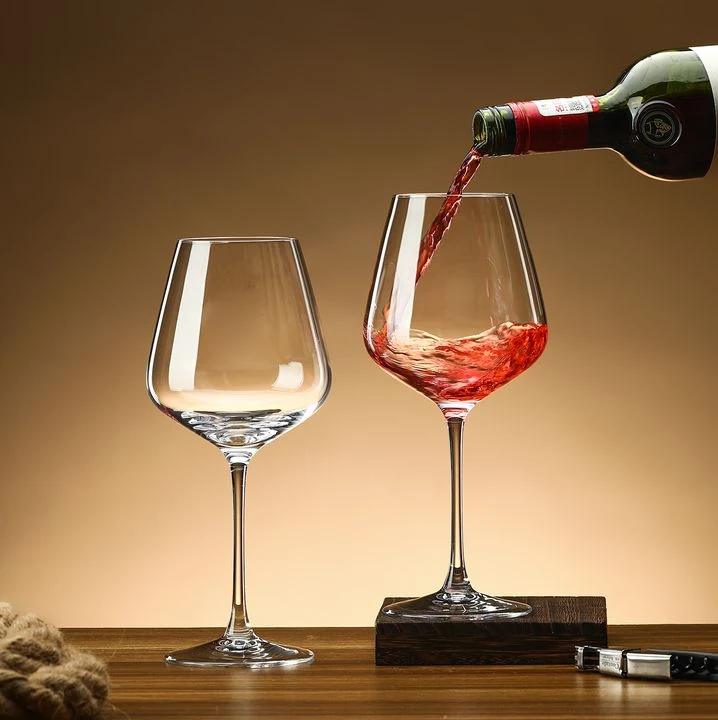
Main highlights include talks on international market trends and workshops for small business owners on how to market glass products. The event also fosters links between designers and manufacturers. It is a good chance for startups to connect with larger firms and investors.
Industry Events Summary Table
| Event | Date | Location | Highlights |
|---|---|---|---|
| Cairo Int’l Trade Fair | Annual | Cairo | Exhibits, Seminars, Live Demos |
| Alexandria Industrial Expo | Annual Spring | Alexandria | Workshops, Networking, Designer-Manufacturer Matches |
Part 4: Impact of Global Trade Policies
Global trade policies shape how Egyptian glassware enters foreign markets. Trade agreements with African and Middle Eastern countries help lower tariffs. This makes Egyptian products more competitive abroad. However, changes in EU and U.S. trade rules can sometimes raise costs for exporters.

Local manufacturers face both opportunities and challenges from these policies. Preferential trade deals help find new buyers in growing markets. But compliance with foreign standards requires investment in testing and certification. Some smaller firms struggle with the cost of meeting strict export requirements.
Trade sanctions and global supply chain shifts also matter. When raw materials become costlier due to tariffs, production costs rise. Egypt imports some key raw materials for glass production, so shifts in global prices have direct impact. This leads producers to look for local alternatives or invest in material recycling to cut costs.
Competition from lower-cost producers in Asia and Europe affects some market segments. Egyptian companies must improve quality and branding to compete. At the same time, global demand for sustainable and handcrafted goods opens niches that local makers can fill.
In summary, international trade rules both support and challenge Egyptian glass makers, pushing them to adapt continually.
Part 5: Conclusion
The glassware manufacturing sector in Egypt shows solid growth backed by history and new investment. There are strong makers competing both at home and abroad. Trade shows and industry events have helped domestic firms meet buyers and explore new markets. The mix of traditional art and modern methods gives Egypt a unique place in the global glassware world.
Challenges remain, including cost pressures from raw materials and compliance with export standards. Global competition means that firms must grow through quality and market focus. Still, the industry’s roots in craft and rising industrial skills point to continued opportunities ahead.