Skip to content
Part 1: Market Size and Growth
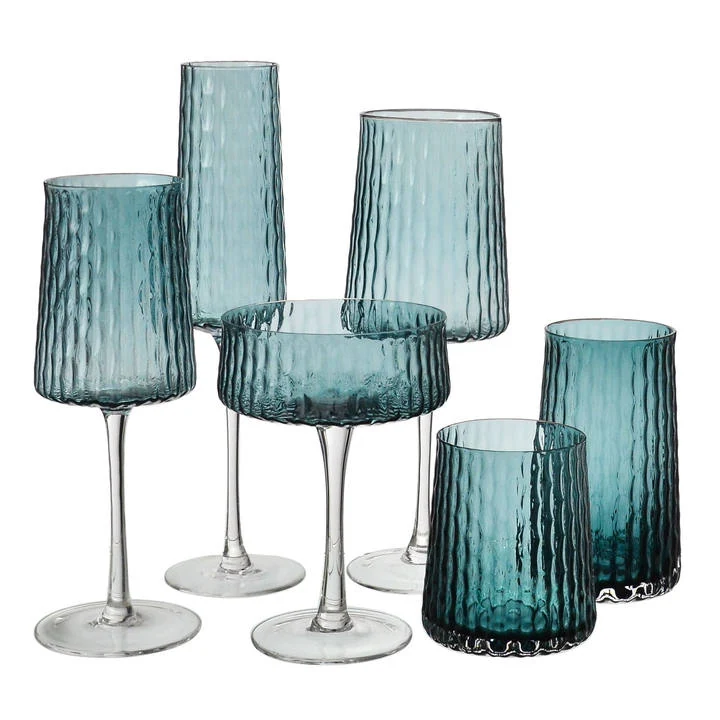
The glassware industry has been growing steadily in Eswatini, a small country in Southern Africa. Though the region isn't traditionally known for glass manufacturing, there has been an increase in local production driven by both domestic demand and international exports. Local manufacturers have begun to cater to a variety of needs, from household items to specialized industrial products.

Over the last decade, the Eswatini glassware market has seen growth, especially in household glassware products. This is largely attributed to the growing middle class in Southern Africa, who are increasingly looking for affordable yet high-quality glassware products. The demand for glassware in restaurants, hotels, and retail stores has also contributed to this upward trend. The potential for further expansion remains, especially with the rise of e-commerce and the development of local manufacturing capabilities.
The government of Eswatini has also made strides in encouraging local manufacturing through investment in infrastructure and favorable policies. This has led to the formation of industrial clusters where glassware manufacturers can source raw materials and access efficient production systems, which helps reduce overall production costs.
Part 2: Leading Companies
Swazi Glassworks
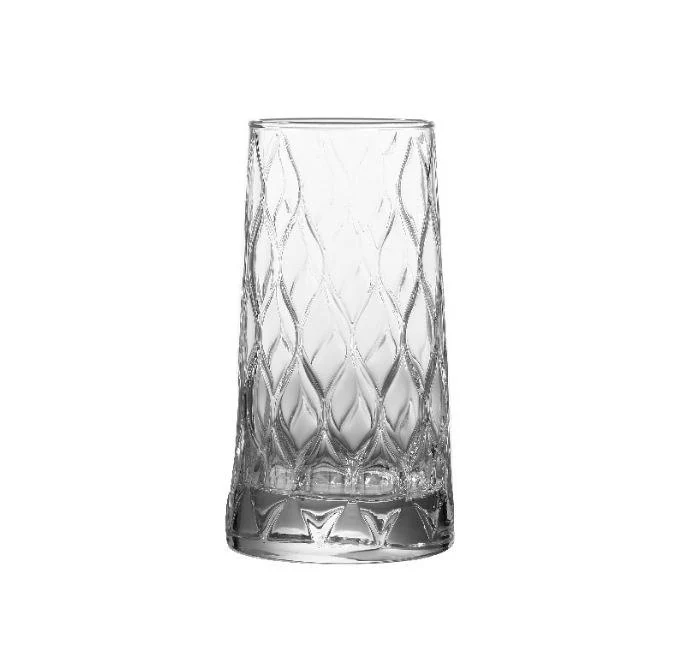
Swazi Glassworks, founded in 1995, is one of the leading glass manufacturers in Eswatini. Located in the heart of Eswatini’s industrial zone, the company focuses on producing both decorative and functional glass products. From glassware for hospitality businesses to home use, Swazi Glassworks has become a trusted brand in the region.
The company offers a wide range of products, including glass cups, vases, wine glasses, and bespoke glass items. Their products are known for their intricate designs, often inspired by traditional Swazi culture. They cater primarily to the hospitality, retail, and residential sectors, offering both standard products and custom-made glassware solutions.
In terms of innovation, Swazi Glassworks focuses on incorporating sustainable practices in its production processes, such as recycling and using locally sourced raw materials. The company is ISO-certified, ensuring that all its products meet international quality standards.
| Company | Founded | Core Products | Industries | Certifications |
|---|---|---|---|---|
| Swazi Glassworks | 1995 | Glass cups, vases, wine glasses | Hospitality, Retail, Residential | ISO Certification |
Eswatini Glass Manufacturing

Eswatini Glass Manufacturing, established in 2000, specializes in manufacturing glass bottles and jars for the food and beverage industry. Based in the industrial hub of Eswatini, this company has established itself as a major player in the region. Their products are crucial for packaging beverages, oils, and cosmetics.
The company’s product line includes a variety of glass jars, bottles, and containers in different shapes and sizes. They are well-known for offering custom labeling and packaging solutions for businesses in the food, cosmetics, and pharmaceutical industries. The company ensures that all its glass containers meet food safety standards and are environmentally friendly.
One of Eswatini Glass Manufacturing’s key innovations is their use of advanced production technology to create lightweight glass products, reducing material costs and increasing energy efficiency. This focus on innovation has allowed them to maintain competitive pricing while expanding their product range.
| Company | Founded | Core Products | Industries | Certifications |
|---|---|---|---|---|
| Eswatini Glass Manufacturing | 2000 | Glass jars, bottles, containers | Food & Beverage, Cosmetics, Pharmaceutical | Food Safety Certification |
African Glass Enterprises

African Glass Enterprises, founded in 2010, is another key player in the Eswatini glassware market. This company focuses on producing high-quality glass for both domestic and export markets. With its state-of-the-art facilities, African Glass Enterprises produces a wide range of products, from decorative glass pieces to functional kitchenware.
Their product range includes glass tumblers, decorative vases, and customized giftware. The company has a strong emphasis on quality, ensuring all their products undergo rigorous testing for durability and safety. They cater to both local retail stores and international clients, exporting to markets across Africa and Europe.
The company’s innovation lies in its approach to integrating modern design trends with traditional glassmaking techniques. This allows African Glass Enterprises to offer unique and elegant products that appeal to a wide variety of customers. They hold several industry certifications, which further assures customers of their product quality.
| Company | Founded | Core Products | Industries | Certifications |
|---|---|---|---|---|
| African Glass Enterprises | 2010 | Glass tumblers, vases, giftware | Retail, Export, Hospitality | Quality Certifications |
Part 3: Trade Shows and Industry Events
Swaziland International Trade Fair
The Swaziland International Trade Fair, held annually, is one of the most important events for businesses in Eswatini. This trade fair showcases products from various industries, including glassware. It provides local manufacturers an excellent platform to network with potential clients and international distributors.

The event typically takes place in the capital city, Mbabane, and attracts thousands of visitors each year. The trade fair serves as a hub for business-to-business interactions, where companies can exhibit their products and form partnerships. For glassware manufacturers, this event is an ideal place to gain exposure and explore new markets.
One of the key highlights of the fair is the opportunity to meet industry experts and gain insights into the latest trends in manufacturing, sustainability, and packaging. The event also features workshops and seminars that are beneficial for businesses looking to innovate and grow in the global marketplace.
Africa Sourcing and Fashion Week
The Africa Sourcing and Fashion Week, although primarily focused on fashion and textiles, also highlights home and lifestyle products, including glassware. Manufacturers from across the continent gather to showcase their latest products and engage with a global audience.

Held annually in Eswatini, this event has become a significant platform for local glassware manufacturers to showcase their products to a wider audience, particularly focusing on those interested in high-end, artisanal, and custom-made glass products. It provides an opportunity for manufacturers to gain valuable exposure and connect with international buyers, designers, and industry leaders.
The event’s focus on sustainable and innovative products has encouraged local manufacturers to push the boundaries of design and production. Attendees also benefit from networking opportunities and workshops on the latest trends in glassware manufacturing and export strategies.
| Event | Date | Location | Highlights |
|---|---|---|---|
| Swaziland International Trade Fair | August | Mbabane | Networking, Product Exhibition, Industry Insights |
| Africa Sourcing and Fashion Week | September | Mbabane | Product Showcase, Sustainable Design, Networking |
Part 4: Impact of Global Trade Policies
Global trade policies have had a significant impact on the glassware industry in Eswatini. As more countries impose tariffs and trade regulations, manufacturers in Eswatini must navigate these complexities to maintain competitiveness. The local glassware sector faces challenges due to these external trade policies, especially when it comes to exporting products to international markets.

Additionally, the rise in local sourcing and the push for sustainable manufacturing has had a direct influence on the way Eswatini manufacturers operate. There is an increasing emphasis on using locally sourced materials, reducing carbon footprints, and complying with international environmental standards. These trends align with the global move toward sustainable and ethical production practices.
The opportunities for growth, however, are evident. As countries across the globe move toward more localized supply chains, Eswatini’s glassware manufacturers are well-positioned to meet the growing demand for high-quality, locally sourced glass products. However, staying competitive will require innovation, improved production techniques, and effective marketing strategies.
Part 5: Conclusion
The glassware manufacturing sector in Eswatini is on a positive growth trajectory. With local manufacturers focusing on both quality and sustainability, the industry is well-equipped to expand further. Opportunities in both the domestic and international markets present a bright future for companies in this space.

However, challenges remain, particularly in terms of navigating global trade policies and maintaining consistent quality while scaling production. Manufacturers must continue to innovate and build strategic partnerships to stay ahead in the competitive global market. The potential for growth in the Eswatini glassware market is considerable, but the path forward requires careful planning and execution.