Skip to content
Part 1: Market Size and Growth
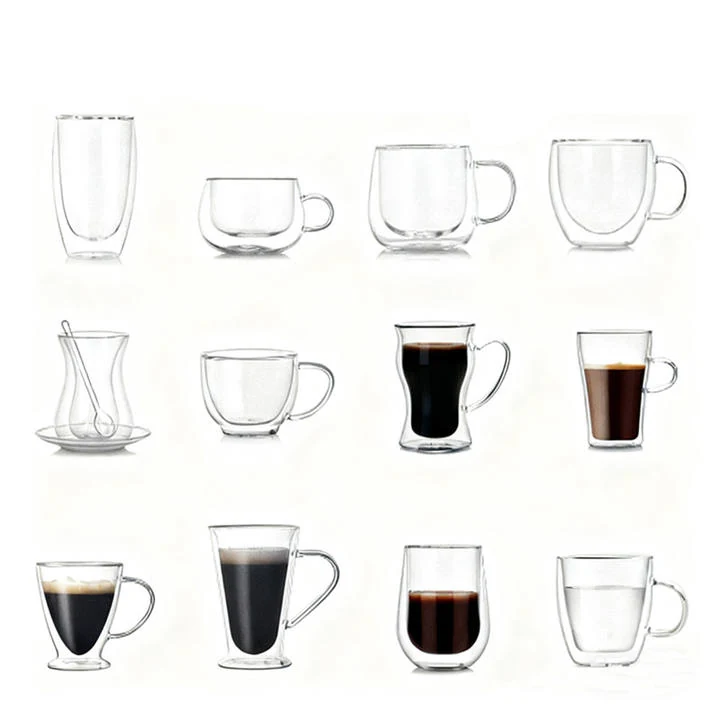
Glassware has a long history in Finland as a craft and industry. Finland has a mix of traditional glassmaking and modern companies that serve global markets. For decades, Finnish glass products have blended simple design with function, which appeals to both local buyers and export markets.

Glassware is used in homes, restaurants, hotels, and art collections. The market includes everyday drinkware, decorative pieces, and specialty glass for industrial use. Finnish glassware sits at the intersection of utility and design, making it attractive for buyers who value minimalism and quality.
Policy and investment continue to shape the Finnish glass industry. Government support for small manufacturers and design incubators helps new brands grow. Clusters around cities such as Helsinki and Tampere offer shared facilities, which reduce costs for start‑ups.
Over the last decade, exports have grown steadily. Finland’s glassmakers have found buyers in Europe, North America, and Asia because of their clean design language. Many companies maintain a high standard of craftsmanship, which has helped them survive competition from mass‑produced goods.
Part of the industry’s growth owes to rising interest in sustainability. Consumers are choosing products that last longer and have a smaller environmental footprint. Glassware fits this trend because it is reusable, recyclable, and generally free of harmful chemicals.
Despite strong design roots, manufacturing challenges remain. High labor and energy costs in Finland make production more expensive than in some other countries. Still, manufacturers leverage automation and lean production to stay competitive.
Finland’s glass industry also benefits from tourism and retail demand. Visitors often buy Finnish glass as gifts or souvenirs, which boosts brand recognition. Local design stores in urban centers also help connect producers with customers who appreciate Scandinavian aesthetics.
At the same time, some manufacturers are exploring collaborations with international designers. These partnerships bring fresh ideas and help local companies reach broader markets. The combination of heritage and modern vision is a strength for Finnish glassware.
Part 2: Leading Companies
Iittala
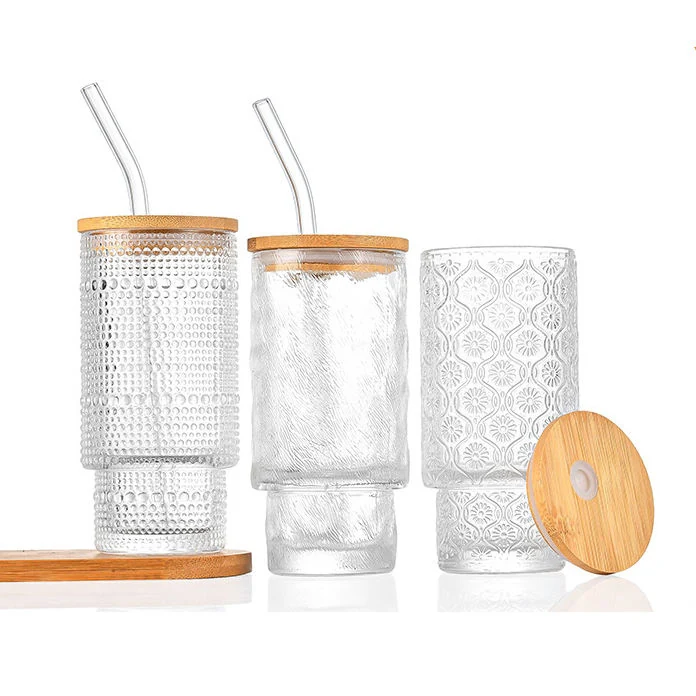
Iittala is one of the most storied Finnish glassware companies, founded in 1881. Its roots trace back to a small glassworks village, which gave the company its name. Over time, Iittala built a reputation for combining functional glassware with timeless design.
Iittala’s products include tableware, drinkware, vases, and decorative objects. Many pieces are designed to be both practical and beautiful, fitting seamlessly into everyday life. The company’s range spans classic collections and contemporary collaborations.
The main industries it serves are home goods, gift items, and hospitality. Hotels and restaurants around the world choose Iittala for consistent quality and design appeal. Retailers also feature Iittala in lifestyle and design stores.
Innovation is central to Iittala’s brand. The company often works with renowned designers to push fresh ideas while staying true to Finnish design heritage. This approach has led to iconic pieces that remain popular year after year.
Iittala has earned international awards and recognition for design excellence. Pieces from the brand are part of museum collections and design exhibitions globally. Their products often appear in lists of top Scandinavian design objects.
Nuutajärvi Glassworks
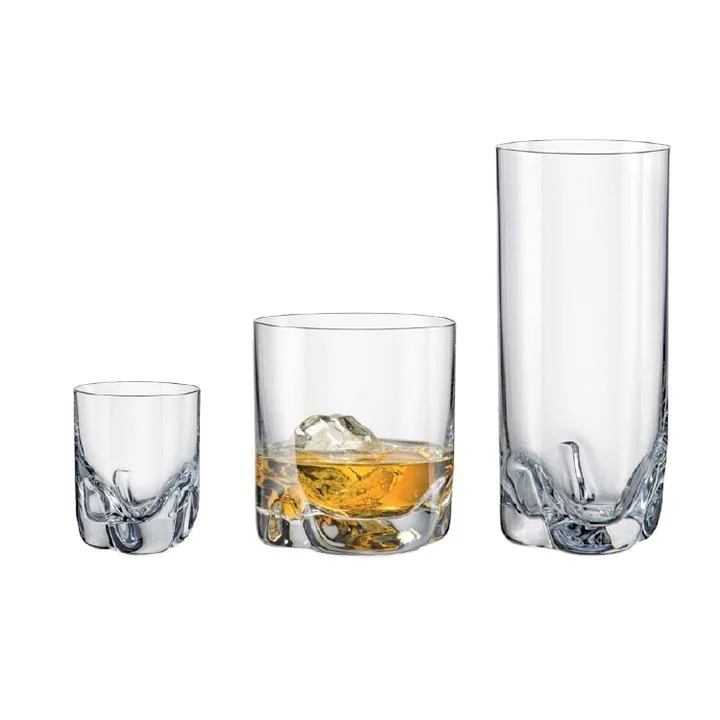
Nuutajärvi Glassworks is among Finland’s oldest operational glass manufacturers, established in 1793. It has a deep legacy in Finnish craftsmanship and is known as the birthplace of many classic glass pieces. The glassworks sits near lakes and forests, which influenced its early growth.
The company produces art glass, bespoke pieces, and traditional glassware forms. Nuutajärvi pieces often reflect both natural beauty and artisan skill, attracting collectors. It serves markets that value quality, history, and handmade products.
Its primary sectors include art markets, galleries, and collectors as well as interior design firms. Architects and decorators frequently choose Nuutajärvi glass due to its character and uniqueness. The company also supports custom commissions for special projects.
Craftsmanship sets Nuutajärvi apart. Master glassblowers still shape pieces by hand, preserving techniques passed down through generations. This dedication to craft makes each item distinct, and shapes the brand identity.
Nuutajärvi’s contributions to design are widely recognized. The company has been featured in art journals, museum shows, and cultural heritage showcases. Its history and enduring relevance make it a pillar of Finnish glass culture.
Karhula Glassworks

Karhula Glassworks began operations in the early 1900s and grew into a major industrial glass producer. It combined industrial capabilities with good design, making quality glassware more accessible. Its factory towns became hubs of production and community life.
Karhula’s products have ranged from everyday drinkware to specialized industrial glass. The company served households as well as commercial clients, making functional items at scale. Its catalog historically included items that balanced utility with simple aesthetic style.
Karhula’s industries include consumer goods and commercial supply. Restaurants, schools, and corporate cafeterias have used Karhula glassware for daily service. The brand also made decorative items that reached design‑oriented customers.
The company made innovations in mass production techniques, which helped keep costs competitive. It often integrated new molds and heating methods to improve consistency and quality. Karhula helped set standards for industrial glass in Finland and beyond.
Karhula products earned recognition for durability and value. Customers appreciated their resilience in heavy use settings. Though the original company structure shifted over time, its legacy remains in Finnish glass history.
| Company | Founded | Core Products | Industries | Certifications |
|---|---|---|---|---|
| Iittala | 1881 | Tableware, Drinkware | Home, Hospitality, Retail | Design Awards |
| Nuutajärvi Glassworks | 1793 | Art Glass, Collectibles | Art Markets, Galleries, Design | Heritage Honors |
| Karhula Glassworks | 1900s | Drinkware, Industrial | Consumer Goods, Commercial Supply | Quality Marks |
Part 3: Trade Shows and Industry Events
Habitare
Habitare is a major Finnish design and furniture fair held annually in Helsinki. It showcases Finnish and international brands in furniture, lighting, and interior items including glassware. Designers and buyers use Habitare to connect and explore new trends.
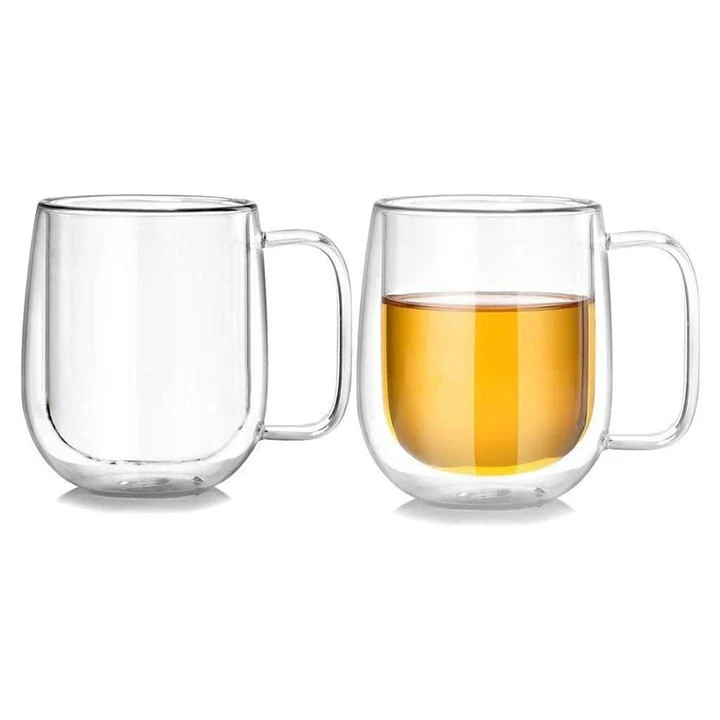
Held in early autumn, Habitare draws thousands of visitors. The event features exhibitions, talks, and special showcases on craftsmanship. Glassware makers often reveal new collections and collaborate with other designers here.
The fair’s highlights include themed galleries that bring attention to sustainable design. Attendees can discover how glass fits into wider home and lifestyle trends. Workshops also provide hands‑on experience and networking.
Habitare helps smaller glassmakers gain exposure. Emerging brands get a stage next to established names, enriching the market. The event’s international visitors also expand opportunities for export and cooperation.
Helsinki Design Week
Helsinki Design Week is Finland’s largest design festival, spanning multiple venues and months. It covers product launches, exhibitions, and talks on contemporary design including glassware. The festival invites local makers and international designers to participate.
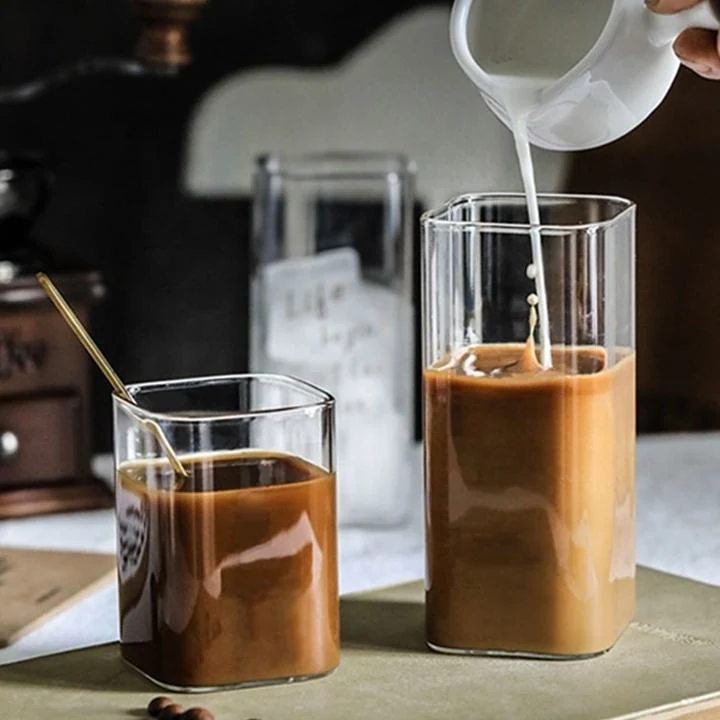
Held in late summer, it includes exhibitions in galleries and public spaces. Glassware makers often present thematic shows about materials and craft. The festival also hosts keynote talks about design trends and business strategies.
Highlights include curated exhibitions that explore innovation in glass and material use. Attendees get to see how glass interacts with light, space, and form. The event also features awards that recognize design excellence.
Participating in Helsinki Design Week helps brands build reputation. Exposure at this high‑profile event can lead to press coverage and partnerships. The festival’s wide reach also boosts dialogue about design and sustainability.
| Event | Date | Location | Highlights |
|---|---|---|---|
| Habitare | Autumn | Helsinki | Exhibits, Workshops, Sustainable Design |
| Helsinki Design Week | Late Summer | Helsinki Region | Shows, Talks, Awards |
Part 4: Impact of Global Trade Policies
Global trade policies affect Finnish glassmakers, especially those exporting products. Tariffs, import duties, and trade agreements shape how competitive Finnish glass can be abroad. Agreements with the EU and other markets influence cost and access.

Trade sanctions or protectionist policies in other countries can slow exports. When tariffs rise, Finnish glassware can become more expensive overseas. Companies must factor this into pricing and market strategies.
At the same time, Finland’s membership in the EU provides access to a large market. EU trade deals with other countries open doors for glass exports. This makes diversification of markets easier for manufacturers.
Local supply chains also matter. Glassmakers rely on raw materials like silica, chemicals, and packaging supplies, which can come from abroad. Changes in trade rules or transport costs can ripple through the production process.
Risk management is key. Companies must balance sourcing locally and internationally to reduce vulnerabilities. Some firms build inventory or find alternative suppliers to handle disruptions.
Global competition from low‑cost producers is another factor. Glassware made in countries with cheaper labor may undercut Finnish products on price. Yet Finnish brands counter this with design value and durability.
International cooperation and marketing can create opportunities. Trade missions and global fairs help Finnish companies showcase strengths and connect with buyers. Emphasizing sustainability can also align with global demand trends.
Part 5: Conclusion
In conclusion, glassware manufacturing in Finland blends craft history with modern design. The industry benefits from strong design culture and global recognition for quality. Companies continue to evolve through innovation, export focus, and participation in international events.
Challenges include trade costs, competition, and production expenses. However, Finnish glassware’s reputation and design heritage help it stay relevant. With ongoing support and strategic partnerships, the industry can grow into new markets while preserving its unique identity.