Skip to content

Part 1: Market Size and Growth
Glassware has been part of German craft and industry for centuries. Germany has one of the oldest glassmaking traditions in Europe. Over time, the industry evolved from small studios into modern factories with advanced machines. Today, German glassware companies make products from everyday drinking glasses to high‑end crystal and lab glass.

In the last two decades, the German glassware market showed steady growth driven by exports and quality demand around the world. Countries in Europe, North America, and Asia import tableware, industrial glass, bottles, and specialty glass from Germany. Many brands focus on sustainability, fine design, and innovation which gives them a competitive edge. The market covers many segments, from consumer products to technical and scientific glass.
Government policies in Germany support high‑quality manufacturing and export‑oriented businesses. Investments in automation and green technologies help manufacturers lower costs and meet environmental goals. Industry clusters in regions such as Bavaria and North Rhine‑Westphalia bring suppliers and producers closer, reducing shipping costs and improving collaboration. This has strengthened Germany’s position as a key supplier of glassware in Europe and abroad.
Part 2: Leading Companies
Zwiesel Kristallglas
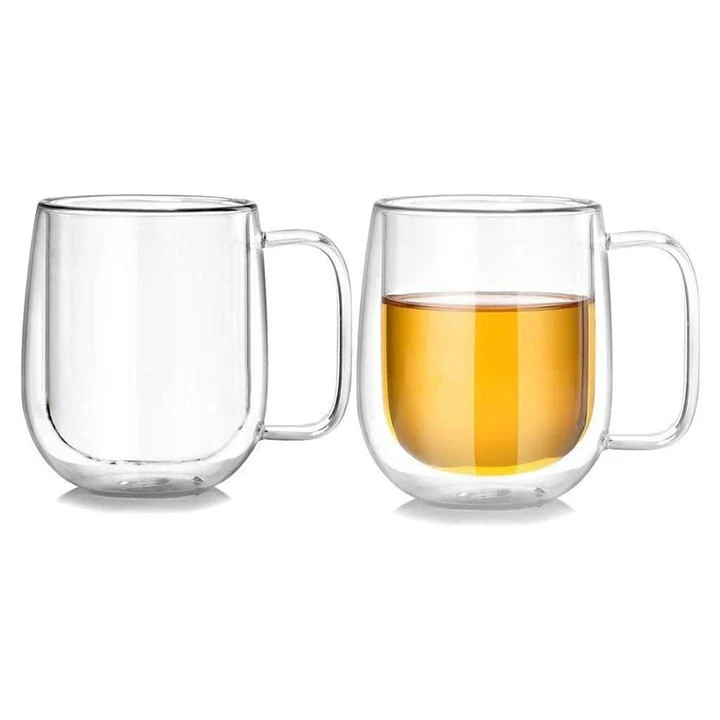
Zwiesel Kristallglas is one of the most recognized glassware brands in Germany, known for its crystal clarity and craftsmanship. Founded over a century ago, the company is rooted in the Bavarian glass tradition. It began as a small family operation and grew into a modern manufacturer that still respects traditional techniques. The brand name is associated with high precision and elegant design.
Zwiesel makes a wide range of products, from wine glasses and decanters to specialized pieces for hotels and restaurants. Their glasses often appear in luxury settings and formal dining venues. The company serves both consumer markets and professional clients, including hospitality brands. They have built a reputation for durability and style in every product line.
Industries served include fine dining, hospitality, giftware, and consumer retail. Zwiesel’s products are sold in many countries, and they have strong distribution channels in Europe and North America. The company has embraced modern production methods while keeping skilled glassworkers involved in key stages. They also invest in employee training and quality control systems.
In innovation, Zwiesel focuses on material science and design collaboration with artists. They explore crystal formulas that stay clear longer and resist breakage. Their pieces also often integrate ergonomic design for better use. Awards and honors include design accolades from European industry groups and recognition for export excellence.
Nachtmann

Nachtmann is another historic German glassmaker that stands for fine crystal and everyday elegance. The company started in the 19th century in Bavaria, grounded in local glass craft. Over time, it developed a strong identity for combining quality with more approachable design. Nachtmann became a respected name in both Germany and global markets.
Nachtmann’s products range from casual drinkware to decorative items and collectibles. They are known for patterns that catch light beautifully and add charm to tabletops. The company serves retailers, homeware brands, and online sellers. Their designs often appeal to customers who want beautiful glass without ultra‑luxury pricing.
Industries served include home goods, retail chains, and gift markets. Nachtmann has also expanded into contemporary glass art. Collaborations with designers help the brand stay relevant to new consumer tastes. They enhance production processes with automation while keeping artisan oversight for finishing touches.
Innovations at Nachtmann include pattern development and surface polishing methods that enhance sparkle. The company has earned awards from European design councils. Certifications often include quality standards recognized in international trade. Nachtmann’s export footprint covers Europe, Asia, and the Americas.
Schott AG

Schott AG is a major German glass firm with global influence in technical and specialty glass. Founded in the late 19th century, Schott began in Jena with a focus on scientific glass. The company expanded into many glass sectors, including optics, pharmaceuticals, and industrial solutions. Today, Schott is both a technical innovator and a supplier of specialized glassware.
Schott’s product lines include laboratory glass, optical components, glass for electronics, and fine tableware for select markets. Their scientific glassware is used in research labs worldwide. The company works with automotive, healthcare, and tech industries, making products that require high precision and purity.
Schott serves automotive manufacturers, research institutions, and consumer markets. They invest heavily in research and development to stay ahead in material science. The company holds many patents related to glass formulas and production methods.
Innovation at Schott focuses on glass that can withstand extreme conditions, optical clarity, and sustainability. They have earned international quality certifications and recognition for environmental management. This includes awards for energy efficiency in manufacturing. Schott’s global presence includes plants and offices across Europe, Asia, and the Americas.
Rosenthal GmbH

Rosenthal GmbH is a well‑known German company in the world of porcelain and glass tableware. It was founded in the early 20th century and blends German design with fine materials. Rosenthal has a long history of working with designers and artists to create elegant collections. Glass items are part of their broader homeware portfolio.
The company makes drinkware, decorative glass bowls, and special collections. Products often reflect artistic trends and are sought after by collectors. Rosenthal serves upscale retail markets, galleries, and hotel clients. Their pieces appeal to those who value both function and art.
Industries served include luxury home goods, hospitality, and art markets. Rosenthal has worked with international designers to keep its collections fresh and relevant. The brand blends tradition with modern aesthetics. Certifications often highlight quality and design excellence in Europe.
Rosenthal invests in combining craftsmanship with modern production. They have won design awards and maintain strong retail partnerships. Their glassware can be found in high‑end stores across Europe and beyond.
Comparison table of companies
| Company | Founded | Core Products | Industries | Certifications / Honors |
|---|---|---|---|---|
| Zwiesel Kristallglas | Early 1900s | Crystal glassware, wine glasses | Hospitality, Retail, Giftware | Design awards, export recognition |
| Nachtmann | 1800s | Decorative crystal, drinkware | Home goods, Retail, Decor | Design awards, quality certifications |
| Schott AG | Late 1800s | Scientific & specialty glass | Research, Industrial, Consumer | Patents, environmental awards |
| Rosenthal GmbH | Early 1900s | Designer tableware and glass items | Luxury home, hospitality, galleries | Design excellence awards |
Part 3: Trade Shows and Industry Events
Glass and tabletop trade shows provide great opportunities to meet manufacturers, see new designs, and build business relationships. These events attract buyers and sellers from around the world. Germany hosts several notable events that focus on glassware and home goods.
Ambiente Frankfurt
Ambiente in Frankfurt is one of the biggest consumer goods trade fairs in the world. It includes large sections for glassware, tableware, and home accessories. Buyers from hundreds of countries attend to discover new products and brands. This event is essential for anyone in the glassware and home goods business.

Ambiente usually happens in early February each year and runs for several days. It brings together thousands of exhibitors from different sectors. The show features trend displays, live demos, and business matchmaking sessions. Many German glassware companies use Ambiente to launch new collections and meet global buyers.
The event highlights include curated trend areas where designers show future looks in glass and tableware. There are talks about sustainability and design innovation. The fair also includes special pavilions for premium and luxury brands. For new entrants, Ambiente provides insights into global market trends and customer preferences.
International Trade Fair Cologne (Spoga+Gafa)
Spoga+Gafa in Cologne is a major garden and leisure trade show that also features outdoor dining and glassware sectors. The event brings together suppliers of outdoor products, tableware, and seasonal home goods. German and international buyers attend to find products for lifestyle and garden retail channels.
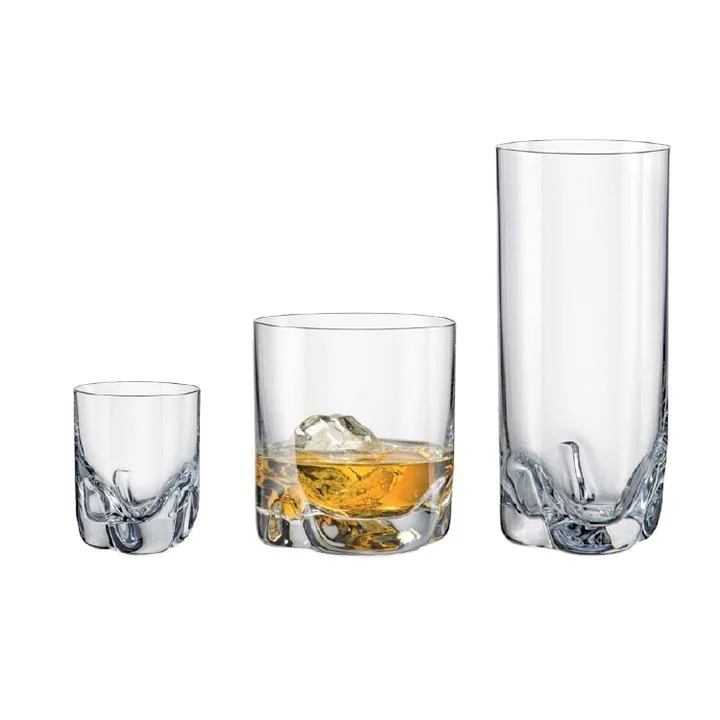
Spoga+Gafa is held annually in summer and includes seminars and trend sessions. Exhibitors display glassware suited for outdoor dining and leisure venues. This show is very useful for companies targeting garden stores and lifestyle shops. The relaxed environment encourages networking with buyers and designers.
Highlights of the event include demonstrations of outdoor table settings and lifestyle living spaces. There are also awards for innovative products. The fair draws buyers from Europe, the Middle East, and North America. It offers a chance to see how glassware fits into broader living and leisure trends.
Trade show summary table
| Event | Date | Location | Highlights |
|---|---|---|---|
| Ambiente Frankfurt | Early February (annual) | Frankfurt | Trend areas, global buyers, sustainability talks |
| Spoga+Gafa | Summer (annual) | Cologne | Outdoor lifestyle glassware, design awards |
Part 4: Impact of Global Trade Policies
Global trade policies shape the glassware industry in Germany in important ways. Tariffs and trade agreements affect export costs and market access. Germany’s membership in the EU creates common trade rules with neighbors but also exposes manufacturers to global competition.
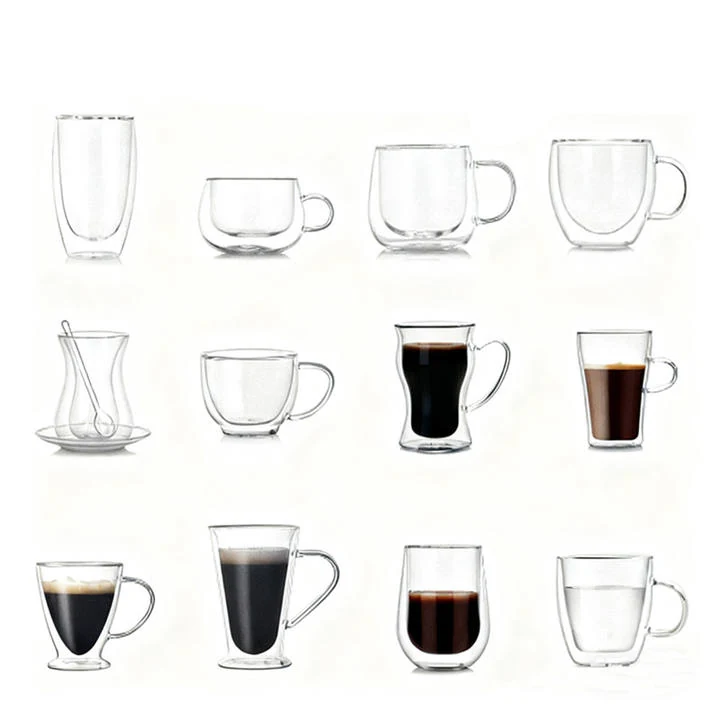
Sanctions or tariffs imposed by large markets like the US or China can raise prices for exported glassware. Companies must adapt pricing or find new markets when policies change. Free trade agreements can help reduce barriers and open up new opportunities for exports. European glassware makers often watch these agreements closely to plan production and sales strategies.
Supply chain risks are also part of global trade policy impact. Glassware production depends on raw materials like silica and chemicals that may come from abroad. Changes in import rules for these inputs can affect costs and delivery times. Manufacturers often work with multiple suppliers to reduce risk and maintain stable production.
International competition pushes German companies to innovate and maintain high quality. Markets like China offer lower prices but may not match German design and quality. This competition drives German manufacturers to focus on premium segments and value added services. Policies that encourage research and export support help companies stay competitive internationally.
Part 5: Conclusion
The glassware industry in Germany continues to be strong because of tradition, quality, and innovation. There are chances for growth in global markets, especially where buyers value design and durability. Trade shows and smart trade policy strategies help companies connect with buyers and expand exports.
At the same time, there are challenges such as global competition and changing trade rules. Manufacturers must stay flexible and invest in new technology to keep costs manageable. With strong craftsmanship and market focus, German glassware makers can remain leaders in both everyday and high‑end segments.