Skip to content

Part 1: Market Size and Growth
Glassware manufacturing in Ghana is a part of the broader industrial landscape that has slowly grown over the past decades. Ghana, known for its natural resources like bauxite and silica sand, has the raw materials needed to support a glass manufacturing sector. The glass market in Ghana includes both domestic producers and importers supplying household glassware, industrial containers, and decorative pieces. Over the years, the demand for glass products has been shaped by growth in sectors like beverages, construction, and home goods.
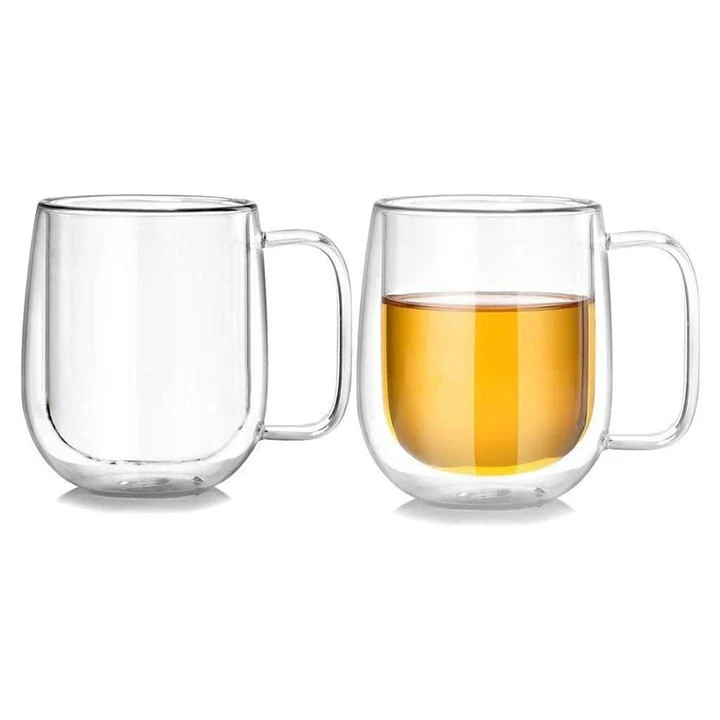
The scale of the market in Ghana is moderate when compared with larger West African economies, but it has seen important shifts. Local consumption of glassware has been rising as Ghana’s middle class grows and as modern retail stores and supermarkets expand. Ghana’s urban population increasingly prefers glass containers for beverages, food storage, and decorative use because of hygiene, aesthetics, and reuse potential. In addition, Ghana’s beverage industry—especially beer, soft drinks, and spirits—depends on reliable supply of glass bottles from both local makers and imports.
Government policies, foreign investment, and industrial cluster development have all shaped the glass industry in Ghana. Efforts to reduce imports and strengthen local manufacturing have supported investment in glass plants. Tax incentives for manufacturers and efforts to improve infrastructure in key industrial zones have helped some glass firms expand production capacity. Even so, the sector faces hurdles, such as high energy costs and competition from imported glassware, which Ghanaian firms must navigate to compete successfully.
Part 2: Leading Companies
Ghana Glass Works Ltd

Ghana Glass Works Ltd is one of the better-known names in Ghana’s glass manufacturing landscape. Founded several decades ago, this company began with a modest plant focused on producing basic glass bottles for local needs. The company has grown into a more diversified glass producer, making beverage bottles, food jars, and some types of household glassware. Its growth reflects steady domestic demand for glass containers as Ghana’s urban markets expand.
At its core, Ghana Glass Works Ltd serves the beverage and food processing industries. Its production lines include clear and colored glass bottles designed for beer, soft drinks, and cooking oils. Over the years, it has invested in modernizing its furnace technology, allowing it to reduce energy consumption and improve product quality. Besides industrial containers, the company has introduced some decorative glass pieces, though its mainstay remains functional containers.
The company’s major customers include local breweries, soft drink bottlers, and food processors. It also serves small businesses that need glass bottles for packaged products like sauces and juices. Ghana Glass Works Ltd prides itself on consistent product quality and timely deliveries, serving clients throughout Ghana and neighboring markets. The firm has worked to comply with standards for food-safe glass and quality control, which enhances customer trust.
In terms of innovation, Ghana Glass Works Ltd has explored partnerships with technical experts to enhance its melt quality and reduce defects. Adopting better furnace control systems has helped the company improve yield and lower material waste. Its certifications reflect compliance with national quality marks for food and beverage containers, though achieving international standards remains a goal. The company’s presence in local trade events helps it stay visible to new clients and partners.
Volta Glass Industries

Volta Glass Industries is another player in Ghana’s glass sector, focusing on industrial and household glass products. Located near industrial zones with access to raw materials like sand and fuel, the company has sought to build a niche in stronger, thicker glass products. Their range includes storage jars, glass tableware, and some decorative glass items that appeal to local retailers and consumers.
Since its establishment, Volta Glass Industries has aimed to balance tradition with modern production needs. The company uses a combination of automated machinery and skilled craftspeople. This blend helps the firm produce items that meet functional standards and have visual appeal. Many of its products are sold through wholesalers who supply hotels, restaurants, and retail stores across Ghana.
The industries served by Volta Glass Industries include hospitality, retail, and home goods. It also provides private-label production for clients who want custom shapes or designs. This flexibility attracts boutique brands and event planners needing customized pieces for special occasions. The company has also started limited exports into neighboring countries where demand for locally made glassware is rising.
Volta Glass Industries has emphasized energy-efficient practices in recent years. By upgrading to more efficient kilns and optimizing batch formulations, the company has been able to cut fuel costs and reduce downtime. Its quality control systems focus on strength and finish, important for glassware that will see frequent use. While its certification portfolio is primarily local, the firm is exploring ways to achieve broader recognition in regional markets.
Accra Crystal Glassworks

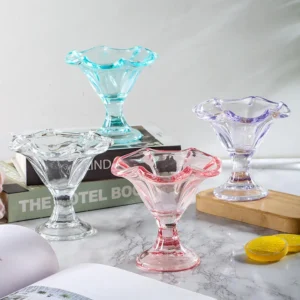
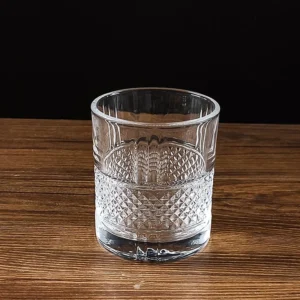
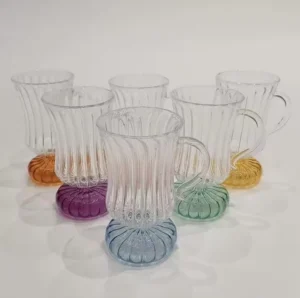
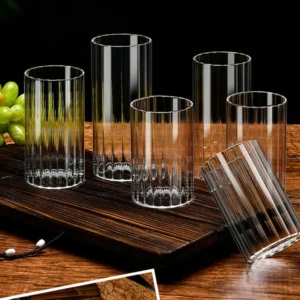
Accra Crystal Glassworks is a smaller but dynamic manufacturer with a focus on design-led glassware. Established by a group of artisans and engineers, this company blends traditional glassblowing techniques with modern quality standards. Its portfolio emphasizes drinkware, decorative bowls, and gift items that appeal to Ghana’s growing design-conscious consumers. Accra Crystal Glassworks has become known for pieces that combine function with aesthetic value.
Their products are found in boutique stores, craft markets, and upscale restaurants that value unique glass items. The company also works with interior designers and event coordinators to create bespoke glass pieces for weddings, corporate functions, and special events. This custom approach sets Accra Crystal Glassworks apart from firms focused on bulk production. Their approach has helped build a loyal customer base that appreciates glassware as both utility and art.
Accra Crystal Glassworks’s production process involves a close focus on finish and clarity. The company sources high-quality raw materials and applies careful annealing techniques to ensure strength and brilliance. It also trains local artisans in design and quality standards, which helps maintain consistency. Customers often remark on the clarity and finish of Accra Crystal’s products, noting they rival imported goods.
Innovation at Accra Crystal Glassworks centers on design collaborations with artists and architects. By merging local cultural motifs with modern glass shapes, the firm creates products that feel unique and meaningful. Although smaller in scale, it has participated in design fairs and craft expos to heighten its profile. Its certifications focus on craftsmanship and safety for food contact, and it continues to work toward meeting broader industrial standards.
| Company | Founded | Core Products | Industries | Certifications |
|---|---|---|---|---|
| Ghana Glass Works Ltd | 1980s | Bottles, jars | Beverage, food processing | National quality compliance |
| Volta Glass Industries | 1990s | Tableware, storage, custom | Retail, hospitality | Local product standards |
| Accra Crystal Glassworks | 2000s | Drinkware, decorative pieces | Boutique, design markets | Craftsmanship and safety compliance |
Part 3: Trade Shows and Industry Events
Ghana Industrial Fair
The Ghana Industrial Fair is one of the key events where manufacturers across sectors showcase products, exchange ideas, and explore partnerships. This fair attracts thousands of visitors including business owners, government officials, and students interested in manufacturing trends. Glassware manufacturers often use this platform to display their latest products and to meet potential buyers from Ghana and beyond.

At the Ghana Industrial Fair, glassmakers present both functional and artistic pieces. Many firms use interactive booths to demonstrate glass forming, engraving, or finishing techniques. The fair also includes seminars and panel discussions on topics like industrial growth, export opportunities, and quality standards. For Ghana’s glass sector, this event offers visibility, networking, and potential business deals with distributors and retailers.
Accra Home & Lifestyle Expo
The Accra Home & Lifestyle Expo highlights products related to home goods, décor, and daily living. Glassware manufacturers participate because the event draws buyers looking for tableware, drinkware, and decorative items. This expo is vibrant and trendy, attracting consumers as well as trade buyers seeking new designs and suppliers. Many glass firms use the space to launch new collections.

The expo usually takes place in a large venue with themed sections for kitchens, dining rooms, and living spaces. Panels and workshops help visitors learn about trends in home décor, sustainable materials, and interior styling. For Ghana’s glass producers, this event is a chance to connect with designers, retailers, and export buyers who value quality and aesthetics. The show often leads to immediate orders and future collaborations.
| Event | Date | Location | Highlights |
|---|---|---|---|
| Ghana Industrial Fair | Annual (varies) | Accra | Industry networking, seminars, product displays |
| Accra Home & Lifestyle Expo | Annual (varies) | Accra | Home goods showcase, design trends, buyer meetings |
Part 4: Impact of Global Trade Policies
Global trade policies influence how Ghana’s glassware manufacturers operate, especially when it comes to imports and exports. Tariffs on imported glassware can help local firms compete, but high tariffs on raw materials can raise production costs. For example, duties on imported soda ash or specialized machinery may increase expenses for Ghanaian manufacturers who lack local substitutes.

Trade agreements such as those under the African Continental Free Trade Area (AfCFTA) aim to reduce barriers among African nations. Such agreements can open larger markets for Ghana’s glass products if firms meet quality and volume standards. Access to regional markets in West Africa could boost demand for Ghanaian glassware, but manufacturers must navigate diverse regulatory environments. Local policies aimed at reducing trade deficits and promoting “Made in Ghana” products also affect how firms price their products and invest in capacity.
Supply chain risks are a reality for glass manufacturers in Ghana. Many firms depend on imported machinery, spare parts, and chemical inputs. Delays at ports, currency fluctuations, and logistics challenges can disrupt production timelines. To manage this, some companies stockpile key inputs, while others form partnerships with suppliers to ensure steadier delivery. There is also interest in developing more local sources of raw materials, especially high-quality silica sand, though this requires investment.
Global competition presents both challenges and opportunities. Imported glassware from large Asian and European producers often arrives at lower prices, pressuring local factories. At the same time, Ghanaian firms that focus on higher-end, customized, or design-led products can command premiums. This means that smaller manufacturers with strong design and quality focus may find niches that imported mass-produced goods cannot fill. Adapting to international standards and building brand recognition remain central to exporting success.
Part 5: Conclusion
The glassware manufacturing sector in Ghana holds real promise. Local demand is growing as Ghana’s population urbanizes and consumers value quality glass products. Domestic firms that focus on innovation, design, and quality can tap into expanding markets at home and in neighboring countries. Trade shows and networking events help companies build connections and secure orders.
The path forward is not without obstacles. Manufacturers must manage energy costs, import dependencies, and competition from cheaper imports. Achieving broader quality certifications and investing in modern technology will be vital for competitiveness. With supportive policies and strategic investments, Ghana’s glassware industry can carve a stronger role in both national and regional manufacturing landscapes.