Skip to content

Part 1: Market Size and Growth
Glassware production in India is a mix of ancient craft and modern industry. For centuries, Indian artisans made simple glass items with local materials and skills. Over time, this tradition grew into modern factories that produce drinking glasses, tableware, lab glassware, and industrial glass. The country’s large population and growing economy have pushed demand for glassware in homes, restaurants, and businesses.
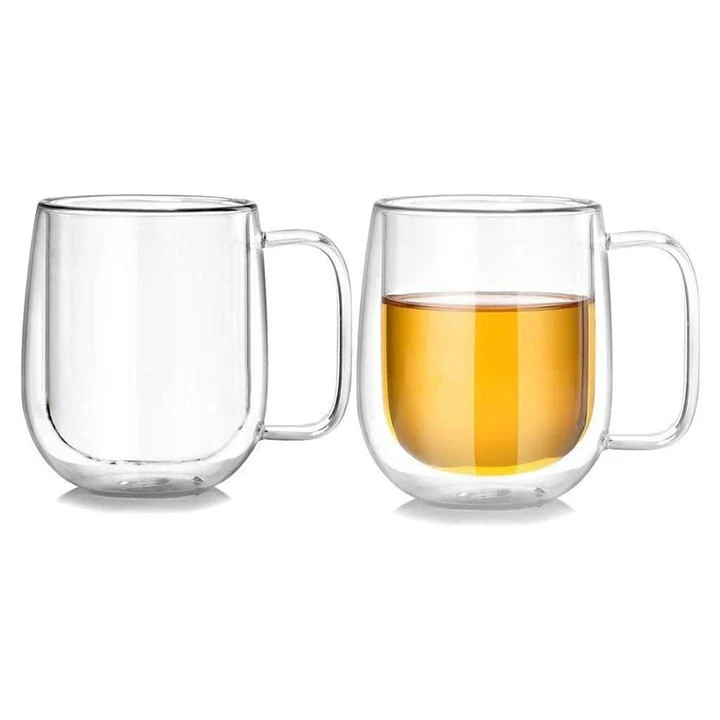
In recent decades, the Indian glassware market has expanded steadily with economic growth and rising consumer spending. Urbanization and rising incomes have increased demand for household goods and decorative glass items. Exports also play a role, with some manufacturers shipping products to the Middle East, Africa, and Western countries. Many Indian makers now produce glassware that meets international quality standards.
Government initiatives to strengthen manufacturing, such as “Make in India,” have provided support to glass producers through incentives and infrastructure improvement. Investments in automated production lines help companies cut costs and improve quality. Regional glass clusters around states like Gujarat, Maharashtra, and West Bengal have emerged as hubs for production, bringing suppliers, workers, and manufacturers closer together. These clusters help reduce shipping costs and build economies of scale.
Part 2: Leading Companies
Borosil Glass Works Ltd.
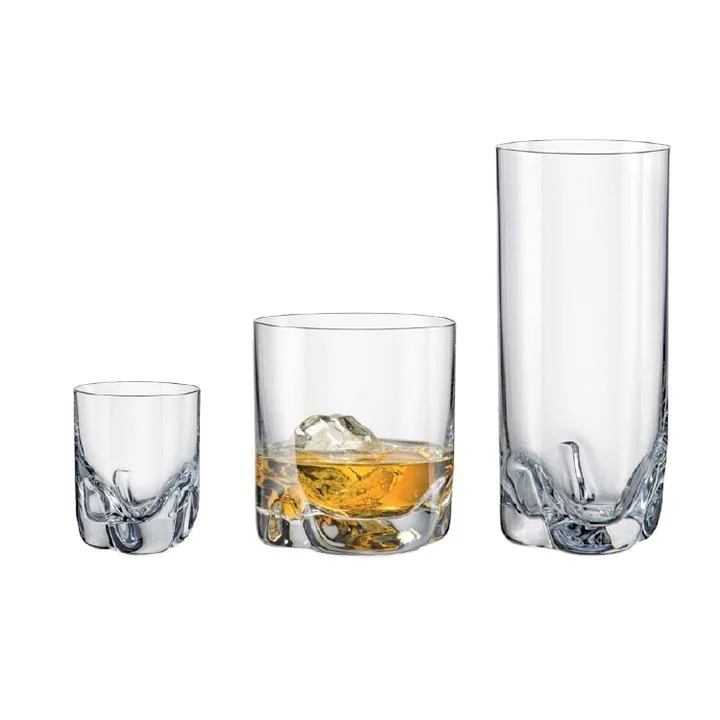
Borosil Glass Works Ltd. is one of India’s most recognized glass manufacturers with a long history of serving consumer and industrial markets. Founded in the mid‑20th century, the company began with laboratory glassware and gradually expanded into kitchen and tableware. Over time, Borosil became a leading name in heat‑resistant glass and tableware in India. The brand is known for durability and everyday usability.
Borosil’s product range includes laboratory glassware, cookware, beverageware, and specialized glass components. Products like glass beakers, flasks, and borosilicate kitchenware are widely used by households and labs. The company serves scientific institutions, food service providers, retailers, and online marketplaces. Through decades of production, Borosil built strong distribution networks across India and in several export markets.
Industries served include education and research, hospitality, households, and packaged goods. The company focuses on dependable quality and safety standards. With modern automated lines, Borosil ensures consistent product quality and compliance with global certifications. They innovate through material science and product design to meet evolving needs.
Innovation at Borosil focuses on borosilicate formulations that resist thermal shock and impact. The company has earned quality certifications recognized by labs and industry buyers. It also works on eco‑friendly packaging and efficient manufacturing to reduce waste. Borosil continues to invest in technology to improve its glass formulas and expand its product range.
HNG Float Glass Ltd.

HNG Float Glass Ltd. is a large glass producer in India known primarily for architectural and industrial glass, but its influence on the glass ecosystem supports tableware segments as well. Founded in the late 20th century, HNG emerged when the Indian construction and automotive industries began growing rapidly. The company capitalized on this trend by producing float glass used in windows, facades, and vehicle glass. While not a tableware specialist, HNG’s scale and technology support glass processing that crosses into multiple sectors.
HNG’s core products include float glass, processed glass solutions, and coated glass for energy efficiency. The company works with builders, designers, and industrial clients that need strong, clear glass. In doing so, HNG has invested in advanced furnaces and coatings that improve performance for both architectural and specialty uses. Though its primary focus differs, expertise in glass chemistry and processing help feed innovation in related glass segments.
Industries served include construction, automotive, interior design, and industrial manufacturing. HNG’s strong region network helps spread best practices in glass handling and quality control. The company focuses on sustainability through energy management technologies and recycling initiatives. These moves help reduce the environmental footprint of glass production.
Innovation at HNG comes from energy‑efficient coatings and float glass technologies. They hold certifications for quality and safety in construction products. Their production systems also support precision cutting and finishing that benefit glassware assemblers operating downstream. As demand for high performance glass grows in India, HNG’s research and development efforts remain central to its strategy.
Granville Industrial Glass Products Ltd.
Granville Industrial Glass Products Ltd. is a long‑standing glass manufacturer known for specialty glass items in laboratory and industrial settings. Established in the mid‑1900s, Granville focused on meeting Indian demand for scientific glass that was once imported. By building local capacity, the company helped universities, research labs, and industrial firms reduce dependency on overseas suppliers. Over time, Granville expanded into a broader range of glassware.
Granville produces lab glassware, tubes, funnels, graduated cylinders, and other precision components. Their products serve laboratories, hospitals, and industry applications. The company emphasizes strict quality control and adherence to international standards. Granville’s products are widely used by educational institutions and chemical processing enterprises.
Industries served include healthcare, education and research, and manufacturing. Granville works closely with quality assurance systems to ensure glass purity and resilience. The company adopts modern testing machines and glass blowing techniques that improve precision and repeatability. Its portfolio of glassware meets ISO and other recognized standards.
Innovation at Granville focuses on material durability and chemical resistance. They have earned certifications that reflect compliance with international quality benchmarks. The company also invests in training technicians and glassblowers to maintain high craft standards. Granville’s ability to produce difficult shapes and precise glass components remains a strength.
Piramal Glass Ltd.

Piramal Glass Ltd. is a major manufacturer of specialty glass packaging, particularly for pharmaceuticals, cosmetics, and spirits. Established several decades ago, Piramal built capacity in molded and blown glass for bottles and containers. While its focus is on packaging, the company’s expertise in fine glass shapes and finishes is relevant to the broader glassware ecosystem in India. Many tableware designers draw on similar technologies for glass shaping and decorating.
Piramal’s products include glass bottles for medicines, perfumes, liquor, and premium food items. The company works with multinational brands and local producers that need high quality glass packaging. Their precision molding and surface treatments enable elegant forms and consistent performance. Through quality control and innovation, Piramal won business across regulated industries.
Industries served include pharmaceuticals, personal care, foods, and beverages. Piramal focuses on compliance with strict safety and regulatory standards for packaging applications. The company’s research focuses on barrier coatings and sustainable packaging solutions. It also implements recycling and energy reduction measures in its plants.
Innovation at Piramal includes advanced molding and decorating technology. The company has earned quality and environmental certifications in multiple markets. Its capacity to produce intricate glass shapes and reliable packaging supports India’s growing consumer goods sectors. Piramal also partners with design houses to create bespoke glass containers.
Comparison table of companies
| Company | Founded | Core Products | Industries | Certifications / Honors |
|---|---|---|---|---|
| Borosil Glass Works Ltd. | Mid‑20th c. | Tableware, lab glassware | Households, labs, hospitality | Quality certs, export approvals |
| HNG Float Glass Ltd. | Late 20th c. | Float & architectural glass | Construction, automotive, design | Performance & safety certifications |
| Granville Industrial Glass | Mid‑20th c. | Precision lab glassware | Healthcare, research, industry | ISO & quality benchmarks |
| Piramal Glass Ltd. | Multi‑decades | Specialty packaging & shaped glass | Pharma, beauty, beverages | Enviro & quality compliance |
Part 3: Trade Shows and Industry Events
Trade shows help glassware makers meet buyers, see trends, and expand markets. India hosts a range of events that connect manufacturers with retailers, designers, and global partners. These fairs include tableware, home decor, and glass technology sectors.
India International Trade Fair (IITF)
India International Trade Fair, held annually in New Delhi, is one of the country’s largest business exhibitions. Glassware manufacturers use this event to showcase tableware, decorative glass, and industrial products. The fair brings buyers from across India and overseas. It is a key platform for small and large glass producers to build business connections.
IITF usually runs for several days and draws exhibitors from many sectors. Glassware makers set up displays that highlight new designs, eco‑friendly production, and traditional craft pieces. Buyers include retailers, interior designers, and export agents. The event also includes seminars on manufacturing trends and product innovation.
Highlights include curated sections for home goods and design leadership talks. There are networking spaces where buyers and sellers can meet directly. The trade fair helps smaller artisan glass studios gain visibility alongside major manufacturers. Through curated zones, visitors see how glassware fits into broader lifestyle and home decor markets.
The Glass Expo India
The Glass Expo India is an industry‑specific trade show focusing on glass technology, machinery, and finished glass products. It brings together manufacturers, suppliers, and buyers in the glass sector. Exhibitors display float glass, tempered glass, glassware products, and production equipment. The event is important for companies investing in new production capabilities or looking to upgrade technology.
The expo features product demonstrations, panel discussions, and technology showcases. Sessions cover trends in energy‑efficient glass, automation, and sustainability. Buyers and engineers attend to learn about cutting‑edge technologies that can improve quality or reduce cost. This makes the event valuable for manufacturers seeking long‑term growth.
Highlights include expert talks on manufacturing automation and material science. There are workshops on quality control and safety standards. The expo also helps glassware makers connect with global suppliers of raw materials and equipment. For Indian companies aiming to scale production, this event offers deep industry insights.
Trade show summary table
| Event | Date | Location | Highlights |
|---|---|---|---|
| India International Trade Fair (IITF) | Annual (late autumn) | New Delhi | Trend displays, networking, buyer meetups |
| Glass Expo India | Periodic | Major metro venues | Glass tech showcase, demos, workshops |
Part 4: Impact of Global Trade Policies
Global trade policies shape how Indian glassware manufacturers compete and export products. Tariffs, trade agreements, and import rules directly affect cost structures and access to markets. India’s participation in trade pacts with regional partners helps reduce tariffs and make exports more competitive.

Tariffs imposed by target markets can raise costs for Indian glassware entering those countries. Manufacturers monitor changes in trade regulations to adjust pricing strategies. Free trade agreements with countries in Asia and Africa help open new markets for Indian glass products. Stability in policy encourages investment in production capacity and export planning.
Supply chain rules also influence the cost of raw materials like soda ash, silica, and chemicals. Changes in import duties for these key inputs can raise production costs. Some Indian glass makers work with multiple suppliers to reduce dependency on specific markets. This helps keep production stable and reduce risk from sudden policy shifts.
Competition from countries with lower production costs also affects India’s glass sector. To remain competitive, Indian firms focus on quality, design, and niche products. Policies that support research and infrastructure investment help companies innovate and improve efficiency. Trade support programs and export incentives are important for small and medium manufacturers seeking overseas buyers.
Part 5: Conclusion
The glassware industry in India blends tradition, modern manufacturing, and emerging global demand. There are strong opportunities for growth as incomes rise and exports expand. Trade events and supportive policies help manufacturers connect with buyers and build sustainable businesses.
At the same time, challenges such as global competition and changing trade rules require focus and flexibility. Indian companies must invest in technology, quality control, and design to remain competitive. With smart strategies and continued innovation, India’s glassware manufacturers can thrive in both domestic and international markets.