Skip to content

Part 1: Market Size and Growth
Iran has a history of glass production that stretches back centuries, rooted in both utility and decoration. Glassware manufacturing in Iran today blends this heritage with modern industrial processes, serving local needs and growing export markets. Many workshops and factories still draw inspiration from traditional Persian art while adopting new technologies that increase output and quality.
In recent years, demand for glassware in Iran has risen steadily, driven by both domestic consumption and regional export opportunities. Consumers across the Middle East and parts of Asia look for durable, well‑designed products that match evolving tastes in kitchenware, tableware, and decorative items. This growing demand has encouraged manufacturers to diversify their offerings and improve production techniques.
Government policies and investment in industrial infrastructure have influenced the growth of the glass sector. Initiatives focused on industrial modernization, export support, and energy efficiency encourage factories to upgrade equipment and adopt newer manufacturing practices. Clusters of glass production have emerged near major cities, providing shared access to skilled labor, logistics networks, and supplier ecosystems that help accelerate industry growth.
The Iranian glass industry now includes a mix of large factories and smaller studios. Large producers meet broad commercial needs, while smaller artisans focus on niche decorative work that appeals to high‑end markets both inside and outside Iran. This balance between scale and craftsmanship gives the sector flexibility in how it responds to market shifts.
One key growth factor is the rising interest in Iranian art and craft among international buyers. Persian design elements, when integrated into glassware, create pieces that resonate with collectors and interior designers abroad. These trends support both exports and the development of boutique brands that seek to stand out in competitive markets.
Despite economic challenges and sanctions that affect trade logistics and financing, Iranian glass manufacturers continue to find pathways to serve regional customers. By emphasizing adaptability and local resource development, many companies reduce reliance on imported inputs and focus on building resilient supply chains. This strategic focus also helps them navigate external pressures that might otherwise slow industrial growth.
Overall, the glassware market in Iran reflects a gradual evolution from traditional craft to a diversified industrial base. Growth in both household demand and export potential suggests a durable market trajectory, even amid economic headwinds. As producers innovate in design and scale operations, the sector looks poised for continued contribution to both the domestic economy and regional trade.
Part 2: Leading Companies
Pars Crystal Glass Industries

Pars Crystal Glass Industries is one of Iran’s most prominent glassware producers, known for its commitment to quality and design. Founded in the late 20th century near Tehran, the company grew quickly as demand for modern tableware and decorative glass soared. It built a reputation for combining precision manufacturing with unique design elements inspired by Persian artistic traditions. Pars Crystal serves both domestic distributors and international buyers, positioning itself as a competitive player in regional markets.
The company’s product range includes drinking glasses, bowls, decanters, and decorative pieces designed for homes, hotels, and corporate gifts. Its portfolio balances everyday usability with aesthetic appeal, making pieces suitable for casual dining and formal settings. The company also offers custom design services for clients who want exclusive patterns or branded products.
Pars Crystal’s main markets include hospitality, retail, and corporate gifting segments. Hotels and restaurants often choose its products for durability and consistent quality, while boutique retailers feature its more artistic lines. Internationally, the company exports to neighboring countries in the Middle East and to select partners in Central Asia.
A core strength of Pars Crystal lies in its investment in modern production technology. The factory uses automated forming and finishing equipment that enhances consistency and reduces defects. This technological base allows the company to scale production without compromising on quality standards that buyers expect. It also invests in quality control systems that ensure products meet both local and international safety standards for glassware.
Pars Crystal has earned certifications that reflect its adherence to quality and safety norms. These include approvals for food contact safety and manufacturing consistency, which help the company compete in export markets. Recognition from industry associations for design excellence further validates its commitment to innovation and craftsmanship.
Tehran Glass Works

Tehran Glass Works is another major name in Iran’s glass manufacturing landscape. Established in the mid‑20th century, this company has evolved from a basic container producer into a diversified glassware specialist. Its growth reflects broader industrial shifts in Iran, where local production expanded to meet both consumer and commercial needs. The company continues to serve a range of markets, emphasizing reliability and product variety.
The firm’s product offerings include household glassware such as pitchers, drinking glasses, and serving sets, as well as industrial glass containers. By maintaining a broad product mix, Tehran Glass Works meets everyday household needs and supports packaging requirements for food and beverage companies. The blend of categories diversifies revenue streams and enhances resilience amid shifting market conditions.
Tehran Glass Works focuses on sectors such as retail home goods, institutional suppliers, and packaging clients. Supermarkets and department stores stock its household lines, while industrial partners use its container glass for bottling and packaging. This dual focus allows the company to balance volumes and leverage scale across different customer segments.
Innovation at Tehran Glass Works centers on process efficiency and sustainable production. The company invests in energy‑saving furnaces and waste reduction systems to improve environmental performance. These efforts align with global trends, where sustainability increasingly influences buyer decisions and regulatory expectations. Such initiatives also help the company manage cost pressures related to energy use in glassmaking.
Tehran Glass Works holds certifications that speak to its process quality and safety compliance. These credentials enable it to compete more effectively in markets that require documented adherence to health and manufacturing standards. The company’s sustained investment in operational excellence reinforces its position as a significant producer in Iran’s glass sector.
Isfahan Handcrafted Glass
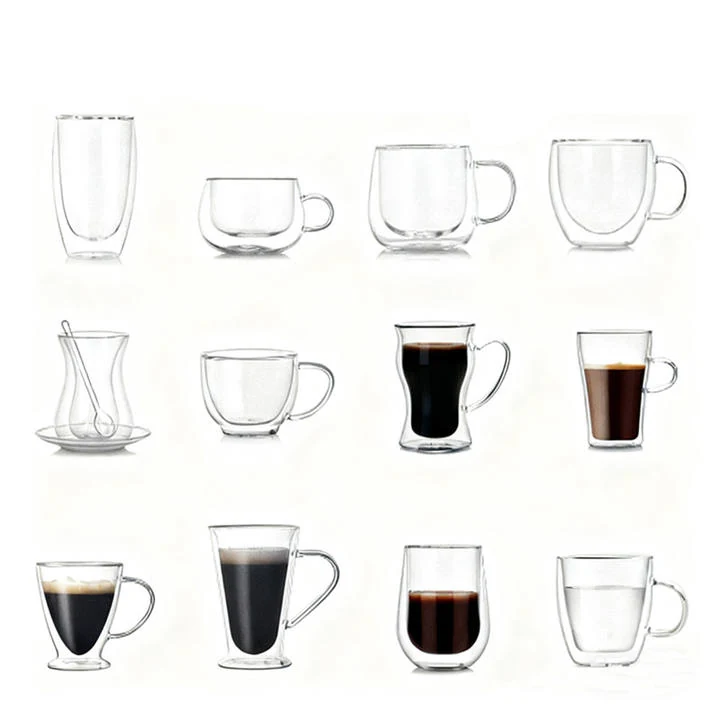
Isfahan Handcrafted Glass represents a different segment of the Iranian glass industry, focusing on artisanal and decorative products. Based in the historic city of Isfahan, renowned for its culture and arts, the company draws inspiration from local craftsmanship traditions. It started as a small studio and expanded into a brand recognized for artistic glassware that blends classic Persian motifs with contemporary forms. The company appeals to customers who value design and artistic expression.
The product range includes decorative bowls, vases, art pieces, and bespoke items commissioned for special projects. Each piece reflects detailed workmanship that prioritizes aesthetic impact and cultural resonance. The company also collaborates with artists and designers on limited edition runs that highlight creative innovation.
Isfahan Handcrafted Glass primarily serves interior designers, galleries, and collectors who seek unique pieces with cultural significance. Boutique shops and high‑end home decor outlets often feature its work, positioning it as a premium option in decorative glassware. The company also fulfills custom orders for clients who want personalized glass art for residential or commercial spaces.
Artistic innovation is central to this company’s identity. It maintains workshops where skilled artisans work with designers to push creative boundaries in color, form, and texture. This emphasis on artistic collaboration results in products that feel both handcrafted and visually striking. Awards from regional craft exhibitions and design competitions reinforce the brand’s commitment to artistic excellence.
In terms of compliance, the company adheres to basic safety standards for decorative glassware and participates in local craft networks that support quality and ethical production. These affiliations help maintain credibility among buyers who value both artistic merit and responsible manufacture. The result is a respected name in creative glass sectors that complements larger industrial producers.
Company Comparison Table
| Company | Founded | Core Products | Industries | Certifications |
|---|---|---|---|---|
| Pars Crystal Glass Industries | Late 20th century | Tableware, drinking glasses, custom pieces | Hospitality, retail, corporate gifting | Food contact safety, design recognition |
| Tehran Glass Works | Mid‑20th century | Household glassware, industrial containers | Retail home goods, packaging | Process quality, safety compliance |
| Isfahan Handcrafted Glass | Early 21st century | Decorative and artistic glassware | Interior design, galleries, collectors | Craft awards, quality associations |
Part 3: Trade Shows and Industry Events
Tehran Glass & Ceramics Expo
The Tehran Glass & Ceramics Expo is an annual event that brings together manufacturers, designers, and buyers from across Iran and neighboring regions. This expo showcases a wide range of glassware, from industrial containers to artistic pieces. It offers live demonstrations, design presentations, and networking opportunities that help exhibitors connect with domestic and international buyers.
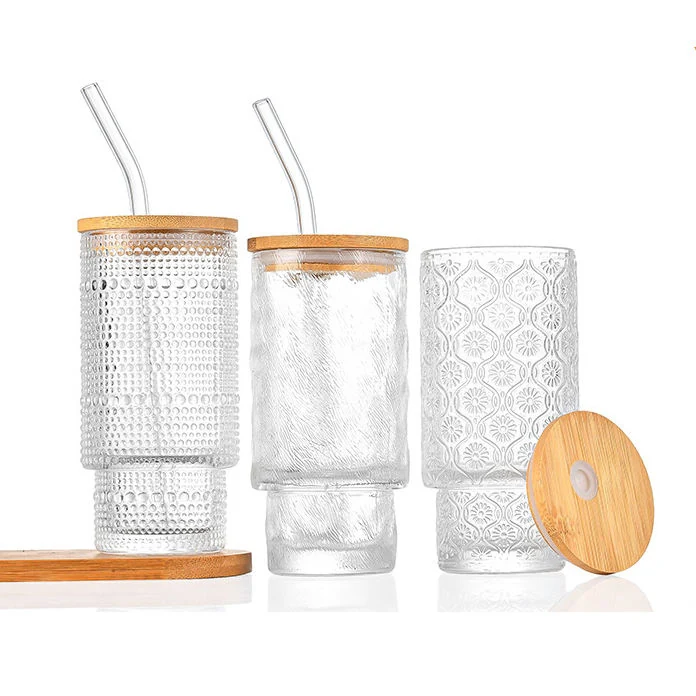
Held each spring in Tehran, the event attracts thousands of visitors, including wholesalers, retailers, and procurement professionals. Exhibitors use the platform to launch new collections, secure orders, and engage with market trends that influence production planning. Buyers benefit from seeing a broad cross‑section of offerings in one place.
Highlights of the expo include panel talks on sustainable materials, workshops on export readiness, and live glassblowing demonstrations. These features create an educational atmosphere that complements commercial engagement, making it valuable for both seasoned professionals and newcomers. The expo also includes award segments that recognize standout products and innovations.
Shiraz Design & Craft Fair
The Shiraz Design & Craft Fair is a cultural event that highlights handcrafted goods, including glassware that emphasizes artistic expression and traditional techniques. Set in the historic city of Shiraz, the fair attracts designers, artists, and craft buyers who seek unique pieces with cultural depth. Attendees include gallery owners and design studios looking for items that blend heritage with contemporary design.
Typically scheduled in early autumn, this fair draws a dedicated audience of creatives and collectors. Exhibitors include independent artisans and small studios that specialize in custom and limited edition pieces. The fair highlights live crafting sessions, curated exhibits on regional art themes, and discussions on design innovation in traditional crafts.
Highlights of the event include interactive workshops, artist talks, and showcases of cross‑discipline collaborations. These activities create a vibrant environment that encourages dialogue between makers and buyers, often leading to new partnerships and creative ventures. The fair also helps raise awareness of Iranian craft traditions in broader markets.
Trade Show Summary Table
| Event | Date | Location | Highlights |
|---|---|---|---|
| Tehran Glass & Ceramics Expo | Spring annually | Tehran | Live demos, design talks, networking, product showcases |
| Shiraz Design & Craft Fair | Early autumn annually | Shiraz | Artisan focus, craft exhibits, workshops |
Part 4: Impact of Global Trade Policies
Global trade policies play a significant role in how Iranian glassware manufacturers compete internationally. Trade agreements and tariffs influence export costs, access to markets, and pricing strategies for producers. When barriers are lowered, companies find it easier to expand into new regions, but when restrictions tighten, they must adapt to maintain competitiveness.
Sanctions and regulatory challenges have historically affected how Iranian companies engage with global partners. Manufacturers often navigate complex compliance landscapes that influence financing, logistics, and market entry. These conditions require companies to be strategic in identifying markets that are accessible and sustainable for long‑term growth.
Policies related to sustainability and environmental standards also shape production practices. Glass manufacturing is energy‑intensive, so producers face pressure to adopt cleaner technologies that reduce emissions and improve efficiency. Compliance with environmental norms can increase operational costs initially but may unlock access to markets that prioritize sustainable sourcing. For many companies, investment in energy‑efficient furnaces and waste reduction systems represents both a regulatory response and a competitive strategy.
Supply chain dynamics have become a central concern as global disruptions affect material availability and transportation costs. Companies that diversify suppliers and build efficient logistics networks tend to manage disruptions more effectively than those dependent on a single source. This focus on supply resilience helps protect production schedules and maintain customer commitments.
International competition also influences how Iranian glass makers position themselves. Producers compete with counterparts in countries like Turkey, China, and European nations where glass traditions are strong and technology investment is high. To remain competitive, Iranian manufacturers emphasize quality, customization, and cultural design elements that differentiate their offerings. Some focus on niche markets or artisanal segments where unique design attributes are valued.
The impact of trade policies underscores the importance of strategic planning and innovation. Manufacturers that stay informed about shifting regulations and invest in adaptable production systems are better positioned to seize export opportunities. Those that align with international standards while showcasing distinctive qualities can carve out sustainable growth paths in global markets.
Part 5: Conclusion
The glassware industry in Iran reflects a blend of tradition and evolving industrial capacity. Established producers and emerging artisanal brands alike contribute to a dynamic landscape that meets domestic demand and reaches regional markets. The integration of heritage design elements with modern manufacturing practices creates products that appeal to a range of buyers.
Market opportunities lie in expanding export channels, engaging with regional trade partners, and leveraging design‑focused events to build brand visibility. Iran’s cultural legacy, when expressed through glassware design, offers a compelling narrative that resonates with buyers seeking distinctive products. Investment in sustainability and supply chain resilience further strengthens prospects for long‑term growth.
Challenges remain in navigating global competition, regulatory constraints, and economic conditions that influence production costs and market access. Manufacturers must balance price competitiveness with quality and innovation to maintain relevance across diverse markets. With strategic focus and adaptability, Iranian glassware makers can continue to grow and shape their presence in the international glass industry.