Skip to content
Part 1: Market Size and Growth
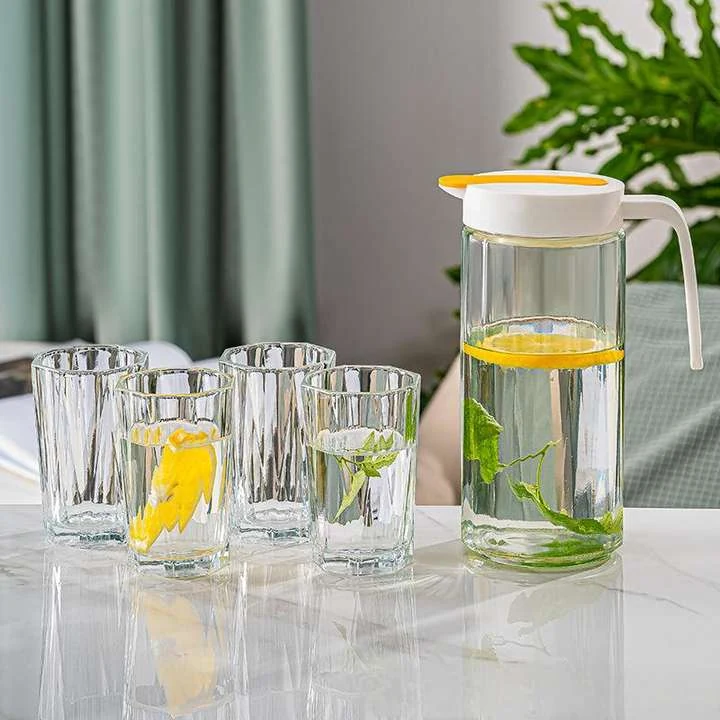
The glass industry in Israel is both historic and dynamic, offering a blend of artisanal craftsmanship and modern technological advances. Glass has been a key material in the region for thousands of years, from ancient artifacts to modern-day architectural and industrial applications. Over the years, Israeli glassware manufacturers have honed their techniques, blending old-world craftsmanship with cutting-edge technologies like smart glass and advanced molding processes. The industry's growth has been supported by a combination of local demand, international exports, and strong innovation.
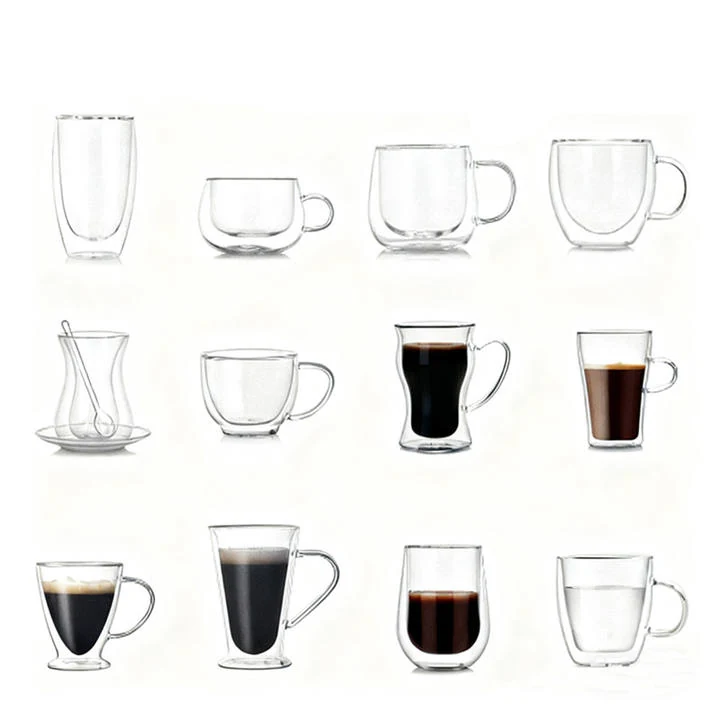
Israel's glass market is expanding, especially in sectors like architectural glass, consumer goods, and smart glass technology. Architectural glass, in particular, has become a high-demand segment, used in commercial buildings, residential homes, and special projects like high-tech buildings and green structures. At the same time, glassware for homes, restaurants, and hospitality remains a steady part of the market, with many manufacturers offering custom solutions. This versatility is what gives Israeli glass producers an edge in diverse markets across the world.
The market has grown in part because of Israel’s thriving export sector, with local companies expanding their reach beyond the Middle East. Several Israeli manufacturers now have established trade relationships with the EU, the US, and Asia. Government incentives and foreign trade agreements have also played a crucial role in promoting the growth of Israeli glass manufacturers, especially as demand for specialized glass products, including eco-friendly and high-performance materials, increases.
Part 2: Leading Companies
Phoenicia Glass Works
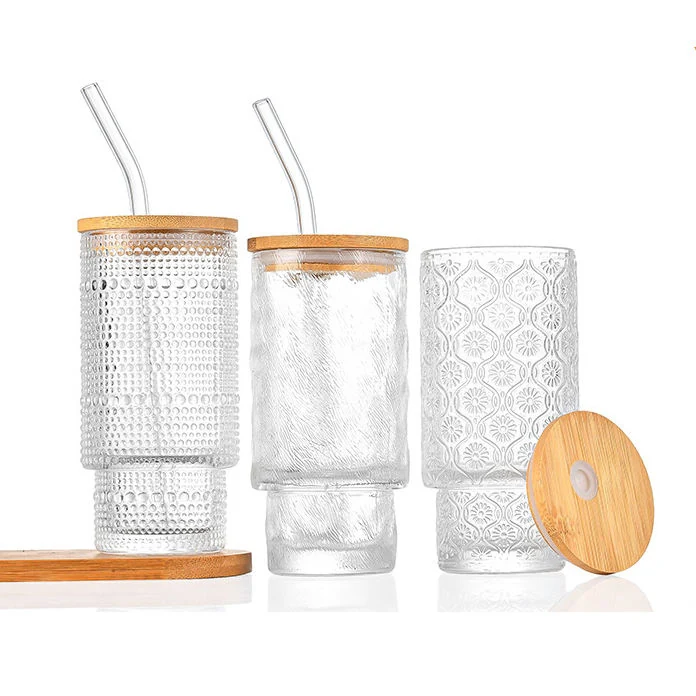
Phoenicia Glass Works, established in 1934 in Haifa, is one of Israel's oldest and most prominent glass manufacturers. It moved its operations to Yeruham, a town in southern Israel, where it continues to produce a wide range of glass products. Phoenicia is well-known for manufacturing glass containers for food and beverage industries. With a production capacity of over one million bottles per day, it serves major beverage companies and packaging distributors.
Phoenicia’s products include glass bottles, jars, and other containers, all designed with precision and functionality in mind. The company’s commitment to sustainability is evident in its use of recycled glass as a significant component of its production. Automation and advanced quality control systems ensure that each product meets high standards.
The company serves the food and beverage, industrial, and packaging industries. Phoenicia’s core strength lies in its ability to produce high volumes of custom-designed glass containers while maintaining consistent quality. The company holds multiple ISO certifications, including ISO 9001 and ISO 22002, reflecting its commitment to quality, food safety, and environmental standards.
Gauzy

Gauzy, founded in the 2000s in Tel Aviv, stands out as a leader in the field of smart glass. This company has revolutionized the way glass is used in architectural and automotive applications by introducing glass that can change its opacity and light transmission. Gauzy's smart glass technology has found applications in building facades, luxury cars, and interior design projects, where it helps control light, heat, and privacy.
Their products, such as SPD (Suspended Particle Device) film and liquid crystal glass, allow users to adjust the glass's transparency at the push of a button, offering enhanced energy efficiency and privacy control. Gauzy’s cutting-edge technology has made it a preferred partner for architects, designers, and construction companies.
Gauzy primarily serves the architectural, automotive, and high-end interior design markets. The company's ongoing focus on research and development ensures that it stays ahead in the rapidly evolving smart glass sector. The company has received industry accolades for its innovative technology and is continuously expanding its reach to international markets.
ALK Tempered Glass Ltd
ALK Tempered Glass Ltd. is an established leader in architectural glass manufacturing, providing high-quality tempered, laminated, and insulated glass products. Founded in the 1990s, ALK is headquartered in central Israel and is well-regarded for its precision-engineered products used in residential, commercial, and industrial construction projects. ALK specializes in producing custom glass solutions tailored to meet the aesthetic and structural demands of modern buildings.
Their advanced processing capabilities allow ALK to produce a range of glass products, including safety glass for windows, facades, and decorative applications. ALK’s products are known for their durability and visual appeal, making them a preferred choice for architects and contractors who need reliable, high-quality glass for large-scale building projects.
ALK Tempered Glass Ltd serves the construction, real estate, and interior design industries. The company’s commitment to innovation and quality is backed by ISO 9001:2015 certification, ensuring that its production processes meet rigorous international standards.
| Company | Founded | Core Products | Industries | Certifications |
|---|---|---|---|---|
| Phoenicia Glass Works | 1934 | Glass containers, bottles | Packaging, beverage | ISO 9001, ISO 14001, ISO 22002 |
| Gauzy | 2000s | Smart glass systems | Architecture, interiors | Industry accreditations |
| ALK Tempered Glass Ltd | ~1990s | Tempered, laminated glass | Construction | ISO 9001:2015 |
Part 3: Trade Shows and Industry Events
GlassTech Israel Expo
GlassTech Israel Expo is one of the most important trade events for the glass industry in the Middle East. Held annually in Tel Aviv, the event brings together glass manufacturers, designers, and suppliers from around the world to showcase their products and innovations. The expo is a major platform for companies to network, form partnerships, and explore emerging trends in the glass sector.
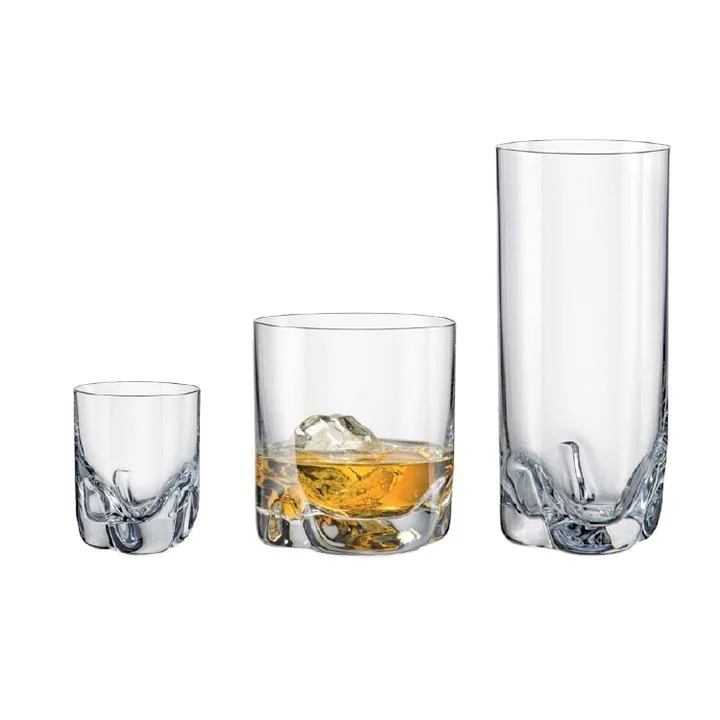
The GlassTech Israel Expo features a variety of glass products, from architectural glass to decorative and specialty items. Attendees can expect to see new developments in smart glass technology, energy-efficient glass products, and other cutting-edge innovations. It is an essential event for those in the construction, design, and manufacturing industries.
Tel Aviv Design Week – Material Focus
Tel Aviv Design Week is another key event that showcases the intersection of design and materials, including glass. The event highlights how glass can be used in unique and creative ways in furniture, art, and architecture. It serves as a platform for designers, manufacturers, and innovators to explore new trends and collaborate on fresh ideas.

During Tel Aviv Design Week, the Material Focus segment showcases glass in experimental designs, bringing together artisans and designers who push the boundaries of what glass can do. The event is a valuable opportunity for Israeli glass manufacturers to display their products to an international audience of designers and architects.
| Event | Date | Location | Highlights |
|---|---|---|---|
| GlassTech Israel Expo | Annual (varies) | Tel Aviv/Haifa | Exhibitions, seminars, networking |
| Tel Aviv Design Week – Material Focus | Annual | Tel Aviv | Design showcases, workshops |
Part 4: Impact of Global Trade Policies
Global trade policies significantly affect the Israeli glass industry. Free trade agreements with the EU, the US, and other regions have made it easier for Israeli manufacturers to export their products. However, tariffs on raw materials, such as silica sand and soda ash, can increase production costs, putting pressure on profit margins. The cost of raw materials is a major consideration for manufacturers, especially in a highly competitive international market.

At the same time, global regulations focused on sustainability are pushing Israeli companies to develop more eco-friendly production methods. Environmental standards, especially in Europe and North America, are influencing product design and manufacturing processes. Israeli firms are investing heavily in energy-efficient production methods, such as using recycled glass and reducing emissions.
Competition in the global market remains fierce, especially with large multinational corporations dominating the mass production of basic glass products. However, Israeli manufacturers can still thrive by focusing on specialized glass products, such as smart glass and decorative items, which cater to niche markets. Global competition presents both challenges and opportunities, and Israeli firms need to remain agile, innovative, and responsive to market changes to stay ahead.
Part 5: Conclusion
The glass industry in Israel is thriving, driven by a mix of technological innovation and an expanding global market. The future looks promising for companies that specialize in smart glass, eco-friendly products, and high-quality decorative glassware. With the right strategies in place, Israeli manufacturers can continue to grow their presence both locally and internationally, particularly in niche markets where high customization and quality are valued.
However, challenges remain, particularly with fluctuating raw material costs, environmental regulations, and global competition. The ability to adapt quickly to changing trade policies and industry trends will be key to maintaining a competitive edge. As the global demand for specialized glass products continues to rise, Israel’s glass manufacturers are well-positioned to capitalize on these opportunities.