Skip to content

Part 1: Market Size and Growth
Italy has a long tradition of glassmaking, known worldwide for its craftsmanship, style, and quality. The glassware industry in Italy blends heritage with innovation, leading the market in both decorative and functional glass products. Italy’s glass manufacturing sector has maintained a strong position globally, focusing on luxury, design, and artisanal products. The market continues to grow, driven by both domestic demand and international exports.

The market for Italian glassware has evolved over time, with an increasing demand for high-end and designer pieces. Italian glassmakers have been able to merge traditional techniques with modern design trends, creating a strong international presence. This growth is fueled by the country's reputation for producing elegant, high-quality products that appeal to luxury buyers and those seeking innovative, functional designs.
In addition, Italy's strategic location within the European Union gives manufacturers an edge in trade, as they can easily access various international markets. Investment in technology and sustainable production methods also plays a key role in keeping Italy competitive in the global glassware market. As the demand for artisanal and custom glass products grows, Italian manufacturers are well-positioned to continue their leadership in the industry.
Part 2: Leading Companies
Barovier & Toso

Barovier & Toso, established in 1295, is one of the oldest and most prestigious glassmaking companies in Italy. Based in Venice, the company has been synonymous with Murano glass, a renowned tradition that blends artistry with skilled craftsmanship. Barovier & Toso creates luxury glass pieces, including chandeliers, lighting fixtures, and decorative glassware.
The company specializes in creating elaborate and high-end glass designs that emphasize intricate detail and exquisite craftsmanship. Their products range from traditional Murano glass pieces to contemporary designs, often showcased in luxury hotels, exclusive stores, and high-end residential projects. Each piece is handmade, showcasing Barovier & Toso’s commitment to preserving traditional techniques while embracing innovation.
Barovier & Toso serves a diverse range of industries, including luxury retail, interior design, and architecture. Their work has earned them numerous awards for craftsmanship, and their glass products continue to be a benchmark of quality and style in the luxury market.
Venini

Founded in 1921, Venini is another iconic name in the world of Italian glassmaking. Headquartered in Murano, Venice, the company has played a key role in shaping modern glass design. Venini's products range from fine art pieces to high-end glassware used in both residential and commercial settings. Their pieces are known for their innovative design and bold use of color.
Venini is famous for its collaboration with renowned designers, creating unique pieces that blend creativity with functionality. The company offers a wide variety of glass products, including vases, sculptures, chandeliers, and tableware. Venini's designs push the boundaries of traditional glassmaking, offering pieces that are both striking and practical.
Venini serves industries such as luxury décor, high-end hospitality, and fine art. Their pieces are sought after by collectors and institutions for their distinctive style and lasting value. With its legacy of design and innovation, Venini continues to lead in the luxury glass sector, earning recognition in design circles worldwide.
Murano Glass
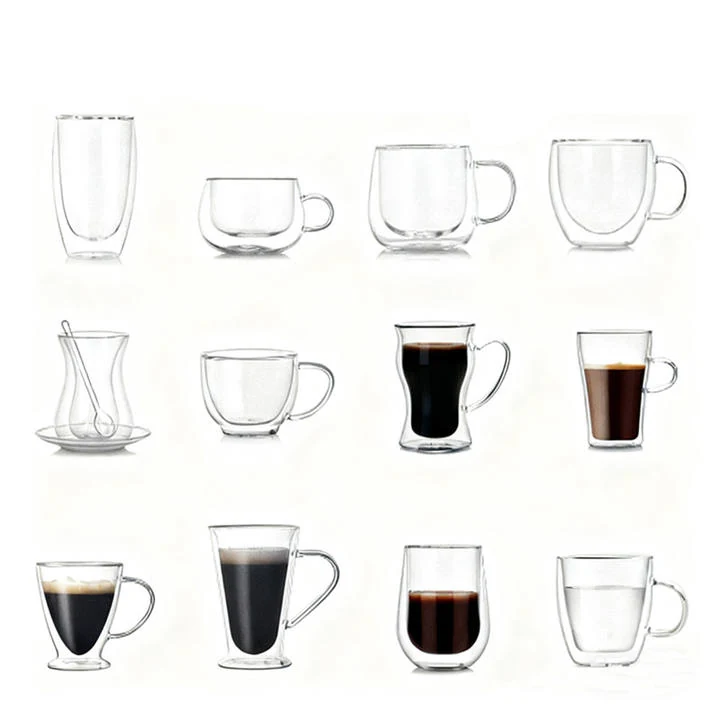
Murano Glass, often associated with the island of Murano in Venice, represents the pinnacle of Italian glass craftsmanship. Murano has been producing glass for over 1,000 years, and its glassmakers are renowned for their artistic creations. Today, Murano Glass products include everything from fine jewelry to elegant home décor and functional glassware.
The glass is made using traditional techniques, including blowing, shaping, and hand-painting. Murano glassmakers often incorporate gold leaf, colored glass, and other embellishments to create unique pieces. Murano Glass is not just about aesthetics but also quality and durability, making it highly sought after globally.
Murano Glass serves a variety of markets, including luxury goods, interior design, and bespoke gifting. Its influence extends across high-end retail and corporate gifting industries. The craftsmanship involved in creating Murano Glass has led to international recognition and many prestigious awards for excellence in both design and production.
| Company | Founded | Core Products | Industries | Certifications |
|---|---|---|---|---|
| Barovier & Toso | 1295 | Chandeliers, lighting, decorative glassware | Luxury goods, interior design, hospitality | Renowned craftsmanship |
| Venini | 1921 | Vases, sculptures, chandeliers | Luxury décor, fine art, hospitality | Innovative glass design |
| Murano Glass | 1000+ | Home décor, tableware, jewelry | Luxury goods, bespoke gifting, interior design | Authentic Murano glassmaking techniques |
Part 3: Trade Shows and Industry Events
Salone del Mobile
Salone del Mobile, held annually in Milan, is one of the world’s most important trade fairs for furniture and design. The event attracts a global audience, including designers, architects, and manufacturers. For Italian glassware companies, Salone del Mobile is an excellent opportunity to showcase innovative designs and collaborate with international clients.
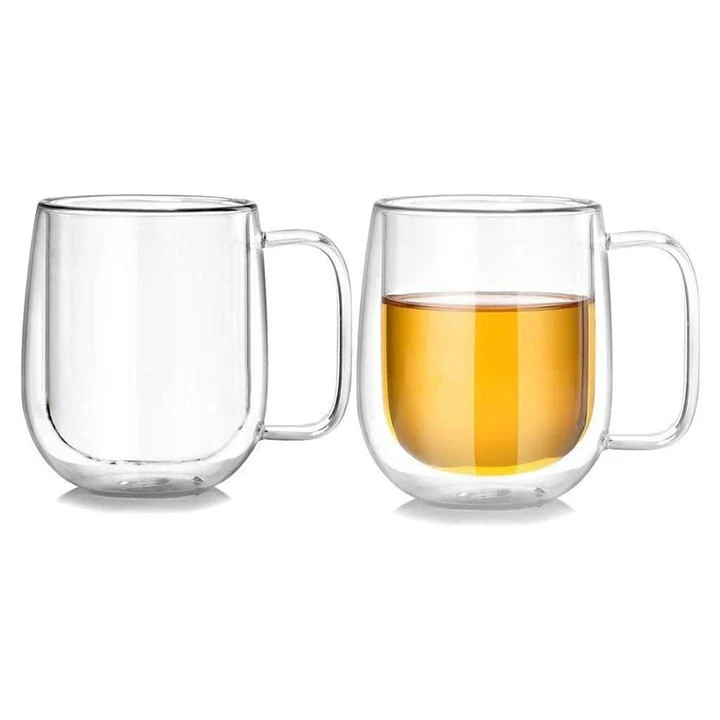
At Salone del Mobile, glass manufacturers display everything from contemporary glass furniture to delicate glass art pieces. It is a place where tradition meets modern design, and companies can exhibit their latest work to a discerning audience. The fair also hosts discussions and presentations on the future of design, offering a platform for creativity and innovation in the glassware sector.
Murano Glass Exhibition
The Murano Glass Exhibition is dedicated to showcasing the history and craftsmanship of Murano glass. Held on the island of Murano in Venice, it attracts visitors from around the world interested in the art of glassmaking. The exhibition offers a chance to see the latest developments in glass art and meet skilled artisans who carry on the Murano glass tradition.

At this event, attendees can witness live glassmaking demonstrations and explore a wide range of Murano glass products. The exhibition highlights the island’s long history and commitment to producing world-class glass pieces. For glassmakers, the event provides valuable networking opportunities and a chance to present their work to a broader audience, including collectors and design professionals.
| Event | Date | Location | Highlights |
|---|---|---|---|
| Salone del Mobile | April | Milan, Italy | Design trends, high-end glassware displays |
| Murano Glass Exhibition | October | Murano, Italy | Glassmaking heritage, artisan demonstrations |
Part 4: Impact of Global Trade Policies
Global trade policies have a significant impact on Italy’s glassware industry. While Italy is part of the European Union, global trade agreements and tariffs still affect the cost of production and export. The Italian glass sector faces increased competition from lower-cost regions, such as Asia. However, the emphasis on craftsmanship and design has allowed Italian manufacturers to retain a competitive edge in luxury markets.

At the same time, sustainability has become a key focus in Italian glassmaking. As trade policies increasingly favor environmentally friendly practices, Italian manufacturers have responded by adopting eco-conscious production techniques. This includes using recycled glass and reducing energy consumption during production. By aligning with global trends, Italian glass manufacturers are not only complying with regulations but also meeting growing consumer demand for sustainable products.
Moreover, the shifting nature of international trade provides opportunities for Italian glassmakers to expand their presence in emerging markets. As tariffs and trade barriers are adjusted, Italian companies must be strategic in exploring new opportunities while maintaining their commitment to quality and design.
Part 5: Conclusion
Italy’s glassware industry is a symbol of innovation, craftsmanship, and style. With a strong tradition of glassmaking and a commitment to preserving artisanal techniques, Italy continues to lead the world in luxury glassware. As the market grows, Italian manufacturers are embracing new trends, sustainability, and technology to remain competitive.
However, challenges such as global trade fluctuations and evolving consumer demands present risks for the industry. Nevertheless, the continued focus on high-quality, unique glass products ensures that Italy’s glassware manufacturers are well-equipped to face these challenges and thrive in the global market.