Skip to content
Part 1: Market Size and Growth
Japan has a long and deep history of glassmaking that goes back centuries. Traditional glasswork was part of spiritual and craft practices in many regions of Japan. Over time, the industry grew to include modern factories and small artisanal studios that produce both everyday glassware and refined crystal goods. Japan’s focus on quality and detail has made its glassware respected across the world.

In the last twenty years, the Japanese glassware market has continued to expand through exports and tourism demand. Visitors often look for beautiful Japanese glass products as souvenirs and gifts. Exports to the United States, Europe, and Asia have increased, especially for high‑end drinking glasses, sake ware, and artistic decorative pieces. Domestic sales remain strong as local consumers value craftsmanship and functional beauty.
Government policies in Japan have supported small and medium glass manufacturers with grants and training programs to keep traditional skills alive. Investment in automation and design innovation also helps local producers stay competitive. Regional clusters around Yamanashi, Osaka, and Hiroshima have become centers where glassmakers share resources and expertise. These clusters help reduce costs and improve product variety, strengthening Japan’s position in the global glassware industry.
Part 2: Leading Companies
Hario Co., Ltd.

Hario is one of Japan’s most famous glass manufacturers, known globally for its heat‑resistant glass products. Founded in 1921 in Tokyo, Hario began with the vision to produce high quality heat‑proof glass. Over time, it expanded into kitchen and café products that have become beloved by baristas and home cooks around the world. Hario’s brand name is now often linked with coffee culture due to innovation in pour‑over equipment.
Hario’s product line includes coffee drippers, servers, teapots, and laboratory‑grade glass tools. The company is best known for its V60 pour‑over coffee dripper that is widely used in specialty coffee shops. They serve both consumer markets and professional café businesses. Their products combine functional design with the purity that comes from borosilicate glass.
Industries served include coffee shops, home kitchens, restaurants, and laboratory settings. Hario’s glassware is designed to withstand thermal shock and meet strict quality standards. The company is also known for its attention to packaging and user experience. Hario’s products are sold worldwide through retail and online channels.
Innovation at Hario focuses on heat resistance and ergonomic design. They hold patents on glass formulations and pour‑over systems that improve coffee extraction. The company has won design awards and maintains strict quality certifications that support global exports.
Tsugaru Vidro
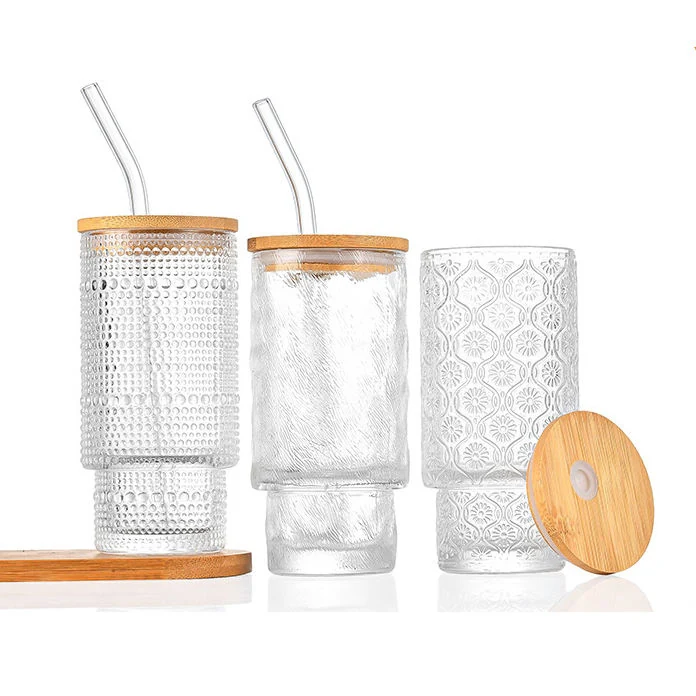
Tsugaru Vidro is a well‑known studio glass manufacturer in Japan that blends traditional techniques with creative artistry. Established in Aomori Prefecture, Tsugaru Vidro builds on the region’s history of glasswork dating back to the Edo period. The studio emphasizes free‑blown and handcrafted pieces that reflect the natural beauty of northern Japan. The name Vidro means “glass” in Portuguese, chosen to reflect global aspirations and cultural openness.
Tsugaru Vidro produces drinkware, decorative items, and artistic glass pieces that are often inspired by nature. Their products include colorful tumblers, bowls, and ornamental work that appeals to collectors and design lovers. Tsugaru Vidro serves galleries, gift shops, and international customers looking for unique Japanese design.
Industries served include art galleries, luxury home decor, hospitality, and retail. The company collaborates with designers and artists to refresh patterns and collections regularly. They also offer workshops that let visitors see glass blowing firsthand, which helps promote local tourism. Tsugaru Vidro’s work often reflects seasonal colors and Japanese aesthetics.
Innovative aspects include combining traditional furnace techniques with contemporary artistic expression. Their handcrafted glass often reflects gradations of color and unique textures not seen in mass production glassware. Tsugaru Vidro has earned recognition in design fairs and maintains quality standards that support exporting their art pieces abroad.
Asahi Glass Co., Ltd. (AGC)
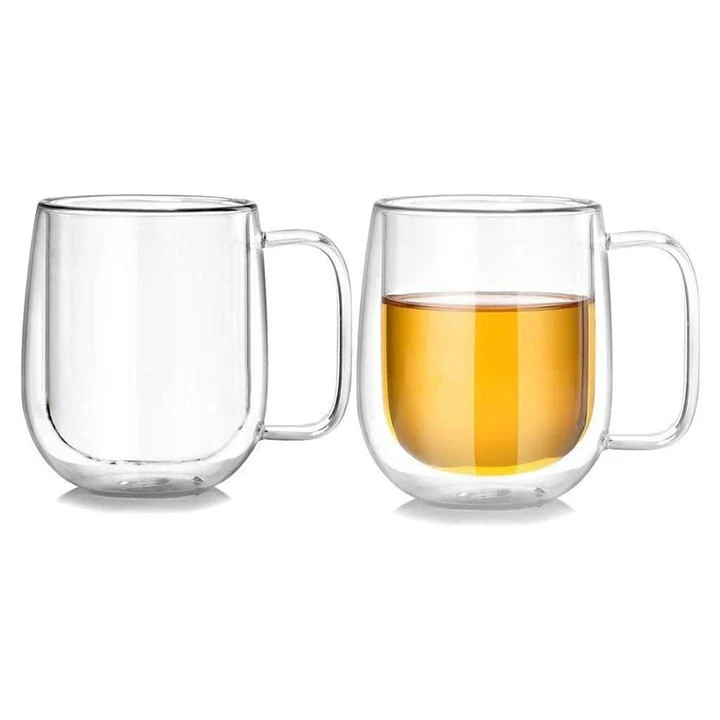
Asahi Glass Co., Ltd., also known simply as AGC, is one of the largest glass producers in Japan with global influence. Founded in 1907, AGC began as a small glassworks that later grew into a major multinational corporation. While AGC produces architectural and automotive glass, it also has divisions that produce high‑quality specialty glass products. The company is known for innovation and advanced material science.
AGC’s product range includes specialty glass for electronics, drinkware, scientific applications, and industrial solutions. Their advanced glass formulas are used in smartphones, automotive windshields, and everyday glassware goods. The company serves a wide range of industries with tailored glass solutions that require technical precision.
Industries AGC serves include automotive, electronics, consumer products, architecture, and medical. The company invests heavily in research and development to stay ahead with new glass materials. AGC holds numerous patents worldwide in glass manufacturing processes and product design, supporting its position as a technology leader.
Innovation at AGC includes advanced coatings, high strength glass, and optical clarity improvements. The company has earned quality and environmental certifications from international organizations. AGC’s glass is widely exported and applied in markets where durability and performance matter.
Hokkaido Glass Studio
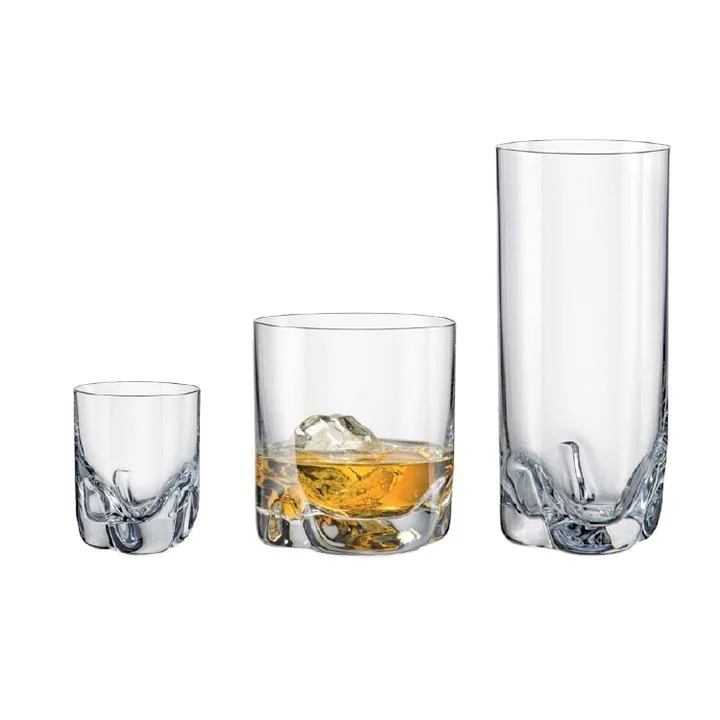
Hokkaido Glass Studio is a smaller but respected glassmaker located in northern Japan. Founded by local artisans passionate about preserving traditional craftsmanship, the studio focuses on handmade glass. Hokkaido Glass Studio produces drinkware, vases, and decorative pieces that reflect the beauty of Japan’s northern landscapes. The studio is part of a regional movement to keep artisan glassmaking alive.
Their glassware includes tumblers, carafes, and decorative art pieces, often featuring subtle color blends and texture. Each item is crafted by hand, giving it unique character and individuality. The studio works with retailers and directly with collectors who appreciate handcrafted quality.
Industries served include boutique home decor, gift shops, and galleries. Hokkaido Glass Studio also collaborates with hotels and restaurants that want distinct table settings. Their pieces are made with attention to detail and often tell a story about nature and tradition.
Innovation at the studio comes from blending traditional methods with new color techniques. They have been featured in regional craft festivals and design showcases. While smaller than industrial producers, Hokkaido Glass Studio has built a reputation for quality and artistic expression.
Comparison table of companies
| Company | Founded | Core Products | Industries | Certifications / Honors |
|---|---|---|---|---|
| Hario Co., Ltd. | 1921 | Heat‑resistant kitchen and café glass | Coffee shops, kitchens, labs | Design awards, quality certifications |
| Tsugaru Vidro | Mid‑20th c. | Handcrafted drinkware and decor | Galleries, design retail, hospitality | Design fair recognitions |
| Asahi Glass Co., Ltd. | 1907 | Specialty and industrial glass | Electronics, auto, consumer goods | Patents, global certifications |
| Hokkaido Glass Studio | Late 20th c. | Handmade glassware and vases | Boutique decor, art galleries | Regional craft awards |
Part 3: Trade Shows and Industry Events
Glassware trade shows help manufacturers meet buyers, discover trends, and grow markets. Japan hosts several key events that bring local and global players together. These fairs showcase tableware, design glass, and home decor items and offer chances to network.
Tokyo International Gift Show
The Tokyo International Gift Show is one of Japan’s largest trade fairs for gifts, housewares, and lifestyle products. It includes a section dedicated to glassware and tabletop goods. Buyers from Japan and overseas attend to find new products and suppliers. This event is crucial for glass manufacturers looking to expand retail and export channels.

The show typically takes place twice a year in Tokyo and brings together thousands of exhibitors from many sectors. Exhibitors show drinkware, decorative glass pieces, and designer collections. There are seminars on trends in home goods and consumer preferences. The fair also offers curated areas with themed displays that help buyers see future product directions.
Highlights of the event include trend briefings, design showcases, and networking lounges where buyers can meet exhibitors. The program often features talks about sustainable design and retail strategies. Many glass manufacturers plan product launches around this fair to gain visibility. For new companies, the Tokyo International Gift Show offers insights into market demands and retail opportunities.
Osaka Home & Interior Fair
The Osaka Home & Interior Fair is a major regional event focused on home furnishings and interior goods, including glassware. Glassware manufacturers use this event to show drinkware collections and decorative glass items. Buyers from home retail chains and design shops attend to discover products that fit modern lifestyles. The fair usually takes place annually in Osaka, one of Japan’s largest commercial hubs.

At this fair, exhibitors display tabletop glass, vases, and artistic pieces that complement interior design trends. There are live demonstrations where visitors can learn about glass production techniques. The event also hosts lectures from designers about the future of home goods and consumer taste. This fair helps bridge traditional craft with contemporary design.
Highlights of Osaka Home & Interior Fair include trend zones that highlight color palettes and style directions, plus interactive workshops. The fair draws buyers from Western Japan and international attendees interested in Japanese design. It’s a key event for glassmakers who want to enter lifestyle retail and décor markets.
Trade show summary table
| Event | Date | Location | Highlights |
|---|---|---|---|
| Tokyo International Gift Show | Biannual (Spring & Autumn) | Tokyo | Trend displays, designer showcases, global buyers |
| Osaka Home & Interior Fair | Annual (late season) | Osaka | Interior design trends, live demos, workshops |
Part 4: Impact of Global Trade Policies
Global trade rules shape how Japanese glassware makers compete and export their products. Tariffs and trade agreements affect how easy it is to sell abroad. Japan’s trade deals with many countries help reduce costs for exported glassware, making products more competitive overseas. Manufacturers watch changes in trade agreements closely to plan exports.
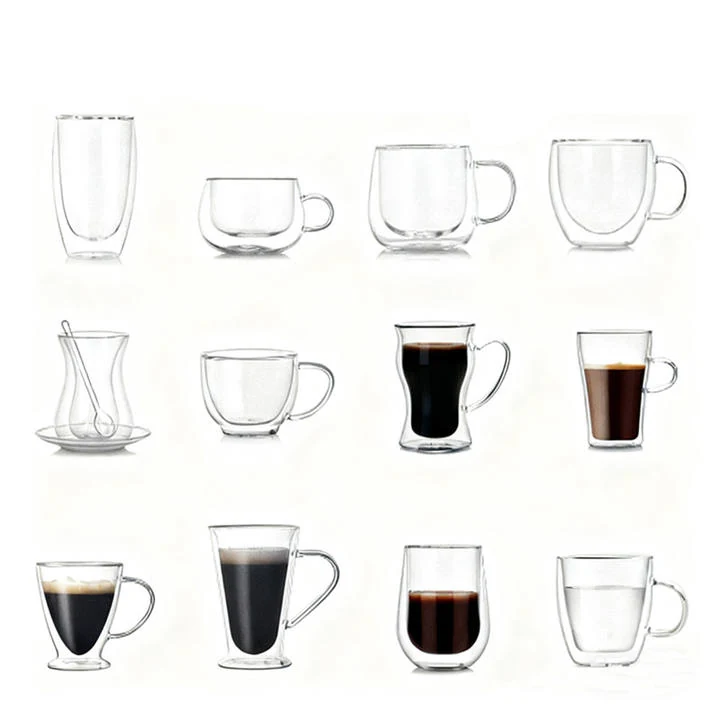
Tariffs imposed by large markets can raise the cost of glassware entering those countries. When tariffs rise, manufacturers may shift sales strategies or find alternative markets. Free trade agreements with countries in Asia and Europe help reduce these barriers and open opportunities for Japanese exporters. Glass makers that focus on high‑end goods benefit from agreements that lower duty costs.
Supply chain rules influence the cost of raw materials used to make glass, such as silica and chemicals. If import rules change for these materials, production costs can increase. Some Japanese glassmakers work with local suppliers to reduce dependency on overseas sources. This helps manage risk and stabilize production schedules.
Competition from lower‑cost producers in other countries also affects Japanese companies. Markets with cheaper glass can undercut prices in certain segments. To stay competitive, Japanese manufacturers often emphasize quality, design, and technical performance. Policies that support research and innovation help Japan’s glass industry maintain its reputation for excellence.
Part 5: Conclusion
The glassware industry in Japan is rich with tradition, craftsmanship, and modern innovation. There are strong opportunities for growth in global markets that value design and quality. Trade shows and international agreements help manufacturers connect with buyers and build long‑term business relationships.
At the same time, global competition and changes in trade rules present challenges that require strategic adaptation. Japanese glass producers must stay flexible, invest in new technology, and promote their strengths in design and durability. With these efforts, Japan’s glassware makers can continue to thrive both locally and around the world.