Skip to content

Part 1: Market Size and Growth
Lebanon’s glassware manufacturing sector has a long history that reflects both traditional craftsmanship and modern industrial practices. From hand‑blown decorative glass pieces to large architectural panels, glass production in Lebanon has adapted to changing markets and technologies. While Lebanon is not a global powerhouse in glass manufacturing, it serves a vibrant regional demand through specialized producers who focus on quality, custom solutions, and design flexibility.
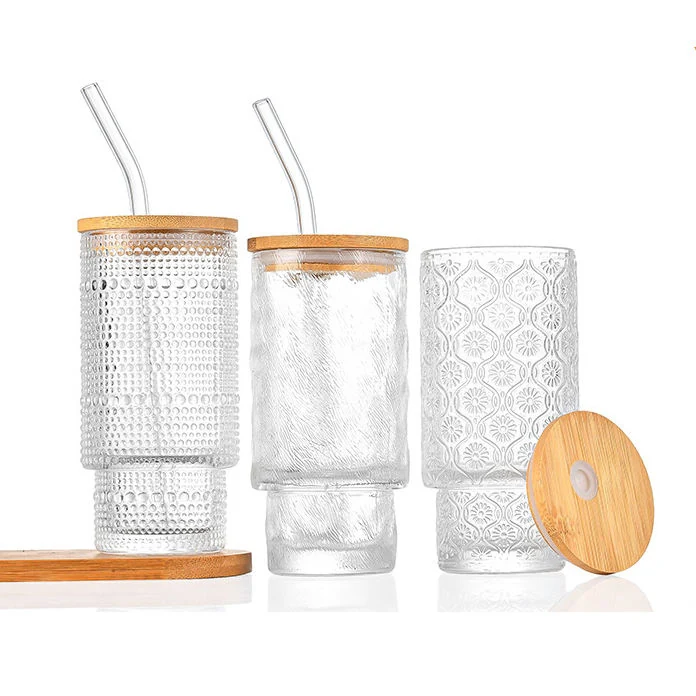
The market in Lebanon covers a wide range of products such as window and architectural glass, safety glass, decorative glass panels, and drinkware containers like bottles and jars. These products are used in construction, interior décor, food and beverage packaging, and commercial applications. Lebanese producers often work with designers, builders, and brand owners to deliver tailored glass solutions that fit their specific project needs.
Government trade policies, import regulations, and regional economic access shape how glass manufacturers operate. Lebanese firms work within a competitive regional landscape that includes neighboring Middle Eastern and European suppliers. Despite challenges such as material costs and logistical complexity, glass manufacturers in Lebanon continue to find niche opportunities through customization and service differentiation.
Part 2: Leading Companies
Hijazi Glass Contracting Co. Sarl
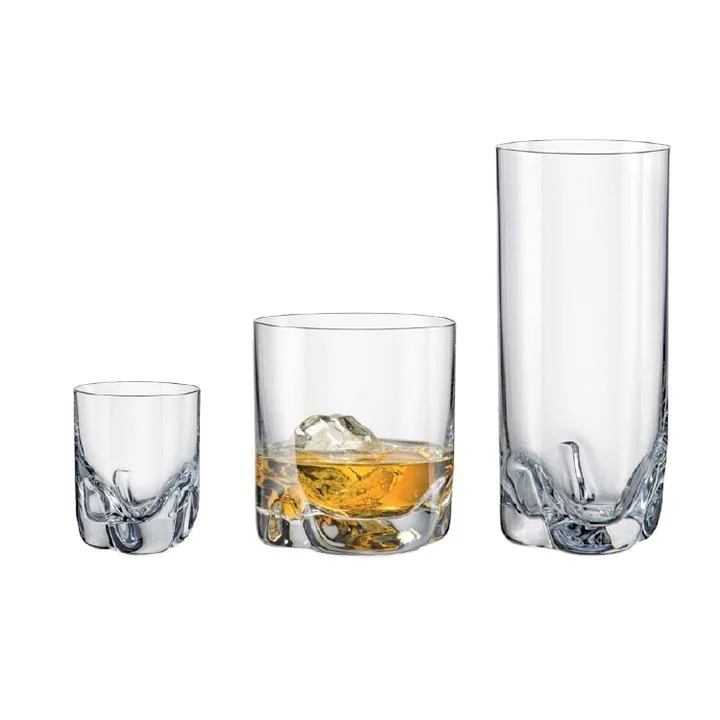
Hijazi Glass Contracting Co. Sarl is one of the most established glass manufacturers in Lebanon, with a legacy that dates back several decades. The company combines traditional craftsmanship with modern automated machinery to produce tempered, laminated, and specialty glass. They operate large facilities capable of handling high‑volume production as well as specialized glass fabrication.
Their product range includes tempered glass for safety, laminated glass for structural applications, curtain walls, and heat‑soak tested glass. These offerings are designed for residential, commercial, and industrial projects. Clients often choose Hijazi for complex architectural needs where safety and durability are critical.
The industry segments served by this manufacturer include real estate developments, commercial building contractors, and interior design firms. They are known for their strong project delivery capabilities and technical expertise in joining glass with aluminum and other framing systems. Innovation here is driven by investment in automated cutting, tempering, and lamination lines that ensure high quality across large batches.
Glass Premium SAL

Glass Premium SAL is a notable glass producer based in Mansouriyeh, Lebanon, founded in the early 2000s with a vision for mastering glass fabrication. Over time, the company has expanded its product offerings to include double‑glazed panels, custom architectural glass, and decorative pieces. Its approach blends practical manufacturing with design‑oriented customization.
Their products are used in modern facades, interior partitions, and energy‑efficient window systems. Glass Premium is known for combining advanced glazing technologies with esthetic versatility, such as colored and patterned glass. This has made the company a go‑to partner for architects and builders focused on contemporary design.
Industries served include construction, commercial interiors, and bespoke architectural projects. The company’s commitment to quality and continuous learning has allowed it to stay relevant in a competitive regional market. Innovation comes through adopting improved glazing systems and energy‑efficiency standards.
Universal Glass Containers SAL (UGC SAL)
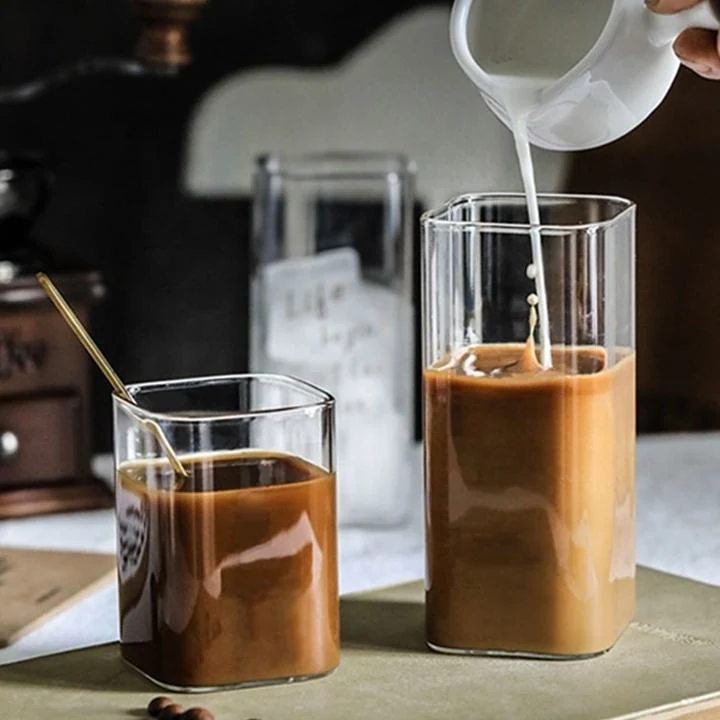
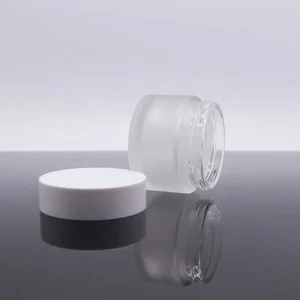
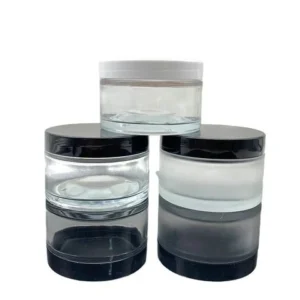
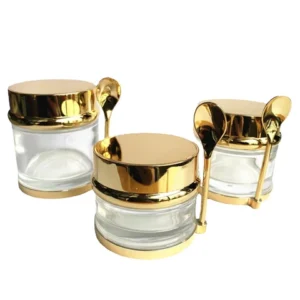
Universal Glass Containers SAL (UGC SAL) is a Lebanese manufacturer specializing in glass containers such as bottles and jars. Founded in 2010, UGC SAL has quickly become a leading local supplier for beverage and food packaging needs across the region. Their products range in volume and color, offering flexibility for different brand requirements.
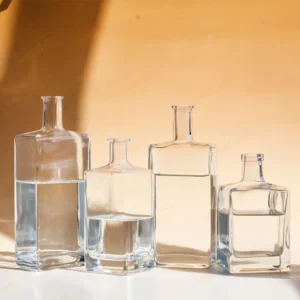
UGC SAL produces glass bottles and jars with capacities from small formats under 200ml up to large 3000ml containers. They supply industries including food & beverage producers, olive oil brands, cosmetic lines, and craft manufacturers who prioritize package quality.
The company focuses on customization, offering tailored packaging and labeling options to meet client needs. Its strength lies in its ability to combine reliable production quality with flexible order quantities, from small business runs to larger lots. This makes UGC SAL an essential partner for local and regional brands.
| Company | Founded | Core Products | Industries | Strengths/Highlights |
|---|---|---|---|---|
| Hijazi Glass Contracting Co. Sarl | 1960s+ | Tempered and laminated architectural glass | Construction, real estate, design | Strong technical capability, project delivery |
| Glass Premium SAL | 2002 | Double‑glazed, decorative, custom glass | Architecture, commercial interiors | Design versatility, energy‑efficient glazing |
| Universal Glass Containers SAL (UGC SAL) | 2010 | Glass bottles & jars | Food & beverage, cosmetics, packaging | Flexible order sizes, customized packaging options |
Part 3: Trade Shows and Industry Events
One important platform for Lebanese glassware and construction materials is the Lebanon Build Expo, an annual event that draws professionals from across the Middle East. Exhibitors include manufacturers of glass solutions, architectural panels, and building materials. For glass producers, this expo is a key venue to showcase new products, network with international buyers, and explore partnerships with architects and builders from the region.
The expo features product demonstrations, seminars about energy‑efficient materials, and business matchmaking sessions. Glass manufacturers often present their latest innovations in tempered glass, safety systems, and design‑forward products. Participants often leave with insights into trends that shape regional architectural and interior design priorities.
Another event of interest is the Lebanese Construction Forum, a focused meetup that brings together stakeholders in building and construction industries. This forum provides practical discussions on materials sourcing, cost management, and emerging technologies in glass processing. For Lebanese glassware manufacturers, it’s an opportunity to understand procurement needs of large contractors and engage in discussions about compliance and sustainability.
Speakers often include experts in engineering, materials science, and trade policy, discussing how global shifts affect local production. This includes topics like regional supply chains, local material sourcing, and compliance with international standards for safety glass. For smaller manufacturers, the insights at this forum can influence business decisions and help build export capability.
| Event | Date | Location | Highlights |
|---|---|---|---|
| Lebanon Build Expo | Annual | Beirut | Exhibits, product demos, network opportunities |
| Lebanese Construction Forum | Annual | Beirut | Industry discussions, materials sourcing insights |
Part 4: Impact of Global Trade Policies
Lebanon’s glassware industry operates within a complex trade environment shaped by regional dynamics, import tariffs, and shifting supply chain priorities. Being part of the broader Middle East trade ecosystem, Lebanese manufacturers navigate tariff regimes and bilateral agreements that influence raw material costs and export opportunities.
Global trends like rising tariffs on imported glass or the imposition of stricter environmental standards in Europe impact Lebanese producers in different ways. Some benefit from reduced competition in certain markets when imports become more expensive, while others face higher costs for essential inputs like silica, soda ash, and specialized machinery. This creates both challenges and incentives for local companies to innovate and invest in efficiency.
Sustainability commitments in global trade policies are pushing manufacturers to adopt greener practices. Lebanese glass producers increasingly consider recycled materials, energy‑efficient production lines, and improved waste management to comply with evolving standards. Investing in such technologies helps them appeal to eco‑conscious clients in Europe and the Middle East.
On the supply side, disruptions caused by geopolitical tensions and logistical constraints can elevate raw material costs and delivery lead times. To build resilience, some Lebanese firms explore regional partnerships or diversify their sourcing strategy to include closer suppliers within the Middle East. This helps reduce dependency on distant markets and supports more predictable production schedules.
Part 5: Conclusion
The glassware manufacturing sector in Lebanon is diverse and adaptive, blending craftsmanship with industrial capability. From architectural glass to customized bottles and decorative panels, manufacturers find ways to serve both local and regional markets with quality products. Their ability to offer tailored solutions positions them as important players in design‑led construction and packaging sectors.
At the same time, challenges such as material costs, global trade shifts, and regional competition remain significant. By investing in technology, embracing sustainable practices, and engaging with international trends, Lebanese glass producers can continue to grow their reach and resilience in an evolving marketplace.