Skip to content

Part 1: Market Size and Growth
Liechtenstein is one of the smallest countries in Europe, yet it has an interesting space in the glassware and glass manufacturing world. The country’s glass industry is not large on a global scale, but it has a long history tied to quality craftsmanship and niche expertise. Glass in Liechtenstein is used for both industrial and artistic purposes, with companies focused on specialized products rather than volume production. While Liechtenstein’s domestic market is small, its economic links with neighbouring countries like Switzerland, Austria, and Germany mean that glassware produced here often reaches a wider audience.

In terms of market size, Liechtenstein does not have the volume-based glass clusters seen in larger countries. Instead, the industry emphasizes quality, precision, and innovation in specific segments such as scientific glass, solar glass, and artisanal pieces. For consumers and businesses looking for unique glassware or specialized glass products, Liechtenstein holds a reputation for reliability and technical excellence. Local glass manufacturers must compete not on scale, but on quality, craftsmanship, and niche specialization that can stand out in export markets.
In the context of growth, market dynamics in Liechtenstein are shaped by regional integration and trade policies within the European Free Trade Association (EFTA) and the broader European economic area. Investment in specialized glass research and development, supported by local entrepreneurship, helps Liechtenstein maintain relevance in global supply chains, even if total production is modest. The emphasis on sustainable production also influences how local firms innovate and market their glass products abroad.
Part 2: Leading Companies
RIEDEL Glassworks (Liechtenstein Facility)

RIEDEL is internationally known for wine glasses and decanters, with a heritage that spans over 265 years. The company’s Liechtenstein facility operates as both a production site and a museum that celebrates the tradition of glassmaking in the region. This long history reflects the deep roots of quality glass craftsmanship within this small European state. RIEDEL’s presence in Liechtenstein ties global brand strength to local production expertise.
RIEDEL focuses on producing fine glassware designed to enhance the experience of wine and other beverages. Their products range from delicate stemware to robust decanters, each engineered to improve aroma, flavor, and presentation. RIEDEL’s approach combines artistic sensitivity with scientific understanding of how glass shape influences drinking experience. The Liechtenstein production facility plays a part in creating these pieces with rigorous quality control and skilled artisans who understand both tradition and modern design.
The main sectors served by RIEDEL include hospitality, fine dining, wine distribution, and premium consumer markets. RIEDEL’s technical strength lies in precision glass forming and extensive research into glass design. Over time, the company has earned global recognition and numerous industry awards, reinforcing its reputation as a leader in premium glassware. Certifications related to quality management and product consistency underpin its market position.
Interfloat Corporation
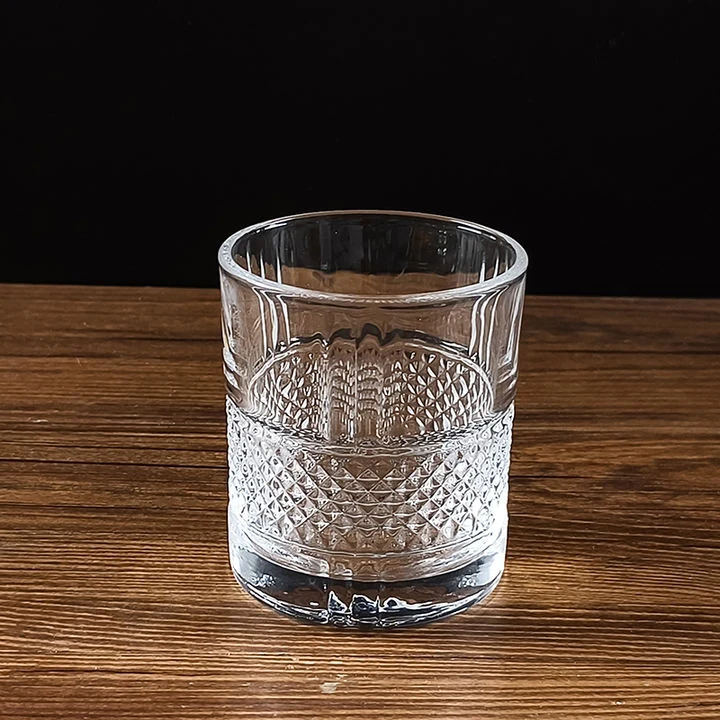
Interfloat Corporation is based in Ruggell, Liechtenstein, and specializes in high-performance glass products for industrial uses, such as solar glass. The company’s operations focus on producing glass that meets stringent technical requirements for energy and industrial applications. Interfloat operates at the intersection of high-tech manufacturing and material science, serving markets where quality and performance are critical.
Interfloat’s product range includes glass for photovoltaic applications, architectural uses, and industrial components requiring specific optical and strength characteristics. Their customers include solar panel manufacturers, construction firms, and companies using glass as part of precision instruments. Interfloat’s innovation lies in advanced glass coating technologies and material engineering that support sustainable energy solutions. The firm’s participation in international industrial networks helps it keep pace with evolving standards and demands.
Industries served by Interfloat include renewable energy, construction materials, and industrial applications where glass performance impacts overall efficiency. Technological highlights include tailored glass solutions and surface treatments that enhance durability and functionality, distinguishing Interfloat in specialized export markets. The company holds certifications related to environmental standards and technical compliance for industrial glass products.
Liechtenstein Art Glass Studio

While not as large as industrial manufacturers, Liechtenstein Art Glass Studio represents the artisanal side of the country’s glass sector, producing bespoke decorative and functional glass pieces. Established by local craftsmen, this studio focuses on small-batch glass art, bespoke designs, and custom orders for collectors and interior designers. Its products reflect the artisanal tradition of blowing, shaping, and finishing glass by hand.
The studio’s range includes decorative vases, artistic bowls, bespoke giftware, and limited-edition collections that blend traditional techniques with contemporary aesthetics. Clients who seek unique glass pieces with creative design often turn to studios like this because they offer personalization and artistic expression that mass manufacturers cannot match. The studio engages closely with artists and designers, bringing creative ideas to life using time-honored techniques.
The main industries served include interior design, art galleries, bespoke retail, and custom orders for private clients. Innovation at the studio comes from combining historical glassmaking methods with modern design inspirations. Recognition for the studio’s work often comes from local art exhibitions and collaborative showcases where craftsmanship is valued alongside artistic vision.
| Company | Founded | Core Products | Industries | Certifications |
|---|---|---|---|---|
| RIEDEL Glassworks (Liechtenstein) | 1756+ | Premium wine glasses, decanters | Hospitality, Wine, Premium consumer markets | Quality/Design awards, ISO-related |
| Interfloat Corporation | 20xx | Solar glass, industrial glass | Renewable energy, Construction, Industrial | Environmental & technical compliance |
| Liechtenstein Art Glass Studio | 20xx | Handmade decorative glassware | Interior design, Art markets | Local art exhibition recognitions |
Part 3: Trade Shows and Industry Events
Glasstec – Düsseldorf, Germany
Glasstec is one of Europe’s most significant glass industry trade shows, attracting manufacturers, designers, and technologists from around the globe. This biennial event provides a platform where glass companies of all sizes, including those from Liechtenstein, can present innovations and network with potential buyers and partners. The show focuses on both industrial glass technology and artistic glass applications, making it relevant for diverse players in the sector.
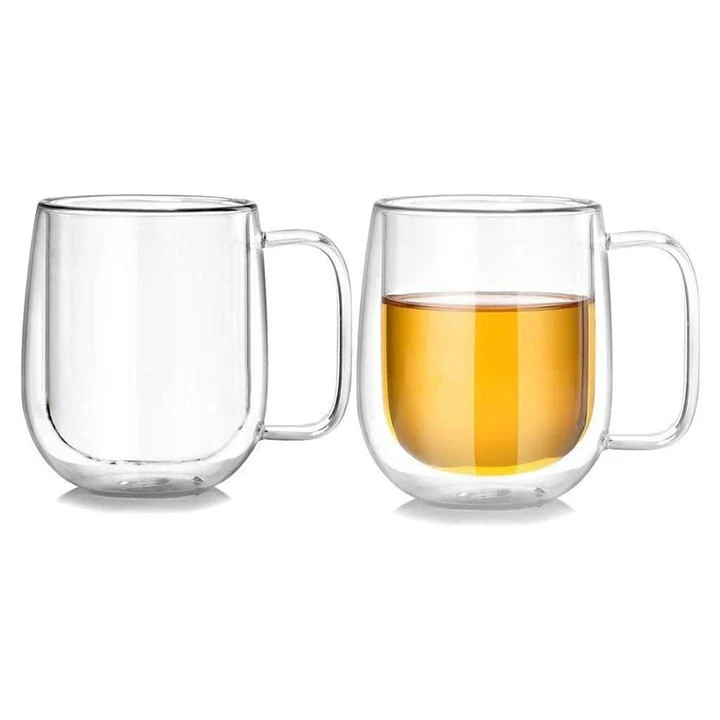
Held in Düsseldorf, Glasstec brings together exhibitors focused on production technology, machinery, glass products, and services. Attendance typically includes thousands of visitors from Europe, Asia, and the Americas, representing manufacturers, suppliers, designers, and trade professionals. The show highlights emerging trends, cutting-edge technologies, and design breakthroughs in glass manufacturing and processing.
Ambiente – Frankfurt, Germany
Ambiente is an annual international consumer goods fair that showcases lifestyle products, including glassware for table settings, decorative glass, and giftware. Though not exclusive to glass, Ambiente is a key event where glass manufacturers and designers meet buyers from retail, hospitality, and interior design sectors. Exhibitors from across Europe and beyond present new product lines and design trends that influence consumer preferences worldwide.
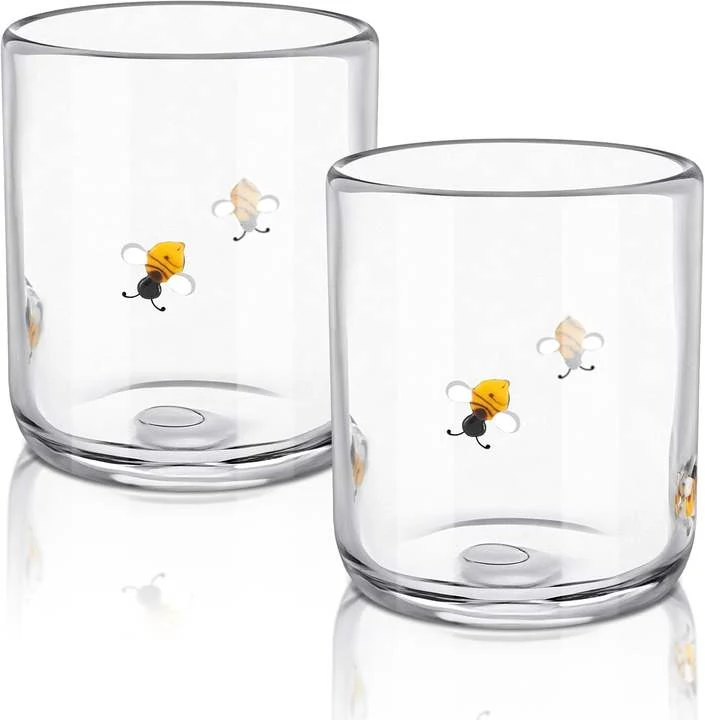
Ambiente attracts thousands of visitors each year, including buyers, media, designers, and retailers looking for the latest in home products and accessories. The event’s emphasis on innovation and design makes it particularly valuable for artisanal and premium glassware producers. Participating companies benefit from exposure to international buyers and insights into evolving market trends, especially in lifestyle and luxury segments.
| Event | Date | Location | Highlights |
|---|---|---|---|
| Glasstec | Biennial | Düsseldorf, Germany | Industry tech and materials innovation showcase |
| Ambiente | Annual | Frankfurt, Germany | Lifestyle and consumer goods trends |
Part 4: Impact of Global Trade Policies
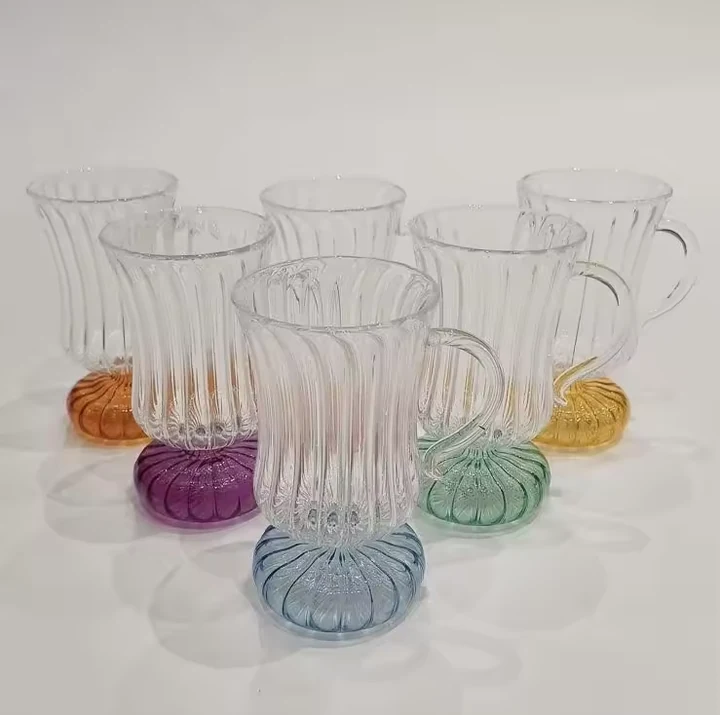
Global trade policies have a meaningful impact on the glassware industry in Liechtenstein, particularly because of the country’s small size and export orientation. Trade agreements within the European Free Trade Association (EFTA) and relationships with the European Union allow Liechtenstein glass manufacturers to access larger markets with reduced barriers. These policies help local firms compete with larger producers in neighbouring countries while maintaining favourable access to raw materials and export routes. The country’s participation in broader trade frameworks means that tariffs, standards, and regulatory compliance are often aligned with wider European norms, easing cross-border commerce.
At the same time, global trade tensions and supply chain disruptions can challenge small manufacturers. Liechtenstein companies may rely on imported raw materials such as silica, specialty coatings, or industrial gases, and global price shifts or transport delays can impact production costs and timelines. For firms focused on niche or artisanal products, these risks require careful supply management and diversification strategies. Local industry players often respond by securing long-term supply contracts or by developing partnerships that can stabilize inputs.
International competition also shapes how Liechtenstein’s glassware manufacturers operate. Larger producers in Germany, Italy, and Eastern Europe have greater economies of scale, so Liechtenstein firms must emphasize quality, customization, and innovation to differentiate themselves. This focus on specialization and niche expertise can be an advantage, allowing companies from Liechtenstein to thrive in segments where precision and design matter more than volume. Meanwhile, sustainability and eco-friendly production practices are increasingly significant, aligning with global policy trends toward lower emissions and responsible manufacturing.
Part 5: Conclusion
The glassware manufacturing landscape in Liechtenstein may be small in scale, but it reflects a blend of tradition, innovation, and quality focus. From historically rooted companies like RIEDEL to niche players in industrial and artisanal glass, the country shows how specialized expertise can carve out a place in competitive global markets. For Liechtenstein manufacturers, success lies in leveraging regional trade advantages and focusing on segments where craftsmanship and performance are key.
At the same time, this industry faces challenges tied to supply chain vulnerabilities, global competition, and changing trade dynamics. Companies must continue to adapt by embracing innovation, sustainable practices, and strong partnerships to maintain relevance and growth in an evolving glassware market. By balancing tradition with modern demands, Liechtenstein’s glass sector can sustain its niche strengths and explore new opportunities abroad.