Skip to content

Part 1: Market Size and Growth
Madagascar, an island nation with a developing economy, is seeing the rise of new industrial sectors. Among them, glassware manufacturing is gaining momentum. The local market has long depended on imported bottles and jars, but recent years have seen a shift toward domestic production. Growing demand in the beverage, hospitality, and cosmetics sectors has encouraged local businesses to explore manufacturing opportunities.
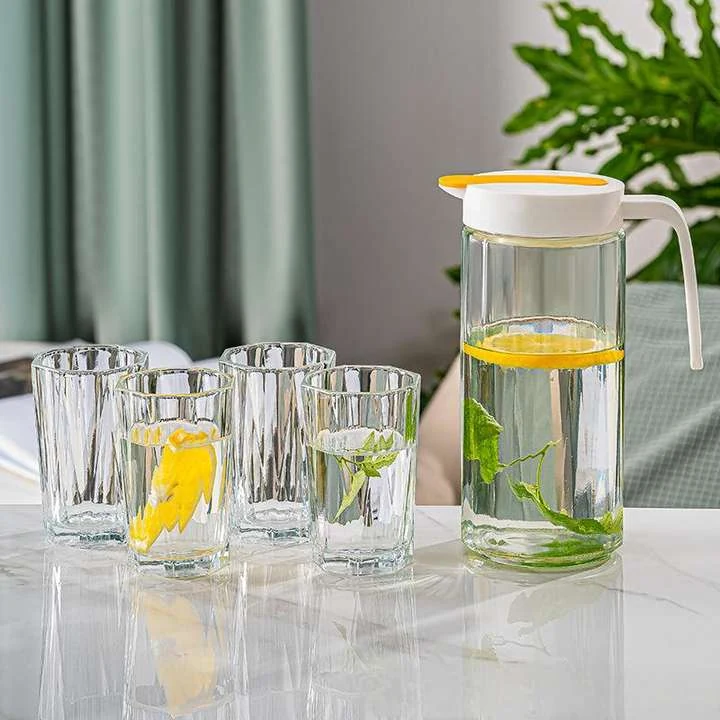
The domestic market for glassware is steadily growing. Demand is largely driven by the increasing number of local beverage producers, artisanal food companies, and a thriving hospitality industry. Small breweries and juice brands want unique glass bottles that reflect their branding. This has created space for local manufacturers to offer both standard and customized glass solutions. As urbanization grows, so does the need for reliable glass packaging.
Government policies are also helping to boost the sector. Incentives for local manufacturing and reduced reliance on imports have opened up new possibilities. Industrial zones in Antananarivo and other cities are beginning to accommodate small-scale glass workshops and larger factories. While infrastructure remains a challenge, investment in production lines and local skills training has begun. With regional trade ties improving, Madagascar is looking to establish itself as a reliable source for both functional and specialty glassware.
Part 2: Leading Companies
Several companies are now making their mark in Madagascar’s glassware industry. They vary in scale, focus, and customer base. Some serve beverage producers, while others cater to pharmaceuticals and premium packaging markets. These firms are setting the foundation for a competitive glassware sector in the country.
IslandBottle Co
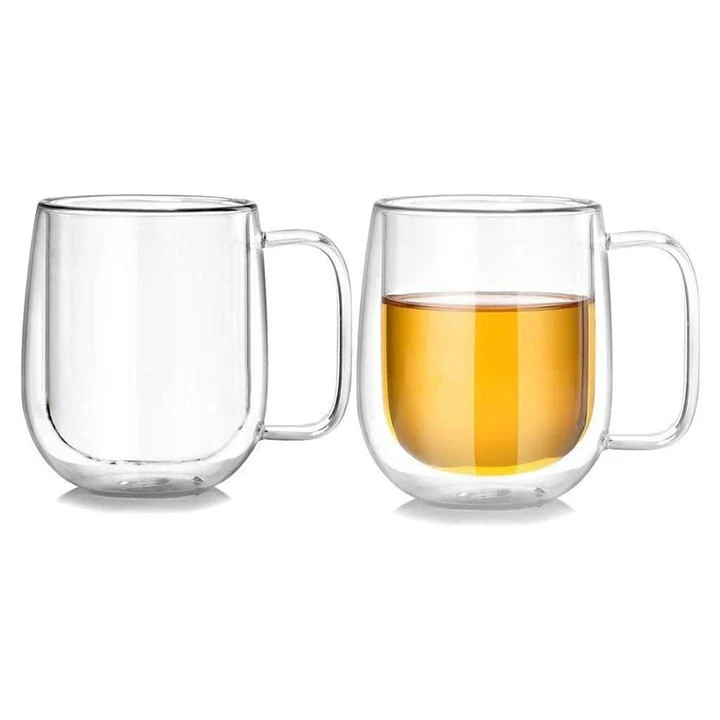
IslandBottle Co is based in Antananarivo and focuses on producing glass bottles for beverages and packaging. It was formed to help local companies reduce dependence on imports. Its product range includes beer bottles, wine bottles, and unique shapes designed for artisanal brands.
The company blends traditional glassblowing techniques with updated equipment. This allows them to offer small production runs with custom designs. IslandBottle Co is particularly popular among new beverage companies looking to stand out in the market.
It mainly serves breweries, juice companies, and small packaging firms. Its strength lies in its ability to produce high-quality glass at relatively low volumes. Clients value their flexibility and design support, especially for limited-edition or seasonal product lines. The company continues to grow, exporting small batches to neighboring islands in the Indian Ocean.
Madaglassware
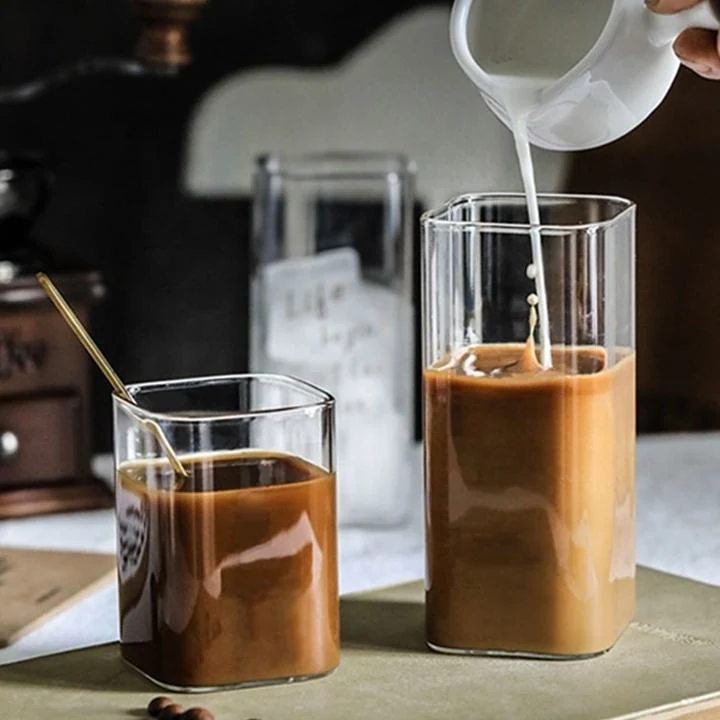
Madaglassware is another prominent player, operating since the early 1990s. It is known for its craftsmanship and ability to deliver elegant glass containers for cosmetic and premium beverage brands. Unlike more industrial players, Madaglassware focuses on high-end design and finishes.
The company specializes in perfume bottles, cosmetic jars, and decorative containers. It often works with local luxury brands, offering personalized designs and packaging consultation. Their production process includes detailed finishing, such as color treatments and embossed logos.
Its clients include cosmetic brands, gift producers, and boutique drink makers. Madaglassware’s ability to adapt to customer needs sets it apart, especially in markets where branding and packaging are part of the product’s value. As interest in high-end local products grows, so does the company’s relevance.
VialMadagascar
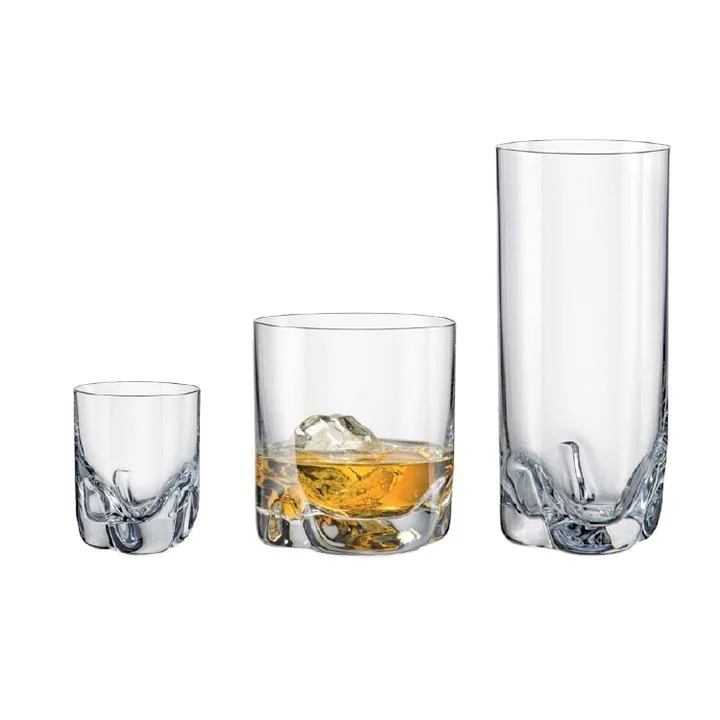
VialMadagascar operates from Mahajanga and focuses on precision glass products for pharmaceuticals and laboratories. It produces amber and clear vials used to store sensitive substances, making it one of the few technical glass manufacturers in the country.
Its facilities include equipment designed for small-format, high-precision production. Products include screw-cap vials, dropper bottles, and sample containers. These items are critical for the safe packaging of medicine, oils, and scientific samples.
VialMadagascar serves pharmaceutical companies, health clinics, and research labs. Its products must meet strict quality standards, and the company emphasizes consistency and compliance. Though it serves a niche market, it fills an essential role in Madagascar’s healthcare and research infrastructure.
| Company | Founded | Core Products | Industries | Certifications |
|---|---|---|---|---|
| IslandBottle Co | 2000s | Beverage bottles | Drinks, packaging | Local quality standard |
| Madaglassware | 1990s | Perfume & cosmetic bottles | Cosmetics, premium packaging | Design quality badge |
| VialMadagascar | 2010s | Glass vials & sample containers | Pharma, laboratories | Technical compliance |
Part 3: Trade Shows and Industry Events
Trade shows offer important opportunities for Madagascar’s manufacturers to meet buyers, showcase products, and learn from international peers. Events inside and outside the country play a key role in supporting business development and global visibility.
Madagascar Industrial Expo
This national expo supports local manufacturing across multiple sectors. It provides a platform for companies like IslandBottle Co and Madaglassware to present their latest products. Visitors include retailers, exporters, and government officials.

The event features product showcases, business matchmaking, and innovation panels. Glassware manufacturers benefit from feedback and potential deals. It’s also a space to connect with equipment suppliers and consultants to improve production efficiency.
The expo plays a key role in raising the profile of local manufacturers. For new businesses, this is often the first chance to attract wholesale clients or investors. The diversity of attendees makes it a valuable annual event.
Indian Ocean Manufacturing Summit
This regional event brings together manufacturers from across the Indian Ocean. Countries like Mauritius, Seychelles, and Madagascar send delegates to discuss trade, production, and regional supply chains.
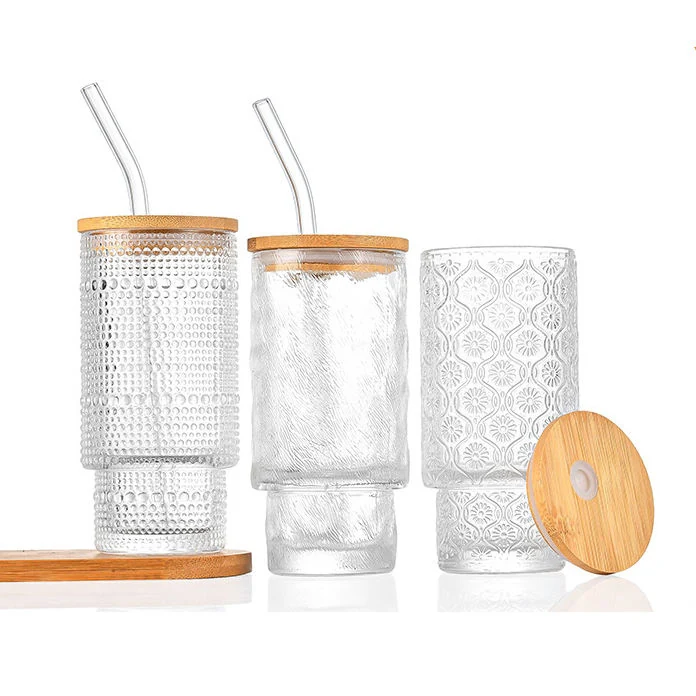
Madagascan glass producers attend to explore export opportunities and learn from peers. Panel sessions on sustainable packaging, compliance, and innovation help participants upgrade their operations.
The summit also includes exhibitions and factory tours in host countries. Madagascar's participation showcases its emerging industries, and companies often return with contacts for potential cross-border collaborations.
| Event | Date | Location | Highlights |
|---|---|---|---|
| Madagascar Industrial Expo | Annual | Antananarivo | Local B2B, manufacturing showcases |
| Indian Ocean Manufacturing Summit | Annual | Rotating | Regional networking, policy talks |
Part 4: Impact of Global Trade Policies
Trade agreements and global trends have a growing influence on Madagascar’s manufacturing scene. Tariff changes, raw material prices, and environmental policies all affect production costs and business models. For glassware producers, these pressures are shaping strategy and growth paths.

Access to raw materials like silica and soda ash is essential. Madagascar imports most of these, so currency shifts and international shipping affect prices. Some companies are exploring local sourcing or using recycled materials to reduce costs.
At the same time, regional trade deals allow duty-free exports to nearby countries. This supports growth for firms like IslandBottle Co, which already ships products to Mauritius and Réunion. Building these trade routes can turn local producers into regional suppliers.
Global focus on sustainability is also impacting production. Customers increasingly want eco-friendly products made in low-impact ways. Some glassware producers are responding by switching to clean energy, improving furnace efficiency, or using recycled cullet. These moves help win contracts with environmentally conscious buyers.
Part 5: Conclusion
Madagascar’s glassware industry is in a promising phase. Local producers are learning fast, adapting to customer needs, and investing in better equipment. From beverage bottles to perfume containers, glassware is becoming a key part of the country’s manufacturing future. With continued support and smarter trade policies, local companies can expand their presence both at home and abroad.
Still, challenges remain. Raw material dependence, infrastructure gaps, and competition from imports require careful planning. But by focusing on quality, design, and partnerships, Madagascar’s glassware producers are building an industry with long-term potential.