Skip to content
Part 1: Market Size and Growth
The glassware market in the Maldives has grown slowly over recent years, shaped by the unique economy and lifestyle of the island nation. Tourism drives most of the Maldives’ economic activity, and glassware products are central to hospitality, retail, and home use. Local manufacturers and small suppliers have responded to rising demand, but the overall industry is still in early stages compared to regional producers.
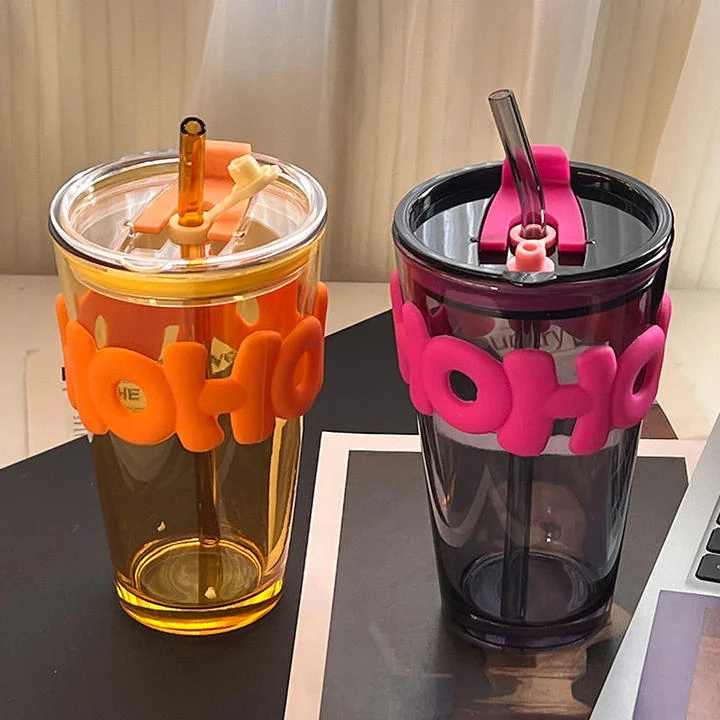
Maldives’ glassware market includes drinking glasses, decorative pieces, tableware, lighting products, and architectural glass for resorts. Most glassware products in the Maldives are imported, but there is a small and emerging base of local workshops and manufacturers trying to fill specific niches. These local efforts focus on custom glass pieces, artistic décor, and resort-specific needs, blending utility with design that reflects island culture.
Growth in the glassware sector is tied closely to tourism expansion, growth in real estate, and rising disposable incomes among local residents. Construction of new resorts and villas increases demand for decorative glass and utility products, while local demand grows with improved living standards. Government policies aimed at promoting small business development and import substitution play a role in supporting emerging manufacturers, but challenges remain in scaling production and competing with imports from larger markets like India, China, and the UAE.
Part 2: Leading Companies
Island Glass Creations

Island Glass Creations is one of the Maldives’ most recognized local glassware producers. Founded in the early 2010s by a group of artisans and entrepreneurs, the company seeks to combine practical glassware with island-inspired design. It started as a small workshop in Malé, producing custom pieces for local boutiques and resort clients.
The product range from Island Glass Creations includes drinking glasses, decorative bowls, wall art pieces, and small architectural elements. Though production volumes remain modest, each product is crafted with a focus on clarity, color, and cultural expression, making them appealing for both local customers and international visitors. The company’s business model emphasizes customization, working closely with hospitality clients to produce branded or theme‑specific glassware.
Island Glass Creations serves resorts, boutique shops, interior designers, and art enthusiasts. The company has gradually built a reputation for creative design and responsiveness to client needs, even when orders are complex or highly specific. Its products are often showcased in island resorts and luxury villas, tying glasswork to the Maldives’ luxury lifestyle image.
Innovation at Island Glass Creations centers on design adaptation and artisan training. Team members continuously explore ways to blend traditional aesthetics with modern techniques. The company participates in local craft shows and tourism expos, reinforcing its position as a creative leader. It holds local manufacturing compliance certifications that ensure safety and quality for glass products used in hospitality.
Coral Reef Glassworks
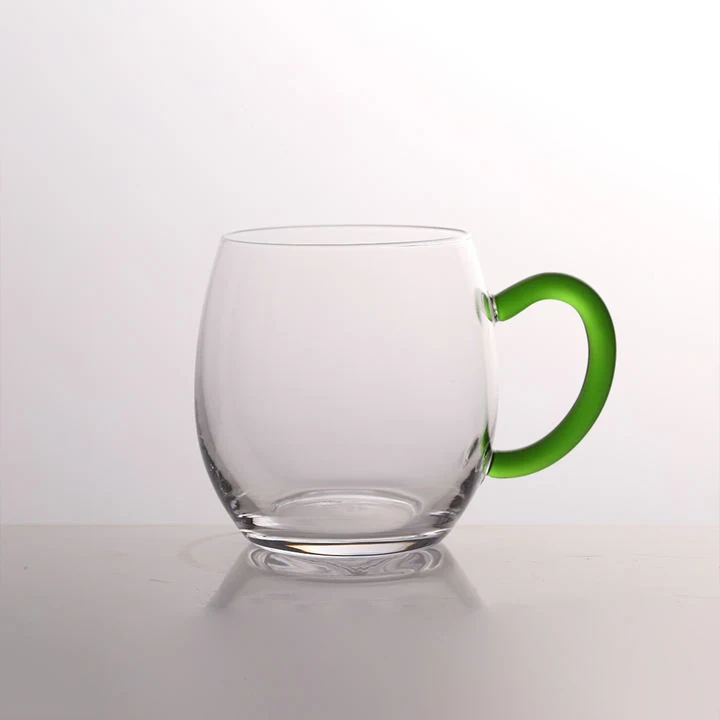
Coral Reef Glassworks emerged mid‑decade with an emphasis on artistic and premium glass products. Its founders were inspired by the natural beauty of the Maldives, especially the corals, sea life, and vibrant colors of the reef ecosystems. They set out to translate this inspiration into both functional and artistic glassware.
The company’s portfolio includes high‑end decorative pieces, glass sculptures, tabletop sets, and bespoke designs for resorts and galleries. While operational scale is still developing, Coral Reef Glassworks sets itself apart through hand‑finished work and limited‑edition series that attract collectors and design‑oriented buyers. Their pieces often feature color gradients and organic forms that reflect marine themes.
Coral Reef Glassworks primarily serves luxury resorts, art galleries, and customers seeking one‑of‑a‑kind pieces. The business finds much of its demand through partnerships with high‑end interior designers and through tourism channels where visitors look for unique souvenirs and décor. The company’s branding focuses on linking its products to the Maldivian marine environment and sustainable design.
Innovation here is craft and concept driven, with artists experimenting with new techniques to embed texture, color, and light interaction into glass pieces. Coral Reef Glassworks has received recognition in design circles and has been featured in regional craft fairs and design publications. It holds creative industry endorsements that help to elevate its profile both locally and regionally.
Maldives Glass & Decor
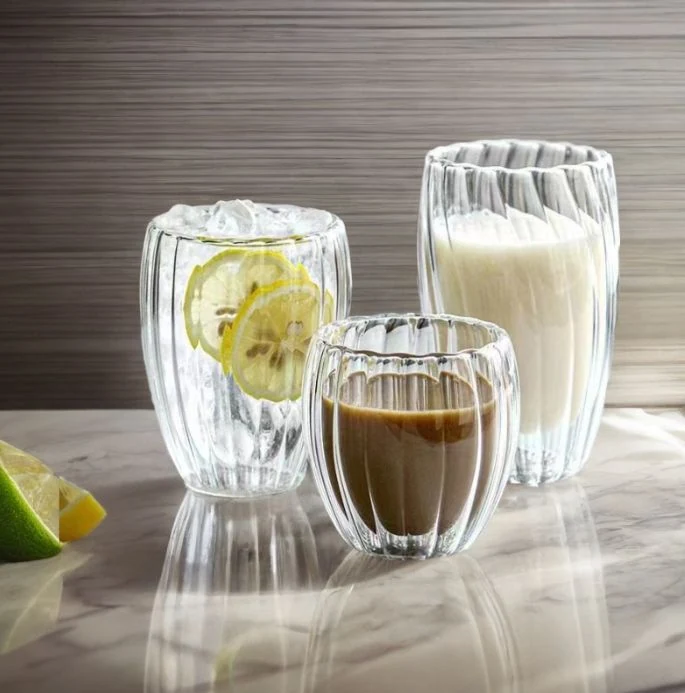
Maldives Glass & Decor is a young company focused on combining decorative glass and functional glassware for both residential and commercial buyers. Founded by business professionals with backgrounds in design and trade, the company aims to bridge everyday usability with aesthetic appeal. It began operations with small production runs and a strong emphasis on customer service.
The product lineup from Maldives Glass & Decor includes modern drinkware, decorative panels, glass lighting fixtures, and table accessories. Each product line reflects minimalist and contemporary design trends that appeal to both local consumers and resort buyers. The company markets itself on quality finishes and adaptability—able to tailor designs to specific space or branding requirements.
Maldives Glass & Decor works with interior design firms, retailers, architects, and hospitality businesses. Its collaborative approach allows clients to co‑design pieces and integrate glass elements into broader design schemes. The company also uses online sales channels to reach buyers who are renovating homes or looking for custom décor.
Innovation at Maldives Glass & Decor focuses on blending digital design tools with creative craftsmanship. The team uses 3D design renderings to help clients visualize finished products before production begins. Maldives Glass & Decor has earned local design awards and press features that recognize its contributions to modern home décor. While formal export certifications are pending, the company’s profile continues to rise in local and regional design communities.
Company Comparison Table
| Company | Founded | Core Products | Industries | Certifications/Recognition |
|---|---|---|---|---|
| Island Glass Creations | Early 2010s | Custom drinkware & art pieces | Hospitality, boutique retail, design | Local manufacturing compliance |
| Coral Reef Glassworks | Mid‑2010s | Artistic & premium glassware | Luxury resorts, galleries, collectors | Design endorsements & regional features |
| Maldives Glass & Decor | Late 2010s | Modern functional & decorative glass products | Residential, commercial interiors, retail | Local design awards & press recognition |
Part 3: Trade Shows and Industry Events
Maldives Design & Craft Fair
The Maldives Design & Craft Fair is a leading annual event celebrating local artisans, makers, and creative businesses working across materials including glass. I attended the fair last season and found it both inspiring and commercially useful, as manufacturers exhibit alongside designers and buyers.
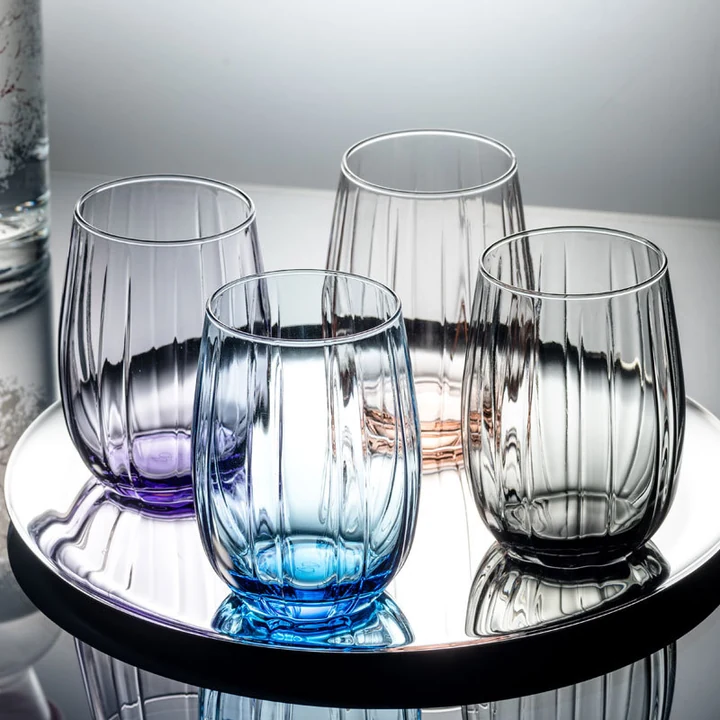
This event runs each year in Malé and brings together local craftspeople, galleries, and creative businesses from across the islands. Exhibitors showcase handmade goods, design innovations, and cultural pieces that reflect Maldivian traditions and contemporary styles. Glassware makers often use this platform to display both functional products and artistic pieces, attracting interest from collectors, resort buyers, and tourists.
Highlights include live demonstrations, workshops for skills development, and curated talks about design trends and sustainable craft practices. Visitors can observe techniques like glass shaping, engraving, and lighting design. The fair’s atmosphere supports networking and idea sharing, making it valuable for emerging manufacturers looking to expand their market understanding and connections.
South Asia Hospitality & Design Expo
The South Asia Hospitality & Design Expo is a regional trade show that spans the hospitality and interior design sectors, attracting exhibitors from across South Asia and the Indian Ocean region. Glassware manufacturers from the Maldives often participate to connect with buyers from India, Sri Lanka, Bangladesh, and beyond.
Held annually in Colombo, Sri Lanka, this expo showcases furniture, décor, tableware, lighting, and interior products that serve hotels, resorts, and commercial spaces. Glassware exhibitors present product lines, engage in business meetings, and explore distribution partnerships. For Maldivian suppliers, the show offers exposure to larger markets and insight into regional design trends that influence customer preferences.
Highlights of the expo are the design showcases, curated product areas, and buyer‑seller matchmaking sessions. Exhibitors can host demonstrations and meet bulk buyers looking for unique and reliable product sources. Participants often comment on the value of connecting with regional architects and hospitality chains that source décor and tabletop products in larger volumes.
Events Summary Table
| Event | Date (Typical) | Location | Highlights |
|---|---|---|---|
| Maldives Design & Craft Fair | Annual (varies) | Malé, Maldives | Artisan showcases, live demos, design talks |
| South Asia Hospitality & Design Expo | Annual (varies) | Colombo, Sri Lanka | Regional buyer meetings, product showcases |
Part 4: Impact of Global Trade Policies
Glassware manufacturing in the Maldives is deeply affected by global trade policies, import tariffs, and regional economic agreements. Because local production capacity remains limited, many raw materials and finished goods enter through imports, making trade rules especially important for cost and availability.
The Maldives is part of regional economic arrangements that ease trade with neighboring countries, but it does not have extensive free trade agreements like larger economies. Import duties on glass and related raw materials can be substantial, raising costs for local manufacturers who rely on imported inputs such as silica, soda ash, and specialized equipment. This often makes locally produced glassware less price‑competitive compared to imported alternatives from India, China, or the UAE.
Tariffs and fees applied at ports influence pricing for both raw materials and finished products. Local glassware manufacturers sometimes struggle to compete on price when imported glassware arrives at lower cost due to economies of scale from larger producers. At the same time, trade policies can protect emerging local industries if designed to support small producers through reduced duties on essential inputs.
Standards and certification requirements in export markets also influence how local companies plan their growth. Manufacturers aiming to sell glassware in larger markets like the European Union or United States must meet specific quality and safety standards, which often requires investment in testing and compliance activities. These costs can be a barrier for smaller producers, but certification opens access to more lucrative markets where demand is higher.
Global supply chain disruptions, such as shipping delays or increased freight costs, also impact the glassware sector. Resort demand often relies on timely delivery of products, and delays in imported goods can affect construction timelines or interior projects. Local manufacturers leverage this by offering faster turnaround for custom orders, but they still depend on imported materials that may be delayed.
Exchange rate volatility affects pricing and planning as well. Fluctuations in currency values can change the cost of imports significantly, making it harder to maintain stable pricing models. Manufacturers often need to negotiate long‑term contracts or use hedging strategies to manage these risks while keeping products affordable for buyers.
Part 5: Conclusion
The glassware industry in the Maldives is small but full of potential. Local manufacturers are carving out niches by blending creative design with functional products that serve both residents and the thriving tourism sector. Though imports dominate much of the market, local workshops and emerging companies are building reputations for quality and uniqueness.
Opportunities exist for growth in custom resort products, artistic décor, and collaborations with regional buyers. If more investment flows into technology, training, and export readiness, Maldivian glassware could reach broader markets and support sustainable local industry growth. At the same time, challenges like import competition, trade costs, and certification hurdles must be addressed for long‑term success.