Skip to content

Part 1: Market Size and Growth
The glassware industry in Mexico has grown steadily over the past decade as demand for quality drinkware and household glass products rises both domestically and abroad. Mexico has a strong tradition of glass production that dates back centuries, and that tradition now blends with modern manufacturing methods to serve major markets. Many factories produce everything from artisanal decorative pieces to large volumes of functional glassware for hotel and restaurant supply. These products include drinkware like wine glasses, tumblers, and beer mugs, as well as tableware, bottles, and decorative glass items. The blend of traditional craft with modern production gives Mexico a unique position in the global glassware space.

Market size estimates vary, but the broader Mexican glass manufacturing sector, including containers and flat glass, contributes billions of dollars to the national economy each year. The glassware segment itself has seen demand rise as exports expand to the United States, Canada, and Europe. Many Mexican glass factories report growing order books, especially from North American customers seeking shorter supply chains. Local demand has also grown as Mexico’s middle class expands and as tourism rebounds, spurring demand for hospitality-grade glassware.
Government initiatives and investment in manufacturing clusters have had a strong influence on the industry’s growth. Regional industrial parks in states like Jalisco and Nuevo León host glass producers close to logistics hubs, reducing delivery times and lowering transportation costs. Trade agreements such as USMCA help secure tariff-free access to key markets, encouraging investment. These factors together create an environment where both large manufacturers and smaller artisanal firms can thrive.
Part 2: Leading Companies
Vitro Glassware Mexico
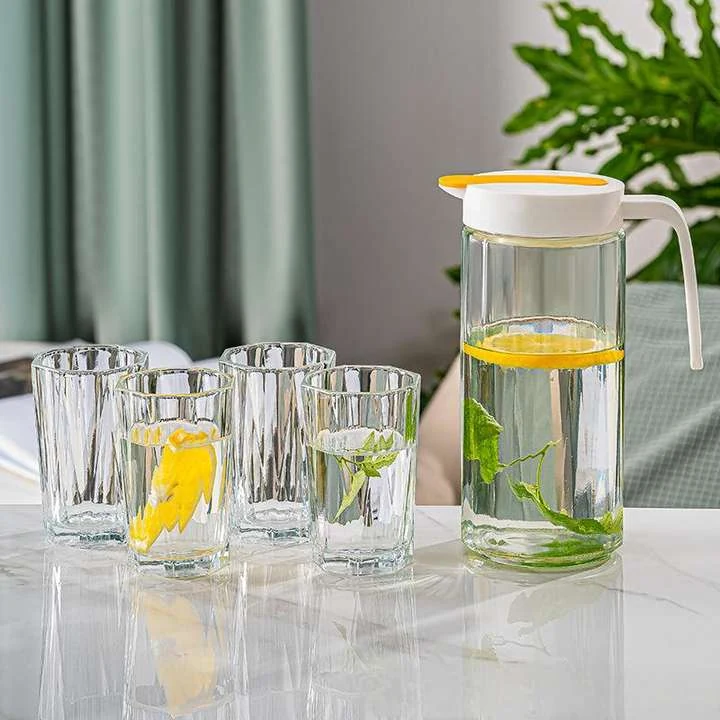
Vitro Glassware Mexico is one of the most recognized names in the Mexican glass industry, with roots stretching back to the early 20th century. The company began as a small glass studio and has grown into a major manufacturer with global reach. It blends traditional Mexican glassblowing skills with modern techniques to produce a broad portfolio of products.
Vitro’s product range includes drinkware like wine glasses, tumblers, and specialty barware, as well as decorative pieces that reflect both classic and contemporary styles. The company serves a mix of domestic retail markets, hospitality clients, and international distributors. Their products are known for consistent quality and thoughtful design.
The industry sectors Vitro supplies include restaurants, hotels, and retail chains in Mexico and abroad. Vitro has invested in advanced tempering and quality control systems to meet strict standards for lead-free glass and durability. Their emphasis on sustainability practices and energy-efficient production lines creates added value for environmentally conscious buyers.
Vitro has earned recognition at trade fairs in Mexico and the United States, including design awards for product innovation. Quality certifications in manufacturing and export compliance underline their place among top-tier glassware producers. Their ongoing work with design schools and artisans reflects a blend of heritage and forward-looking creativity.
Cristales y Vidrios del Bajío
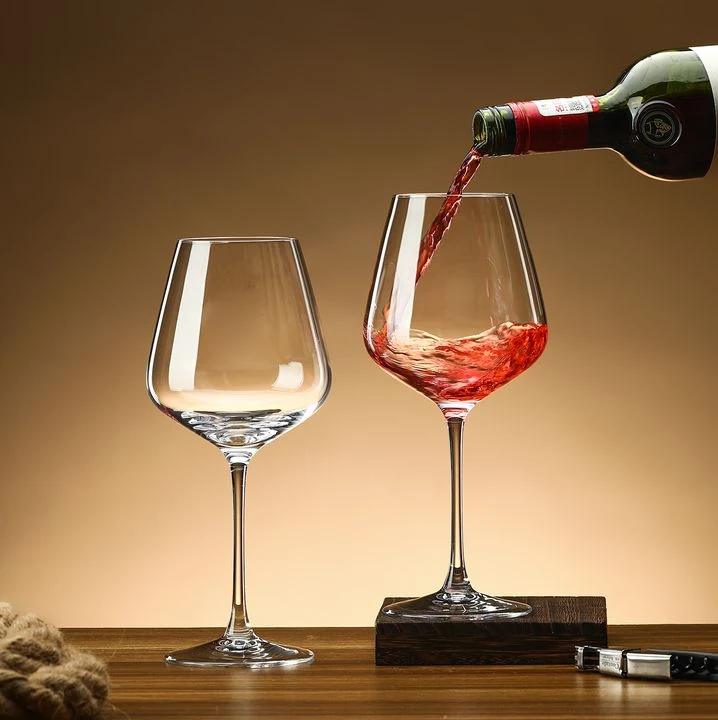
Cristales y Vidrios del Bajío began as a family-owned workshop in the heart of Mexico’s industrial Bajío region. Over decades, it has scaled up to serve larger commercial clients while keeping craft at its core. Their focus has been on high-quality drinkware and custom glass projects for hospitality and corporate clients.
The company’s product line spans tumblers, stemware, decanters, and decorative glass items. Cristales y Vidrios del Bajío is known for custom engraving, shaping, and finishing work that attracts boutique hotels and upscale restaurants. Their team works closely with designers to translate brand identities into custom glassware collections.
Their main industries include hospitality, corporate gifting, and special event merchandise. They also serve export clients in the U.S., Central America, and parts of Europe. Their products meet export quality standards, and they maintain rigorous production documentation required by international buyers.
Cristales y Vidrios del Bajío has received local industry honors for quality craftsmanship and export growth. Their certifications include ISO quality management standards and compliance with safety testing for beverage contact surfaces. These credentials support their reputation among business clients who demand consistency and reliability.
Joyas de Cristal México
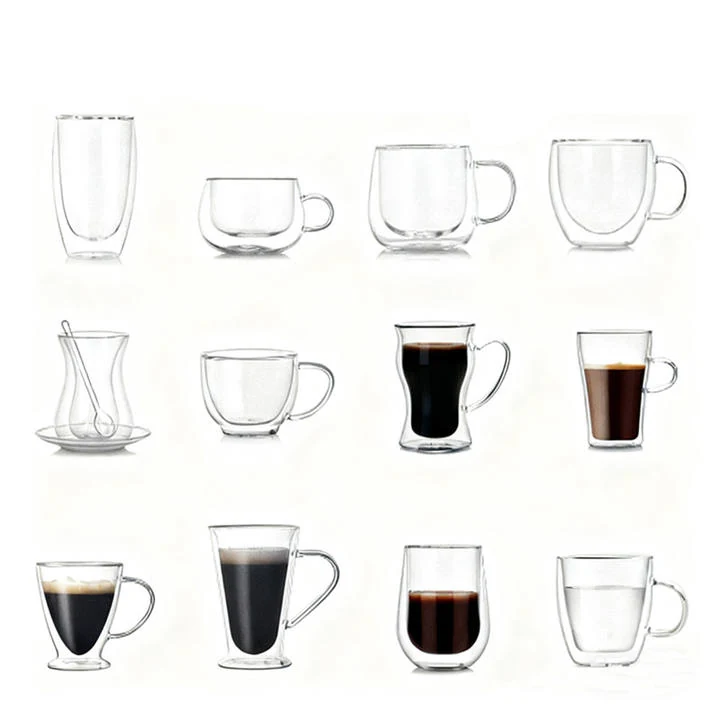
Joyas de Cristal México is a mid-sized glassware manufacturer based in Guadalajara, known for innovative product designs and specialty lines. They focus on creating glass pieces that combine aesthetic appeal with everyday usability. This company started with artisanal glass pieces and has expanded into broader markets.
Their offerings include decorative bowls, artisanal drinkware, and limited-edition collections designed for boutique retailers and art galleries. Joyas de Cristal also produces functional tabletop glassware that has become popular in trendy restaurants and cafes. Their product development blends local artistic influence with modern design trends.
Joyas de Cristal serves boutique retail, interior designers, and upscale hospitality sectors. They also participate in international design expos to showcase new collections and build distribution partnerships. Their ability to merge craft and design sets them apart from more utilitarian manufacturers.
The company has earned design awards for several product lines and holds certifications for material safety and glass composition. Their recognition in design publications and exhibitions helps attract international attention. Joyas de Cristal emphasizes creative innovation while maintaining functional excellence.
| Company | Founded | Core Products | Industries | Certifications |
|---|---|---|---|---|
| Vitro Glassware Mexico | 1900s | Drinkware, Decorative Glass | Retail, Hospitality, Export | Quality & Export Compliance |
| Cristales y Vidrios del Bajío | 1970s | Custom Drinkware, Engraved Glass | Hospitality, Corporate, Export | ISO Quality, Safety Testing |
| Joyas de Cristal México | 1980s | Decorative & Functional Glassware | Boutique Retail, Hospitality | Design Awards, Material Safety |
Part 3: Trade Shows and Industry Events
Expo Manufactura
Expo Manufactura is one of Mexico’s most important industrial trade shows and includes sectors such as glass production machinery, materials, and finished products. I have attended this event and seen firsthand how glassware makers connect with suppliers of furnaces, molds, and automation technology. The expo draws thousands of attendees from Mexico and abroad, especially from the U.S. and Latin America.
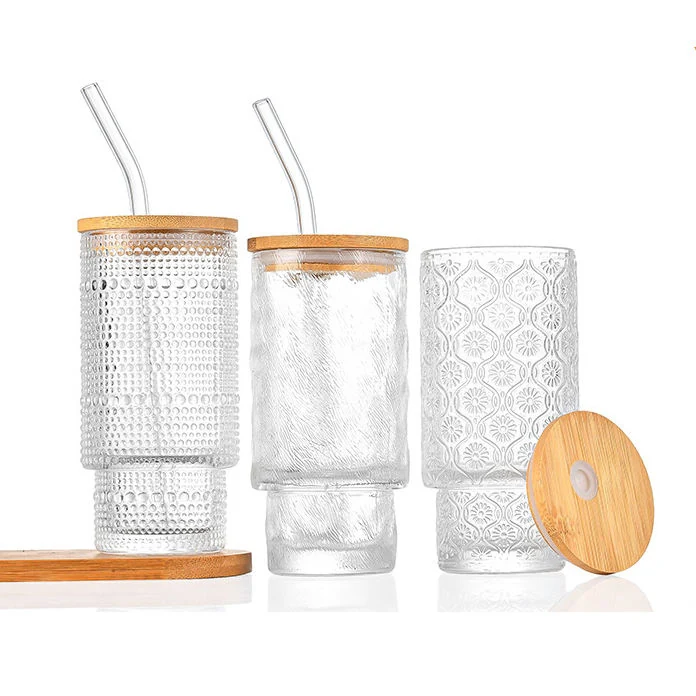
This event takes place annually in Monterrey and spans several days of exhibits and seminars. Manufacturers present new products, find suppliers for raw materials, and explore quality control tools. The sessions on automation and energy efficiency are particularly useful for glassware companies aiming to reduce costs and improve output.
Highlights of Expo Manufactura include live demos of equipment, panel discussions on manufacturing trends, and networking lounges that help small producers get buyer leads. Seminars on export compliance and sustainability are also key attractions for growing glassware firms. It is a place where connections turn into business deals.
Ambiente Frankfurt (Mexico Buyers Segment)
Ambiente in Frankfurt, Germany is one of the world’s largest consumer goods fairs, and Mexican glassware manufacturers often participate in the Mexico Buyers Segment. Although the main event is overseas, I have followed reports and experiences from Mexican firms that take part. They showcase glassware to international buyers who focus on tabletop, kitchen, and decorative items.
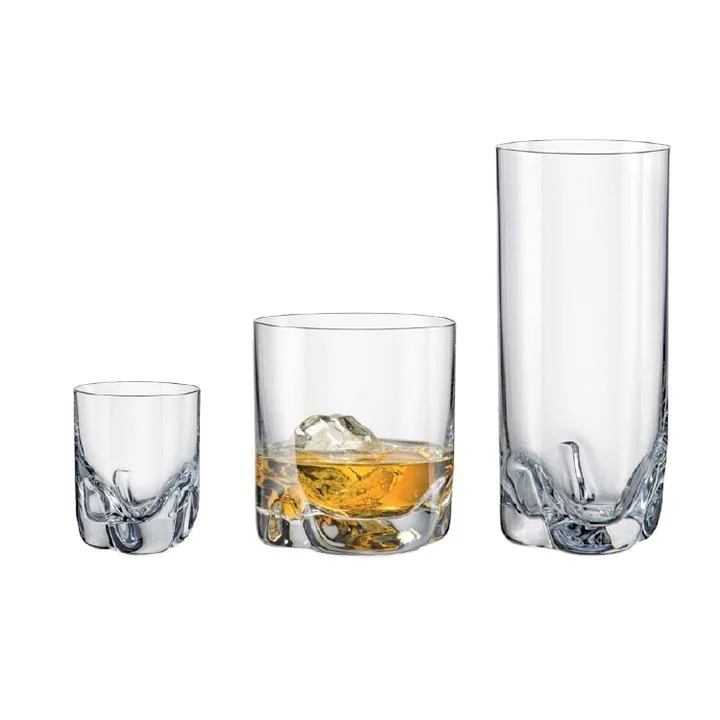
This trade show occurs every year in February and draws exhibitors from around the world. Mexican companies use it to benchmark design trends and secure export deals. The event includes product displays, trend briefings, and matchmaking sessions with retail buyers.
Standout aspects of Ambiente include themed pavilions, design awards, and curated buyer tours. For Mexican glassware brands, attending this global event enhances visibility and expands market reach. The opportunity to meet European and Asian buyers in one setting is a major benefit.
| Event | Date | Location | Highlights |
|---|---|---|---|
| Expo Manufactura | Annual (Spring) | Monterrey, Mexico | Industry exhibits, automation demos, networking lounges |
| Ambiente Frankfurt | February | Frankfurt, Germany | Global buyer access, trend showcases, design awards |
Part 4: Impact of Global Trade Policies
Global trade policies shape the way Mexican glassware manufacturers compete internationally. Trade agreements like USMCA allow Mexican producers to export to the U.S. and Canada with reduced tariffs, which boosts competitiveness. This access has helped many mid-sized firms expand their export base. However, changing tariff landscapes and enforcement practices can still create uncertainty. Steel and aluminum tariffs, for example, affect glass production indirectly through the cost of machinery and energy inputs.
Regional trade agreements and bilateral partnerships with the European Union and Latin American countries also influence market dynamics. Mexico’s network of free trade agreements opens doors for glassware exports to many countries with favorable terms. But compliance with different standards means manufacturers must invest in certifications and testing. This is manageable for larger firms but can be a hurdle for smaller workshops that lack resources for complex compliance processes.
Supply chain risks have been highlighted by disruptions in global logistics and fluctuating freight costs. Manufacturers face longer delivery times and higher shipping expenses, especially for exports beyond North America. Some firms mitigate these risks by increasing inventory and using nearshoring strategies to serve U.S. markets more reliably. Nearshoring has become a strategic focus, as companies aim to shorten supply chains and reduce exposure to global bottlenecks.
International competition is another major factor as glassware producers from China, Europe, and India vie for the same buyers. Mexican manufacturers often compete on quality and proximity to the U.S. market, but price pressures remain. Companies emphasize design differentiation and bespoke services to maintain an edge. By focusing on craftsmanship and export readiness, Mexican glassware makers find niches where mass-produced imports cannot match their offerings.
Part 5: Conclusion
The glassware manufacturing sector in Mexico presents a landscape full of opportunity as demand grows both locally and internationally. With supportive trade agreements, proximity to major markets, and a mix of tradition and innovation, Mexican producers are well placed to expand. Continued investment in quality systems and design capabilities will help companies differentiate in crowded global markets.
At the same time, challenges remain around compliance costs, logistical disruptions, and intense global competition. Smaller firms must navigate certification requirements and supply chain volatility to remain competitive. But with strategic focus and connection to international buyers through trade shows and networks, Mexico’s glassware manufacturers can continue to grow and succeed.