Skip to content
Part 1: Market Size and Growth
The glassware manufacturing sector in Mongolia is small but it is starting to change. For many years Mongolia depended on imported glass products from China, Russia, and other Asian countries because the local market did not have many factories that could produce glassware at scale. In recent years, there has been a shift as local companies and small workshops have started to explore manufacturing simpler glass products to meet demand in the domestic market. Growth in construction, hospitality, and retail sectors has driven a modest rise in use of glass products, and this increase has created space for Mongolian glassware makers to grow.

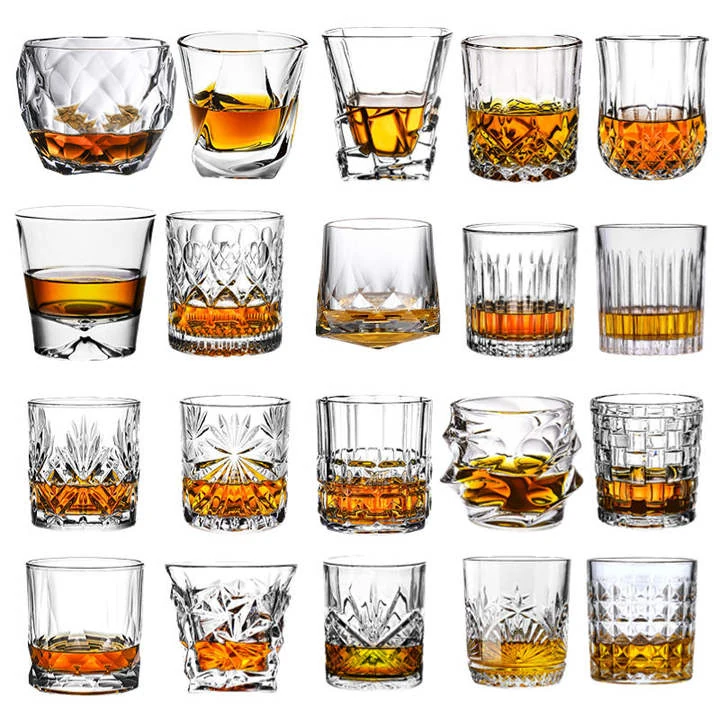
The market for glassware in Mongolia covers many product types, including drinkware like cups and tumblers, household items like jars and vases, and architectural glass for buildings. Even though consumption of glassware per person is still low compared to larger economies, the trend shows steady growth as more Mongolian consumers seek quality products for homes and businesses. The limited size of the market means local producers often focus on niche segments or custom orders rather than mass production. This has helped small manufacturers build relationships with local hotels, cafes, and retailers that want tailored designs and local service.
Policies on manufacturing and industrial support in Mongolia have had mixed effects. Government policies have aimed to diversify the economy beyond mining, which creates opportunities for light manufacturing like glassware, but the support mechanisms are still developing. There have been efforts to improve trade infrastructure and reduce barriers for raw material imports, which is key because local glass producers often depend on imported raw materials like silica sand and soda ash. At the same time, Mongolia’s trade agreements influence how competitive imported glassware is versus locally produced products. Investments by local entrepreneurs and rising interest from small business owners have helped create clusters of glass workshops in urban areas like Ulaanbaatar and Darkhan, where producers share knowledge and sometimes resources.
Part 2: Leading Companies
Erdene Glass Works
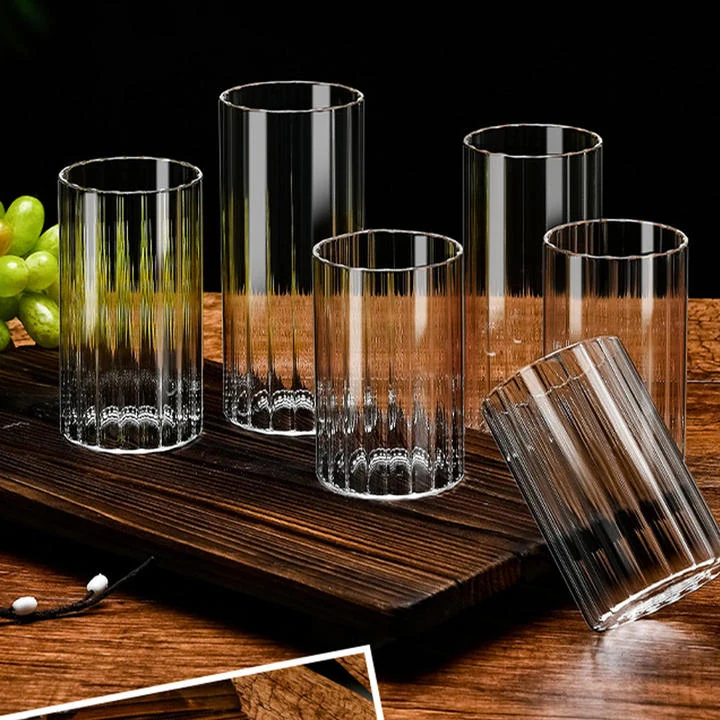
Erdene Glass Works is one of the earliest modern glass producers in Mongolia. It was founded in the early 2010s by a group of engineers and designers who wanted to build local expertise in glassmaking, and they chose Ulaanbaatar as their base because of the city’s growing commercial demand. The company started with small workshops and gradually expanded its capabilities to include both handcrafted and semi-automated production lines. Erdene Glass Works produces a range of drinkware, decorative glass items, and custom architectural panels.
The company’s products are sold to retailers, hotels, and individual customers across Mongolia. Erdene Glass Works focuses on quality and design, working closely with clients who want custom logos or artistic glass pieces. The company’s artisans combine traditional glassblowing techniques with modern design trends to create products that appeal to both local tastes and export opportunities. In the last few years, Erdene has established partnerships with local interior designers to supply glass elements for cafes and boutique shops.
Erdene’s key industries include hospitality, retail, and interior design. They are known for focusing on small batches and bespoke orders rather than mass production. Their technical strengths lie in detailed craftsmanship and the ability to produce artistic pieces that larger manufacturers often overlook. Erdene Glass Works has won local design awards and been featured in regional craft exhibitions, adding to its reputation as a leader in Mongolia’s emerging glass sector.
Steppe Glass Creations
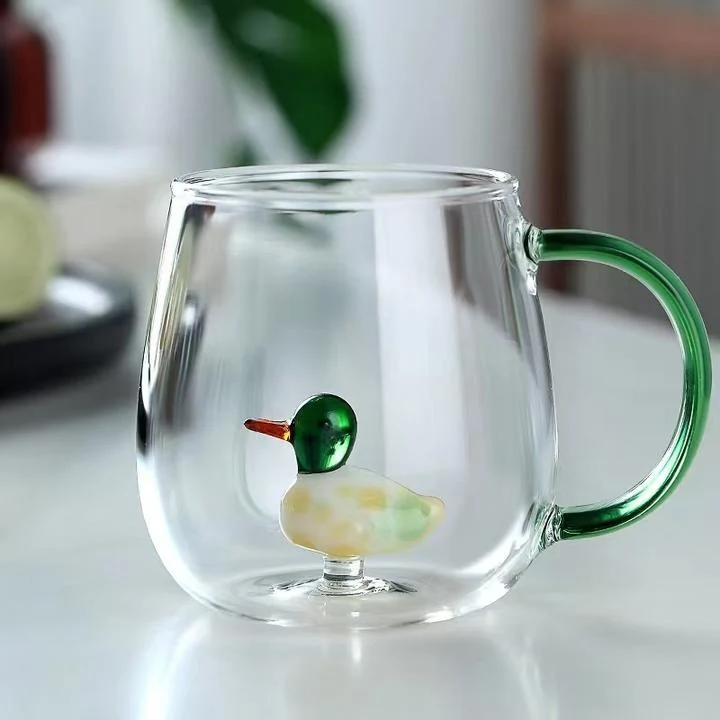
Steppe Glass Creations began as a small artisan studio in Darkhan in 2015. The founders were inspired by traditional Mongolian motifs and wanted to express these designs in glass products, creating a unique fusion of cultural heritage and contemporary glassmaking. Over time, the studio attracted attention from tourists, galleries, and boutique retailers interested in locally inspired glass art. Steppe’s portfolio includes drinkware, ornamental objects, and limited edition pieces that reflect Mongolian landscapes and symbols.
Steppe Glass Creations also partners with local tourism businesses to supply souvenirs that reflect Mongolian identity. For example, their handcrafted vases and decorative objects often feature patterns that refer to steppes, mountains, and nomadic culture. Even though Steppe is smaller in scale than industrial producers, its products fetch higher prices because of their artistic value and cultural significance. Clients who value unique design and cultural meaning often prefer Steppe’s glassware over mass-produced imports.
The company serves the tourism, retail, and cultural sectors. Steppe Glass Creations emphasizes artisanal methods, including hand-blown glass and detailed surface work, which set it apart from competitors. Their work has been showcased in regional craft fairs, and they have won recognition from arts organizations for preserving cultural themes in modern glasswork. Steppe continues to grow by building a loyal customer base that appreciates craftsmanship and cultural storytelling.
Gobi Glass Industries
Gobi Glass Industries is a more recent entrant focused on industrial and commercial glass products. Founded in 2018 by a group of business professionals with experience in manufacturing, the company aims to scale up production to meet rising demand for architectural glass and industrial glass components. Based in Ulaanbaatar’s industrial zone, Gobi Glass has invested in larger furnaces and cutting equipment to produce flat glass, tempered glass, and insulated glass units for construction projects.
Gobi’s growth has been tied to Mongolia’s expanding real estate and construction sectors. Builders and developers have increasingly sought local glass suppliers to reduce reliance on imports and shorten delivery times, which has benefited Gobi. The company also supplies glass for office buildings, apartments, and retail spaces. Gobi’s services include cutting, tempering, and finishing glass panels to required specifications. Their technical edge comes from modern machinery and production processes that support higher output and consistent quality.
The industries Gobi serves include construction, architecture, and industrial fabrication. Gobi Glass Industries has earned quality certifications for its tempered and laminated glass products, which helps reassure clients about safety and performance standards. The company participates in trade shows and industry events to showcase its capacity and network with contractors and architects. Gobi continues to invest in automation to expand capacity and reduce production time, helping Mongolia’s construction market rely more on local glass supply.
| Company | Founded | Core Products | Industries | Certifications |
|---|---|---|---|---|
| Erdene Glass Works | 2010s | Drinkware, Decorative Glass | Hospitality, Retail, Interior Design | Local Design Awards |
| Steppe Glass Creations | 2015 | Hand-blown Drinkware, Art Objects | Tourism, Retail, Culture | Arts Organization Recognition |
| Gobi Glass Industries | 2018 | Architectural Glass, Tempered Panels | Construction, Architecture, Industrial | Quality Certifications for Glass Panels |
Part 3: Trade Shows and Industry Events
Mongolia Manufacturing Expo
The Mongolia Manufacturing Expo is one of the few events that highlight local producers, including glassware manufacturers. It takes place each year in Ulaanbaatar and brings together companies from across light and heavy manufacturing sectors. The event spans several days and attracts factory owners, designers, buyers, and policymakers, creating space for dialogue about industry challenges and solutions. Exhibitors showcase products, machinery, and new technologies.
Visitors to the expo can attend demonstrations, panel discussions, and networking sessions. Glassware manufacturers use the platform to show their latest designs and connect with potential partners. Whether it is handcrafted artisan pieces or industrial glass solutions, exhibitors find opportunities to grow their market. The event also features seminars on improving production quality and managing supply chains, which are valuable for smaller companies that seek to scale.
The highlight of the expo is the live demonstration area, where companies display how products are made and answer questions from the public. For international buyers interested in Mongolian glassware, the expo offers a rare chance to meet makers face to face and understand local capabilities. Many participants report new business leads after the event, making it a key date in the industry calendar.
Ulaanbaatar International Trade Fair
The Ulaanbaatar International Trade Fair is a broader event that includes imports and local products across many categories, such as food, textiles, and home goods. Glassware manufacturers participate to reach wider audiences beyond the manufacturing niche, especially retailers and distributors looking for new products to sell. The fair features hundreds of booths and attracts local consumers, business buyers, and government delegations.
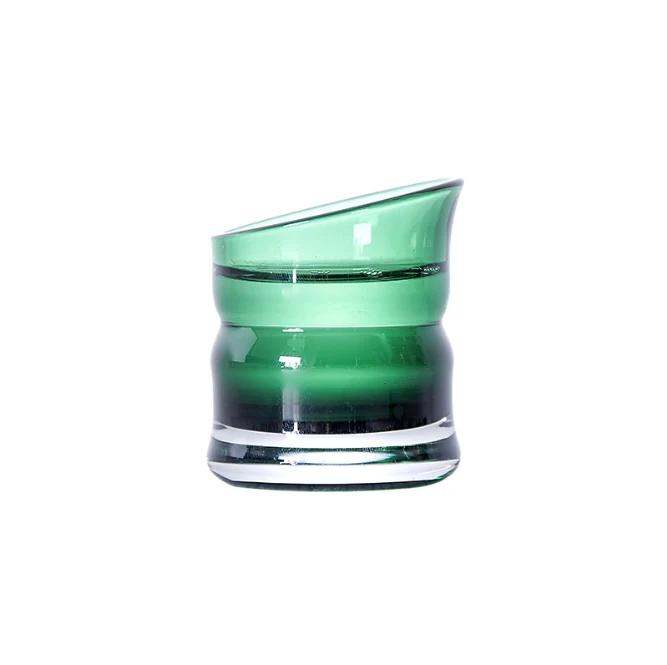
At this trade fair, glass producers often collaborate with home goods sellers to present coordinated displays of products. This increases visibility for glassware and helps companies test consumer response to new designs. Events like this also include business matchmaking sessions where producers can meet importers and exporters interested in trading glassware products.
The highlights include themed days focused on home living and sustainability, which resonate with consumers who care about design and environmental impact. For smaller manufacturers, the fair offers insights into trends and competitor products from other countries, helping them adapt and innovate.
| Event | Date | Location | Highlights |
|---|---|---|---|
| Mongolia Manufacturing Expo | Annual (varies) | Ulaanbaatar | Live demos, networking, industry panels |
| Ulaanbaatar Int’l Trade Fair | Annual (varies) | Ulaanbaatar | Broad market reach, business matchmaking |
Part 4: Impact of Global Trade Policies
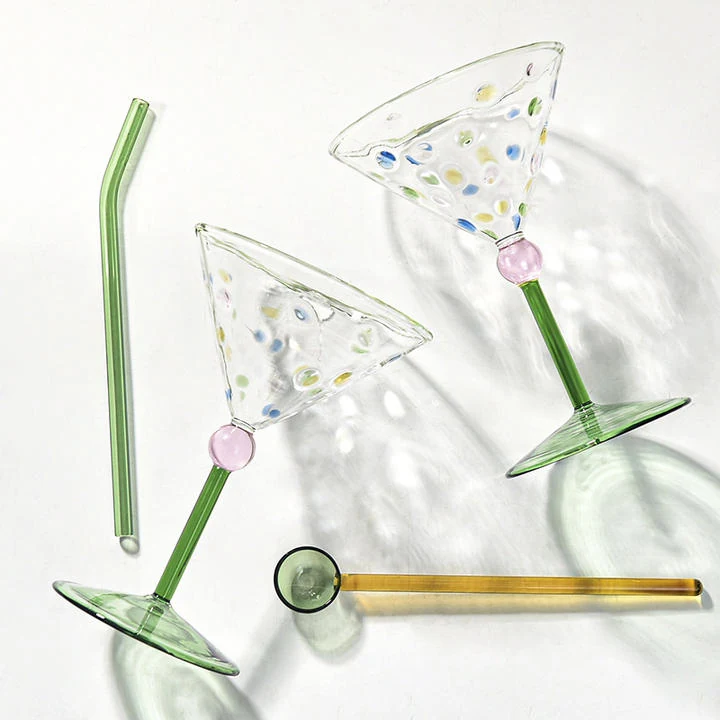
Global trade policies shape opportunities and challenges for Mongolian glassware makers. Mongolia is a landlocked country, which means trade costs are heavily influenced by agreements with neighboring countries like China and Russia, as well as transit arrangements with others. Import tariffs on raw materials can raise production costs for local manufacturers, making it harder to compete with imported finished products. On the other hand, trade agreements that reduce tariffs on exports can help local producers reach new markets, particularly in nearby Central Asian regions.
International competition also plays a big role in the sector. Imported glassware from China, South Korea, and Europe often arrives at lower prices because those countries have more advanced production infrastructure and economies of scale. This puts pressure on Mongolian companies to differentiate through design, customization, and local service. Trade policies that encourage foreign direct investment could bring new technologies and expertise into Mongolia, helping local firms upgrade their capabilities. However, such policies must be balanced with protections for emerging local industries that need support to grow.
Supply chain risks also emerge from global trade dynamics. Any disruption in international logistics, such as changes in fuel prices or border regulations, affects raw material imports and delivery of finished products. Mongolia’s glass producers must navigate these uncertainties while managing costs and timelines. At the same time, global interest in sustainable and artisanal products provides opportunities. Producers who market their glassware as locally made, culturally inspired, or eco-friendly can appeal to niche markets abroad and domestically.
Part 5: Conclusion
The glassware manufacturing landscape in Mongolia is modest in size but filled with potential. Local producers like Erdene Glass Works, Steppe Glass Creations, and Gobi Glass Industries show that it is possible to build capacity and find market niches even in a country without a long history of industrial glassmaking. Opportunities lie in custom design, cultural expression, and supplying growing sectors like hospitality and construction. Trade shows and economic trends suggest that interest in local glass products will continue to rise.
At the same time, challenges remain. Competition from imports, trade policy uncertainty, and the high cost of raw materials make scaling difficult for many local manufacturers, especially those without access to advanced technology or capital. Continued support for industrial development, improved trade infrastructure, and strategic positioning in export markets will be important for the sector’s future growth. Despite these obstacles, Mongolia’s glassware makers are carving out a unique space in the market, blending craftsmanship with emerging industrial capability.