Skip to content
Part 1: Market Size and Growth
Montenegro, a small yet stunning Balkan country, has recently begun seeing growth in its glassware market. Historically, Montenegro has had a limited production capacity in glass manufacturing, relying heavily on imports from surrounding countries. But things are slowly changing as local demand for quality glassware is on the rise. The country’s hospitality and retail sectors have created a niche market for glass products ranging from everyday items like drinking glasses to more specialized pieces such as wine glasses and decorative items.

The market for glassware in Montenegro is still relatively small, but it shows great promise. As tourism and dining industries grow, the demand for high-quality glass products, especially for hospitality purposes, continues to increase. Whether it's hotels, restaurants, or cafes, the local market seeks functional yet aesthetically pleasing glassware. However, the market is still very much shaped by imports from nearby countries like Croatia, Serbia, and Italy. Still, there's an emerging trend where Montenegrin businesses are beginning to invest in local glass manufacturing capabilities.
In recent years, government support and foreign investments have brought attention to developing the local glass manufacturing industry. While there are still significant challenges such as the lack of advanced infrastructure and technology, the opportunities for growth remain robust. With the right policy frameworks and industry collaboration, local glassware manufacturers could flourish. Montenegro's location, its increasing tourism sector, and the growing demand for personalized glassware make it a promising place for this industry to expand in the coming years.
Part 2: Leading Companies
Podgorica Glassworks

Podgorica Glassworks, located in the capital city, is one of the leading glass manufacturing companies in Montenegro. Established in 2003, the company has carved out a significant position within the local market. It specializes in manufacturing functional glass products such as drinking glasses, wine glasses, and containers. Their production line is centered around custom designs and unique products for the hospitality and retail sectors.
What sets Podgorica Glassworks apart is its ability to deliver both large-scale orders and small custom batches, meeting the needs of local businesses while maintaining quality. The company operates with a high level of precision and flexibility, ensuring that it can produce items tailored to specific customer preferences. Their products are widely used in cafes, restaurants, and hotels, where both form and function are crucial.
In terms of innovation, Podgorica Glassworks is looking to expand its product lines and improve manufacturing processes. They are currently investing in more modern equipment to increase production efficiency and reduce costs. This is expected to help them compete more effectively in the growing Montenegrin market, especially as demand for higher-end glassware increases.
Montenegrin Glass Co.
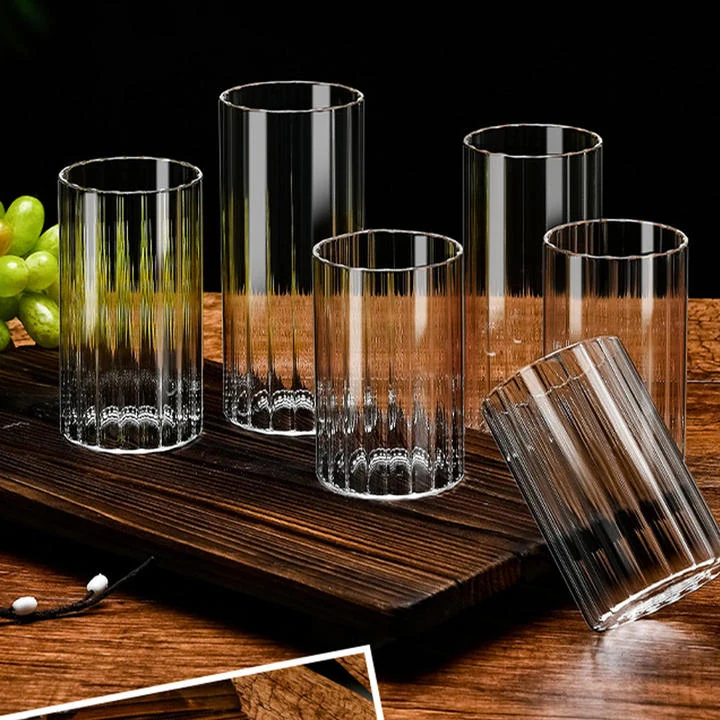
Montenegrin Glass Co., a family-owned business founded in 1990, has a long history of producing glassware for both the local market and international clients. The company is renowned for its commitment to quality and craftsmanship, specializing in hand-blown glass items, including decorative vases, bowls, and custom glass gifts. Their products combine traditional techniques with modern designs, making them stand out in the marketplace.
The company has a diverse portfolio, offering a wide range of glass products for both everyday use and special occasions. Their glassware is popular among locals, as well as foreign tourists looking for unique Montenegrin souvenirs. Montenegrin Glass Co. places great emphasis on environmental responsibility, with all their glass products being made from recycled materials whenever possible. This eco-friendly approach is increasingly appreciated by the growing segment of consumers who are prioritizing sustainability.
Montenegrin Glass Co. continues to innovate by exploring new designs and adapting to international market demands. Their participation in global trade fairs and ongoing partnerships with international distributors has positioned them as a reputable name in the high-end glassware market. As the company seeks to expand, they plan to enhance their product line further by incorporating modern glass technologies.
Boka Bay Glassworks
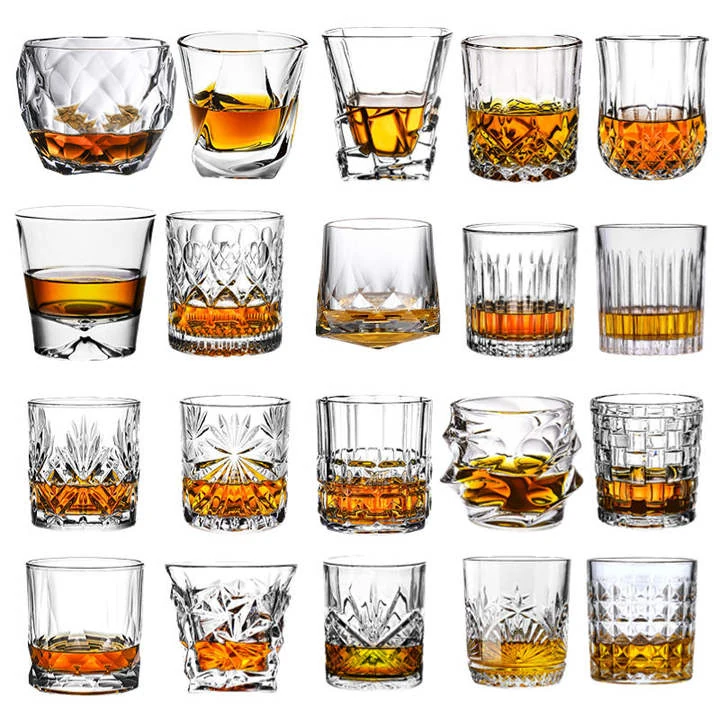
Located in the picturesque Boka Bay region, Boka Bay Glassworks is known for its artisan glassware. Founded in 2015, the company was established by a group of passionate artisans who wanted to bring their traditional glass-blowing skills into the modern market. Today, Boka Bay Glassworks is famous for creating handmade glass pieces that blend traditional craftsmanship with contemporary design.
The company specializes in luxury glass items, particularly decorative art glass such as sculptures, vases, and chandeliers. Each piece is crafted with great attention to detail, making them highly sought after by collectors and interior designers. The company has quickly built a niche following among high-end hotels and exclusive boutiques looking for unique glass pieces to enhance their spaces.
Boka Bay Glassworks continues to focus on product innovation by experimenting with different glass-making techniques and materials. They are particularly known for their use of vibrant colors and innovative designs that set them apart from mass-produced glassware. By emphasizing handcrafted quality, Boka Bay Glassworks maintains a strong reputation in the luxury glass market.
| Company | Founded | Core Products | Industries | Certifications |
|---|---|---|---|---|
| Podgorica Glassworks | 2003 | Drinking glasses, containers | Hospitality, Retail | Local certification |
| Montenegrin Glass Co. | 1990 | Hand-blown glassware, vases, bowls | Retail, Souvenir | Eco-friendly |
| Boka Bay Glassworks | 2015 | Art glass, sculptures, chandeliers | Art, Luxury Retail | Handmade certification |
Part 3: Trade Shows and Industry Events
Montenegro Glass Expo
The Montenegro Glass Expo is an annual trade event that takes place in Podgorica. It brings together glass manufacturers, designers, and distributors from across the region to showcase their latest products. This event is particularly popular among local artisans and small-scale producers who want to present their handcrafted glassware to potential buyers and partners.
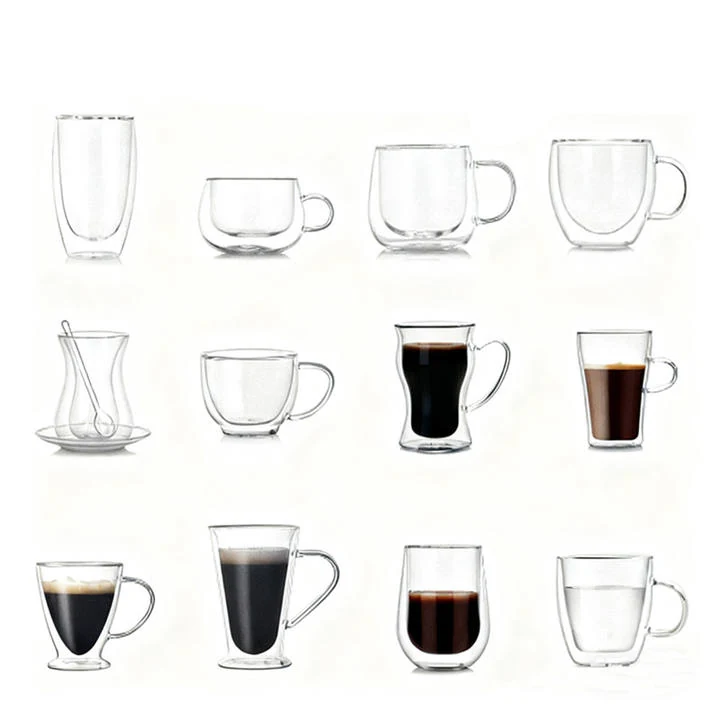
The Montenegro Glass Expo typically takes place in June, attracting a diverse group of exhibitors and visitors, including representatives from international glassware brands and industry professionals. One of the highlights of the event is the live demonstrations of traditional glass-making techniques, which offer visitors a chance to see firsthand how Montenegrin glass artisans create their pieces. The expo also hosts a number of workshops on glass manufacturing processes, providing valuable educational content for those in the industry.
Balkan Glass and Ceramics Fair
Another important event is the Balkan Glass and Ceramics Fair, which is held annually in Belgrade, Serbia, but attracts many Montenegrin glass manufacturers. The fair is one of the largest events in the region dedicated to the glass and ceramics industries, providing a platform for manufacturers and designers to showcase their products to a broader international audience.
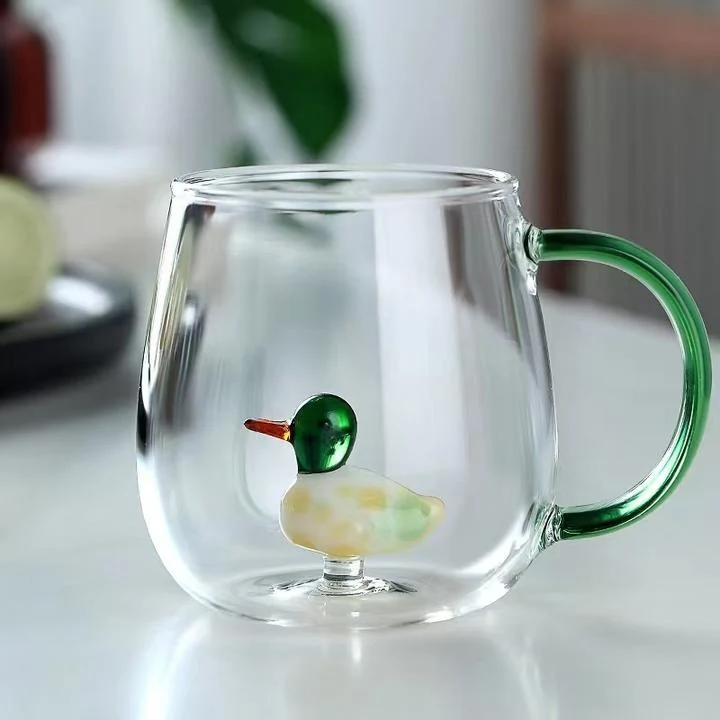
This event, usually held in September, draws exhibitors from countries across the Balkans and beyond. The fair features an impressive range of glassware products, including everything from decorative glass to industrial glass items. Workshops and conferences held during the fair also offer valuable opportunities for networking and industry collaboration.
| Event | Date | Location | Highlights |
|---|---|---|---|
| Montenegro Glass Expo | June | Podgorica | Live demos, workshops, artisan showcases |
| Balkan Glass and Ceramics Fair | September | Belgrade | Product showcase, international networking |
Part 4: Impact of Global Trade Policies
Global trade policies play a crucial role in shaping Montenegro's glass manufacturing industry. As the country relies heavily on imports for raw materials like glass and specialized equipment, trade agreements and tariffs can directly impact local production costs. Increased trade barriers or shipping delays from global markets can significantly affect the timely availability of materials needed for production.
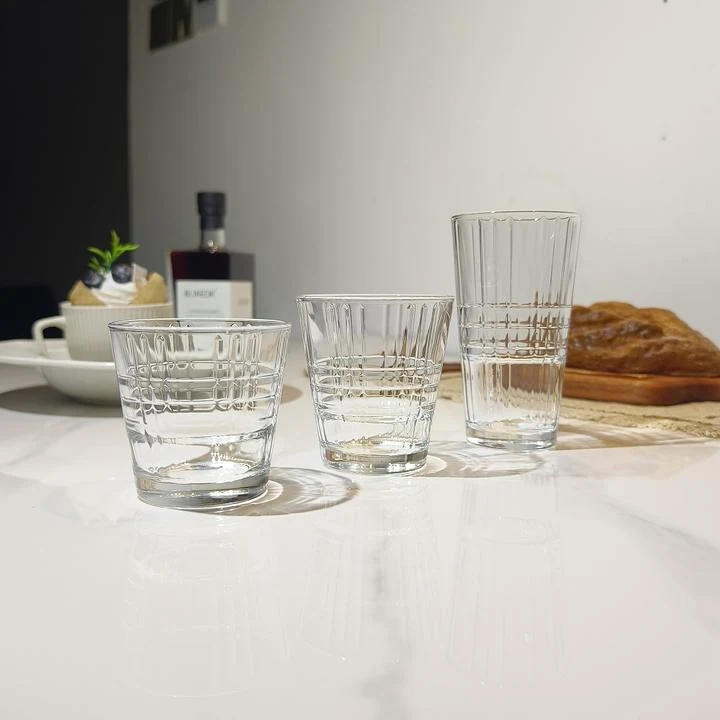
Supply chain risks are also a significant concern for Montenegrin glass producers. Due to limited local production of raw glass and manufacturing tools, companies are often dependent on foreign suppliers. This reliance can result in disruptions due to global events, such as changes in trade agreements or geopolitical tensions. However, the growing trend toward local production and eco-friendly practices offers opportunities for Montenegrin companies to reduce dependency on imports and develop more resilient supply chains.
International competition is another challenge facing Montenegrin manufacturers. Global glassware brands from countries like Italy, Germany, and China dominate the industry, offering products at lower prices due to economies of scale. However, the niche market for handcrafted and high-quality glass in Montenegro offers an opportunity for local businesses to differentiate themselves and grow by focusing on quality and unique designs.
Part 5: Conclusion
The glassware manufacturing industry in Montenegro is still in its early stages but shows significant promise. As tourism continues to grow and demand for unique glassware increases, there are ample opportunities for local companies to develop. By embracing new technologies and focusing on innovation, Montenegro’s glassware sector can carve out a strong position within the broader regional market.
However, there are still several challenges that companies must address. Access to raw materials, reliance on imports, and global competition remain barriers to growth. With continued investment in local manufacturing infrastructure and policy support, the glassware industry in Montenegro could become a key player in the region's manufacturing sector.