Skip to content
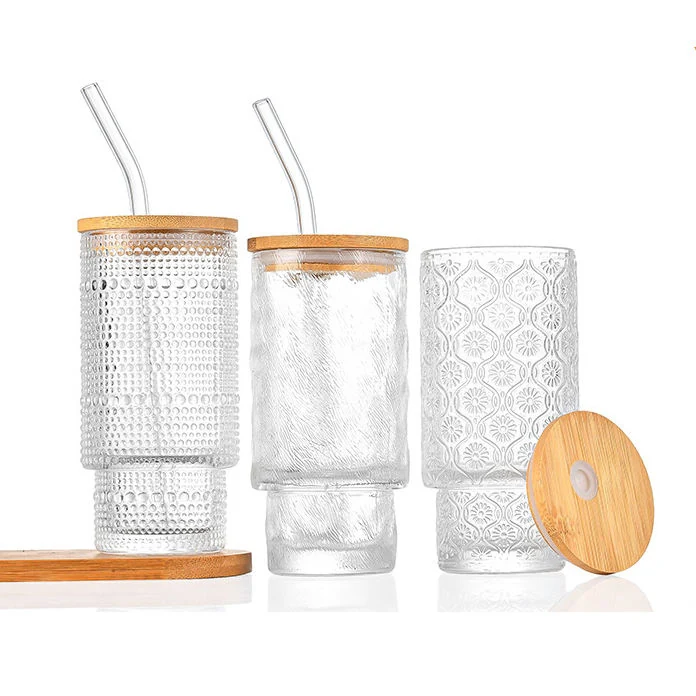
Part 1: Market Size and Growth
Background and Trends
The glassware market in New Zealand has been evolving slowly but steadily over the past decade. Small local makers and imported products now compete for attention in homes, cafes, and restaurants alike. Consumers are looking for pieces that are both functional and beautiful, and that often come with stories about how they were made. As more people care about sustainability, the demand for durable and recyclable glass items has grown.
Many New Zealand designers draw on local culture and nature for inspiration. They make pieces that reflect light, color, and texture in ways that celebrate the unique landscape. This has helped boutique glassware makers find a place in export markets too. While large-scale production is still limited compared to bigger countries, the blend of craft and modern design fuels interest.
The growth in the sector also ties to tourism and hospitality. Cafes, bars, and hotels increasingly choose local glassware to support domestic makers. This trend has driven more collaborations between designers, makers, and local businesses. It also reflects a broader move toward supporting homegrown products as part of national identity.

Market Size and Applications
The total market for glassware in New Zealand is a mix of imported and locally made goods. Because the country has a relatively small population, local manufacturers often serve niche segments rather than mass markets. Even so, the value of locally produced glassware has risen as consumers pay more for quality and design. In retail spaces, boutique shops and galleries showcase New Zealand glass alongside other local crafts.
Applications of glassware range widely. Everyday drinkware such as tumblers and wine glasses remain staples in many households. At the same time, custom pieces for weddings, corporate gifts, and special events have become important for makers. Art glass pieces also play a key role, attracting collectors and tourists alike.
Cafes and restaurants increasingly look for unique glassware to set themselves apart. Specialty bars may select hand-blown spirits glasses that enhance the drinking experience. Hospitality clients often value sets that fit specific themes or brand identities. Custom orders from such clients provide a steady source of work for some manufacturers.
Policy, Investment, and Industry Clusters
Government and regional policies in New Zealand have historically focused more on agriculture and tech industries. Yet there are programs and grants that support small creative businesses, including glassmakers. Funding helps makers invest in equipment, training, and design development. Initiatives from local councils sometimes facilitate workshops and joint promotion among artisans.
Investment in this sector is more modest compared to larger manufacturing industries. Still, creative hubs like Auckland, Wellington, and Nelson foster communities where glass artists can share spaces, tools, and ideas. These clusters help reduce costs and encourage innovation. Collaboration with designers and craftspeople from other fields also adds value.
Export assistance programs sometimes help makers reach overseas markets. New Zealand’s reputation for quality and creativity helps attract interest abroad, though logistical costs can be a barrier. Trade shows and online platforms extend reach beyond the domestic market. Overall, the combination of local pride, creative energy, and targeted support contributes to a dynamic, if small, sector.
Part 2: Leading Companies
Fletcher Glass Works
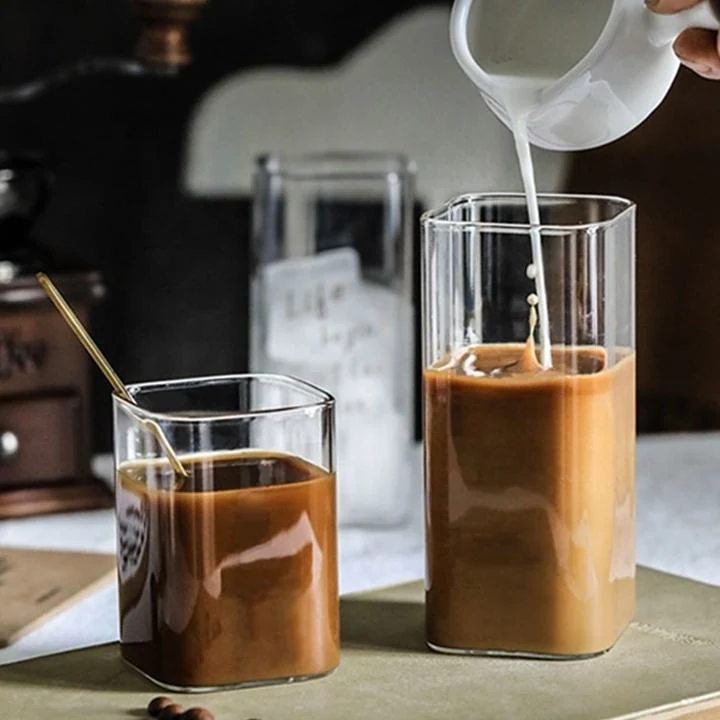
Fletcher Glass Works is one of the longest-running glassmakers in New Zealand. The company began many years ago as a family enterprise focused on handcrafted items. Its deep roots in traditional glassblowing techniques give it a strong reputation for quality. Over time, it has blended classic methods with contemporary design trends to meet modern demands.
The company produces a range of drinkware, decorative pieces, and bespoke sets. Rather than making large volumes, it focuses on limited runs with attention to detail. Each piece carries a sense of individuality that appeals to customers who want something special.
Fletcher’s products often draw on local motifs and landscapes, which helps them stand out. They sell to galleries, boutique shops, and hospitality venues across New Zealand. Crafting custom pieces for weddings and events has become a key service. The company has also won design awards that highlight its commitment to both form and function.
Southern Glass Studio
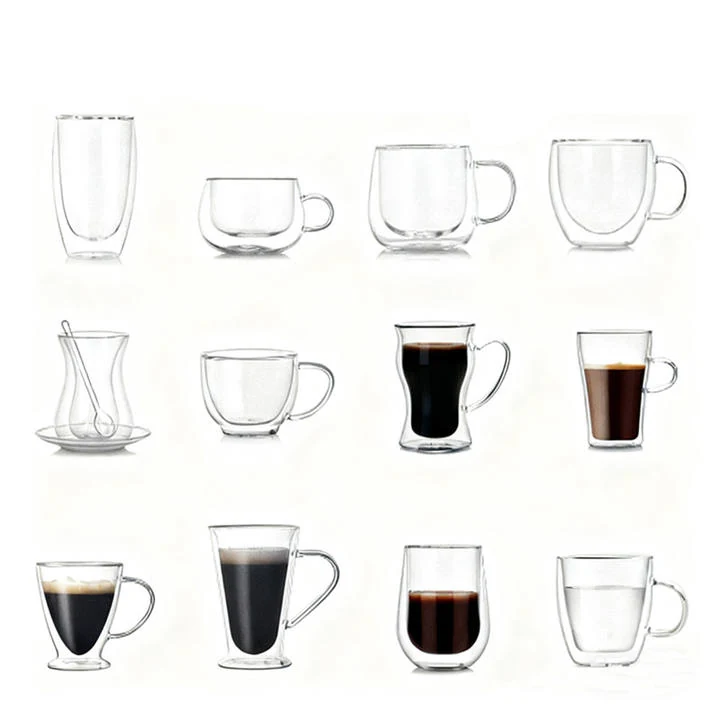
Southern Glass Studio is known for its contemporary aesthetic and innovative approach. Founded by a group of artists who wanted to push the boundaries of glass as an art form, it has grown into a respected maker. The studio blends art and utility, producing pieces that are both beautiful and practical.
Their product line includes elegant drinkware, artistic vases, and sculptural pieces that capture light in striking ways. The studio also runs workshops to teach glassblowing and design to the next generation. Sharing expertise has helped build a community around the craft.
Southern Glass Studio partners with interior designers and local brands. They customize sets for cafes and boutique hotels seeking distinctive tableware. Innovation is at the heart of their work, often using bold colors and modern shapes. The studio’s pieces have been featured in exhibitions and design publications.
Kiwi Craft Glass
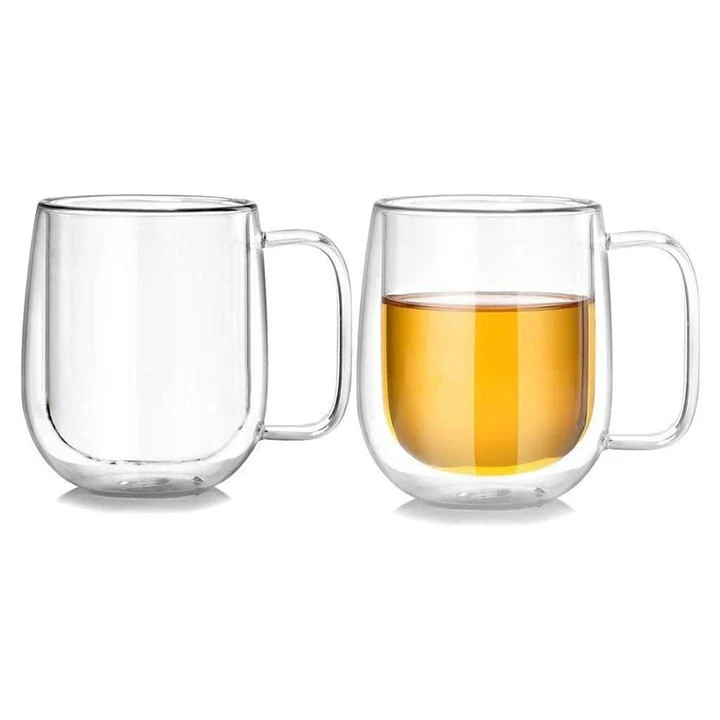
Kiwi Craft Glass focuses on blending traditional craftsmanship with modern techniques. It began as a small studio in a coastal town and expanded through word of mouth and local demand. The founders believed that quality should never be compromised for volume, and that ethos remains central.
Their range covers everyday glassware like tumblers and wine glasses as well as more artistic offerings. Kiwi Craft Glass pays attention to how pieces feel in the hand, believing that touch matters as much as looks. This focus on user experience has built strong customer loyalty.
In recent years, they have collaborated with local artists to produce limited edition series. These collaborations bring fresh perspectives and help keep the product line dynamic. Such partnerships make the Kiwi Craft Glass name familiar in design circles beyond New Zealand.
Comparative Table of Leading Companies
| Company | Founded | Core Products | Industries | Certifications |
|---|---|---|---|---|
| Fletcher Glass Works | Mid-20th c. | Hand-blown drinkware | Retail, hospitality, art | Local design awards |
| Southern Glass Studio | Early 2000s | Contemporary glassware | Art galleries, cafes | Art exhibition features |
| Kiwi Craft Glass | Late 1990s | Everyday & art pieces | Home décor, gifts | Design collaboration recognition |
Part 3: Trade Shows and Industry Events
NZ Glass Expo
This annual event brings together glassmakers, designers, and retailers from across the country. NZ Glass Expo celebrates both craft and innovation in the glass sector. It attracts established makers and emerging artists, creating space for networking and sales. The event includes demonstrations, talks, and showcases of new work.
Many visitors attend to see trends and discover new talent. The expo often features workshops where attendees can try glassblowing basics or learn about finishing techniques. These interactive elements help deepen understanding of the craft.
Exhibitors range from small independent makers to collaborative design studios. The event also invites international guests, adding global perspectives that enrich local practice. Hospitality buyers and interior designers often source unique pieces here. Photos from past expos show lively crowds and creative displays.
Creative Craft Week
Creative Craft Week is a broader celebration of crafts across New Zealand, and glassware plays a visible role. This multi-day festival highlights creativity in studios, galleries, and public spaces. It encourages makers of all types to open their doors and share processes with the public.
Glass workshops, demonstrations, and studio tours help raise awareness of how glassware is made. Visitors can meet makers, see techniques firsthand, and sometimes take home pieces created on the spot. This deepens appreciation for the time and skill involved.
Local communities across regions participate, making the event accessible beyond major cities. For glassmakers, it provides exposure to broader audiences and opportunities to sell directly to visitors. Creative Craft Week has become a highlight on the calendar for artists and craft lovers alike.
Event Summary Table
| Event | Date | Location | Highlights |
|---|---|---|---|
| NZ Glass Expo | Annual | Major cities (varies) | Glass showcases, workshops, design talks |
| Creative Craft Week | Annual week | Nationwide | Studio tours, demos, community engagement |
Part 4: Impact of Global Trade Policies
The glassware industry in New Zealand is small but affected by global trade policies. As a country that imports many goods, tariffs and trade agreements influence what reaches local shelves. When import costs rise, locally made glassware becomes more competitive. Conversely, free trade deals may make foreign products cheaper, which can challenge local makers.
Export opportunities also tie closely to trade agreements. Countries with reduced tariffs encourage New Zealand makers to explore international markets. Such policies can open doors but also demand higher standards and certifications. Navigating export regulations adds complexity for small producers.
Global supply chains for raw materials like silica and fuel also matter. International disruptions can raise costs for local makers who depend on imported inputs. This pushes some to seek local sources or adjust production methods. The balance between cost, quality, and sustainability becomes a key consideration.
Environmental regulations worldwide are shifting too. Glass manufacturers must consider energy use and emissions. In New Zealand, makers often highlight eco-friendly practices as part of their appeal. Cleaner production methods may attract conscious buyers both at home and overseas.
International competition brings challenges and opportunities. Local makers compete with large-scale producers from Asia and Europe. Yet New Zealand glassware’s unique designs and craftsmanship offer a niche that mass-produced items often lack. Building brands around quality and story helps differentiate local makers. Global policies will continue to shape how New Zealand glassware fits into the world market.
Part 5: Conclusion
The New Zealand glassware industry shows resilience and creativity. Local makers have carved out spaces where design, craft, and story matter. Growing interest from consumers who value handcrafted and sustainable products supports this trend. Small studios and individual artists drive innovation that resonates at home and abroad.
At the same time, challenges remain. International competition, trade policy shifts, and cost pressures test the industry’s adaptability. For local glassmakers to thrive, they must balance authenticity with market demands and operational realities. Opportunities lie in collaboration, innovation, and connection to global audiences who appreciate the art of glass.