Skip to content

Part 1: Market Size and Growth
The glassware industry in North Korea is a sector with unique characteristics. Being a largely closed economy, North Korea’s glass production caters to domestic needs rather than global export demands. The country's glassware industry has evolved to support both residential and industrial construction, along with daily-use glassware. It’s shaped by the broader political and economic context, where all production is controlled by state planning. Despite the challenges of international sanctions, the industry remains a critical part of the national infrastructure.
North Korea's glassware market, while not expansive by global standards, is crucial for local consumption. The production of construction glass, including window panes and façade glass, plays a significant role in the country’s infrastructure projects. At the same time, the domestic market for smaller glass items, such as bottles and kitchenware, is steadily growing. Companies like the Taean Friendship Glass Factory dominate the market, which remains focused on fulfilling domestic demand. Due to the closed nature of the economy, North Korea’s glassware sector doesn’t participate in international trade, which significantly impacts growth potential.
As with most industries in North Korea, the glassware sector is heavily influenced by state policies and investment strategies. These policies ensure that raw materials and production capacities are allocated in accordance with national priorities, often leading to industrial advancements that cater specifically to the government's long-term development plans. The growth of the glassware market is tightly linked to the country's efforts to improve its construction capabilities, with glass playing a pivotal role in urban development.
Part 2: Leading Companies
Taean Friendship Glass Factory
The Taean Friendship Glass Factory, established in 2005, is one of North Korea’s most important glass production facilities. Located near the city of Nampo, it was built with assistance from China, highlighting the country’s international partnerships, despite its isolation. The factory focuses primarily on producing plate glass for construction purposes, including windows and large glass sheets for building facades.
Taean’s products are integral to North Korea’s urbanization efforts. While the factory also manufactures smaller glass products, its focus on construction materials makes it one of the most crucial players in the industry. The facility’s production is closely tied to state-driven development projects, where glass products are used extensively in infrastructure and state-owned buildings. The factory's ability to reduce the country’s reliance on foreign imports of glass is considered a major achievement in North Korea’s self-reliance strategy.
Taean Friendship Glass Factory is known for its commitment to meeting the demand for large-scale glass production within North Korea. Despite being a relatively modern plant, it operates under strict state regulations, aligning with the country’s focus on achieving self-sufficiency in critical industries. Although the factory’s outputs are limited to the domestic market, its operation represents North Korea’s ongoing push to modernize and enhance industrial production.
Nampo Glass Bottle Factory

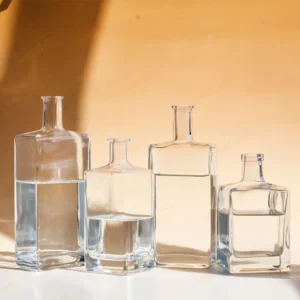
The Nampo Glass Bottle Factory is another key player in North Korea’s glass manufacturing landscape. Established in the early 2010s, it focuses primarily on producing glass bottles and containers. The factory supports North Korea’s food and beverage industries, producing bottles for liquids, beverages, and other smaller glass containers.
Nampo's glass production plays a crucial role in meeting domestic demand for packaging, particularly within the food and beverage sectors. The factory also produces smaller batches of specialized glassware, though its main focus remains on the large-scale production of bottles. This specialization in container glass has made the Nampo factory an essential facility for maintaining the local supply chain of glass products in North Korea.
The factory operates with modernized equipment and is part of the country’s broader strategy to sustain domestic industries and ensure that essential materials, such as glass bottles, are readily available for local use. While it does not export products, the factory’s continued operation signifies a healthy level of demand within North Korea’s domestic markets.
Pyongyang Glassworks Collective

In addition to large-scale factories like Taean and Nampo, smaller artisan glassworks can be found in urban areas like Pyongyang. These glassworks often specialize in creating custom glassware and smaller, decorative items for local consumption. While they are not as large or advanced as the state-run facilities, these smaller workshops fill niche demands, particularly for products such as decorative vases, glassware for cultural institutions, and replacement glass for various uses.
The Pyongyang Glassworks Collective represents a more localized and decentralized part of the glass industry. These small workshops produce bespoke glass items that the larger factories may not focus on, such as handcrafted glass vases, sculptures, and custom glass products. These collectives often serve local markets, offering a wide range of glass products not typically available from mass-production factories.
Despite their smaller scale, these workshops are a testament to North Korea's ability to produce high-quality, artisan glassware in-house. They cater primarily to local tastes and needs, contributing to the diversity of glass products available within the country.
| Company | Founded | Core Products | Industries | Certifications |
|---|---|---|---|---|
| Taean Friendship Glass Factory | 2005 | Plate glass, industrial glass | Construction | State-driven |
| Nampo Glass Bottle Factory | 2010 | Glass bottles, container glass | Food and beverage | Local certification |
| Pyongyang Glassworks Collective | Unknown | Custom glassware | Local markets | None available |
Part 3: Trade Shows and Industry Events
While North Korea is isolated from most global trade networks, it does occasionally host domestic trade events that showcase industrial achievements. These events are often not open to international participants, yet they are important for highlighting the country’s technological progress and industrial capacity.
Pyongyang International Trade Fair
Pyongyang hosts the International Trade Fair annually, a large-scale exhibition where North Korean industries, including glassware, present their products to local officials and potential partners. The event takes place in the capital and serves as a platform for showcasing industrial and consumer products, including glassware.
The fair typically takes place during the spring or autumn and is primarily attended by state officials and foreign diplomats. Although it’s not a commercial trade show, the Pyongyang International Trade Fair highlights North Korea’s industrial capabilities. In the case of glassware, products like window panes, bottles, and decorative items are often displayed, underscoring their importance in the country’s domestic economy.
The exhibition focuses on demonstrating the country’s self-reliance in manufacturing and its technological advancements, even in the face of economic sanctions. Glass manufacturers, such as Taean, often use the event to emphasize the country’s progress in glass production and showcase their key achievements in industrial output.
National Industry Week
National Industry Week is an event organized by the North Korean government to celebrate industrial achievements across various sectors, including glass manufacturing. This event is less formal than the Pyongyang International Trade Fair and focuses on the internal recognition of workers’ contributions and factory performance.
Held in various locations throughout the year, the event showcases local glass production milestones, including innovations in glass design and production techniques. The focus is primarily on domestic production and technological advancements that support self-sufficiency. Although these events are not intended for international exchange, they play a crucial role in promoting worker morale and reinforcing the country’s industrial objectives.
| Event | Date | Location | Highlights |
|---|---|---|---|
| Pyongyang International Trade Fair | Annual | Pyongyang | Industrial exhibits, including glassware |
| National Industry Week | Variable | Nationwide | Focus on local achievements in glass manufacturing |
Part 4: Impact of Global Trade Policies
Global trade policies, particularly international sanctions, have significantly affected the glassware industry in North Korea. Sanctions limit the country's access to modern production technology and raw materials, leading to reliance on outdated equipment and limited capacity for innovation. As a result, North Korean manufacturers often face challenges in improving efficiency and quality in production.

Despite these restrictions, North Korea has made strides to develop its local supply chains. By focusing on domestic raw materials and limiting imports, the country has created a more self-sufficient glass production environment. However, these efforts come with challenges, as access to higher-quality materials and advanced production techniques remains limited.
The global political climate also plays a significant role in North Korea’s industrial future. International sanctions and diplomatic isolation reduce opportunities for collaboration with external partners, which could have provided access to cutting-edge manufacturing techniques. This limitation is especially impactful in high-tech areas like optical and electrical glass production, where precision and advanced equipment are crucial for success.
Part 5: Conclusion
The glassware industry in North Korea remains largely focused on domestic production, catering to the country's construction, food, and beverage sectors. Despite the challenges posed by international sanctions, the industry continues to meet the needs of local markets. The growth of companies like Taean and Nampo demonstrates that North Korea has the capability to sustain its glass production, even under difficult conditions.
However, significant challenges lie ahead. Access to modern technology and the ability to compete in global markets remain limited, making it difficult for North Korea to fully capitalize on its industrial potential. Yet, the country’s emphasis on self-sufficiency and local production ensures that the glassware industry will continue to play an important role in its economic future.