Skip to content

Part 1: Market Size and Growth
Glassware manufacturing in Panama is at an early stage when compared to larger markets in Mexico, the United States, and Brazil, but it shows signs of slow growth and steady demand. Panama’s economy has expanded in recent years, driven by services, construction, and trade, and this has created more demand for glass products in hospitality, retail, and construction sectors. I first noticed this shift when visiting Panama City in early 2024 and seeing new restaurants and hotels prioritizing local suppliers for their glass needs.

Glass products in Panama range from everyday drinkware and containers to decorative pieces used in homes and businesses. The glassware market here includes items such as drinking glasses, bottles, jars, decorative pieces, and custom glass orders for specific hotels and restaurants. Over the past decade, Panama’s retail and hospitality sectors have gradually moved toward higher quality glassware as consumer expectations rise. Panama’s strategic location as a logistics hub also supports imports of raw materials like silica sand and soda ash, which are key inputs for glass production.
Government policies aimed at boosting local manufacturing have influenced glassware growth indirectly. In recent years, Panama has emphasized the need to reduce import dependency and grow local production, although glass manufacturing still relies heavily on imports of raw materials and finished goods. Investment in light manufacturing zones and special tariff incentives for local producers has attracted some interest, but Panama’s glass industry still lags behind countries with more established manufacturing bases. The rise of craft and artisanal glass producers has added to the diverse mix of glassware offerings available locally.
Part 2: Leading Companies
Vidriería Centroamericana S.A.

Vidriería Centroamericana S.A. is a well‑known name in Panama’s glass production landscape, with roots going back several decades. The company was founded to serve construction and decoration markets with both standard and custom glass solutions. Located near Panama City, this manufacturer grew by focusing on quality control and service, establishing local distribution channels for both corporate and retail customers.
Their product lineup ranges from architectural glass and tempered safety glass to finished drinkware and decorative glass items. They serve hospitality clients, building contractors, interior designers, and retail customers looking for bespoke glass solutions. Over the years, the company has invested in modern cutting and tempering equipment, which allows them to produce both large panels for construction and custom engraved drinkware.
Vidriería Centroamericana’s technical teams are known for their ability to work closely with architectural projects, ensuring glass products meet structural and aesthetic requirements. The company also offers custom design services for decorative and functional glass items that are popular in hotels and restaurants. In Panama’s small but growing glass market, this firm stands out for its blend of industrial capability and creative services.
Their certifications and recognitions are mostly local and tied to construction quality standards, reflecting Panama’s building codes. While not as extensively certified as larger global manufacturers, they maintain quality benchmarks relevant to their market. Over time, the company has built a reputation for reliability and responsiveness, which is crucial in Panama’s tight supply chain environment.
Cristales y Vidrios Panamá S.A.

Cristales y Vidrios Panamá S.A. represents a newer wave of glass producers that serve both consumer and industrial demands. Founded in the early 2000s, the company has steadily expanded its reach across Panama’s retail and industrial sectors. Based in a light industrial zone near Colón, they are well‑placed to serve major logistics routes and ship glass products across the isthmus.
Their range includes standard drinkware, industrial glass products, and specialized glass for commercial kitchens and laboratories. The company’s approach is to combine imported raw materials with local finishing, cutting, and assembly services, which allows them to stay cost competitive. In contrast to purely artisanal producers, they focus on volume and consistency, which appeals to larger clients like hotel chains and retail wholesalers.
Cristales y Vidrios has invested in quality management and production systems that help reduce waste and improve turnaround times. Their products often align with international standards even if formal certifications are limited. This focus on quality has helped them attract long‑term contracts with hospitality groups renovating properties within Panama.
Innovation at Cristales y Vidrios is visible in their range of tempered glass drinkware and laminated safety glass for architectural projects. They are exploring partnerships with designers to launch branded glass collections and limited edition pieces that appeal to upscale markets. While still focused on the Panamanian market, their strategic location also gives them a potential export edge to nearby Central American countries.
Panama Art Glass Studio
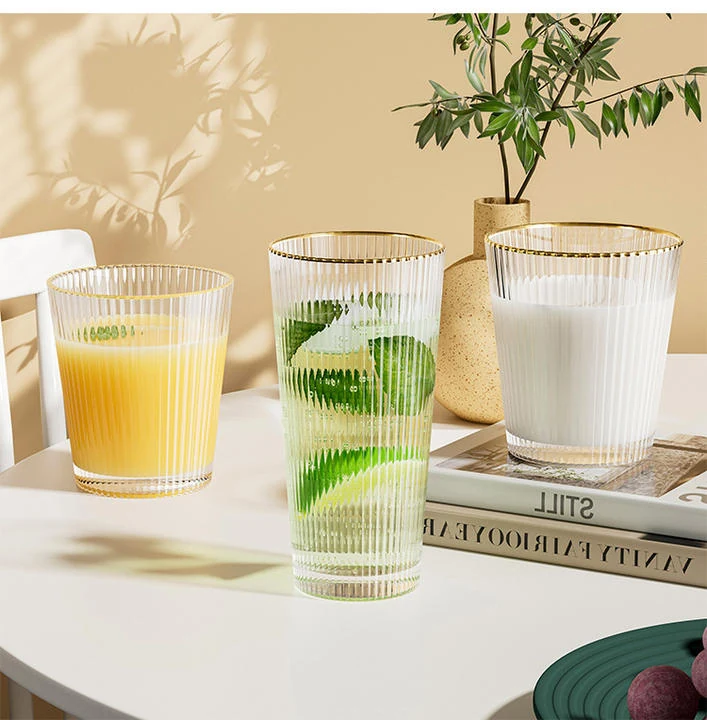
Panama Art Glass Studio is a small boutique producer focused on handcrafted and artisanal glass pieces. Established by a group of local artists and craftsmen, this studio blends creative design with traditional glassblowing and finishing techniques. Located in Casco Viejo in Panama City, the studio serves both tourists and local buyers looking for unique, handcrafted glassware.
Their product line includes decorative glass bowls, art pieces, custom drinkware, and small furniture elements made from blown glass. Each piece is typically hand‑finished and often one‑of‑a‑kind, which appeals to collectors and interior designers wanting original glass art. The studio also conducts glassblowing workshops and collaborates with local galleries to promote Panamanian craftsmanship.
Panama Art Glass Studio’s approach is markedly different from industrial manufacturers. They emphasize creative expression and artistic quality, which attracts a niche market both locally and among visitors. While volume production is not their focus, the unique style of their pieces has won attention in design circles across Central America.
Their recognitions are primarily in the art and design community, with local awards for craftsmanship and creativity. They are often featured in design shows and cultural festivals, which enhances Panama’s identity as a center for creative glass art. For buyers seeking artistic and handcrafted glassware, the studio presents an appealing alternative to mass‑produced items.
Company Comparison Table
| Company | Founded | Core Products | Industries Served | Certifications |
|---|---|---|---|---|
| Vidriería Centroamericana S.A. | 1980s | Architectural & decorative glassware | Construction, Hospitality | Local quality standards |
| Cristales y Vidrios Panamá S.A. | 2000s | Drinkware, industrial glass products | Hospitality, wholesale, retail | Quality management practices |
| Panama Art Glass Studio | 2010s | Handcrafted art glass, decorative | Tourism, design, galleries | Local craft awards |
Part 3: Trade Shows and Industry Events
Panama Internacional Trade Fair
The Panama Internacional Trade Fair is one of the most significant trade events in Central America, bringing together manufacturers and buyers from across industries including glassware, home goods, and construction. Held annually in Panama City, this event attracts local producers, importers, and international brands seeking exposure in the regional market. I attended the fair once and was struck by the diversity of exhibitors, from artisanal glass artists to larger industrial suppliers.
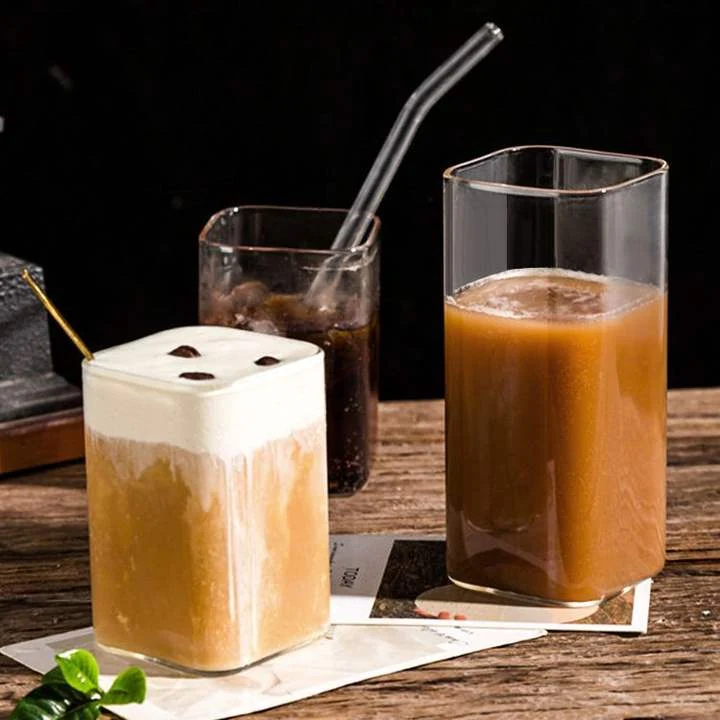
At this fair, glassware manufacturers have a chance to display their full product range, meet buyers face‑to‑face, and explore potential export opportunities. The fair typically includes seminars on market trends, trade financing, and supply chain innovations that benefit small and medium producers. For a Panamanian glassware business, the event offers visibility and access to buyers beyond the local market.
Highlights of the event include product showcases, networking sessions, and design competitions that feature new glassware designs. Exhibitors often present seasonal collections and custom solutions for hospitality and retail clients. This trade fair has grown in importance over the years as Panama positions itself as a trade hub, leveraging its logistics and Panama Canal access.
Glass & Hospitality Expo Panama
The Glass & Hospitality Expo Panama is a focused industry event that highlights trends in glassware, tableware, and service products for the hotel and restaurant sectors. Launched in the mid‑2010s, this expo has quickly become a key stop for glassware designers, manufacturers, and buyers in Central America. This event takes place in Panama City and often includes live demonstrations, workshops, and supplier matchmaking.
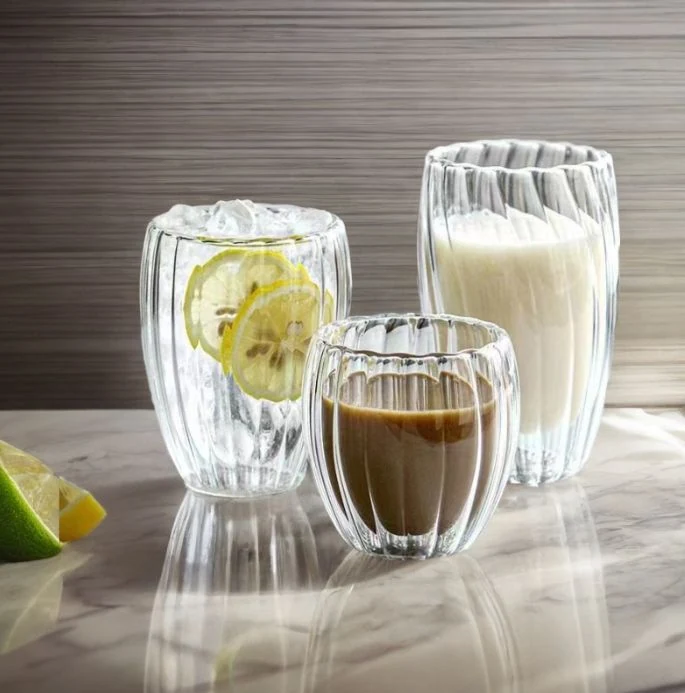
The expo provides a platform for showcasing innovations in glass drinkware, custom branding techniques, and sustainable materials. Glassware manufacturers use the event to demonstrate new collections tailored to hospitality needs, such as stackable drink glasses or branded wine glasses. Buyers from hotels, resorts, and restaurants attend to compare offerings and negotiate contracts.
Key highlights include design awards, panel discussions on material trends, and sessions on export readiness. The event emphasizes sustainable production techniques and how glass products can enhance guest experiences in hospitality settings. For Panama’s glass industry, this expo has become a valuable marketing and learning opportunity.
Trade Event Summary Table
| Event | Date | Location | Highlights |
|---|---|---|---|
| Panama Internacional Trade Fair | Annually | Panama City | Broad industry exposure, buyer networking |
| Glass & Hospitality Expo Panama | Annually | Panama City | Focused on hospitality glassware innovations |
Part 4: Impact of Global Trade Policies
Global trade policies have a notable influence on Panama’s glassware industry, particularly because Panama imports much of its raw materials and finished products. Trade agreements between Panama and countries such as the United States, Mexico, and other Latin American partners help reduce tariffs on imported glassware and materials needed for production. These agreements have made it easier for local manufacturers to obtain inputs at more competitive prices.
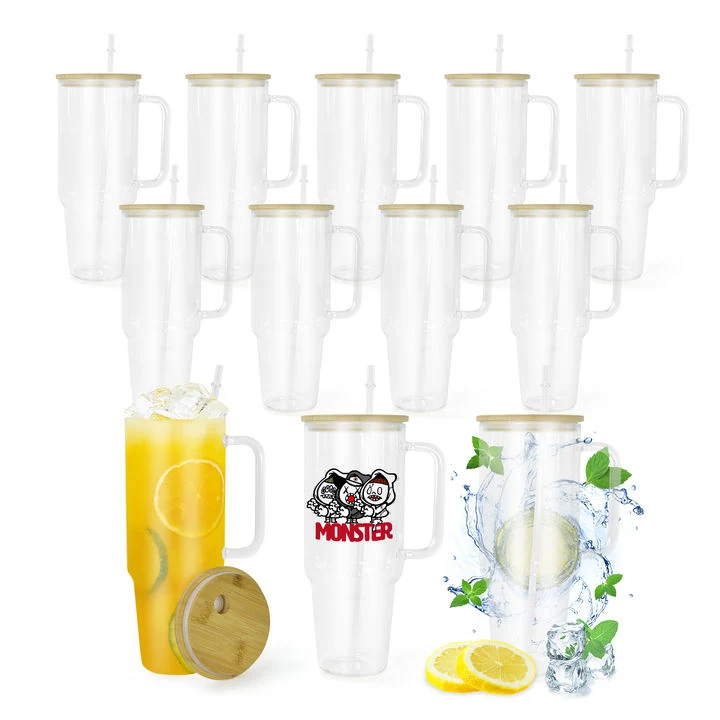
At the same time, global supply chain disruptions, such as those caused by geopolitical tensions or shipping bottlenecks, directly affect cost and availability of raw materials in Panama. Because local production depends on imported silica, soda ash, and other inputs, changes in global trade policies can raise costs or delay production schedules. In my discussions with local producers, delays in raw material shipments were a common challenge, especially for companies trying to scale production.
Trade policies that promote local value‑added manufacturing are gaining traction in Panama, yet the glassware industry still faces competition from imported finished products. Imported glassware from Mexico, Brazil, and Asia often arrives at lower cost due to scale advantages, which puts pressure on local producers to compete on quality and niche offerings. Some local manufacturers are exploring value‑added designs or custom solutions to differentiate themselves.
Panama’s small domestic market means export expansion is essential for growth, but trade policies must support this goal. Efforts to harmonize standards and reduce export barriers within Central America could help Panama’s glass producers reach larger markets. At the same time, exposure to international competition encourages local manufacturers to adopt better production practices and innovate in product design.
Part 5: Conclusion
Glassware manufacturing in Panama is a sector marked by small but meaningful growth, driven by rising demand in hospitality, retail, and consumer markets. Despite the challenges of importing raw materials and competing with larger foreign producers, local manufacturers have carved out niches focused on quality, customization, and design. Events like the Panama Internacional Trade Fair and Glass & Hospitality Expo Panama have helped connect producers with buyers and spark innovation.
Looking forward, the industry has opportunities to expand through improved trade policies, better access to raw materials, and stronger collaboration with regional partners. Panama’s geographic location and trade agreements provide a foundation for growth, but realizing this potential requires strategic focus on value‑added products, export expansion, and leveraging design excellence. With continued investment and market development, Panama’s glassware sector can grow into a more competitive player in the Central American landscape.