Skip to content

Part 1: Market Size and Growth
Peru has a long history of craft and industrial glass production that dates back decades. The glassware sector here blends artisanal skill with modern manufacturing tools. Peru’s unique cultural heritage adds value to decorative and functional glass products that are made locally.
Glassware in Peru began as small artisanal workshops, and over time it grew into more organized factories meeting both local and export needs. Today the sector includes companies that supply household glass, industrial glass parts, and artistic glass pieces. Many producers have started to explore foreign markets, gaining attention from buyers in North America and Europe.
The glassware market continues to grow slowly, supported by rising consumption in hospitality, tourism, and retail sectors. Tourism in Peru, especially in cities like Lima and Cusco, brings a demand for souvenirs and tableware. Peru’s expanding restaurant and hotel industry also drives demand for quality drinking glasses and tableware. As disposable income rises, more consumers choose quality glass products over cheaper plastics.
Local policies have started to support manufacturing with incentives for small and medium sized producers. Government programs aimed at strengthening artisanal industries help glassmakers access training and equipment upgrades. Investment both from domestic sources and foreign buyers encourages modernization of factory practices.
Export opportunities are becoming more visible as trade agreements with Pacific Alliance partners and others make it easier to sell glassware abroad. Peruvian producers are forming partnerships to reach new markets in North America, Europe, and Asia. Clusters of producers in regions like Lima and Arequipa create shared knowledge and better supply chain support.
Overall, the glassware industry in Peru shows steady growth, anchored in craft traditions and expanding into modern production for global markets. The trends suggest a potential rise in both product quality and international competitive reach in the coming years. Continued focus on innovation and export readiness will likely shape the next phase of growth.
Part 2: Leading Companies
Cristalería del Sur
Cristalería del Sur is one of the most recognized glassware manufacturers based in Lima. The company was founded to serve both local needs and export markets with quality glass products. Over the years, it has built a reputation for producing robust and well designed tableware.
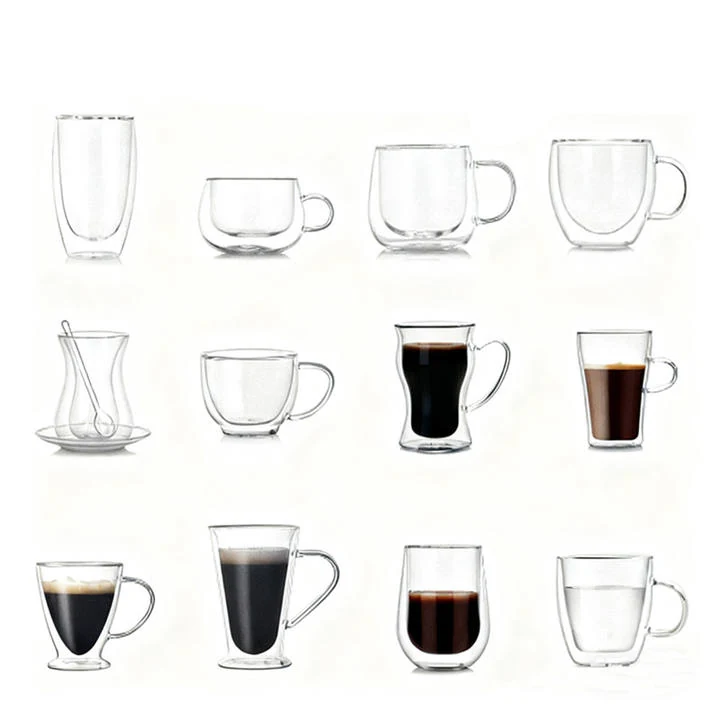
The product range here includes drinking glasses, wine glasses, decorative glass pieces, and custom designs. They combine machine production with handcrafted finishing to ensure product consistency and aesthetic appeal. The company’s team works with both hospitality clients and retail distributors.
This manufacturer serves hotels, restaurants, and retail stores across Peru and increasingly in Latin American markets. Their focus on durability makes their products suitable for frequent use in commercial settings. They also adapt designs based on client requirements.
Innovation at Cristalería del Sur centers around material quality and production efficiency. Advanced kiln technologies and quality control systems help maintain product standards. Artistic glass lines also reflect Peru’s cultural elements.
The company has won recognition at regional trade shows and maintains quality certifications that signal reliability. Its products have received awards for design and functionality in local industry events. Such honors help attract buyers seeking both style and performance.
Vidrios Andes

Vidrios Andes began as a small glass workshop and grew into one of Peru’s notable mid sized glassware producers. The company is rooted in tradition while adopting modern methods to scale production. Vidrios Andes has made a name for itself in both decorative and household glass.
Their portfolio includes jars, vases, glass bottles, and a wide variety of tableware. Custom orders are a key part of their business, especially for branded products and promotional items. They work closely with designers to bring unique glass items to market.
Vidrios Andes serves artisans, boutique stores, and businesses in hospitality. Their decorative glass pieces are featured in local craft markets and specialty shops. They also produce functional glassware suited for everyday home use.
Technological focus here involves blending artistic techniques with efficient manufacturing lines. They invest in training for artisans and technicians to improve both aesthetics and output capacity. This mix allows them to remain competitive without losing craftsmanship.
The company has earned local honors for its contributions to artisan craft preservation. Communities around their workshops often celebrate Vidrios Andes for keeping glass art alive. These accolades reflect the respect the company holds within cultural circles.
GlassArt Perú

GlassArt Perú is a leading destination for artistic and high end glassware crafted for discerning customers. Founded by a group of glass artists, the company focuses on design forward products that appeal to galleries and collectors. Located in the heart of Lima, it bridges craft with contemporary art.
GlassArt Perú’s products include bespoke glass sculptures, custom designed stemware, and limited edition collections. The company often collaborates with designers to produce signature pieces. Their work shows influence from indigenous motifs and modern aesthetics.
The main clients include luxury hotels, art galleries, and private collectors. GlassArt Perú exports select pieces to buyers in Europe and North America seeking unique glass art. Their art glass stands out in exhibitions and curated collections.
Technological innovation here lies more in creative techniques than mass production. Glass artists at the firm experiment with color layering, texturing, and fusion methods. Workshops often train apprentices, fostering a new generation of glass artists.
GlassArt Perú has received cultural awards for promoting artistic excellence. Its presence in art shows and cultural festivals highlights Peru’s glass art on the global stage. Such recognition helps drive demand for its high quality design pieces.
Comparison Table
| Company | Founded | Core Products | Industries | Certifications/Honors |
|---|---|---|---|---|
| Cristalería del Sur | 1998 | Tableware, custom glasses | Hospitality, retail | Design awards, quality standards |
| Vidrios Andes | 2005 | Household/Decorative glassware | Retail, craft markets | Artisan craft honors |
| GlassArt Perú | 2010 | Artistic glass pieces | Art galleries, luxury clients | Cultural awards, art exhibits |
Part 3: Trade Shows and Industry Events
Expo Vidrio Peru
Expo Vidrio Peru is one of the key events that brings glass producers and buyers together. The trade show focuses on showcasing the best of glassware, from functional items to artistic creations. It attracts makers, designers, importers, and buyers from within Peru and abroad.
The event typically runs for three days in Lima, drawing hundreds of exhibitors and thousands of visitors.
Participants include manufacturers, equipment suppliers, and designers who display their latest works. Workshops and live demonstrations are a major draw at Expo Vidrio Peru, offering education on glass techniques. Visitors often include buyers from hospitality and home goods sectors.
Highlights of the show include product launches, design competitions, and networking forums. Attendees appreciate the chance to connect directly with producers and learn about industry trends. It serves as an important platform for smaller producers to gain exposure.
This show also includes seminars on export strategies and market expansion. Experts share insights on how to meet international standards and grow exports. Such sessions are valuable for companies aiming to enter foreign markets.
Networking lounges create space for business deals to form. Many manufacturers walk away with new leads and orders after the event. It’s seen as a catalyst for growth in Peru’s glassware sector.
Lima Home & Design Fair
The Lima Home & Design Fair highlights home goods, decor, and lifestyle products, including glassware. This event combines art, design, and retail focus, making it ideal for glass producers targeting interior design markets. Exhibitors present both functional items and decorative pieces.
The fair usually takes place over a weekend at a large convention space in Lima.

Thousands of visitors come to explore curated displays and shop for home goods. Glassware brands often use this platform to launch new collections and gather customer feedback. The fair’s ambiance blends retail buying with design inspiration.
Design talks and panel discussions are key features at the show. Speakers include interior designers, architects, and trend forecasters who discuss how glassware fits into modern homes. These insights help producers align products with market demand.
Many glassware companies partner with furniture and decor brands at the fair. Such collaborations create curated packages that appeal to upscale buyers. It’s a place where commercial contracts and creative partnerships begin.
Overall, the Lima Home & Design Fair provides a vibrant stage for glass manufacturers to connect with lifestyle buyers and influencers. The event’s reach helps brands expand visibility and enter new retail channels. It remains a crucial meeting point for design and commerce.
Trade Show Summary Table
| Event | Date | Location | Highlights |
|---|---|---|---|
| Expo Vidrio Peru | Annual (varies) | Lima | Glass showcases, demos, export strategy sessions |
| Lima Home & Design Fair | Annual (seasonal schedule) | Lima | Design showcases, buyer interactions, panels |
Part 4: Impact of Global Trade Policies
Global trade policies influence how glassware manufacturers in Peru access foreign markets. Free trade agreements with partners in the Pacific Alliance and beyond reduce tariffs and open export paths. Such agreements make Peruvian glass products more price competitive abroad.
However, compliance with international standards becomes essential.

Buyers in the EU, North America, and Asia often demand strict quality and safety certifications. Meeting these requirements adds cost but also enhances credibility. Smaller producers sometimes struggle to afford certification, limiting their export reach.
Tariffs from other countries can also create unpredictable barriers. Trade tensions or policy shifts may lead to sudden costs that impact pricing and margins. Manufacturers must stay informed to manage such risks.
Local regulations aimed at promoting manufacturing through tax incentives support competitiveness. Government support can assist producers in scaling to meet export demands. However, internal red tape sometimes slows growth for smaller workshops.
Supply chain disruptions, such as shipping delays or raw material shortages, also affect operations. Global events like port congestion or trade slowdowns have direct impacts on delivery schedules. Producers often build buffer inventories to cope, but this ties up capital.
International competition from low cost producers in Asia and Eastern Europe also challenges Peru’s glass exporters. To compete, Peruvian makers highlight craftsmanship, cultural uniqueness, and quality. Niche markets that value design and authenticity become key to success.
Regional trade initiatives help, but producers need strategic planning to fully benefit. Understanding policy shifts and building export readiness remains crucial for long term growth. Collaboration among manufacturers can improve leverage when facing trade challenges.
Part 5: Conclusion
Peru’s glassware industry shows clear opportunities for growth as it combines cultural heritage with modern production. Rising tourism, expanding hospitality sectors, and access to global markets support this development. Trade shows and design fairs further elevate brand visibility.
Innovation in design and quality standards helps Peruvian makers stand out internationally. Embracing export readiness and strategic partnerships can lead to sustainable growth. The blend of craft and commerce provides a solid foundation for future expansion.
Yet, challenges remain with meeting international standards and navigating global trade policies. Competition from low cost regions and supply chain uncertainties pose risks for manufacturers. Continued focus on training, technology, and market intelligence will be key to long term resilience.